Common Mistakes That Disrupt Guinea Pig Herd Harmony
Hello CavyFam, are you worried about your guinea pigs squabbling or seeming stressed in their group? It’s a common fear that can make you question if you’re doing enough for their well-being.
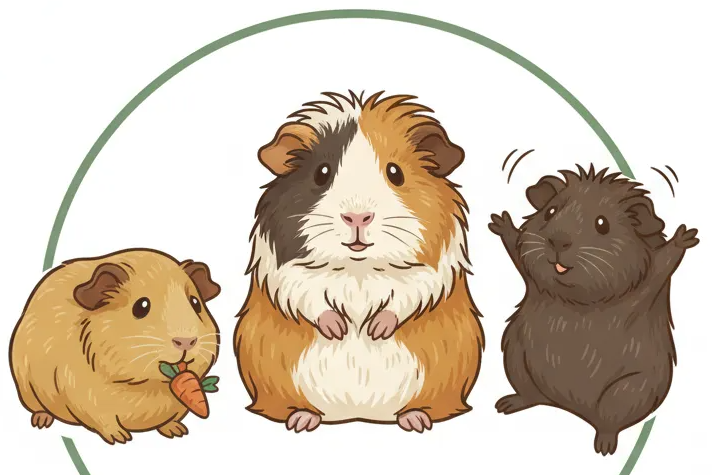
In this guide, I’ll explore pitfalls like rushed introductions, cramped living spaces, inconsistent feeding routines, and ignoring personality clashes. My own herd-Pepper, Clover, and Biscuit-has taught me how small errors can ripple through their social dynamics, so I share what I’ve learned to help your cavies thrive together.
Housing Blunders That Fuel Discontent
I learned the hard way with my first pair that cramped quarters turn gentle guinea pigs into stressed-out roommates. Inadequate housing directly fuels social stress by forcing constant, unwanted interactions.
When guinea pigs lack personal space, they can’t escape each other’s presence, leading to tension.
Consequences of Overcrowding and Insufficient Hiding Spots
- Increased chasing, mounting, and teeth chattering as dominance behaviors escalate.
- Barbering, where one pig relentlessly chews another’s fur.
- Constant hiding and a reluctance to come out for food or interaction.
- Weight loss in subordinate pigs who are bullied away from food bowls.
Without at least two hiding spots per pig, you’re practically guaranteeing conflict. My Abyssinian, Clover, needs her own fleece forest to feel secure away from the others.
Minimum Space Requirements and Territory Disputes
The absolute minimum for two guinea pigs is 8 square feet, but I always recommend 10-12 square feet. Exceeding minimum space requirements gives each pig room to claim their own territory, drastically reducing disputes. This is part of our complete space requirements guide on how big a cage guinea pigs need. It covers exact dimensions for pairs and practical layout tips.
In my larger enclosure, my gentle American, Pepper, can enjoy her hay pile while my reserved Peruvian, Biscuit, explores the opposite end without feeling threatened.
Risks of Improper Bedding Choices
Wrong bedding can cause health issues that ripple through the social structure. Dusty or aromatic bedding like cedar shavings can lead to upper respiratory infections, making pigs irritable and more likely to snap. Common bedding mistakes—such as cedar or pine shavings, scented additives, or failing to clean the enclosure regularly—can worsen these problems. Avoid these mistakes to protect your guinea pig’s health.
I use a combination of fleece liners and paper bedding in high-traffic areas to keep everyone comfortable and healthy.
The Social Mismatch: Pairing and Group Dynamics Gone Wrong
Watching my trio, I’ve seen how personality clashes can unravel herd harmony. Incompatible pairings often stem from ignoring individual temperaments and forcing introductions too quickly.
Risks of Cross-Sex Introductions and Ignoring Social Signals
Unless you’re prepared for constant breeding, cross-sex pairings are a recipe for stress. Males will relentlessly pursue females, disrupting the entire group’s dynamic and exhausting everyone involved.
Ignoring subtle social signals like gentle teeth chattering or avoidance behaviors can lead to full-blown fights.
Signs of Aggressive Individuals
- Constant chasing and cornering of cage mates
- Guarding food bowls, water bottles, or favorite hiding spots
- Lunging with teeth bared during normal interactions
- Persistent rumblestrutting (a dominance display) throughout the day
One truly aggressive individual can destabilize an entire group, creating a tense environment where no one feels safe.
Stress Caused by Isolation After Group Housing
I once had to temporarily separate Biscuit for a health issue, and the reunion process taught me a valuable lesson. Guinea pigs are highly social creatures, and isolation after group housing causes profound stress that can permanently alter relationships. Loneliness can take a real toll on their health. In extreme cases, prolonged isolation can be life-threatening.
Reintroductions must be handled carefully in neutral territory to reestablish bonds without triggering territorial behavior.
Dietary Disasters That Cause Friction
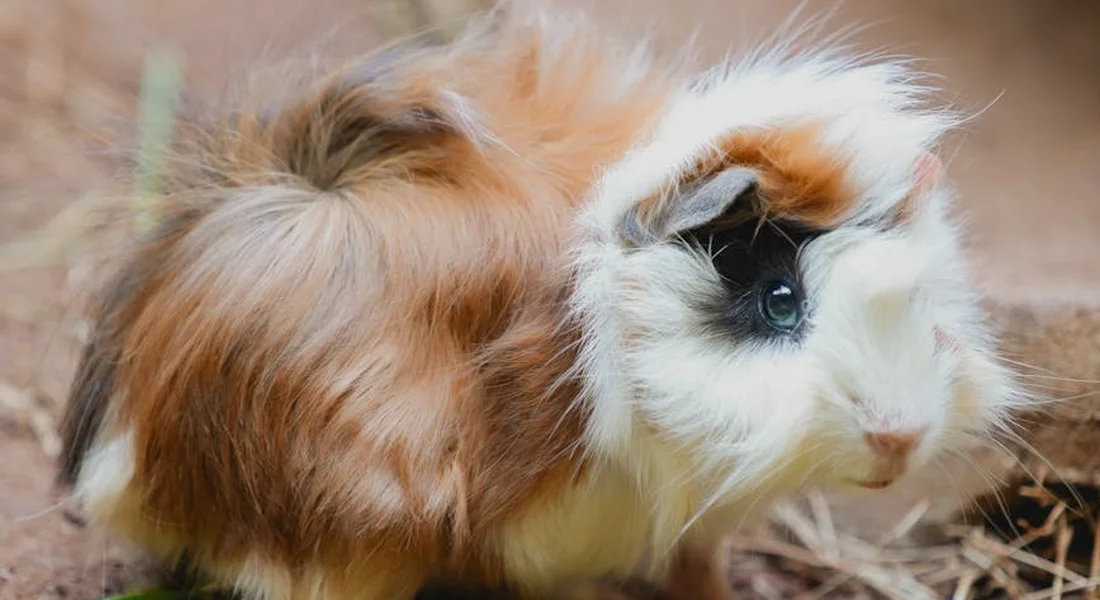
Your guinea pigs’ diet plays a huge role in how well they get along. I’ve seen with Pepper, Clover, and Biscuit that nutritional mistakes can turn a peaceful herd into a bickering bunch. When they’re not fed right, stress levels rise, and minor squabbles over food or space become common — especially during mealtimes.
Unlimited hay is your best tool for keeping the peace. Hay keeps their digestive systems busy and prevents hay deficiency, which reduces anxiety and promotes a calm, content herd. My guinea pig Pepper, for instance, munches on hay all day, and it helps her stay gentle and steady even when others are active.
- Diet imbalances, like too many sugary treats, can cause weight gain and irritability, leading to fights over resources.
- Irregular feeding schedules create uncertainty, making guinea pigs more competitive and aggressive during mealtimes.
- Lack of fiber from insufficient hay can result in digestive issues, raising overall stress and disrupting herd harmony.
Vitamin C deficiency is a silent troublemaker that affects both health and social dynamics. Without enough vitamin C, guinea pigs can develop scurvy, weakening their immune systems and making them more prone to stress-induced conflicts. I make sure Biscuit gets fresh veggies daily to keep her reserved nature from turning into skittishness—even consistent daily vitamin C supplementation is essential.
Environmental Stressors You Might Overlook
The physical setup of your guinea pigs’ home directly impacts their social harmony. Small changes in their environment can trigger big reactions, as I learned when a new noise made Clover jumpy and less graceful around the others. Guinea pigs are very sensitive to loud noises and tend to react quickly. They may startle or seek cover when surprised. A stressed-out guinea pig is more likely to lash out or hide, upsetting the whole group’s balance.
Loud noises and sudden routine changes are common culprits. Unexpected sounds or shifts in daily habits, like cleaning their cage at odd times, can spike anxiety and lead to defensive behaviors. Keeping a consistent schedule helps them feel secure and reduces unnecessary tension.
Temperature fluctuations and humidity stress pose real dangers to herd comfort. Extreme heat or cold, along with high humidity, can cause discomfort and health issues, making guinea pigs irritable and more prone to squabbles. I monitor their space closely to ensure it stays cozy for all three of my pigs. Guinea pigs are especially sensitive to temperature changes and have specific heating needs. I adjust their enclosure to provide steady warmth and avoid temperature spikes.
- Enrichment items, like tunnels and chew toys, prevent boredom and give them healthy outlets for energy.
- Rotating toys and adding hiding spots encourages exploration and reduces competition for space.
- Interactive playtime strengthens bonds and minimizes boredom-induced nipping or chasing.
The Perils of Improper Introductions
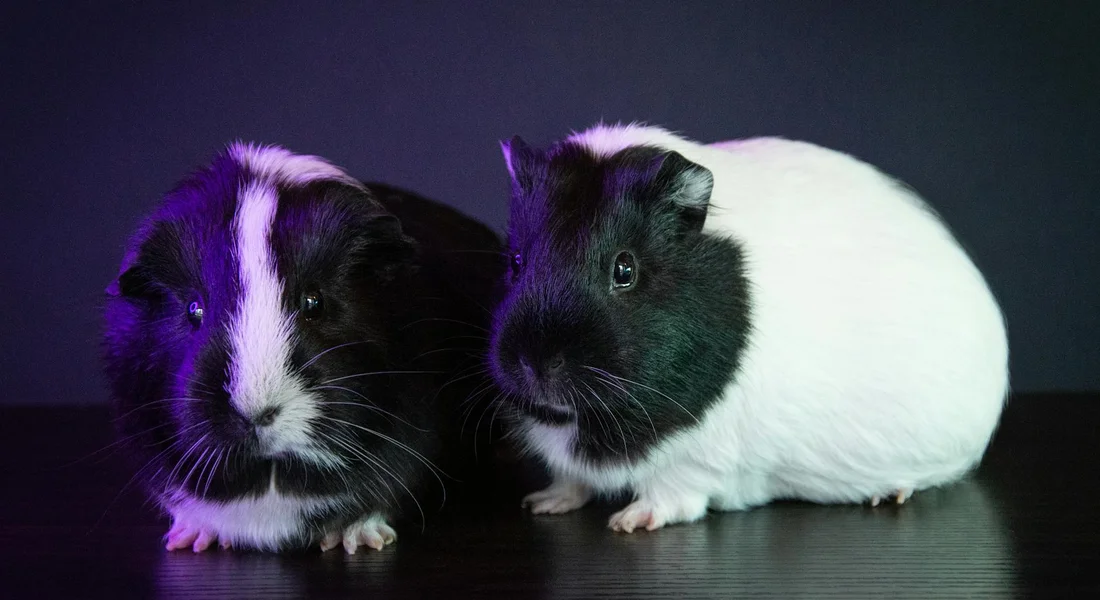
I learned this lesson the hard way when I introduced Biscuit to my established pair, Pepper and Clover. Rushing this process is the single fastest way to create long-term tension in your guinea pig herd.
-
Step 1: Start on Neutral Territory
Never place a new guinea pig directly into another’s cage. That cage is a home, full of established scents and territory. You must use a completely neutral space that none of them have claimed, like a large, clean playpen or a section of your floor. I use a pop-up playpen in my living room for this exact purpose. When you’re ready to introduce the new guinea pig to other pets, do so in this neutral space with close supervision. Keep initial interactions short and calm, and watch for stress signals from any animal.
-
Step 2: Monitor for Positive Social Signals
Watch their body language closely. You want to see curious nose-touching, gentle rumbling (rumblestrutting), and relaxed postures. Positive interactions are quiet and investigative, not frantic or aggressive. Ignore normal dominance behaviors like mounting or a low rumble, but be ready to intervene for anything more.
-
Step 3: Gradually Increase Supervised Time
Start with short, 15-minute sessions. If those go well, you can slowly extend the time over several days. The goal is to build positive associations slowly, preventing overwhelming stress for all pigs involved. I did this over a week with my trio, adding 10-15 minutes each successful session.
-
Step 4: Manage Minor Disputes Calmly
If you see raised hackles, teeth chattering, or lunging, calmly separate them with a piece of cardboard. Do not use your hands. A brief time-out in separate carriers can help them reset before you try another short, supervised session later. A minor squabble isn’t a failure; it’s a sign you need to slow down.
Handling and Health Oversights
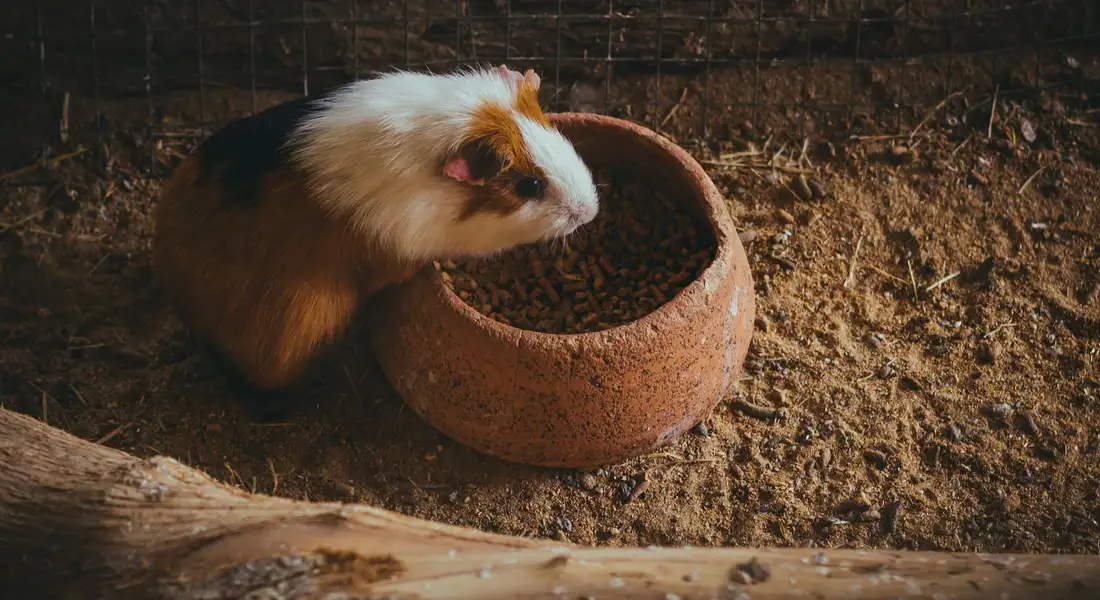
Your guinea pigs’ physical state is directly tied to their social peace. A pig that doesn’t feel safe or feels unwell will struggle to be a good herd member. To help your new guinea pig feel safe and acclimated, establish a quiet routine and gentle handling from day one. A calm, secure environment supports smoother introductions and lasting harmony in the group.
- Rough handling creates a baseline of anxiety that makes every interaction more tense. If you grab at your pigs or make them feel insecure in your hands, that stress carries over into their cage. My gentle Pepper becomes noticeably more skittish with her cagemates for hours after a vet visit, simply from the stress of travel and handling.
- An undiagnosed health issue is a major source of social disruption. Something as simple as mites, which cause intense itching, can make a normally placid guinea pig snappy and irritable. They are in pain and have no other way to express it. Respiratory infections or bladder stones can have the same effect, turning a friendly pig into a recluse or a bully.
- Watch for these subtle signs that a health problem is rippling through the herd:
- One pig is consistently chased away from food or hiding spots.
- You notice a sudden increase in aggressive vocalizations, like sharp, angry-sounding wheeks.
- The group’s normal, comfortable sleeping pile stops happening.
- A usually social pig starts spending all its time alone in a corner.
Any sudden shift in the social dynamic warrants a close health check for every pig in the enclosure.
My Herd’s Journey to Harmony
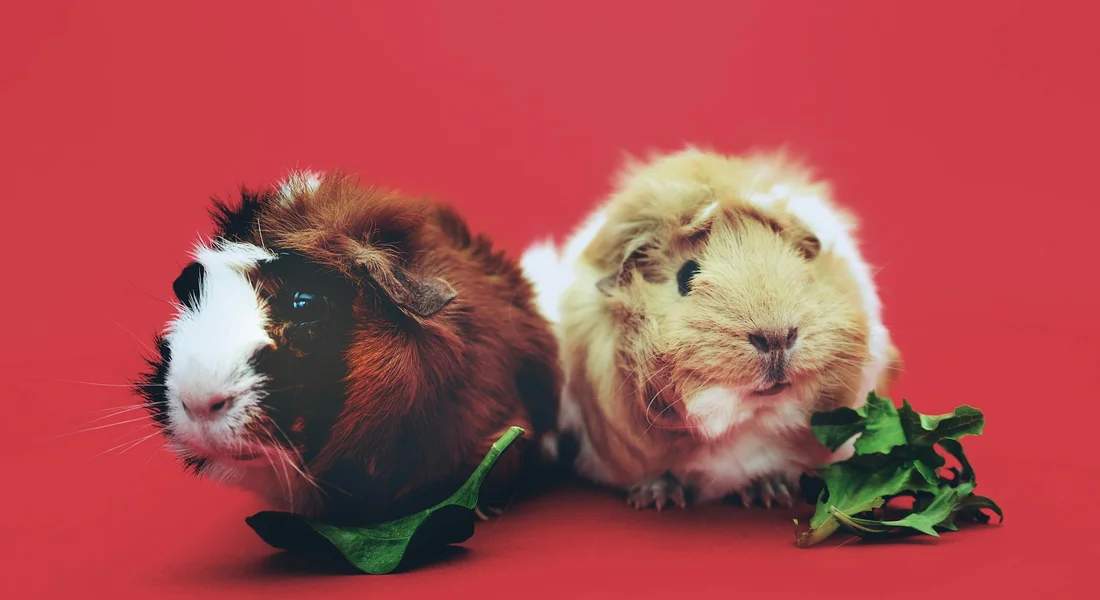
I vividly recall the day I introduced Clover, my graceful Abyssinian, to Pepper’s established space without a proper neutral area. Their initial meeting sparked immediate tension, with Pepper’s gentle rumbles turning into persistent chases that left Clover hiding nervously in a corner. This improper setup disrupted their budding bond and made shared activities like feeding feel like a competition.
To mend their relationship, I implemented a step-by-step approach focused on safety and comfort. First, I moved them to a neutral playpen with clean bedding and multiple hideouts to prevent territorial disputes. I supervised all interactions, using positive reinforcement like fresh veggies to reward calm behavior. Over several days, I gradually increased their time together while ensuring separate food bowls to reduce stress.
Watching them slowly transition from wary glances to gentle nose touches was incredibly rewarding. With consistent patience and these adjustments, Pepper and Clover now enjoy peaceful cohabitation, often snuggling during nap times. Remember, missteps in guinea pig introductions are common but entirely manageable with attentive care and a calm environment.
FAQs
What foods should be avoided for guinea pigs and why?
Avoid foods like chocolate, onions, and dairy products as they are toxic or hard to digest. These can cause serious health issues such as poisoning or digestive upset, disrupting overall well-being.
How often should you clean a guinea pig’s enclosure to avoid mistakes?
Clean the enclosure thoroughly at least once a week to prevent odor and bacteria buildup. Spot clean daily by removing soiled bedding and uneaten food to maintain a healthy, stress-free environment.
What are common mistakes with guinea pig dental health?
Not providing enough hay can lead to overgrown teeth and painful dental issues. Avoid relying solely on soft foods; include safe chew toys to naturally wear down their constantly growing teeth.
How can neglecting exercise be a mistake in guinea pig care?
Lack of exercise can cause obesity and boredom, leading to health problems and increased aggression. Ensure they have ample space and daily supervised playtime to promote physical and mental health.
What are common mistakes new guinea pig owners make?
New owners often choose cages that are too small, leading to stress and territorial disputes. They may also overlook the importance of a consistent diet and proper socialization, causing herd harmony issues.
Building a Peaceful Guinea Pig Home Together
By consistently providing ample space, introducing new friends with patience, and keeping a watchful eye on their unique personalities, you can prevent most common squabbles before they start. Your thoughtful daily management is the true foundation for a happy, squeaking herd.
Responsible guinea pig ownership is a rewarding journey of continuous learning, where every small choice for their welfare makes a big difference in their little lives. I encourage you to keep exploring gentle, eco-friendly care methods that benefit both your precious pets and our shared planet. Emotional commitment matters: guinea pigs flourish with regular, loving interaction and patient handling. Your steady presence builds trust and deepens the bond you share.
Further Reading & Sources
- The Herd, the Group and I: Investigating Guinea Pig Identity and Society | The Guinea Pig Forum
- Guinea Pig Herd Dynamics: When the Matriarch Passes | Small Pet Select
- Behavior – Expanding the herd? Need some opinions ! – Guinea Pig Cages
- Did you know? 💡 A group of guinea pigs is called a herd. In …
Kate is a passionate guinea pig owner and advocate for small pet welfare. With over a decade of experience caring for guinea pigs, she has become a trusted voice in the small pet community.
Uncategorized