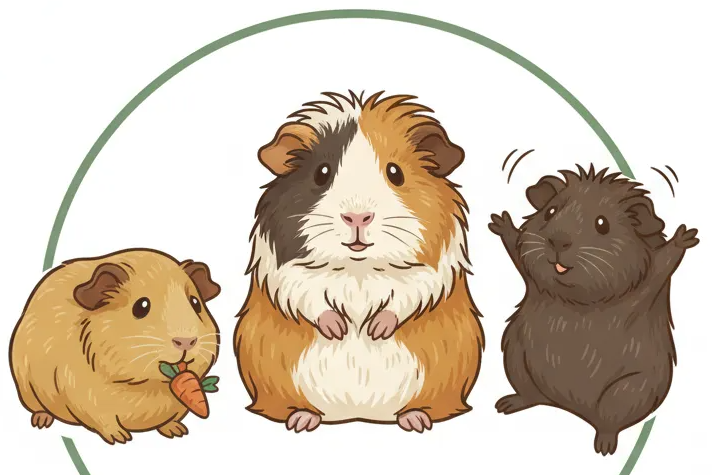
What Can Guinea Pigs Chew On Safely? (A Complete Guide)
Hello CavyFam! Wondering what your guinea pig can safely chew on? You might be worried about their health and tiny teeth.
I will cover safe wood types, nutritious vegetables, toys to avoid, and DIY chew ideas. Having raised Pepper, Clover, and Biscuit, I share tested tips from my own cavy crew.
Why Chewing is Essential for Guinea Pig Health
-
Chewing helps wear down your guinea pig’s teeth, which grow continuously throughout their life. Without proper chewing, their teeth can overgrow, leading to pain and difficulty eating. From my time with Pepper, I’ve seen how his steady gnawing on safe items keeps his teeth in perfect shape, much like how we brush daily to maintain oral hygiene.
-
Chewing provides mental stimulation that reduces boredom and stress. Offering varied chew toys keeps their minds engaged and prevents destructive behaviors. Clover, with her thoughtful nature, stays content and curious when she has different textures to explore.
-
Imagine chewing as a daily necessity, similar to how we need to brush our teeth to avoid issues. This simple habit supports overall well-being and prevents health problems down the line. I always make sure my guinea pigs have access to chewables to mimic their natural foraging instincts.
Safe and Healthy Chew Items for Your Guinea Pig
Natural Wood Chews
-
Choose pet-safe woods like willow, apple, birch branches, or any untreated wood. These types are non-toxic and provide a satisfying texture for gnawing. I often collect apple wood from my garden for Biscuit, who enjoys the rough bark.
-
Source wood from reputable pet stores or pesticide-free areas, then wash and bake at low heat to sterilize. Always inspect for splinters or chemicals to keep your pet safe. Let the wood dry completely before offering it to avoid mold.
-
Avoid any wood treated with pesticides or paints, as these can harm your guinea pig. Stick to natural, organic options to support their health and welfare. I’ve learned that untreated wood is key to preventing accidental poisoning, especially when combined with natural and safe cleaning products for guinea pig cages.
Hay-Based Chews and Sticks
-
Timothy hay and hay sticks are excellent for fiber intake and dental wear. They mimic a wild diet and help maintain digestive health. My guinea pigs, especially Pepper, munch on hay sticks daily, which keeps their teeth trim and tummies happy.
-
These chews support both diet and dental care by encouraging natural grinding motions. Incorporate them into feeding routines to ensure consistent chewing habits. I place hay sticks in their cage for easy access, and Clover loves the crunchy texture.
-
Rotate hay-based items to maintain interest and prevent boredom. Combine with fresh hay piles to enrich their environment and promote activity. From experience, this simple swap keeps my pets engaged and healthy.
Cardboard and Paper Products
-
Safe items include cardboard tubes, paper towel rolls, and plain paper. These provide low-cost enrichment and satisfy their urge to shred. Biscuit adores hiding in tubes, and it’s a fun way to reuse household items.
-
Benefits include mental stimulation and easy DIY options. Monitor chewing to ensure they don’t ingest large pieces that could cause blockages. I check regularly to remove any soggy or torn bits for safety.
-
Keep an eye on consumption to avoid over-ingestion. Replace items when they become worn to maintain a clean and safe space. This habit has helped me prevent digestive issues in my herd.
Vegetable and Green Chews
-
Offer safe vegetables like carrots, bell peppers, and leafy greens for occasional chewing. These provide vitamins and a crunchy texture that supports dental health. My guinea pigs enjoy carrot tops, but I limit them to avoid excess sugar. In a guinea pig diet, safe vegetables and greens should be a regular, varied component to ensure fiber and nutrition. Consider introducing a mix of greens such as romaine, kale, or parsley in moderation to diversify nutrients.
-
Vegetable peels can be used if washed thoroughly to remove pesticides. Always introduce new items slowly to watch for allergic reactions. I rinse peels under running water and cut them into small pieces for easy handling.
-
Balance is crucial to prevent digestive upset from too much moisture or fiber. Stick to small, varied portions to keep their diet diverse and safe. From caring for Pepper, Clover, and Biscuit, I’ve found that moderation ensures happy, healthy pets.
Items to Avoid: Keeping Your Guinea Pig Safe
My guinea pig, Biscuit, once tried to nibble on a stray electrical cord, and my heart nearly stopped. Electrical wires are an extreme danger, posing risks of electrocution, severe mouth burns, and intestinal blockages if any plastic is swallowed. I now use cord protectors and keep all cables completely out of reach.
Many common household materials are surprisingly hazardous. Fabric like towels or old t-shirts can unravel, and loose threads may wrap around feet or teeth, cutting off circulation or causing serious injury. I learned this the hard way when Clover got a thread tangled around her leg; we caught it just in time.
- Toxic Woods: Cedar and pine shavings or chews release phenols that can cause serious respiratory and liver issues.
- MDF and Particle Board: These manufactured woods are bound with formaldehyde and other glues that are toxic if ingested.
- Painted or Varnished Wood: Even on furniture, the paints and finishes are often toxic and can lead to poisoning.
- Plastic Toys: Many are not meant for ingestion; small, sharp pieces can break off and cause internal damage or blockages.
Chewing on furniture or baseboards isn’t just a nuisance-it’s a health risk. Beyond the toxic finishes, splintered wood can create sharp shards that puncture cheeks or the digestive tract. Pepper once took a tiny nibble of a table leg, and I immediately sanded the area and blocked it off.
Your Common Questions Answered
Is linen safe for guinea pigs to chew? While plain, undyed linen fabric is less risky than fuzzy fleece, it can still fray. I don’t give my herd loose linen because those threads are a tangling hazard I’d rather avoid.
What about citrus wood or fruit? Orange and lemon tree branches are generally safe, dry, and untreated. However, the actual citrus fruits are too acidic for their sensitive digestive systems and should be avoided as a regular food.
DIY Chew Toys and Enrichment Ideas
Creating your own toys is not only budget-friendly, it lets you control exactly what your pets are chewing on. Watching my three guinea pigs explore a new homemade toy is one of my favorite parts of the day-it keeps their minds active and satisfies their natural chewing instincts.
-
The Cardboard Castle Chewer
Save your toilet paper and paper towel tubes. Stuff them tightly with their favorite hay, perhaps adding a few sprigs of cilantro or parsley in the middle for a tasty surprise. My guinea pigs will work for ages to pull all the hay out, which files their teeth and keeps them entertained. Pair this with a sturdy hay rack to keep hay clean and accessible. These setups are among the best hay racks bedding solutions for guinea pigs.
-
The Untreated Wood Block Kabob
Find a small, untreated block of applewood or kiln-dried pine. Drill a small hole through the center and thread a piece of safe, natural sisal twine through it, then hang it securely from the top of their habitat. This encourages natural foraging behavior as they nudge and nibble the swinging block.
-
The Hay-Filled Muffin Tin
Take a clean, unused muffin tin and place it in their play area. Fill each cup with a different material: one with hay, one with a few pellets, and another with safe, edible flowers like dandelion or chamomile. This simple setup turns mealtime into a stimulating foraging adventure, preventing boredom.
Using simple, safe materials you already have is the key. Cardboard boxes can become tunnels and hideouts that are safe to destroy, and woven hay balls are excellent for both chewing and playing. These DIY toys pair nicely with simple, homemade treats to reward curious guinea pigs. I regularly rotate these DIY toys to keep my guinea pigs’ environment fresh and engaging. Making both at home keeps playtime safe, engaging, and budget-friendly.
Enrichment is about more than just fun. Providing a variety of approved chewing outlets directly supports their habitat safety by redirecting their need to gnaw away from dangerous household items and onto healthy alternatives. A busy, happy guinea pig is a safe guinea pig, and these simple projects make that easy to achieve. For more boredom busters, explore 20 safe, engaging enrichment ideas for guinea pigs.
How to Monitor and Encourage Safe Chewing
Supervision and Habitat Safety
Think of your guinea pig’s chewing habits like a toddler exploring the world with their mouth; it requires a watchful eye. I make it a daily ritual to spend a few minutes just observing my trio-Pepper, Clover, and Biscuit-while they interact with their chew toys. This quiet observation helps me spot any issues before they become problems. Signs your guinea pig is bored include circling, disinterest in toys, or bar chewing. When I notice those, I rotate toys or add foraging puzzles to fix it.
- Inspect all chew items daily for splinters, sharp edges, or signs of mold, especially on wood and hay-based toys.
- Supervise any new chew introduction for the first 30 minutes to ensure your pet is using it correctly and not trying to swallow large pieces.
- Remove any item that shows significant wear or has been chewed down to a potential choking hazard size.
Healthy chewing is rhythmic and purposeful, often focused on a single object for a short period. You’ll notice your guinea pig seems content and engaged, not frantic or obsessive. So, what do normal guinea pig eating habits look like? In general, they involve steady, attentive nibbling during meals and a healthy appetite. Problematic chewing, however, involves frantic gnawing on cage bars, their own fur, or attempting to eat non-food items like plastic.
I learned the hard way that a bored guinea pig is a destructive one. Rotating toys every few days keeps their environment fresh and exciting, preventing boredom and the bad habits that come with it. I have a small box of “retired” chews that I cycle back in every couple of weeks, and my pigs greet them like brand-new treasures.
Choosing the Best Commercial Chew Toys
Walking down the small pet aisle can be overwhelming, but a few key features separate the safe from the questionable. Always prioritize toys made from natural, untreated materials like hay, seagrass, untreated wood (apple, willow), or compressed hay cubes. These materials break down safely in their digestive system if ingested.
- Look for solid, well-constructed toys without small, detachable parts like bells or googly eyes that could be swallowed.
- Mineral chews can be offered, but monitor intake. If your guinea pig is consuming a mineral block excessively, it might indicate a dietary deficiency that needs a vet’s attention.
- Enrichment toys, like puzzle feeders made from hay or wood, are fantastic. They encourage natural foraging behavior and provide a safe chewing outlet.
My Abyssinian, Clover, is particularly fond of woven seagrass balls stuffed with a bit of hay. Stick to products specifically labeled for guinea pigs or “small animals,” as toys for other pets like rabbits or birds might be treated with unsafe dyes or sealants. I avoid anything with a strong chemical smell or an overly glossy, painted finish, as these can be toxic. Your pet’s safety is worth that extra moment of scrutiny.
FAQs
Can guinea pigs safely chew on fruits like apples or strawberries?
Yes, guinea pigs eat apples as an occasional treat, along with other small pieces of fruits like strawberries. When it comes to apples and even simple apple products, choose plain, unsweetened options and feed in moderation. However, limit these due to high sugar content to prevent obesity and digestive problems.
What herbs are safe for guinea pigs to chew on?
Safe herbs include parsley, cilantro, and basil, which offer vitamins and a satisfying chew texture. Introduce them gradually to monitor for any allergic reactions or stomach upset.
How often should I rotate or replace chew toys to maintain interest?
Rotate chew toys every few days to prevent boredom and encourage consistent chewing habits. Replace items when they show significant wear to avoid choking hazards or mold growth.
What should I do immediately if my guinea pig chews on something toxic?
Remove the item immediately and contact a veterinarian for advice, as ingestion can cause poisoning. Watch for symptoms like lethargy or loss of appetite and provide fresh water meanwhile.
Is it safe for guinea pigs to chew on cardboard from food packaging?
Only use plain, uncoated cardboard from food packaging if it’s free of inks, adhesives, or residues. Always inspect for cleanliness and avoid any with glossy or printed surfaces to prevent toxin exposure.
Final Thoughts on Safe Chewing for Your Guinea Pig
Based on my time with Pepper, Clover, and Biscuit, I stick to safe chewables like untreated wood blocks and timothy hay toys to support their dental health. Always avoid items with chemicals or small parts that could harm your furry friend.
Keep growing your knowledge on guinea pig care and choose eco-friendly, natural materials for their environment. By learning the proper care for guinea pigs—housing, diet, and daily enrichment—you’ll better meet their needs. This approach helps keep them healthy and happy. Making mindful choices helps ensure a happy, healthy life for your pet while reducing waste.
Further Reading & Sources
- Safe chew toy Advice | The Guinea Pig Forum
- Organic, Healthy Guinea Pig Toys & Chews | Small Pet Select – Small Pet Select U.S.
- What kind of chew toys, sticks, woods etc are safe for piggy – Guinea Lynx Forums
- What Can Guinea Pigs Chew On? 10 Safe & Healthy Chewables | Animallama
Kate is a passionate guinea pig owner and advocate for small pet welfare. With over a decade of experience caring for guinea pigs, she has become a trusted voice in the small pet community.
Uncategorized