Bedding Depth Guide: How Much Bedding Does a Guinea Pig Need?
Hello CavyFam! You’ve probably wondered exactly how much bedding your guinea pigs truly need to be happy and healthy. It’s a common worry, but getting it right is simpler than you might think.
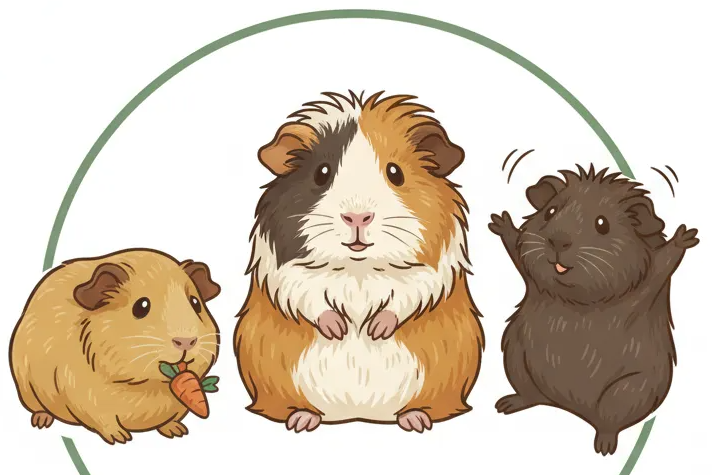
In this guide, I’ll walk you through the ideal depth for different bedding types, how to layer for maximum comfort and odor control, and my top material recommendations for safety and burrowing fun. I’ve fine-tuned this system through years of caring for my own trio: gentle Pepper, graceful Clover, and clever Biscuit.
Why Guinea Pig Bedding Depth Is Vital for Well-being
Getting the bedding depth right transforms your guinea pig’s habitat from a simple enclosure into a nurturing home. Proper bedding depth directly supports their instinctual behaviors, like burrowing and nesting, which reduces stress and promotes natural activity. I’ve seen my own guinea pigs, Pepper and Clover, visibly relax when their bedding is deep enough to snuggle into.
Inadequate bedding can lead to discomfort and health issues. Thin layers fail to absorb urine effectively, increasing ammonia levels and raising the risk of respiratory infections. My pig Biscuit once developed a mild sniffle when I skimped on bedding, a clear reminder of its importance.
Sufficient depth also protects their delicate feet. Guinea pigs are prone to bumblefoot, a painful condition often worsened by hard, damp surfaces. A plush, deep layer acts as a cushion, keeping their paws dry and supported throughout the day.
Recommended Substrate Depth for Every Life Stage
Each stage of a guinea pig’s life demands tailored bedding care. Adjusting depth based on age and health ensures your pet remains comfortable, active, and secure in their environment. I tweak the setup for my trio regularly, especially as Biscuit grows from a shy youngster into a curious adult. Expect each stage of their life and plan for changing needs. Doing so helps preempt issues and keeps the bedding aligned with growth.
Bedding Guidelines for Young Guinea Pigs
Young guinea pigs, under six months old, are energetic yet fragile. Provide at least 3 inches of soft, dust-free bedding to cushion their playful leaps and protect developing joints. I use paper-based bedding for my youngest, Biscuit, as it’s gentle on his skin and easy to dig through. Between paper, wood, and fleece, the best option depends on your pig’s sensitivities and your cleanup routine. For Biscuit, paper works best. Fleece can work too if you’re prepared to wash it regularly, while wood shavings are often dusty and irritating.
Monitor bedding closely during this stage. Young pigs may nibble bedding out of curiosity, so choose non-toxic materials and check for any ingestion signs. Spot-clean daily to maintain a hygienic space for their rapid growth.
Ideal Litter Depth for Adult Guinea Pigs
Adult guinea pigs, like Pepper and Clover, thrive with deeper bedding to satisfy their natural instincts. Aim for 4 to 6 inches of substrate to allow burrowing, which mimics their wild behavior and provides mental stimulation. I’ve watched Clover create little tunnels in her fleece-lined area, clearly enjoying the extra depth.
Deeper bedding also supports urinary health. Adults produce more waste, so ample depth absorbs moisture better, keeping the surface dry and reducing odor buildup. Combine absorbent layers with weekly full changes for optimal cleanliness.
Special Bedding Considerations for Medical Recovery
During recovery from illness or surgery, bedding depth becomes a critical part of healing. Increase depth to 5-7 inches using ultra-soft materials like fleece or shredded paper to minimize pressure on wounds and joints. When Pepper had a minor leg strain, I padded his corner extra thickly, and he rested much more comfortably.
Focus on hygiene and ease of movement. Change bedding more frequently to prevent infections, and avoid rough substrates that could irritate sensitive skin. Being aware of common bedding mistakes that harm your guinea pig’s health can help you prevent problems. Avoid cedar or pine shavings and damp, dirty bedding. Always consult your vet for specific advice tailored to your pig’s condition.
How Bedding Materials Change Depth Requirements
Not all bedding is created equal, and the type you choose directly impacts how much you need to use. Selecting the right bedding and depth is your first line of defense for a clean and healthy habitat.
Paper Bedding Depth and Absorption
Paper bedding is a popular choice for its softness and high absorbency. I’ve found it works wonderfully for my guinea pig, Biscuit, who appreciates a plush surface. For paper bedding to be effective, you need a minimum depth of 2-3 inches.
- Less than 2 inches allows moisture to quickly reach the cage floor.
- Aim for 3+ inches in high-traffic areas like under water bottles.
- Fluff the bedding daily to maintain its loft and absorption.
Proper depth ensures the bedding soaks up urine effectively, keeping the surface dry for your pet’s delicate feet.
Fleece Bedding Setup and Layering
Fleece is a reusable favorite, but it requires a specific setup to work properly. For my guinea pigs, Pepper and Clover, I use a three-layer system.
- Start with a waterproof layer on the cage bottom.
- Add a highly absorbent middle layer, like u-haul pads or towels.
- Top it with a sewn-on fleece layer that wicks moisture downward.
The entire “depth” of a fleece system is about function, creating a dry top layer while trapping moisture below. You must spot-clean it twice daily and change the whole setup every 3-4 days.
Wood Shaving Depth and Safety
Wood shavings can be a good option, but safety is paramount. You must use a generous layer to be effective and choose the right wood type.
- Aspen shavings are safe; cedar and pine are toxic and must be avoided.
- Apply a deep layer of 3-4 inches for proper absorption and burrowing.
- Shallow layers compress quickly and lose their odor-control properties.
A deep bed of safe wood shavings provides excellent enrichment, allowing your guinea pig to exhibit natural foraging and tunneling behaviors, which are especially important in multi-level cages where space can be limited.
Using Hay as Bedding Versus Food
Hay is essential for a guinea pig’s diet, but its role as bedding is different. I always provide a large pile of fresh hay in a rack for my herd to eat, but I also use it strategically elsewhere. That’s why I look for the best hay racks and bedding solutions for guinea pigs to combine feeding with comfortable living. A well-chosen rack keeps hay clean and accessible, while smart bedding minimizes waste and mess.
- Hay alone is not absorbent enough to be a primary bedding.
- Layer a generous amount of hay on top of your main bedding for nesting and munching.
- This encourages natural grazing behavior throughout the day.
Think of hay as a supplemental comfort layer and a constant food source, not the main absorbent base of your cage.
Creating the Perfect Guinea Pig Habitat Flooring
Your guinea pig’s entire world is the floor of their cage, so getting it right is non-negotiable. A well-planned habitat floor supports their physical health and mental well-being every single day. To create a safe, fun floor-time environment for your guinea pig, include controlled activities and soft, non-slip surfaces on the floor. Simple additions like ramps, chew-safe toys, and cushioned mats help keep floor time engaging and safe.
I like to create zones within the cage. When I build the setup, I aim for a perfect guinea pig cage. One area has deeper bedding for burrowing, while another has a flat fleece surface for easy running. This variety keeps my guinea pigs engaged and comfortable.
| Material | Ideal Depth | Best For |
|---|---|---|
| Paper Bedding | 2-3+ inches | High absorbency, softness |
| Fleece System | Layered (see above) | Reusability, cost-effectiveness |
| Aspen Wood Shavings | 3-4 inches | Odor control, natural behavior |
No matter what you choose, the goal is a dry, soft, and stimulating surface. Your diligence in maintaining this environment is one of the greatest acts of care you can provide for your small companion.
Bedding Depth’s Role in Odor and Moisture Control
Getting the bedding depth right is your secret weapon against stinky cages and damp floors. I learned this the hard way after my guinea pig Biscuit developed a minor respiratory issue from ammonia buildup in a cage with shallow bedding. Guinea pigs produce a surprising amount of urine, and that liquid needs somewhere to go.
A deep layer of bedding acts like a giant, absorbent sponge. It soaks up moisture, pulling it away from the surface where your pets walk and sleep. This keeps their delicate feet dry and prevents painful conditions like bumblefoot. Keeping their environment dry is the single most effective way to prevent odor and protect their health.
When urine pools on a shallow, hard surface, it starts to release ammonia gas almost immediately. This gas is harsh on their sensitive respiratory systems. A deep bed allows the liquid to be absorbed and partially dry within the lower layers, significantly slowing this process. You’ll notice the cage stays fresher for longer, making your cleaning routine much more manageable.
How Deep Bedding Manages Moisture
- Surface Evaporation: The top layer stays drier, allowing moisture from the lower layers to evaporate slowly over time.
- Liquid Locking: High-absorbency materials like paper bedding pull liquid down and trap it, away from your pets.
- Ammonia Reduction: By containing and slowing the breakdown of urine, deep bedding drastically cuts down on that sharp ammonia smell.
Safe Bedding Materials Versus What to Avoid
Choosing the right material is just as critical as the depth you use. My rule of thumb is simple: if it creates dust, has a strong scent, or feels sharp, it doesn’t belong in my guinea pigs’ home. Their respiratory systems are incredibly delicate, and their feet are soft and vulnerable.
Over the years with Pepper, Clover, and Biscuit, I’ve tested nearly every bedding on the market. Their health and comfort always guide my final choice.
Safe and Recommended Bedding Choices
- Paper-Based Bedding: This is my top pick. It’s highly absorbent, soft on feet, and virtually dust-free. Look for unbleached, unscented varieties.
- Aspen Wood Shavings: A good, safe wood option. Avoid cedar and pine, aspen is kiln-dried and doesn’t contain the harmful phenols found in other woods.
- Fleece Liners: A reusable option that’s soft and cozy. You must use an absorbent layer underneath, like u-haul padding or towels, and spot-clean daily.
- Hemp Bedding: An excellent, sustainable choice that is super absorbent and has natural odor-control properties.
Bedding Materials to Strictly Avoid
- Cedar and Pine Shavings (untreated): The aromatic oils in these woods are toxic and can cause severe liver and respiratory damage.
- Cat Litter or Clumping Bedding: If ingested, this can cause fatal intestinal blockages. The dust is also a major irritant.
- Scented Beddings: Artificial fragrances are respiratory irritants and can overwhelm a guinea pig’s sensitive nose.
- Straw or Hay as Primary Bedding: While hay is their main food, it’s not absorbent and can be prickly, poking their eyes and skin.
- Newspaper Alone: The ink can be toxic, and it lacks absorbency, becoming soggy and smelly very quickly.
Troubleshooting Common Bedding Depth Issues
Even with the best intentions, bedding depth problems can pop up. I’ve learned that a simple adjustment often solves what seems like a big headache. Let’s tackle the most frequent challenges together.
Dealing with Persistent Odor
If you’re noticing a smell quickly after cleaning, your bedding might be too shallow. Insufficient depth allows urine to soak through to the plastic base, where it concentrates and creates a powerful ammonia smell. My guinea pig Biscuit’s cage taught me this; a simple boost from 2 to 3.5 inches made a world of difference.
- Increase the overall bedding depth by at least an inch.
- Spot-clean soiled areas twice daily, removing wet patches and droppings.
- Ensure the room is well-ventilated to help disperse any lingering odors.
Addressing Damp Spots and Mold
Finding damp corners or, worse, a hint of mold is a serious red flag. This usually happens when bedding is both too shallow and not stirred regularly, preventing proper airflow and drying. I make it a habit to fluff Clover’s bedding every time I give her fresh veggies.
- Fluff and turn over the top layer of bedding daily to help it dry evenly.
- Immediately remove any visibly wet or clumped sections.
- If mold appears, do a full, immediate cage clean with a vinegar-water solution.
Preventing Bedding from Being Kicked Out
Guinea pigs are natural diggers and foragers, so some bedding on the floor is normal. A significant amount flying out, however, often means your cage walls are too low for the bedding depth you’re using. My solution for Pepper’s cage was to add simple, clear plastic coroplast walls a few inches high.
- Use a cage with higher sides or attach DIY coroplast panels.
- Provide a designated digging box filled with hay to satisfy that natural instinct.
- Ensure your piggies have enough space; a cramped cage encourages more frantic digging.
Cleaning Routine Adjustments for Different Bedding Depths

Your cleaning schedule should be a direct partner to your chosen bedding depth. A deeper bed doesn’t mean less work, it just means a different kind of work. This shift in mindset keeps your piggies healthier and your home fresher.
Shallow Bedding (Under 2 inches)
This setup requires a very hands-on, frequent approach. With less material to absorb waste, ammonia builds up rapidly, demanding daily attention. I only use this depth in a small, temporary hospital cage, never for long-term housing.
- Daily: Perform a complete spot-clean. Remove all visible droppings and wet patches.
- Every 2-3 Days: Do a full cage clean. Replace all bedding and wash the base thoroughly.
Medium Bedding (2-4 inches)
This is the most common and manageable depth for many owners. It offers a good balance between absorption capacity and material cost. This is what I use for my trio, and it keeps their environment stable.
- Daily: Spot-clean high-traffic areas like under hideys and near food bowls.
- Weekly: Perform a full, deep clean. Remove all bedding, scrub the cage with pet-safe cleaner, and add fresh material.
Deep Bedding (4+ inches)
A deep bedding method, sometimes called the “deep litter” method, changes the cleaning dynamic. The goal is to let the bottom layers compost slowly while you maintain the top layer. It requires more bedding upfront but can extend time between full cleans.
- Daily: Stir the top layer of bedding to incorporate droppings and promote drying. Remove any obviously soaked areas.
- Bi-Weekly or Monthly: Do a full clean-out. You will likely find the bottom layers are dry and intact, while the top few inches have done all the work.
FAQs
Is there a maximum depth for guinea pig bedding?
While deeper bedding is generally better, excessively deep layers over 8 inches can make it difficult for guinea pigs to move around and might trap too much moisture. Aim for a balance that allows natural burrowing without hindering mobility. Understanding guinea pig nesting behavior and bedding needs helps you tailor the setup to their comfort and activity patterns. This awareness guides choosing the right depth, materials, and maintenance to support healthy nesting habits.
How do I know if the bedding depth is correct for my guinea pig?
Observe your guinea pig’s behavior; if they are burrowing comfortably and the surface stays dry between cleanings, the depth is likely sufficient. Signs of insufficient depth include damp floors, strong odors, or reluctance to explore the cage.
Can bedding depth affect how often I need to clean the cage?
Yes, proper bedding depth can extend the time between full cleanings by better absorbing waste and controlling odor. However, spot-cleaning should still be done daily to maintain hygiene and prevent ammonia buildup.
What should I do if my guinea pig refuses to use deep bedding areas?
Gradually increase the depth in one area and add favorite hides or treats to encourage exploration. Ensure the bedding material is soft and non-irritating to make it inviting for your pet.
Does bedding depth need to be consistent throughout the cage?
It’s beneficial to have varying depths to cater to different activities, such as deeper areas for burrowing and shallower spots for eating. This mimics their natural environment and provides enrichment without compromising comfort.
Your Guinea Pig’s Comfort Starts Here
From my time with Pepper, Clover, and Biscuit, I’ve learned that a bedding depth of 2-3 inches lets guinea pigs burrow naturally and stay clean. Keeping this depth consistent helps avoid sores and keeps their space dry and cozy for daily activities. This is all part of properly caring for guinea pigs. A clean, comfortable habitat also means regular cage cleaning, fresh hay, and clean water to keep them healthy and happy.
Always strive to learn more about guinea pig care and choose eco-friendly bedding options to reduce waste. Responsible ownership means making small, sustainable changes that benefit both your pets and the environment they live in. In our guinea pig bedding guide, you’ll find practical, vet-approved recommendations. It also explains what to avoid and how to maintain a clean, safe habitat.
Further Reading & Sources
- Guinea pig housing requirements and bedding options | Humane World for Animals
- Best Bedding for Guinea Pigs: Top 6 Choices That Are Safe & Comfortable
- The Best Bedding for Guinea Pigs (2024 Update!) | GuineaDad
- Bedding Options for Guinea Pigs – HAYPIGS
Kate is a passionate guinea pig owner and advocate for small pet welfare. With over a decade of experience caring for guinea pigs, she has become a trusted voice in the small pet community.
Uncategorized