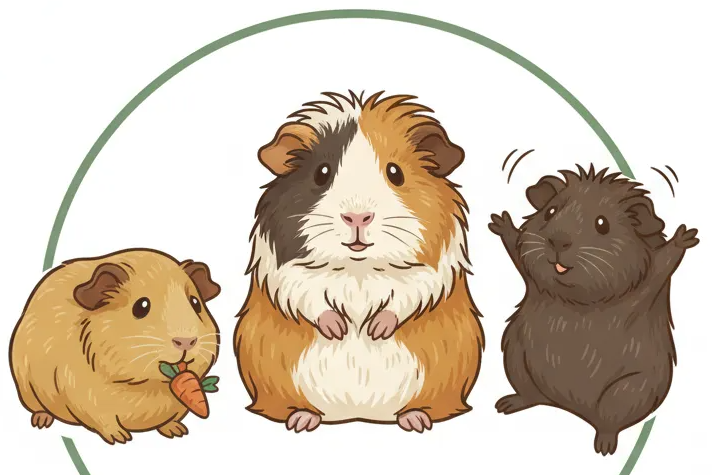
Do Guinea Pigs Need a Hideout? Understanding Hiding Behavior & Needs
Hello CavyFam, have you ever watched your guinea pig dart into a cozy corner and wondered if that’s normal behavior? You’re not alone in feeling a bit anxious about whether they’re stressed or simply following their instincts.
In this article, we’ll explore key areas to give you peace of mind, covering: why guinea pigs hide, types of ideal hideouts, and how to set up a safe space. With years of hands-on experience caring for guinea pigs like gentle Pepper and graceful Clover, I’ve learned what truly makes them feel secure.
Why Guinea Pigs Need Hideouts
Natural Instincts and Safety
In the wild, guinea pigs are prey animals, constantly watching for predators. This instinct doesn’t vanish in a cozy home. Providing a hideout directly supports their fundamental need for a secure space where they can feel instantly protected. My guinea pig, Biscuit, often dashes into her hut at the slightest unfamiliar sound, demonstrating this deep-rooted behavior perfectly.
Without a dedicated spot to retreat, they can feel exposed and vulnerable. A simple cardboard box or a commercial hide gives them control over their environment, allowing them to choose when to be visible. This autonomy is crucial for their mental well-being and helps them feel truly at home.
Stress Reduction Through Shelter
A hideout is more than just a physical object; it’s a sanctuary. Access to a quiet, dark space significantly lowers cortisol levels, the primary stress hormone in guinea pigs. I’ve noticed my more reserved pig, Clover, spends more time out and about exploring when she knows her favorite fleece forest is just a few steps away.
This reduction in anxiety has a direct impact on their overall health. Less stress means a stronger immune system and a lower risk of stress-related illnesses, which is a huge relief for any pet owner. Think of their hideaway as their personal “do not disturb” zone for recharging.
Understanding Hiding Behavior in Guinea Pigs
Signs of Healthy Hiding
It’s completely normal for your guinea pig to spend time in their hideout. Healthy hiding is often temporary and situational, like taking a nap, enjoying a quiet chew, or simply observing the room from a safe vantage point. To help make your new guinea pig feel safe and acclimated, keep their space quiet and predictable. Spend calm, gentle moments nearby so they learn your presence means safety. My steady pig, Pepper, often sits in his hut with his head poking out, contentedly watching household activities.
Look for these positive signs associated with hiding:
- They emerge readily for food, especially fresh veggies.
- You hear gentle, happy wheeking or rumbling from inside the hide.
- They pop in and out frequently, using it as a base for exploration.
- Their body language is relaxed, not tense or frozen.
A guinea pig that uses its hideout as a comfortable home base, not a permanent prison, is displaying perfectly natural and healthy behavior. Guinea pigs are territorial animals, and understanding territory marking behaviors can help you interpret their actions better.
When Hiding Indicates Stress
While hiding is normal, constant or frantic hiding can be a red flag. If your guinea pig refuses to leave their hideout even for favorite treats or remains huddled and silent for hours, it’s time to investigate. This was a sign I noticed with Biscuit when she first joined our family and needed extra time to adjust. If you’re wondering why your guinea pig won’t come out of their hidey, it can be fear, illness, or simply needing more time to adjust. In any case, providing a calm, safe space and monitoring for signs of discomfort can help you figure out what changes are needed.
Be concerned if you observe these behaviors:
- Hissing, teeth chattering, or prolonged freezing while inside the hide.
- Consistently fleeing and hiding at the mere sight of you.
- A noticeable decrease in eating, drinking, or general activity levels.
- Hiding immediately after interactions with cage mates, which could signal bullying.
Sudden, prolonged hiding is often their only way to tell you that something in their environment is causing them fear or discomfort. Addressing the root cause, like loud noises or an intimidating new object, is essential for their happiness.
Types of Hideouts Guinea Pigs Love
My guinea pigs, Pepper, Clover, and Biscuit, each have distinct preferences, which taught me that variety is key. Offering different hideout styles caters to their unique personalities and prevents competition.
Popular Hideout Shapes and Sizes
Guinea pigs appreciate options that make them feel completely concealed.
- Tunnels: Long, tubular hideouts allow for running through and hiding inside. My Abyssinian, Clover, loves dashing through her fleece tunnel.
- Igloos and Domes: These enclosed plastic huts provide a 360-degree sense of security. My steady Pepper spends most of his nap time in his.
- Multi-Exit Hideys: Hideouts with two or more openings prevent a pig from feeling trapped. This is perfect for my intelligent but reserved Biscuit.
- Flat-roofed Hideouts: Many guinea pigs love climbing. A hideout with a flat top doubles as a lookout perch and a cozy cave.
Materials for Safe Hideouts
The material of a hideout impacts its safety, durability, and how easy it is to clean.
- Untreated Wood: Wood is natural and great for chewing, which helps maintain dental health. I always check for untreated, pet-safe woods like kiln-dried pine.
- Ceramic: Ceramic hideouts stay cool in summer and are too heavy to tip over. They are my go-to for a stable, easy-to-wipe-clean option.
- Fleece and Fabric: Fabric tunnels and “cuddle cups” are soft and cozy. I machine-wash my fleece items weekly to ensure they stay fresh and hygienic.
- Plastic: Durable and easy to clean, but always choose sturdy plastic that won’t crack into sharp pieces. Inspect plastic hideouts regularly for any bite marks or damage.
Choosing and Placing Hideouts in the Cage
Simply owning a hideout isn’t enough; its selection and placement are what make it a true sanctuary.
Ensuring Proper Fit and Safety
A poorly chosen hideout can be worse than having none at all.
- Check the Entrance: The opening must be large enough for your fully grown guinea pig to enter and exit without scraping their sides. A tight squeeze causes stress.
- Assess the Interior: The hideout should be spacious enough for your pig to turn around comfortably inside. Cramped spaces feel like traps.
- Look for Smooth Edges: Run your hand over all surfaces, inside and out. Any rough spots, sharp plastic seams, or splinters can cause serious injury.
- Avoid Small, Chewable Parts: Steer clear of hideouts with glued-on eyes, small bells, or weak plastic connectors that could be swallowed.
Arranging Multiple Hideouts
In a multi-pig home like mine, strategic placement prevents squabbles and encourages natural behavior.
- Place Hideouts Apart: Don’t cluster all the hideouts in one corner. Spread them out to create different “zones” in the cage, which reduces territorial disputes.
- Mix and Match Types: I keep a ceramic dome in one corner, a wooden hut in another, and a fleece tunnel running between them. This gives each pig a choice based on their mood.
- Face Entrances Outward: Position hideouts so the entrances face the open cage or different directions. This allows a guinea pig to keep an eye on their surroundings while feeling safe.
- Ensure Clear Pathways: Leave ample room for your pigs to run and “popcorn” around the hideouts. A cluttered cage can be stressful and hinder exercise.
DIY Hideout Ideas for Your Guinea Pig
Quick and Simple DIY Projects
Using Safe Household Items
You don’t need a big budget to give your guinea pig a cozy retreat. I’ve made many hideouts for Pepper, Clover, and Biscuit using things I already had at home. Repurposing household items is a fantastic way to enrich their environment without spending a dime. You can save money on guinea pig supplies without compromising quality by choosing safe, durable materials and cleaning them regularly. Smart shopping and DIY fixes help you stretch your budget while keeping Pepper, Clover, and Biscuit healthy.
Start with a simple cardboard box. A small shipping box or even a tissue box with the plastic film removed works perfectly. My guinea pig, Biscuit, loves the privacy of a plain brown box. Just ensure there are no staples, tape, or glossy printed surfaces that they could chew on and ingest.
Paper bags are another winner. Simply cut off the handles and flatten one side to create a low-profile tunnel. Clover, my graceful Abyssinian, enjoys pushing these around her cage. This type of hideout provides security while also encouraging gentle, playful exploration.
- Untreated wicker baskets placed on their side.
- A clean, hard plastic food container with a door cut into it.
- An old, thick cotton sweater folded into a cave-like shape in a corner.
- PVC pipes with wide diameters, thoroughly cleaned and dried.
When to Worry About Hiding Behavior
Monitoring for Changes
While hiding is natural, a sudden change in this behavior is your biggest clue that something might be wrong. I learned this when my usually steady guinea pig, Pepper, started hiding more than usual and it turned out he had a minor tooth issue. A drastic increase in hiding can signal pain, illness, or extreme stress.
Pay close attention to the context of their hiding. It’s normal for them to nap in their hut or dart inside when you approach the cage. You should become concerned if they refuse to come out even for their favorite veggies or if they seem to be hiding to sleep all day long. Healthy guinea pigs are crepuscular, meaning they are most active during dawn and dusk, so a complete lack of activity during those times is a red flag.
Observe their behavior when they are out of the hideout. Look for signs like lethargy, squinted eyes, ruffled fur, or a lack of appetite. Combining hiding with any other unusual physical or behavioral symptom means it’s time for a vet visit.
- Track their daily routine for a week to establish a normal baseline.
- Note any new environmental stressors, like loud noises or a new pet in the house.
- Check if a dominant cage mate is blocking access to food or water, causing the other to hide.
- Listen for persistent, unhappy-sounding wheeking or teeth chattering from inside the hideout.
FAQs
What is the best hideout for two guinea pigs?
Select hideouts with multiple entrances to prevent one guinea pig from blocking the exit and causing stress. Providing at least two separate hideouts ensures each guinea pig has a personal safe space to reduce competition. These layout tips are part of the best cage setup for new guinea pig beginners guide. Following them helps first-time owners create a stress-free, comfortable home for their new pets.
Where can I find guinea pig hideouts near me?
Visit local pet stores or specialty small animal shops for a variety of hideout options in your area. You can also check online platforms like Facebook Marketplace or Craigslist for used or handmade hideouts from local sellers.
Why should I consider a large hideout for my guinea pig?
A large hideout offers enough room for your guinea pig to turn around comfortably and stretch out fully. It can also accommodate multiple pigs if needed, promoting social interaction without feeling cramped. To ensure you meet the full space requirements, check our complete space requirements guide on cage size. It explains how much room each guinea pig needs and how to set up enrichment.
Are there good guinea pig hideouts available on Amazon?
Yes, Amazon has a wide selection of guinea pig hideouts, including highly rated plastic igloos and fleece tunnels. Always read product reviews and check dimensions to ensure the hideout is safe and suitable for your pet’s size. In a guinea pig escape-from-the-cage safety guide, choose hideouts that are sturdy and non-climbable to reduce escape risk.
What are the benefits of a hideout with a ramp for guinea pigs?
A hideout with a ramp encourages physical activity and climbing, which helps keep your guinea pig mentally stimulated. It often includes elevated areas that serve as additional hiding spots or lookout perches for added security. When introducing ramps, follow a ramp safety guide to ensure secure, non-slip surfaces and gradual slopes. Always supervise your guinea pig as they explore ramps and acclimate them slowly to prevent falls.
Your Guinea Pig’s Safe Space: A Quick Recap
Providing a hideout is non-negotiable for your guinea pig’s mental and physical health, as it mimics their natural instinct to seek shelter from perceived threats. From watching my guinea pigs Pepper, Clover, and Biscuit, I always ensure each has their own cozy spot to retreat to when they feel overwhelmed. Choose hideouts made from safe, chewable materials and place them in quiet areas of the habitat to support their need for security. Be aware there are 7 dangerous myths about guinea pig housing cages that can lead you to undervalue hides and proper enclosure size. Ignoring these myths can compromise your pig’s security and well-being.
Responsible pet ownership means continually educating yourself on best practices, like selecting eco-friendly bedding or upcycled hideouts to minimize environmental impact. Advocating for animal welfare starts with small, mindful choices that keep your pets healthy and our planet greener for all creatures. Stay curious and open to new ideas that enhance your guinea pigs’ quality of life while protecting their world.
Further Reading & Sources
- Hiding – Best hidey recommendations? – Guinea Pig Cages
- Dominance – Hideouts for to males (and don’t want one to get trapped)
- Rat Plush Handmade Crochet Guinea Pig Bed & Tunnel
- r/guineapigs on Reddit: Hideout Recommendations
Kate is a passionate guinea pig owner and advocate for small pet welfare. With over a decade of experience caring for guinea pigs, she has become a trusted voice in the small pet community.
Uncategorized