Your Guinea Pig’s Hidey Hole: Understanding Their Safe Space
Published on: March 17, 2026 | Last Updated: March 17, 2026
Written By: Kate M. Callahan
Hello CavyFam! You’ve noticed your guinea pig is spending a lot of time tucked away in its hidey, and you’re wondering if something is wrong. It’s natural to worry when your furry friend seems to be hiding from you.
We’ll explore natural instincts, health red flags, and how to build trust to help your piggy feel more secure.
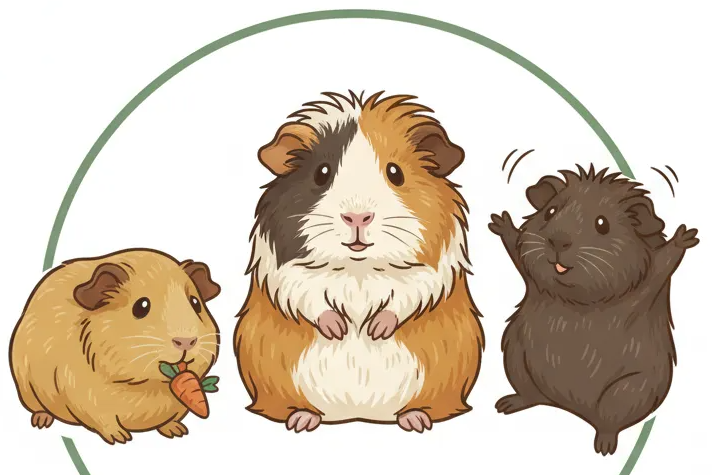
I’ve learned this firsthand caring for my own trio of guinea pigs, each with their unique personalities.
Understanding Your Guinea Pig’s Natural Instincts
Guinea pigs are prey animals, hardwired to seek safety from perceived threats. Their primary survival strategy is to hide first and ask questions later. In the wild, a cavy’s life depends on staying out of sight from predators, and this instinct remains strong in our homes.
- Normal hiding includes retreating during loud noises, when new people are around, or for long daytime naps.
- Concerning patterns involve hiding for entire days, refusing to come out even for favorite veggies, or showing panic when you’re simply sitting quietly nearby.
I’ve spent countless hours just watching my trio. My guinea pig, Clover, will often pop her head out, assess the room for a full minute, and then gracefully emerge only when she’s certain the coast is clear. This is her normal, cautious routine, not a sign of trouble.
Common Reasons for Excessive Hiding
- Fear, stress, and anxiety from triggers like vacuum cleaners, shouting, or even a new piece of furniture in the room can send them into a prolonged hide.
- Illness, pain, or general discomfort often causes a piggy to retreat. A hiding guinea pig might be trying to cope with a urinary tract infection, dental issues, or general malaise away from prying eyes.
- Environmental factors are huge. A drafty window, a room that’s too cold, or even overly bright, direct lighting can make their hidey feel like the only comfortable spot.
- Territorial disputes with cage mates can lead to one pig being bullied or intimidated into staying hidden to avoid conflict.
Spotting Signs of Stress and Discomfort
Look for these subtle clues that your piggy is more than just shy. A stressed guinea pig communicates its unease through its body and behavior, if you know what to watch for.
- Physical signs include a puffed-up coat, wide and staring eyes, and freezing in place for long periods.
- Behavioral signs involve hiding more than usual, a reluctance to be handled, and teeth chattering.
- Changes in eating and drinking are major red flags. A hiding piggy that also stops eating needs immediate attention.
- Listen for vocalization changes. A normally chatty pig that falls silent, or a quiet one that starts frequently squealing in fear, is telling you something is wrong.
My best tip is to practice quiet observation. Sit near the cage without making direct eye contact, perhaps while reading, and just watch their natural rhythms for 15 minutes. You’ll learn what’s normal for your pet and what signals a deeper problem.
When Hiding Signals a Health Problem
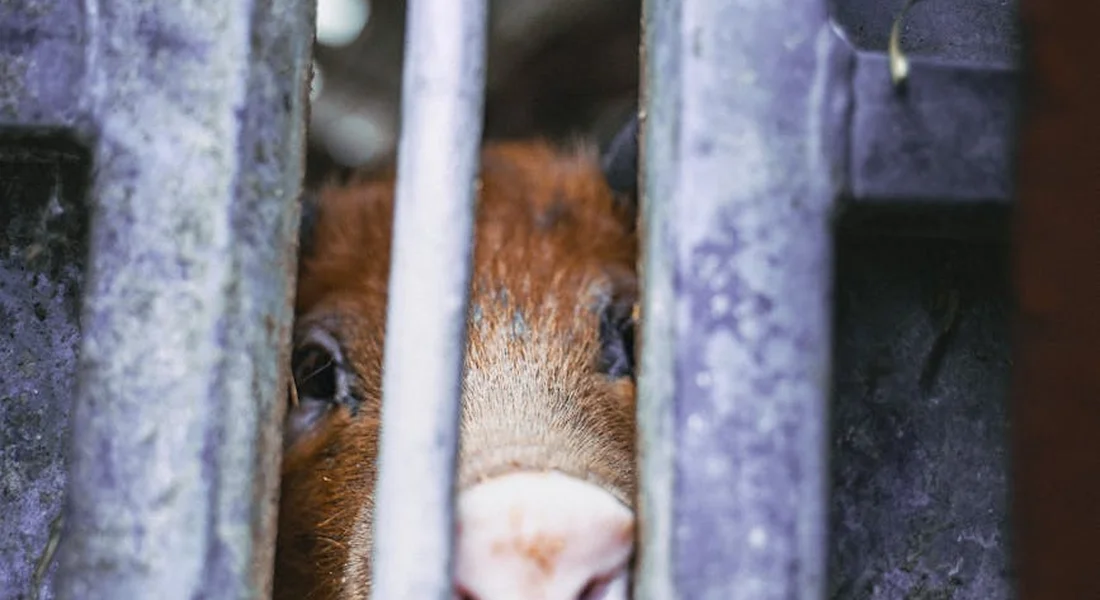
- Watch for symptoms like weight loss, labored breathing, or discharge-these demand a vet check right away. I learned this when my guinea pig Clover, normally graceful, started hiding and lost her appetite, signaling a hidden issue.
- Prolonged hiding often masks pain or illness because guinea pigs hide weakness instinctively as prey animals. This behavior can delay diagnosis, making early signs easy to miss if you’re not vigilant.
- Prompt veterinary care is essential to prevent conditions from worsening. From my experience with Pepper, acting fast saved her from a respiratory infection that started with extra hiding.
Creating a Safe and Inviting Enclosure
- Proper hidey placement involves putting them in quiet corners away from high-traffic areas to reduce stress. Variety in locations helps your guinea pig feel secure without feeling trapped.
- Ideal hideout types include fleece for softness, plastic for easy cleaning, wooden for natural chewing, and designs with ramps for accessibility. My guinea pig Biscuit, who’s reserved, adores his fleece hideout because it feels cozy and safe.
- DIY hideout ideas enrich their space-try cardboard boxes with cut-out doors or fleece-lined tunnels. These simple projects encourage exploration and mimic natural burrowing behaviors.
- Multiple hideouts and two-entrance designs reduce competition and provide escape routes. This setup prevents territorial disputes, which I’ve seen keep my herd of three much happier.
Optimizing Your Cavy’s Environment
- Steps to reduce noise include placing the cage away from TVs and using soft background sounds. Control temperature by keeping it between 65-75°F to avoid stress from heat or cold.
- Establish a predictable daily routine with consistent feeding and playtimes. This predictability helps guinea pigs like Clover feel more secure and less likely to hide excessively.
- Advocate for spacious cage setups to prevent territorial stress-aim for at least 7.5 square feet per guinea pig. Larger spaces reduce crowding and encourage natural behaviors, which I’ve found essential for my active trio.
Building Trust and Encouraging Exploration
When your guinea pig stays hidden, it often signals a need for deeper trust. I’ve found that consistent, gentle efforts can transform even the shyest cavy into a curious explorer. With my own herd—Pepper, Clover, and Biscuit—I’ve seen how small steps build big confidence over time. This is all about overcoming shyness, step by step, to help timid guinea pigs become more confident explorers. By following a gradual, patient approach, you’ll help them trust you—and themselves.
- Use high-value treats to build positive associations.
- Practice gentle, consistent handling techniques.
- Incorporate short, positive training sessions.
- Increase daily interaction time gradually.
Start by offering special snacks like fresh cilantro or bell pepper pieces near the hidey entrance. High-value treats create positive links between coming out and something delightful. My gentle Pepper, for instance, will cautiously emerge for a slice of carrot, his golden-brown fur twitching with interest.
Handle your guinea pig with slow, predictable movements to avoid startling them. Always support their entire body when lifting to make them feel secure. I make it a habit to cup both hands under Clover, my graceful Abyssinian, and she now relaxes into my hold after weeks of practice.
Keep training sessions brief and fun, focusing on simple actions like nudging a ball for a reward. Short bursts of positive reinforcement prevent overwhelm and keep engagement high. Biscuit, though reserved, learned to follow my finger for a parsley leaf in just a few days.
Extend your daily play or cuddle time by a minute or two each week. Gradual increases help your pet adjust without feeling pressured. I started with five-minute sessions for Biscuit and now enjoy fifteen minutes of quiet bonding as she sniffs around confidently.
Enrichment Ideas to Boost Confidence
Enrichment turns a safe space into an exciting one, reducing the urge to hide. Adding variety to their environment encourages natural behaviors and builds self-assurance. If you’re looking for boredom busters, here are 20 safe, engaging enrichment ideas for guinea pigs. These ideas keep daily play fresh and engaging. I rotate toys and activities weekly to keep my guinea pigs mentally sharp and happy.
- Suggest safe toys and foraging activities.
- Recommend creating a stimulating play area outside the enclosure.
- Share my experience with introducing new enrichment items slowly.
Introduce chew-safe items like willow balls or paper tunnels to satisfy their gnawing instincts. Foraging mats or treat-dispensing toys mimic wild feeding habits and reduce boredom. I scatter hay with hidden veggie bits for Clover, and her thoughtful nature shines as she diligently searches every strand.
Set up a secure playpen with fleece blankets, cardboard castles, and low ramps for exploration. A change of scenery outside the cage sparks curiosity and physical activity. My steady Pepper loves investigating new textures in his play zone, which I always supervise to ensure his safety.
When bringing in new items, let your guinea pig investigate at their own pace. Slow introductions prevent fear and help them accept novelty positively. I placed a new wooden hideout near Biscuit’s favorite spot for days before moving it inside, and now she uses it daily without hesitation. This is part of building the set-up for a perfect guinea pig cage. When planning the cage, allocate safe hiding spots and room for gradual introductions so new items can be explored without stress.
FAQs
Where can I find a guinea pig hideout near me?
Check local pet stores or specialty shops that carry small animal supplies for a variety of hideouts. Always choose options that are safe, non-toxic, and appropriately sized to help your guinea pig feel secure without adding stress, considering the size of their cage and overall space requirements.
How do I select a good guinea pig hideout on Amazon?
Look for hideouts with high ratings and reviews that mention safety, easy cleaning, and ample space for your pet. Avoid items with sharp edges or small parts to ensure it encourages exploration rather than prolonged hiding.
Why should I provide multiple hideouts for two guinea pigs?
Multiple hideouts prevent territorial disputes and give each guinea pig a safe space to retreat, reducing stress-induced hiding. This setup encourages natural behavior and helps both pets feel more comfortable and less likely to stay hidden all day. Placement matters too—the 8 cage placement mistakes that affect guinea pig health and happiness show why proper positioning is essential. Avoid common placement mistakes to support their health and happiness.
Keep Learning, Keep Loving Your Guinea Pigs
Remember, your guinea pig’s need for a hidey is a natural instinct for safety, not a rejection of you. Observing their unique personality and providing multiple cozy shelters will help them feel secure enough to explore. In fact, darkness is less scary for a guinea pig as long as they have a safe hidey to retreat to.
Being a great pet owner means continuously learning about your guinea pig’s needs to ensure their happiness and welfare. Every day offers a new chance to strengthen your bond and create a more enriching, comfortable environment for your small friend. This emotional commitment is at the heart of guinea pig ownership. Your ongoing care builds trust and security for your tiny companion.
Further Reading & Sources
- Guinea Pig Beds, Best Guinea Pig Beds | Pets
- r/guineapigs on Reddit: Hideout Recommendations
- Guinea Pig Hideaways | Fun And Games | Guinea Pigs | Guide | Omlet US
- 13 DIY Guinea Pig Hideout Ideas (With Pictures) | Hepper Pet Resources
Kate is a passionate guinea pig owner and advocate for small pet welfare. With over a decade of experience caring for guinea pigs, she has become a trusted voice in the small pet community.
Uncategorized