Where to Put Your Guinea Pig Cage: A Complete Guide
Hello CavyFam! Choosing the perfect spot for your guinea pig’s cage can feel overwhelming. You want them to be happy and healthy, but where do you even start?
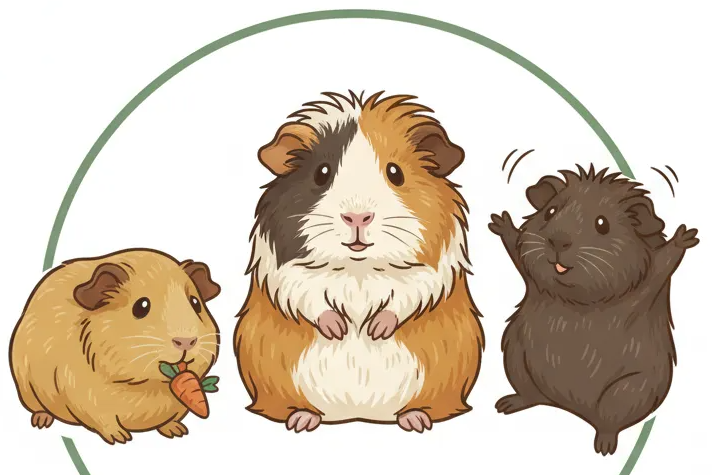
In this guide, I’ll walk you through everything you need to know, covering room selection, temperature, noise levels, drafts, and safety. After living with my three guinea pigs-Pepper, Clover, and Biscuit-I’ve learned what placements work best for their comfort and wellbeing.
Understanding Guinea Pig Needs for Cage Placement
Getting the location right does more than just fill an empty corner; it directly shapes your guinea pig’s daily happiness and long-term health. I’ve seen my own trio-Pepper, Clover, and Biscuit-thrive when their environment is thoughtfully arranged, becoming more vocal and visibly relaxed. A poorly placed cage can lead to stress, which often shows up as hiding, teeth chattering, or a loss of appetite.
These small pets have very specific physical requirements to stay comfortable and avoid illness. Maintaining a steady ambient temperature between 65°F and 75°F is absolutely critical to prevent heatstroke or respiratory issues. Good air circulation is a must, but you must be vigilant about avoiding direct drafts from air conditioners, fans, or leaky windows, which can quickly make a piggy sick.
- Ideal Temperature: 65°F – 75°F (18°C – 24°C)
- Ventilation: A room with fresh air flow, but no direct wind.
- Draft-Free Zone: Keep the cage away from open windows, vents, and exterior doors.
Their social and emotional needs are just as vital. Guinea pigs are crepuscular, meaning they are most active during dawn and dusk, so they need peaceful, uninterrupted sleep during the night. Placing them in a busy hallway taught me this the hard way; the late-night foot traffic made Biscuit especially skittish. They also crave daily interaction and mental stimulation from seeing household activity, but not so much that it becomes overwhelming. They can form strong bonds with caring owners who understand their emotions and respond to their cues with patience. Reading their signals and offering calm, consistent interaction helps them feel secure and loved.
- Interaction Time: Locate the cage where you naturally spend time, encouraging daily chats and handling.
- Bedtime Quiet Hours: Choose a spot that remains dark and quiet overnight to support their natural sleep cycle.
Choosing the Right Room for Your Guinea Pig’s Home
Picking the perfect room is a balancing act between social engagement and peaceful retreat. Living rooms and family rooms often provide the ideal mix of daytime activity for mental enrichment and relative calm in the evening. My pigs love watching our daily life from the safety of their cage in our living area; Pepper in particular wheeks happily when we sit down nearby.
Bedrooms can also be wonderful choices, especially if you’re a light sleeper. The gentle sounds of your guinea pigs rustling hay and drinking water can be quite soothing, and it guarantees they have quiet, dark hours. The key is ensuring your sleep schedule doesn’t disturb their most active morning and evening periods with bright lights or loud alarms.
Some rooms, however, pose real dangers and should be strictly off-limits. Kitchens and laundry rooms are full of hidden hazards, from toxic fumes and sudden temperature swings to the risk of cleaning chemicals contaminating their space. I learned this lesson after nearly placing Clover’s cage in a breakfast nook; I’m so glad I reconsidered after reading about the risks of airborne grease and fumes.
- Kitchens: Fumes from non-stick cookware, cleaning sprays, and food aromas can be harmful.
- Laundry Rooms: Humidity, detergent fumes, and loud, vibrating machines cause immense stress.
- Garages & Basements: Often have poor temperature control, drafts, and isolated locations that limit interaction.
- Direct Sunrooms: Can overheat dangerously fast, even on a mildly sunny day.
Your final decision should also heavily weigh on your own routine. Placing the cage in a room you frequently pass through makes daily spot-cleaning, feeding, and social bonding a seamless part of your day, rather than a chore you have to remember. Easy access means you’re more likely to notice subtle changes in their behavior or health, allowing you to act quickly if something seems amiss.
Safety First: Avoiding Hazards in Cage Placement
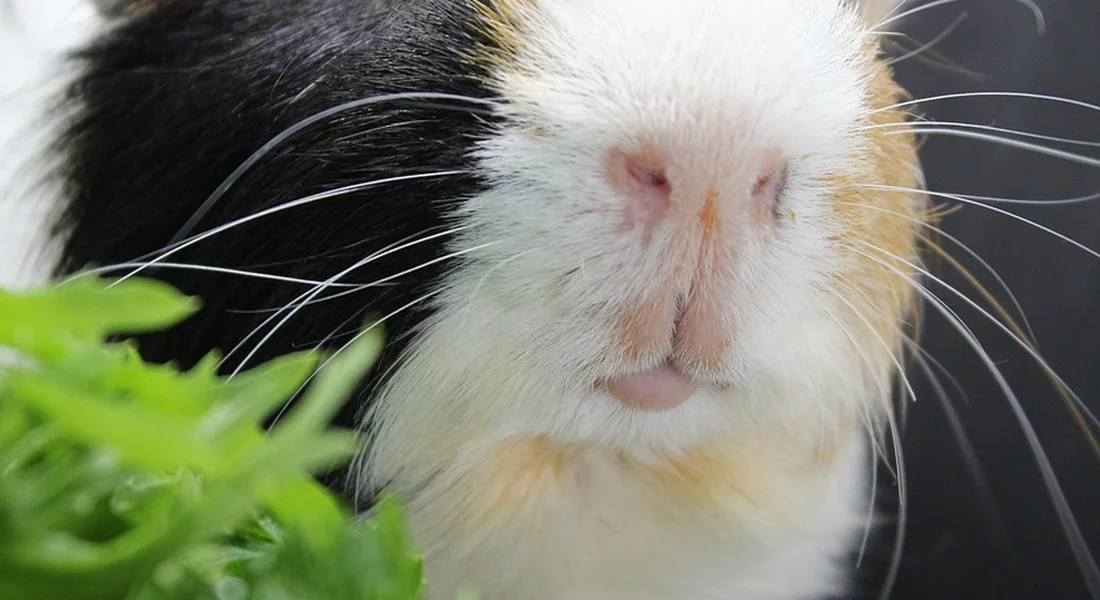
Environmental Dangers to Watch For
Your guinea pig’s health is directly tied to their environment, and even a beautiful spot can hide subtle threats. Direct sunlight can overheat their enclosure in minutes, creating a dangerous situation for an animal that can’t efficiently cool itself. In hot weather, keep their space shaded and breezy to prevent overheating. These summer care tips can help you keep Pepper cool and comfortable. I learned this the hard way when Pepper, my golden brown American, began panting after just twenty minutes in a sunbeam I thought was “cozy.”
Drafts from air conditioning units, open windows, or exterior doors are just as risky. Guinea pigs are susceptible to respiratory illnesses, and a constant cool breeze can quickly lead to a sneezing, lethargic pet. Air quality matters: household scents, cleaners, and scented products can irritate their airways. Choose unscented products and maintain good ventilation to keep the air clean for your pet. Place the cage in a consistently temperate area of your home.
Noise is another invisible stressor. Locations near blaring televisions, loud speakers, or busy hallways can keep your guinea pigs in a constant state of anxiety, suppressing their natural vocalizations and playful behavior. Guinea pigs are sensitive to loud noises and may react by freezing, darting, or squeaking. My three pigs, Clover, Biscuit, and Pepper, are far more active and chatty in their quiet corner.
- Check for electrical cords. Guinea pigs are curious chewers, and exposed wires pose a severe electrocution risk. Run cords through cord protectors or securely behind furniture, well out of reach of any cage bars.
- Ensure distance from other pets. Even a friendly dog or cat can cause immense stress. The cage should be in a location where your guinea pigs feel secure, not like they are constantly being watched by a potential predator.
Household Safety Tips
Beyond the environment, your home itself presents unique challenges. Preventing chewing hazards means being vigilant about anything your guinea pig can reach through the cage bars, from baseboard trim to furniture legs. I once found Biscuit, my reserved Peruvian, intently gnawing on a baseboard; I now use a simple, pet-safe bitter apple spray on the surrounding wood as a deterrent.
A stable, level surface is non-negotiable for both safety and comfort. An unsteady cage can rock when your pets move, frightening them and potentially leading to a collapse. I use a low, wide IKEA Kallax unit as a stand, which provides a perfectly level and incredibly sturdy base that also offers storage underneath.
Securing loose cables and ensuring the cage itself is assembled correctly are simple acts that prevent big accidents. Taking ten minutes to zip-tie cables and double-check cage latches gives you peace of mind and your pets a truly secure home.
Setting Up the Perfect Spot: Physical Considerations
Where you physically place the cage-on the floor or on a stand-impacts everything from your back to your guinea pig’s sense of security. Floor placement can make a cage feel grounded and secure for the pigs, but it exposes them to more drafts, makes cleaning harder on your knees, and can feel more vulnerable to passing feet.
A raised stand, about table height, offers significant advantages. Elevating the cage to your eye level makes daily interactions easier and encourages bonding, as you are not always looming over them. It also simplifies cleaning and keeps the enclosure away from floor-level temperature shifts. The main con is ensuring the stand is absolutely rock-solid to prevent any tipping.
- A perfectly level surface to prevent food bowls from sliding and water bottles from leaking.
- A sturdy base that can support the significant weight of the cage, bedding, and hideys.
- Safe, absorbent substrate options like paper-based bedding or fleece liners to maintain comfort and hygiene.
Cage placement directly influences how you set up the interior. Where you position the water bottle is critical; it must be easily accessible for refilling and monitoring, and placed in a spot that doesn’t drip onto bedding and create damp, chilly patches. I always hang ours on the side of the cage furthest from their main hideout.
The feeding area should be in a peaceful corner, away from the high-traffic side of the cage. Setting up a dedicated kitchen corner with a heavy ceramic bowl prevents food scattering and gives your pigs a consistent, calm place to enjoy their meals. This small organization makes spot-clealing so much simpler every day.
Fostering Bonding and Interaction Through Placement
Where you place your guinea pig’s cage directly shapes your daily relationship and their social well-being. A cage tucked away in a lonely room makes spontaneous interaction rare, while a thoughtfully chosen spot turns you into a familiar, trusted part of their world. This becomes especially important to avoid even those subtle cage placement mistakes that can affect guinea pig health and happiness.
My trio-Pepper, Clover, and Biscuit-taught me that visibility builds friendship. I learned their unique personalities by watching them from my usual spot on the sofa.
- Position the cage in a common area like a living room or family room where people naturally gather.
- Choose a spot against a wall, offering a secure back and a clear, engaging view of household activity.
- Ensure the location has a designated quiet corner or a partially covered area inside the cage for private retreats.
- Avoid placing the cage directly in a high-traffic hallway where constant, startling movement can cause anxiety.
- Consider a spot near where you frequently sit, making it easy to talk to them and offer a gentle hand.
Creating a predictable schedule for interaction is just as vital as the physical placement for building trust. My pigs now popcorn with excitement when I sit down with my morning coffee, knowing it’s our shared quiet time.
When to Move the Cage: Relocation Tips
Guinea pigs are creatures of habit, and a poor cage location can manifest in clear signs of stress. Watch for behaviors like persistent hiding, a sudden decrease in vocalizations, or a lack of interest in food, which suggest their environment isn’t providing comfort. To tell if your guinea pig is stressed or anxious, look for changes in posture, pacing, or grooming. These cues can help you gauge their comfort and needs.
- Consistent hiding and refusal to come out for treats or familiar voices.
- Increased skittishness or frequent, startled jumps at normal household sounds.
- A noticeable drop in their characteristic “wheeking” and other happy chatter.
- Changes in eating or drinking habits that can’t be explained by health issues.
If you see these signs, a careful relocation can make a world of difference.
- Choose a quiet time of day for the move, like a calm weekend morning, to minimize disruption.
- Gradually introduce them to the new spot by placing their covered hidey in the new location for a few hours before the full move.
- Move the entire cage and its current setup at once to keep their scent and familiar belongings intact.
- Spend extra time sitting quietly near the new location afterward, speaking softly to reassure them.
Frequent moves are incredibly disruptive to a guinea pig’s sense of security and should be avoided whenever possible. Based on my experience advocating for animal welfare, stability is a cornerstone of their health. I’ve found that once you find a spot that balances social engagement with peaceful security, your pigs will truly flourish. Finding the right balance also means avoiding over-handling; too much touching can stress them. Keep interactions brief and regular to maintain that right balance.
FAQs
How much space do you need for proper guinea pig cage placement?
Ensure there is at least a foot of clearance around the cage for easy access and cleaning. This open space helps prevent accidents and makes daily maintenance tasks simpler and safer.
How far should a guinea pig cage be from noise and heavy foot traffic?
Place the cage several feet away from high-traffic areas and loud appliances to reduce stress and anxiety. A quieter spot encourages natural behaviors and helps your guinea pigs feel secure in their environment. It’s especially important when learning how to calm down and reduce stress in anxious guinea pigs.
Should the cage be near outlets or cords, and are there safety concerns?
Keep the cage away from electrical outlets and cords to prevent chewing, which can lead to electrocution or injury. Using cord protectors or securing wires out of reach ensures a safer setup for curious guinea pigs. For more safety advice, check out these tips when setting up a multi-level cage.
Your Guinea Pig’s Happy Place Awaits
Finding the right spot means balancing a quiet, draft-free location with a space where your piggies feel like part of the family’s daily life. Avoid direct sun and loud appliances, and always prioritize their safety and comfort above all else.
Being a great guinea pig parent is a journey of continuous learning and compassionate care. I encourage you to explore eco-friendly bedding options and safe, natural chew toys to make their world as enriching and kind as possible. Understanding their nesting behavior helps tailor bedding to keep them warm and dry. Paying attention to nesting cues guides you in choosing the right depth and texture for comfort.
Further Reading & Sources
- How to Set Up a Guinea Pig Cage: Layout Ideas & Tips
- Guinea pig housing requirements and bedding options | Humane World for Animals
- How to Choose the Best Place for a Guinea Pig Cage | Chewy
- Setting Up and Decorating Your Guinea Pig Cage | PetMD
Kate is a passionate guinea pig owner and advocate for small pet welfare. With over a decade of experience caring for guinea pigs, she has become a trusted voice in the small pet community.
Uncategorized