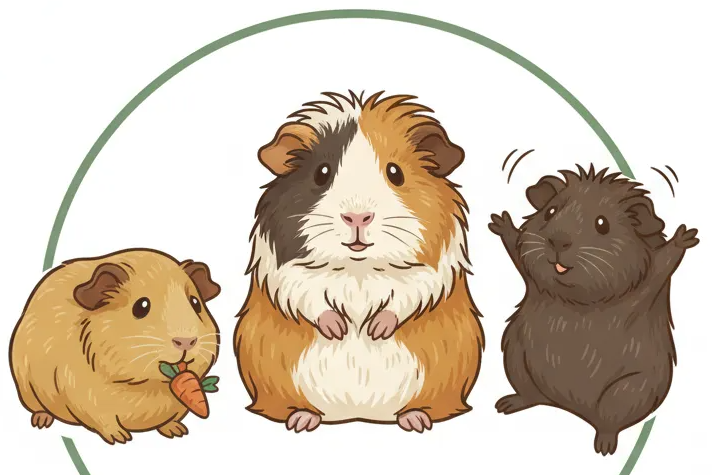
Can You Over-Handle a Guinea Pig? Finding the Right Balance
Published on: March 15, 2026 | Last Updated: March 15, 2026
Written By: Kate M. Callahan
Hello CavyFam! Do you ever worry that your frequent snuggles might overwhelm your guinea pig? This is a common concern for owners who deeply care about their pet’s comfort and happiness.
I will walk you through recognizing stress signs, setting ideal handling times, and building trust through gentle interactions. Having raised guinea pigs like my own Pepper, Clover, and Biscuit for years, I share advice rooted in real-life experience.
Understanding Guinea Pig Handling and Stress
-
Over-handling means interacting with your guinea pig too frequently or for too long, which can overwhelm them and lead to stress. I learned this the hard way with Biscuit, my Peruvian guinea pig, who would retreat into his hideout if I picked him up multiple times a day.
-
Under-handling occurs when you rarely touch or hold your pet, making them fearful and less social over time. Regular, gentle contact builds trust and helps them feel secure in their environment.
-
Handling is essential for spotting health issues early, like overgrown nails or skin problems, and for fostering a strong bond. From my years with Pepper, I’ve seen how consistent, positive interactions reduce fear and encourage curiosity.
-
Common stress signals include freezing in place, high-pitched squeals, or rapid teeth chattering. Watch for these cues to adjust your approach and keep your pet comfortable.
Reasons to Handle Your Guinea Pig
-
Health checks let you monitor weight, teeth, and coat condition, catching problems before they escalate. I make it a habit to gently examine Clover weekly, which helped me notice a minor eye irritation early.
-
Grooming is vital for long-haired breeds like Biscuit, preventing mats and keeping them clean. Short sessions with a soft brush make this a bonding experience rather than a chore.
-
Socialization exposes guinea pigs to human touch, reducing anxiety during vet visits or new situations. Start with brief holds and gradually increase time as they become more relaxed. To avoid these common socialization mistakes when introducing guinea pigs, take it slow and don’t force contact. Pay attention to their body language and back off if they seem stressed.
-
Bond-building thrives on positive reinforcement, like offering a small veggie treat after handling. This rewards calm behavior and strengthens your connection over weeks and months.
Signs of Handling-Related Stress
-
Physical stress signals include a stiff body, rapid breathing, or attempts to scramble away. If Pepper freezes when I lift her, I know to set her down and try again later.
-
Behavioral cues might involve hiding, refusing food, or loud wheeking sounds that indicate discomfort. Each guinea pig shows stress differently based on personality—Biscuit tends to vocalize, while Clover stays quiet but tense. To truly interpret these common guinea pig behaviors and their body language, observe posture, ear position, and changes in vocalization. By noting these cues, you can respond more effectively to each pig’s needs.
-
Fear responses vary by temperament; a shy pig like Biscuit may need more patience than a steady one like Pepper. Adjust your handling frequency to match their individual comfort levels for a happier pet.
Gentle Handling Techniques for Safe Interaction
-
Approach your guinea pig slowly from the front, speaking in a calm voice to avoid startling them. I always let Pepper see my hand before I try to pick her up, which keeps her from bolting.
-
Scoop them up with both hands, supporting their entire body to prevent injury or falls. Place one hand under the chest and the other under the hindquarters for a secure hold.
-
Hold them close to your chest in a quiet, dimly lit area to minimize stress and sudden noises. This creates a safe space where they can relax during the interaction.
Basic Picking Up and Holding Methods
-
Proper body support involves cradling their spine and legs to avoid strain or discomfort. I’ve found that Clover feels most secure when I keep her level and avoid tilting her suddenly.
-
Reduce sudden movements by lifting and lowering them gently, and avoid quick turns or jostles. Slow, predictable actions help build trust and prevent fear-based reactions over time.
Using Safe Restraint for Health Checks
-
Gently examine your pet by checking eyes, ears, and nails in short, focused sessions. I rest Biscuit on a soft towel and use treats to keep him calm while I inspect his fur and feet.
-
Keep sessions brief and positive, rewarding cooperation with a favorite snack like a carrot slice. This mimics vet scenarios without the stress, making future handling easier for both of you.
Building Trust Through Daily Socialization
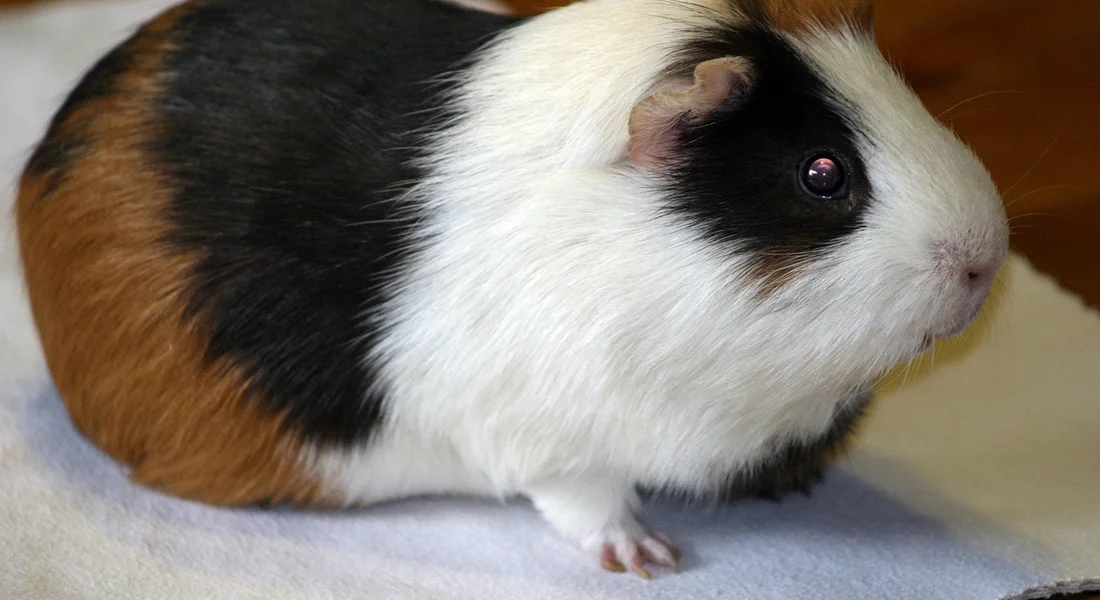
Establishing a predictable daily routine builds immense confidence in your guinea pig. Consistency tells your pet they are safe and can anticipate positive interactions with you. Understanding when your guinea pig is most active helps you plan interactions around their energy peaks. Noting daily patterns—often morning and late afternoon—lets you schedule playtime and handling to match their rhythm.
I start my mornings with Pepper, Clover, and Biscuit by simply sitting near their habitat with my morning coffee, letting them hear my calm voice.
Your Daily Handling Routine
- Begin each session by letting your guinea pig sniff your hand before any attempt to pick them up.
- Lift them gently with two hands, supporting their entire body and hindquarters securely.
- Keep initial handling sessions brief, aiming for just 5 to 10 minutes at a time.
- Schedule these short sessions once or twice daily, ideally at the same times.
- Always end on a positive note with a small, healthy treat before returning them home.
Sniffing is their primary way of gathering information. Allowing your guinea pig to thoroughly sniff your hands and arms is a critical trust-building conversation.
My gentle giant, Pepper, needs a good minute of sniffing before he relaxes onto my lap.
Positive reinforcement makes you a source of wonderful things. Pair your calm, soothing voice with their favorite veggies like cilantro or a slice of bell pepper to create powerful positive associations.
I’ve found that talking softly to Clover while she nibbles a treat helps her graceful nature shine during our time together.
Socialization Tips for Shy or New Guinea Pigs
For shy pets like my Biscuit, patience is your greatest tool. Gradual introduction means progress is measured in small victories, not minutes of cuddling.
- Start by hand-feeding treats through the cage bars without trying to touch them.
- Progress to placing your hand, palm up, inside their habitat and letting them approach you.
- Attempt a lift only when they voluntarily climb onto your hand or show no signs of fear.
Learning to read their comfort level prevents setbacks. A happy guinea pig will make soft, contented “wheeking” sounds and explore curiously, while a stressed one will freeze, try to hide, or chatter its teeth. By recognizing these cues, you can tell if your guinea pig is stressed or anxious and respond to help them feel secure.
It took Biscuit three weeks of daily, patient interaction before he felt secure enough to be held.
Balancing Handling with Enrichment Activities
Handling is just one part of a fulfilling life. Providing a rich, engaging habitat reduces their reliance on constant human interaction for stimulation.
A bored guinea pig can become needy or stressed, so enrichment is key for their independence.
- Create a habitat with multiple hiding spots like small cardboard boxes or commercial hideys.
- Use tunnels made from PVC pipes or paper towel rolls to encourage natural foraging behavior.
- Scatter their daily pellet ration around the cage instead of using a bowl to promote activity.
- Always ensure they have a safe space to retreat to if they feel overwhelmed.
Pacing is everything for these sensitive creatures. Respecting their need for quiet, break times in their own space prevents chronic stress and builds a healthier long-term bond.
I always watch for signs of restlessness, like fidgeting or looking toward their cage, and promptly return them home.
Fun Enrichment Ideas for Mental Stimulation
You don’t need expensive toys to keep your guinea pig’s mind active. Simple household items can be transformed into incredible sources of entertainment and mental exercise. If you’re looking for boredom busters, here are 20 safe, engaging enrichment ideas for guinea pigs. These ideas help keep your pet curious and mentally sharp without breaking the bank.
- Stuff a plain brown paper lunch bag with hay and a few treats for a fun shredding puzzle.
- Create a “salad ball” by poking holes in a clean, empty plastic ball and filling it with leafy greens.
- Build a simple maze out of non-toxic books or small cardboard boxes for them to navigate.
- Drape a small, lightweight towel over part of their cage to create a new, interesting shadowy area to explore.
This kind of environmental enrichment does more than just pass the time. Providing consistent mental stimulation supports their overall well-being, leading to a more confident, content, and interactive companion.
I love watching my trio work together to dismantle a new cardboard castle-it keeps their minds sharp and their personalities vibrant.
Special Considerations for Age and Temperament
Every guinea pig is a unique little soul with different handling needs based on their life stage and personality. My three piggies, Pepper, Clover, and Biscuit, have taught me that a one-size-fits-all approach simply doesn’t work for cuddle time.
- Young guinea pigs, like my one-year-old Biscuit, are often bundles of nervous energy. They need short, positive handling sessions to build trust without overwhelming them.
- Confident, steady pigs like my two-year-old Pepper can often enjoy longer lap times and more active exploration outside their cage.
- Senior pigs, or those with a more thoughtful, reserved nature like my three-year-old Clover, require a gentler, more predictable routine to feel secure.
For shy guinea pigs, patience is your most important tool. I learned with Clover that letting her approach my hand inside the cage for a veggie treat built more trust than me reaching for her. Overcoming shyness is a step-by-step confidence-building process for timid guinea pigs. Confident pigs still need clear boundaries; even steady Pepper gets spooked by sudden movements.
Handling Young, Senior, or Timid Guinea Pigs
Adjusting your technique is vital for their comfort and your bond. Always scoop from below, supporting their entire body, rather than grabbing from above like a predator would.
- For babies and seniors, keep handling sessions brief-just 5-10 minutes at a time. Their small bodies can get cold or stressed more easily.
- With timid pigs, I sit on the floor in a small, enclosed space. This lets a shy pig like Biscuit explore me on his own terms without the fear of falling.
Their body language is your guide. If you notice wide eyes, frozen posture, or attempts to flee, it’s a clear sign the session is over for now. Respecting that communication builds lasting trust.
Owner Responsibilities in Guinea Pig Care
As a guinea pig owner, your confidence and attentiveness set the tone for their entire world. Your calm, predictable presence is the foundation of their feeling of safety. That level of care and attention underscores the emotional commitment of guinea pig ownership.
You are their advocate. This means constantly monitoring for subtle signs of stress or illness, which can manifest as changes in eating, vocalization, or activity levels. A sudden lack of interest in favorite veggies is often the first clue something is wrong.
- Create a low-stress home by placing their cage in a quiet, family-adjacent area-not a chaotic hallway or a lonely spare room.
- Ensure they have plenty of hideaways in their habitat. Even my most confident pig, Pepper, needs a cozy hut to retreat to when the world feels like too much.
Daily Care and Observation Tips
A consistent daily routine is not just about feeding and cleaning; it’s your primary tool for monitoring their health. I make it a habit to do a quick “wellness scan” during their morning veggie feeding.
- Check their eyes and nose for any discharge.
- Observe their breathing-it should be quiet and effortless.
- Feel their fur for any lumps or patches of missing hair as you pet them.
- Notice their energy. Is Clover popcorning less than usual? Is Biscuit hiding more?
Trust your gut. If any behavior change lasts more than 24 hours, or is paired with a loss of appetite, it’s time to call your veterinarian. It’s always better to seek advice for a small concern than to wait for a small problem to become a big one.
FAQs
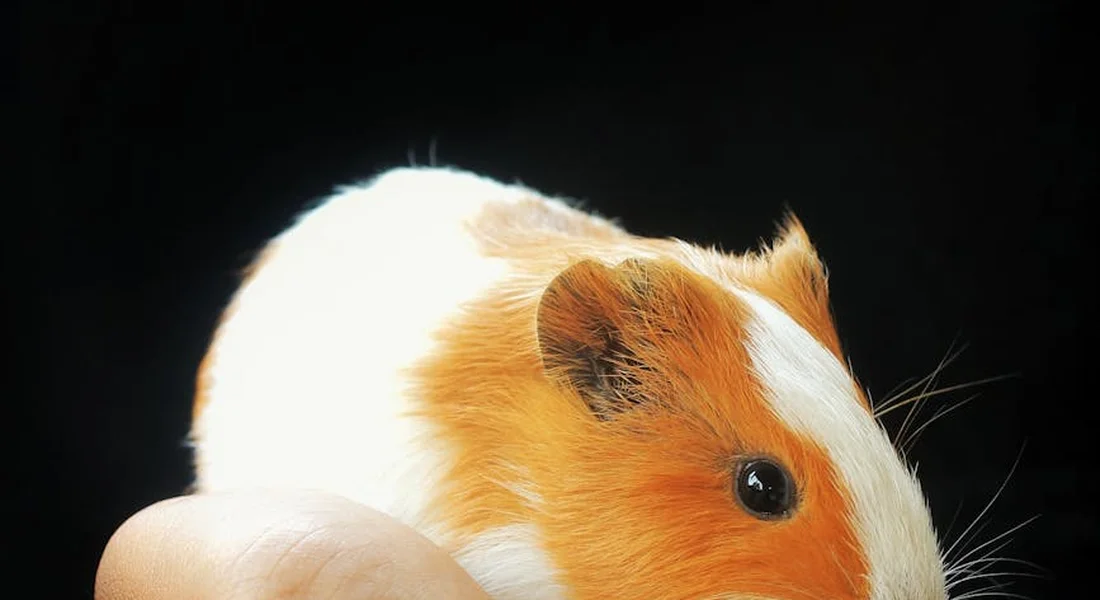
How can veterinary handling techniques benefit my guinea pig’s health?
Veterinary methods focus on safe restraint to minimize stress during exams or treatments. These techniques help prevent injury and make medical care more efficient for your pet.
What equipment is recommended for restraining a guinea pig safely?
Soft towels or small animal-specific restraint bags can provide secure holding without causing harm. Always choose non-slip, comfortable materials to keep your guinea pig calm during use.
Can you outline step-by-step handling techniques for beginners?
Begin by approaching slowly and speaking softly to avoid startling your guinea pig. Then, use both hands to scoop them up, supporting their chest and hindquarters for a stable hold. Next, guide them to their enclosure and ensure the cage is set up properly, with clean bedding, fresh water, and easy access to food. A well-planned cage setup helps reduce stress and makes daily care easier.
Are there trusted video resources for learning guinea pig handling?
Yes, videos from veterinary channels or reputable pet care organizations offer visual demonstrations of proper techniques. Watching these can help you practice safe handling and build confidence.
Why is proper restraint crucial during guinea pig handling?
Proper restraint prevents escapes and reduces the risk of falls or injuries during interactions. It also allows for thorough health checks and grooming without causing undue stress.
Your Guinea Pig Handling Journey
Always watch for subtle cues like hiding or teeth chattering to gauge when your guinea pig needs space, and keep handling sessions brief and calm to build a trusting bond. I learned this firsthand with my gentle guinea pig, Pepper, whose golden-brown fur I’d stroke only when she seemed curious and relaxed (to tell if your guinea pig is actually enjoying being petted).
Embrace responsible pet ownership by staying curious and learning new ways to care for your pets, such as choosing biodegradable bedding or homemade toys to reduce waste. This commitment not only keeps your guinea pigs happy but also supports a healthier environment for all animals. For more tips on taking care of your little furry friends, check out how to properly care for guinea pigs.
Further Reading & Sources
- How to Care for Your Guinea Pig: A Guide for Pet Parents | PetMD
- Guinea Pig Handling – The Guinea Pig Manual
- How should I handle my guinea pigs? – RSPCA Knowledgebase
- Handling and Taming Your Guinea Pig – HAYPIGS
Kate is a passionate guinea pig owner and advocate for small pet welfare. With over a decade of experience caring for guinea pigs, she has become a trusted voice in the small pet community.
Uncategorized