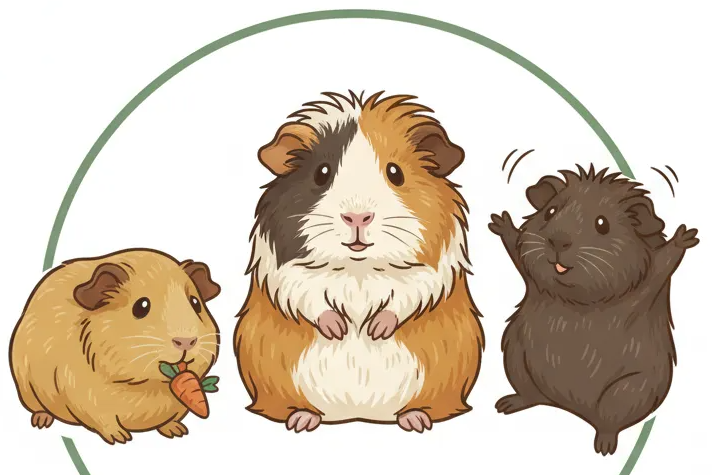
How Many Guinea Pigs Can Live Together in One Cage?
Hello CavyFam! You’re probably wondering just how many guinea pigs you can house together in one cage. It’s a common concern, as getting the group size right is vital for their happiness and health.
In this guide, I’ll cover ideal group sizes, minimum cage dimensions, personality matching, and signs of overcrowding.
I’ve learned this through years of caring for my own herd-Pepper, Clover, and Biscuit-and I’m here to share that hands-on experience with you.
The Social Nature of Guinea Pigs
Why Herd Living Supports Guinea Pig Well-Being
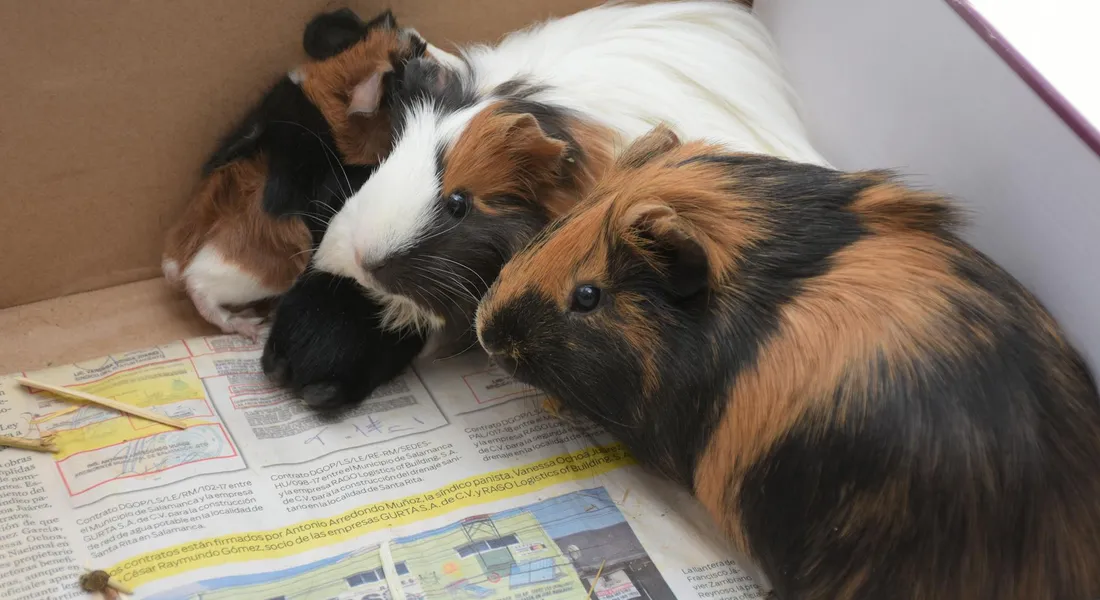
Guinea pigs thrive in groups because they are naturally herd animals. Living with companions reduces their stress and encourages natural behaviors like grooming and playing. I’ve seen this firsthand with my guinea pigs, Pepper and Clover, who often snuggle and chatter to each other. Without a friend, they can become lonely and even develop health issues from boredom. Herd living provides mental stimulation and a sense of security that solo housing just can’t match.
In the wild, guinea pigs live in small groups to protect each other from predators. Replicating this environment at home helps them feel safe and content which is a key indicator of their happiness. When I added Biscuit to our family, I noticed how the dynamic shifted positively, with all three engaging in playful chasing and shared nap times. This social interaction is crucial for their emotional well-being, making them happier and more active pets.
Recommended Group Sizes for Your Cavy Family
Ideal Pairings: Two Guinea Pigs in One Cage
Starting with two guinea pigs is often the best choice for most owners. A pair provides companionship without overwhelming space or social dynamics. I began with Pepper and Clover, and their gentle and graceful personalities meshed well from the start. They share food, explore together, and rarely have conflicts. To ensure a smooth pairing, always house same-sex guinea pigs to prevent accidental breeding and introduce them in a neutral area first.
- Choose guinea pigs with compatible temperaments, like a calm one with a more active partner.
- Provide at least 7.5 square feet of cage space to prevent crowding.
- Include multiple hideouts and feeding stations to reduce competition.
From my experience, two guinea pigs can form a strong bond that lasts for years. Regular interaction and a spacious cage make this setup ideal for beginners. Watching Pepper and Clover interact daily reminds me how much they rely on each other for comfort and play.
Trios and Beyond: Housing Three or Four Guinea Pigs
Expanding to three or four guinea pigs can work well with careful planning. Larger groups need more space and resources to avoid stress and aggression. In my home, Pepper, Clover, and Biscuit live together in a generously sized enclosure. While Biscuit is more reserved, the group dynamic encourages her to come out of her shell during group activities. Always monitor for signs of bullying, like chasing or teeth chattering, and be ready to separate if needed.
Can Three Female Guinea Pigs Live Together?
Yes, three female guinea pigs can live together harmoniously. Females are generally less territorial than males, making trios easier to manage. My three girls-Pepper, Clover, and Biscuit-coexist peacefully with plenty of room to roam. I ensure they have at least 10.5 square feet of space, multiple water bottles, and separate hay piles to prevent squabbles. Their personalities blend well, with Pepper’s steadiness balancing Clover’s grace and Biscuit’s intelligence. It’s important to remember that even when females get along, you should still consider their social needs and bonding carefully.
- Use a cage with dividers or extra levels to create personal zones.
- Observe their interactions during feeding and resting times to spot any issues early.
- Rotate toys and hiding spots to keep the environment engaging and reduce boredom.
With proper care, a trio of females can lead a joyful, interactive life. I’ve found that regular health checks and a balanced diet keep my group healthy and bonded. Their shared moments, like group popcorn jumps, show how herd living enriches their days.
Can Male Guinea Pigs Live in Groups of Three or Four?
Housing male guinea pigs in groups of three or four is possible but requires extra caution. Males can be more dominant and prone to fighting, especially in confined spaces. Although I don’t have male guinea pigs, I’ve learned from other owners that neutering can reduce aggression. Provide a large cage—aim for 12 square feet or more—with multiple escape routes and resources to minimize conflicts. Do male guinea pigs get along peacefully in the same cage? It can happen with careful introductions and a roomy, resource-rich setup.
- Introduce males gradually in a neutral area over several days.
- Watch for aggressive behaviors like mounting or loud rumbling and intervene if necessary.
- Consider pairing a younger male with older, calmer ones to ease hierarchy establishment.
With patience and the right setup, male groups can succeed. Always prioritize their safety by having a backup plan, like a separate cage, in case tensions rise. Advocating for their welfare means recognizing when a group isn’t working and making adjustments to ensure every guinea pig feels secure.
Cage Size and Space Requirements for Multiple Guinea Pigs
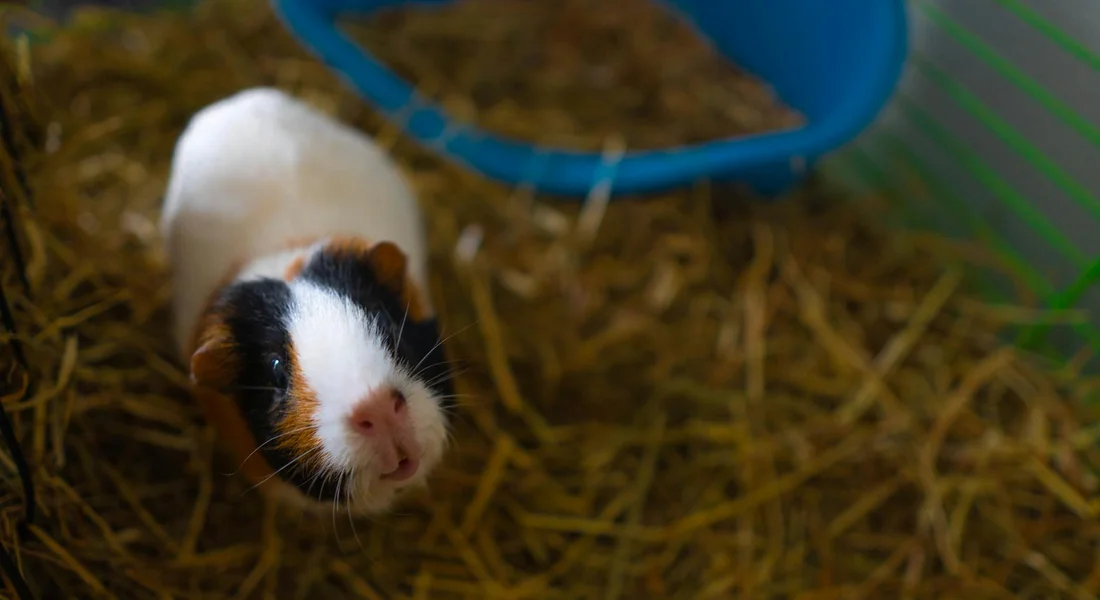
Calculating Adequate Space Per Guinea Pig
You need enough room for each guinea pig to run, play, and have their own cozy spot. I always aim for at least 7.5 square feet per guinea pig as a starting point, but more is better for their happiness. This is part of a complete space requirements guide on how much cage space guinea pigs truly need. It covers per-pig minimums, total cage size, and practical setup tips to prevent squabbles and support natural behaviors. With my trio—Pepper, Clover, and Biscuit—I use a cage that’s over 20 square feet to prevent squabbles and encourage natural behaviors.
Calculate space by multiplying length and width of the cage floor. For two guinea pigs, a minimum of 10.5 square feet works, but I’ve seen groups thrive in 15 square feet or more—especially with the right cage setup. My gentle Pepper loves having extra space to roam without bumping into others.
- Measure your cage’s interior dimensions in feet.
- Multiply length by width to get total square footage.
- Divide by the number of guinea pigs to check if it meets or exceeds recommendations.
- Add bonus space for toys and hideouts-it reduces stress.
Bigger cages mean fewer conflicts and healthier pets. From my experience, a spacious home lets each guinea pig express their personality, like Biscuit’s intelligent explorations.
Choosing the Right Cage Layout for Groups
Layout matters as much as size to keep everyone content. Open floor plans with low barriers allow easy movement and social interaction among guinea pigs. I’ve found that multi-level cages can work, but avoid steep ramps to prevent injuries, especially for older ones like Clover.
Include multiple feeding and watering stations to stop crowding. In my cage, I place hay racks and water bottles at opposite ends so no one feels rushed or left out. This setup mirrors their natural herd behavior and reduces tension.
- Start with a single-level base for easy cleaning and monitoring.
- Add hideouts and tunnels-one per guinea pig plus an extra for choice.
- Use soft, absorbent bedding in areas where they rest and eat.
- Arrange items to create “zones” for sleeping, playing, and eating.
Observe how your group uses the space and adjust as needed. My graceful Clover prefers quiet corners, so I ensure she has her own spot away from busier areas.
Sex, Age, and Compatibility in Group Housing
Preventing Unplanned Litters in Mixed Groups
Mixing males and females without planning leads to unexpected babies and stress. Always house same-sex groups or opt for spaying/neutering to avoid overpopulation and health issues. I keep my males and females separate unless under veterinary guidance, as it’s kinder and safer for them.
Introduce young guinea pigs carefully, watching for compatibility. Personalities play a big role—my reserved Biscuit needed time to warm up to others, so slow introductions prevented fights. Age differences can work if the older ones are patient, but monitor for bullying. Avoid these 9 socialization mistakes when introducing guinea pigs by using patient, gradual introductions. This approach helps prevent fights and stress.
- Consult a vet about spaying or neutering if you want mixed groups.
- House males together only if they’re bonded from a young age or neutered.
- Females generally get along well, but provide ample space to reduce rivalry.
- Check for signs of aggression, like chasing or teeth chattering, and separate if needed.
Responsible grouping ensures a peaceful home. By prioritizing their welfare, you’ll see your guinea pigs, like my steady Pepper, flourish in a stress-free environment.
Introducing and Bonding Guinea Pigs Successfully
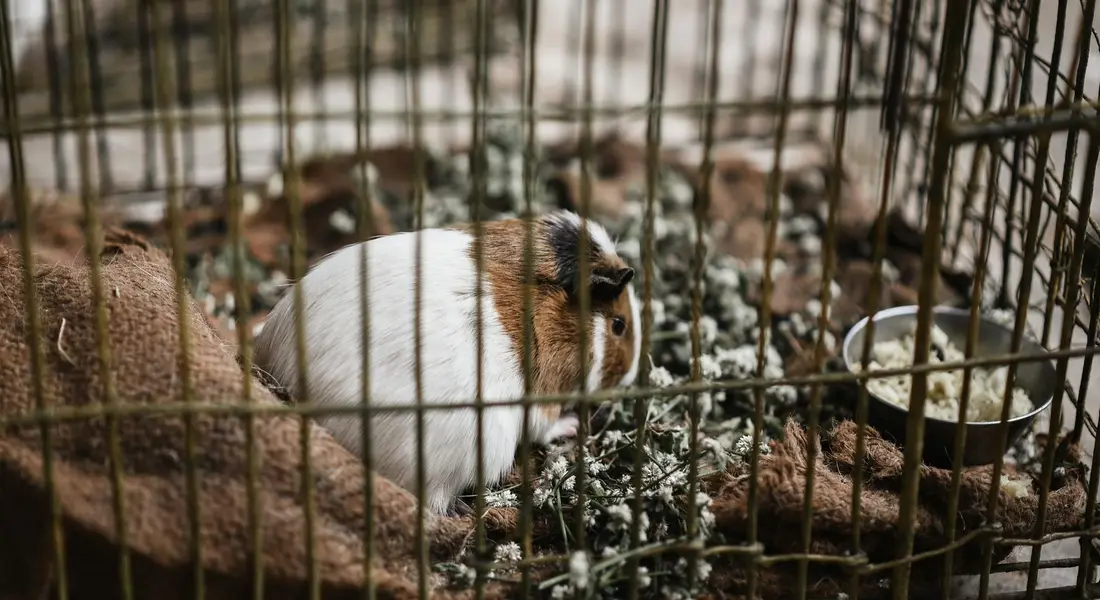
When I first brought home Biscuit to join Pepper and Clover, I made sure to introduce them in a neutral space where none had established territory. This step prevents territorial disputes and helps them start on equal footing. Use a clean, unfamiliar area like a playpen or bathtub lined with towels, and scatter plenty of hay and veggies to distract them.
Keep initial sessions short, around 15-20 minutes, and gradually increase the time over several days. Supervise closely for any signs of aggression, but don’t intervene unless there’s real danger like biting. From my experience, gentle rumbling and nose-touching are normal as they figure out their hierarchy.
Behavioral Signs of a Smooth Bonding Process
Watch for positive cues that show your guinea pigs are getting along well. Happy guinea pigs will often engage in mutual grooming, which looks like one gently nibbling or licking the other’s fur. I’ve seen Clover and Pepper do this after meals, and it’s a clear sign of trust. Understanding these grooming cues helps you interpret their social bonds and overall wellbeing. By paying attention to who grooms whom and when, you can better support harmonious relationships.
- They eat and drink together without pushing each other away.
- Sleeping near each other, sometimes even cuddling in a hidey.
- Playing and popcorning (little joyful jumps) in sync.
- Soft, contented purring or wheeking sounds when interacting.
If you notice these behaviors, your bond is likely strong. Consistency in their daily routines, like feeding times, reinforces this positive dynamic. With Biscuit, it took a week of patience, but now all three share space peacefully.
Recognizing and Addressing Incompatibility
Sometimes, guinea pigs just don’t click, and it’s crucial to spot trouble early to prevent stress or injury. Signs of incompatibility include persistent chasing, loud teeth chattering, or raised fur along the back, which can be indicative of cage aggression. I once had to separate a pair when one kept mounting the other aggressively, which can lead to fights.
If conflicts arise, try a temporary separation with a divider in the cage so they can still see and smell each other. Reintroduce them slowly after a cool-down period, using the neutral space method again. For severe cases, consult a vet or consider rehoming to ensure everyone’s welfare.
Health Monitoring in Multi-Pig Cages
Living in a group can spread illnesses faster, so regular health checks are non-negotiable. I check my guinea pigs weekly for weight loss, discharge from eyes or nose, and changes in appetite or behavior. Weigh them on a small scale-a sudden drop might signal dental issues or infections.
- Look for bald patches, sores, or excessive scratching, which could indicate mites or fungal infections.
- Monitor their droppings; diarrhea or reduced output needs immediate attention.
- Ensure each pig gets enough food and water by providing multiple stations to avoid bullying.
Clean the cage thoroughly at least once a week to prevent bacteria buildup. A healthy environment reduces stress and keeps your herd thriving together. From caring for Pepper, Clover, and Biscuit, I’ve learned that proactive monitoring saves trips to the vet and keeps bonds strong.
Enrichment and Maintenance for Group Cages
Daily Care Routines to Keep Herds Happy
Establishing a consistent daily routine helps your guinea pigs feel secure and reduces stress in group settings. I start each morning by checking on Pepper, Clover, and Biscuit to ensure they’re active and interacting peacefully. This quick visual scan lets me spot any changes in behavior early.
Fresh hay should always be available, as it supports digestion and keeps teeth healthy. In my experience, providing a mix of timothy and orchard hay keeps all three of my pigs engaged and prevents boredom. I refill their racks twice a day to maintain that crisp, grassy smell they love.
Spot cleaning is non-negotiable for odor control and health. Remove soiled bedding from high-traffic areas daily to cut down on ammonia and bacteria buildup. I use a small scoop for this, focusing on corners where my herd tends to gather.
- Offer a cup of fresh vegetables per pig, like bell peppers or leafy greens, to boost vitamin C intake.
- Refresh water bottles with clean, cool water to prevent dehydration.
- Rotate safe toys, such as cardboard tubes or untreated wood blocks, to encourage natural foraging.
- Spend at least 15 minutes interacting with your herd to monitor their social dynamics and bond with them.
Watch for signs of conflict, like chasing or teeth chattering, and separate food dishes to avoid squabbles. Clover’s graceful nature means she sometimes steps back during feeding, so I use multiple bowls to give each pig space. This simple adjustment promotes harmony.
End each day with a quiet check for any uneaten food or messes. Keeping their environment predictable helps shy pigs like Biscuit feel more confident over time. A calm routine supports their well-being and strengthens your connection.
FAQs
What are the best practices for indoor guinea pig housing?
Indoor cages should be placed in a quiet, draft-free area to minimize stress and health risks. Use absorbent bedding and ensure good air circulation to keep the environment clean and comfortable.
Can I build a DIY cage for my guinea pigs?
Yes, DIY cages allow for customization and can be more affordable than store-bought options. Always use non-toxic materials like C&C grids and coroplast to create a safe, spacious home.
How can tunnels enhance guinea pig housing?
Tunnels add fun and stimulation by mimicking natural burrowing behaviors. They provide hiding spots and encourage exercise, which helps prevent boredom in group settings.
Creating a Happy Guinea Pig Family
For a harmonious home, limit your guinea pig group to two to four individuals and provide a cage measuring at least 10.5 square feet for a pair. Always house guinea pigs in same-sex pairs or groups to prevent unexpected litters and ensure stable social bonds. If you keep just one guinea pig, they may still need daily social interaction and enrichment, and a companion is often best. When possible, consider adding a same-sex friend to prevent loneliness and promote social bonds.
Continue learning about their complex social needs and consider eco-friendly choices like paper-based bedding. Responsible ownership means committing to their lifelong care and always prioritizing their welfare and comfort.
Further Reading & Sources
- Cage Guide | Southern California Guinea Pig Rescue
- How much space do guinea pigs need? – GuineaDad
- The Truth About Guinea Pig Cage Sizes | Kavee
- Which Guinea Pig Cage Should You Get?- Cages for Guinea Pigs – GuineaDad
Kate is a passionate guinea pig owner and advocate for small pet welfare. With over a decade of experience caring for guinea pigs, she has become a trusted voice in the small pet community.
Uncategorized