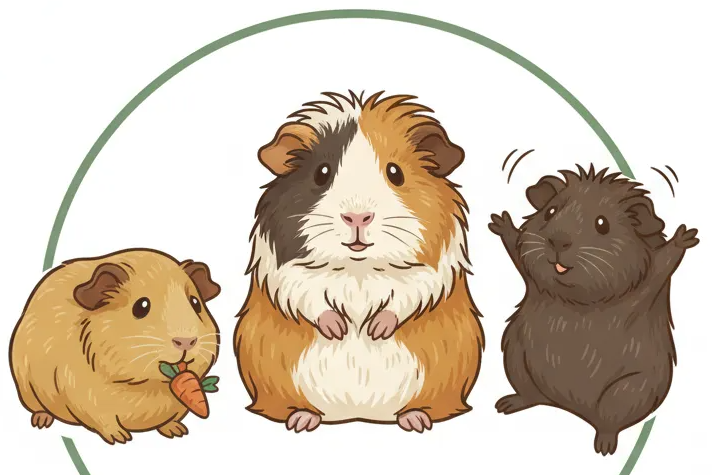
Calcium Control: How to Prevent Painful Bladder Sludge in Guinea Pigs
Published on: August 16, 2026 | Last Updated: August 16, 2026
Written By: Kate M. Callahan
Hello CavyFam, Have you noticed your guinea pig straining to urinate or seeming unusually quiet and uncomfortable? These behaviors often signal bladder sludge, a painful buildup that can harm your pet’s health if ignored.
I will guide you through understanding bladder sludge, spotting early symptoms, adjusting diet for calcium balance, and implementing prevention tips. With years of hands-on experience caring for guinea pigs like my own Pepper, Clover, and Biscuit, I share reliable advice to protect your furry friends.
Understanding Guinea Pig Bladder Sludge and Urinary Health
Bladder sludge forms when excess calcium crystallizes in your guinea pig’s urine, leading to painful blockages. This condition often stems from dietary imbalances or hydration issues, making prevention a daily priority.
In my years with Pepper, Clover, and Biscuit, I’ve seen how small changes in care can prevent big problems. Their urinary health depends on a balanced diet and plenty of fresh water to keep everything flowing smoothly.
Common Causes of Bladder Sludge Formation
High-calcium foods are a primary culprit, as I learned when Clover’s diet included too much spinach. Overfeeding calcium-rich veggies like kale or parsley can overwhelm their system and lead to sludge.
- Diets heavy in alfalfa hay, which is high in calcium and better suited for young or pregnant pigs.
- Inadequate water intake, causing urine to become concentrated and prone to crystal formation.
- Genetic factors; some breeds, like Abyssinians, may be more susceptible based on my experience with Clover.
- Limited exercise, which reduces bladder activity and mineral flushing.
Dehydration played a role with Biscuit during a hot spell, reminding me to check water bottles daily. Ensuring constant access to clean water helps dilute urine and prevent crystal buildup.
Recognizing the Signs of Urinary Trouble
Catching issues early can spare your guinea pig discomfort and vet visits. Watch for subtle shifts in behavior or urine appearance that might indicate sludge development. When you perform a health check, gently scoop them up and support their body to keep them calm. Handle them securely but softly on a non-slip surface to prevent slips or injuries. For tips on safe handling during health checks, you can refer to this guide: Handle them securely but softly.
With Pepper, I noticed he was less active before any visible symptoms appeared. Regular observation helps you spot trouble before it becomes severe.
Monitoring Urine Changes and Behavior
Check urine consistency by feeling for grittiness or seeing cloudy patches, as I did with Biscuit. Cloudy, thick, or sandy urine often signals excess calcium and requires immediate attention.
- Observe urine color: Pale yellow is normal; milky or dark hues suggest problems.
- Note urination frequency: Straining, crying, or going more or less often can indicate pain.
- Watch for lethargy or hunched posture, which Clover showed when she was uncomfortable.
- Monitor appetite changes; a drop in eating might mean your pig is in distress.
Weigh your guinea pig weekly to track health, as sudden weight loss can be a warning sign. Doing the weighing at home makes this quick and consistent, so you can monitor changes week to week. Weighing at home also helps you keep a clear record to share with your vet. Combining these checks with vet advice ensures your pet stays happy and sludge-free.
Dietary Strategies for Calcium Balance
Getting the diet right is the most powerful step you can take to manage calcium levels. I’ve seen firsthand with my own guinea pigs how a simple food adjustment can completely transform their urinary health.
Choosing the Right Hay and Pellets
Hay should form the bulk of your guinea pig’s diet, and your choice here is critical. I always use unlimited, high-quality timothy hay for my crew—Pepper, Clover, and Biscuit. To choose the best hay for your guinea pig, look for fresh, green hay with a pleasant aroma and minimal dust. Timothy hay is a reliable default for adults, but choose a high-quality option that your pig will actually eat.
- Timothy Hay: This is your go-to. It’s naturally lower in calcium than alfalfa hay, which is too rich for adult pigs.
- Orchard Grass or Meadow Hay: These are excellent low-calcium alternatives if your pig is a picky eater.
- Adult Guinea Pig Pellets: Choose a plain timothy hay-based pellet. Always check the label to ensure there is no added calcium carbonate.
- Portion Control: An adult guinea pig only needs about 1/8 cup of pellets daily. Overfeeding pellets is a common source of excess calcium.
Smart Vegetable Selection and Portion Control
This is where many owners, including myself early on, get tripped up. Not all greens are created equal.
Focus on building your pig’s daily salad around low-calcium vegetables. I rotate these staples for my trio:
- Romaine lettuce (in moderation)
- Bell peppers (red, green, yellow)
- Zucchini
- Cucumber
High-calcium veggies like spinach, kale, and parsley should be treated as rare treats, given only once or twice a week in tiny amounts. I think of them as the “dessert” of the guinea pig world—delicious but best enjoyed sparingly. So, how much should a guinea pig eat each day? A good rule is to offer about one cup of fresh veggies per pig per day, with the majority being from the low-calcium list.
Hydration: Your First Line of Defense
Water is the unsung hero in the fight against bladder sludge. A well-hydrated guinea pig produces more dilute urine, which helps prevent calcium crystals from clumping together and forming that painful sludge. In a short deep dive, we’ll outline what’s normal for guinea pig urine and what’s not.
Encouraging Optimal Water Consumption
Some guinea pigs are not big drinkers, so you might need to get creative. My Clover, for instance, would rather get her moisture from veggies. Typically, they should have a steady daily supply of fresh water. You can gauge daily needs by how much their water bottle empties, and adjust for climate and diet.
- Offer Water in a Bowl: Many pigs drink more from a heavy ceramic bowl than a bottle. It’s a more natural drinking position.
- Keep it Fresh: Change the water at least once, if not twice, a day. Fresh, cool water is simply more appealing.
- Wet Their Veggies: After washing your greens, don’t shake them completely dry. That extra water droplets encourage intake.
- Flavor the Water: A tiny splash of unsweetened cranberry juice (ensure it’s safe and vet-approved) or a piece of a favorite veggie like cucumber floating in the water can entice them to drink more.
Veterinary Care and Treatment Options
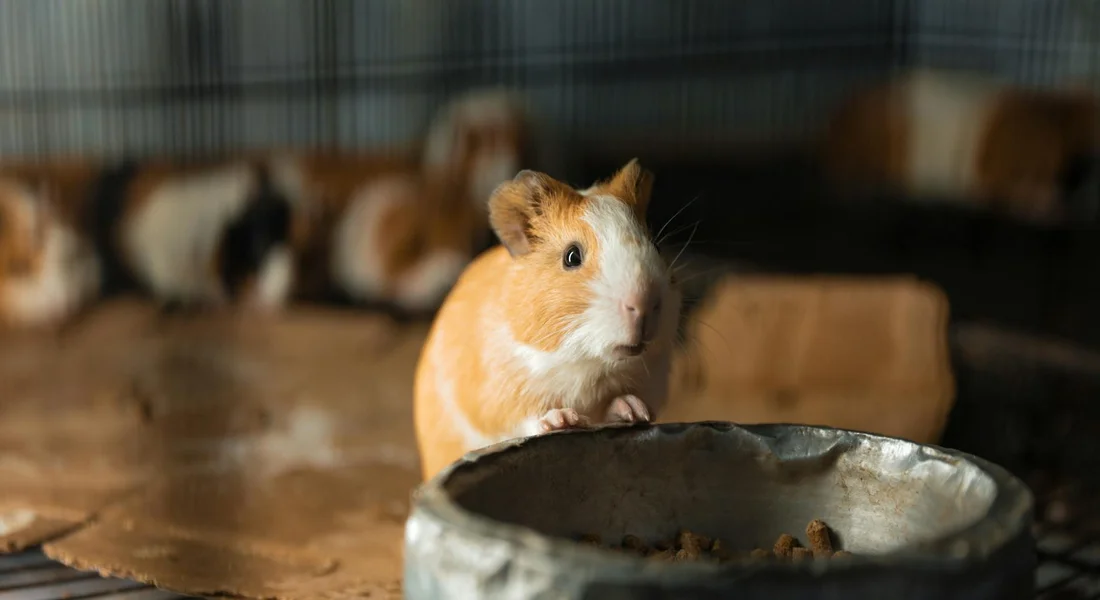
Conventional Medical Treatments
When one of my guinea pigs showed signs of discomfort, our vet immediately recommended an X-ray. Diagnostic imaging is the definitive way to confirm bladder sludge and rule out larger, more solid stones.
Your vet might prescribe medication to help your pet pass the sludge more comfortably.
- Pain relief medication to ease the strain of urination
- Muscle relaxants to help the bladder expel its contents
- Subcutaneous fluids administered at the clinic for immediate hydration
In severe cases where sludge is dense, a vet may perform a gentle bladder flush under anesthesia. This procedure physically clears the sludge, providing immediate relief and a clean slate for your pet’s recovery. I’ve found that acting quickly with conventional treatments prevents a minor issue from becoming a major emergency.
Supportive Natural Approaches
Alongside veterinary care, I use supportive methods at home to ease my guinea pigs’ discomfort. Increasing water intake is the single most effective natural way to help flush out the urinary system. If your guinea pig has suddenly stopped drinking water, this quick troubleshooting guide can help identify potential causes. We’ll cover common signs and practical steps to take at home and when to seek veterinary care.
I offer fresh, wet greens like cucumber and cilantro daily to boost their fluid consumption.
- Provide multiple water sources, including a bowl and a bottle
- Add a splash of unsweetened cranberry juice to their water to support bladder health
- Ensure constant access to fresh, high-quality timothy hay to keep their gut moving
Gentle massage can sometimes help a tense guinea pig relax their abdominal muscles. I use a very soft, circular touch on their lower belly, stopping immediately if they show any sign of pain. These approaches work best when combined with your vet’s medical plan. For anxious guinea pigs, this gentle touch can help them calm down and reduce stress. Pair it with a quiet, familiar environment for the best results.
Creating a Prevention-Focused Care Routine
Long-Term Health Monitoring Strategies
Preventing bladder sludge requires a consistent, observant daily routine. I make a habit of watching each of my guinea pigs urinate at least once a day to check for straining or unusual sounds.
You can learn a lot from simple daily observations of your pet’s behavior and output.
- Weigh your guinea pig weekly to catch subtle weight loss early
- Note any changes in appetite, energy levels, or social behavior
- Keep a small log of their eating, drinking, and urination habits
I use white fleece liners in my guinea pigs’ habitat so I can easily spot changes in urine color or consistency. This simple switch has helped me catch several minor issues before they became serious health problems. Consistent monitoring lets you become an expert on your own pet’s normal patterns.
Schedule regular vet check-ups every six to twelve months, even for seemingly healthy pigs. A professional can sometimes detect subtle changes you might miss at home, making early intervention possible. This proactive approach has kept my trio—Pepper, Clover, and Biscuit—happy and healthy for years. Regular vet visits are also a key part of a complete guinea pig care schedule. They complement daily at-home care, proper diet, and housing to keep your pigs thriving.
FAQs
What is guinea pig sludge?
Guinea pig sludge consists of fine, sand-like calcium deposits that accumulate in the bladder and urinary tract. This buildup can cause blockages and discomfort, often requiring dietary adjustments to manage.
What does guinea pig sludge urine indicate?
Sludge in urine typically points to an imbalance in calcium metabolism or hydration levels within your pet’s body. It may also signal that their diet contains too many high-calcium foods or insufficient water intake.
What causes guinea pig sludge?
Common causes include overfeeding calcium-rich vegetables like kale and relying on alfalfa hay for adult guinea pigs. Dehydration, genetic factors, and limited physical activity can also contribute to sludge formation.
What is the treatment for guinea pig bladder sludge?
Veterinary treatment often involves pain medication and muscle relaxants to ease urination and help pass the sludge. In more severe cases, a bladder flush procedure may be performed to clear the buildup safely.
What natural treatments are available for bladder sludge in guinea pigs?
Natural methods include increasing fluid intake by offering wet, water-rich vegetables and providing multiple fresh water sources. Some owners add a small amount of unsweetened cranberry juice to water, but always check with a vet before trying any home remedy.
Your Guinea Pig’s Health Journey Continues
Focus on a balanced diet with controlled calcium and ensure your guinea pig stays well-hydrated to prevent bladder sludge. Regularly monitoring their behavior and consulting a vet at the first sign of discomfort can make all the difference in their comfort. It’s just one aspect of proper guinea pig care.
Commit to being a proactive pet owner by always seeking out new, eco-friendly care tips that benefit both your pet and the planet. Learning and adapting your approach, as I have with my guinea pigs Pepper, Clover, and Biscuit, helps create a safer, happier home for them.
Further Reading & Sources
- How to Prevent & Treat Bladder Sludge in Rabbits and Guinea Pigs
- Causes of Urinary Stones & Sludge in Guinea Pigs & Rabbits
- Guinea Lynx :: Bladder Stones
- Conditions – Treatment for bladder sludge? – Guinea Pig Cages
Kate is a passionate guinea pig owner and advocate for small pet welfare. With over a decade of experience caring for guinea pigs, she has become a trusted voice in the small pet community.
Uncategorized