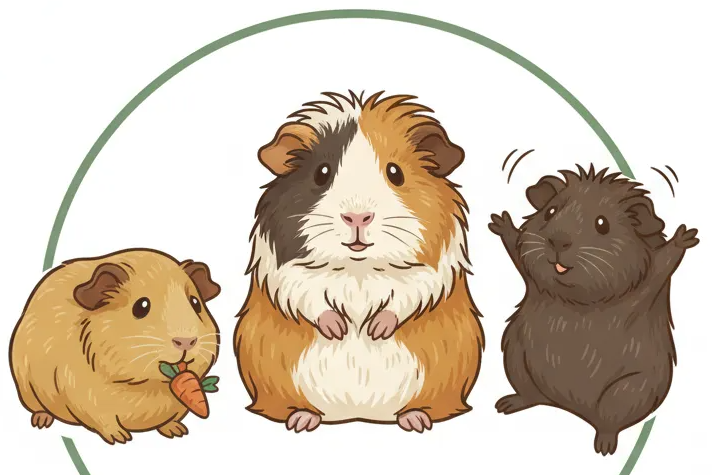
How Much Vegetables Should Guinea Pigs Eat Daily
Published on: April 29, 2026 | Last Updated: April 29, 2026
Written By: Kate M. Callahan
Hello CavyFam! Are you puzzling over the right amount of veggies to offer your guinea pig each day? You might be concerned about overfeeding or missing out on vital nutrients for their well-being.
In this article, I’ll guide you through essential areas to keep your pet thriving and content. We will explore daily portion sizes, safe vegetable options, ideal feeding schedules, and signs of a balanced diet. Having cared for guinea pigs like Pepper, Clover, and Biscuit for years, I share insights from my own journey to help you make informed choices.
Why Fresh Vegetables Are Essential for Your Guinea Pig
Fresh vegetables provide vital vitamins and hydration that hay and pellets alone can’t fully supply. Guinea pigs cannot produce their own Vitamin C, making daily veggie intake non-negotiable for preventing scurvy and other health issues. I’ve seen my own pig, Pepper, become more energetic and his coat glossier since we nailed his veggie routine.
The high water content in veggies like cucumber and romaine lettuce helps support kidney function and digestion. Chewing on fibrous vegetables also promotes dental health by naturally wearing down their constantly growing teeth. My Abyssinian, Clover, makes the most satisfying crunching sounds that reassure me her teeth are in good shape.
Daily Vegetable Intake Guidelines by Age and Weight
Generally, aim for about one cup of fresh vegetables per guinea pig daily. This measurement acts as a reliable starting point, but you must adjust based on your pet’s individual metabolism and activity level. I typically use a standard kitchen measuring cup for my trio to ensure fairness and accuracy.
Monitor their weight weekly using a small kitchen scale. A sudden drop or gain can signal it’s time to reassess their veggie portions alongside their pellet consumption. My Peruvian, Biscuit, tends to gain weight easily, so I’m especially vigilant with his portions.
Vegetable Portions for Young Guinea Pigs
Piggies under six months need smaller, more frequent vegetable introductions. Start with just a few small pieces of one safe vegetable at a time to allow their sensitive digestive systems to adjust. I introduced bell pepper to Biscuit this way when he was a baby, and now it’s his favorite.
- Begin with roughly 1/4 cup of veggies daily.
- Focus on high-calcium options like parsley and kale in moderation to support growing bones.
- Introduce one new vegetable every 3-4 days to watch for any adverse reactions.
Vegetable Portions for Adult Guinea Pigs
Adult pigs, aged six months to five years, thrive on a consistent one-cup daily serving. Variety is crucial here-rotate between 3-5 different vegetables each day to provide a broad spectrum of nutrients. My adults, Pepper and Clover, get excited when they see me preparing their colorful evening salad.
- Staple daily veggies: romaine lettuce, bell peppers, cilantro.
- Rotational veggies 2-3 times weekly: zucchini, carrot tops, cucumber.
- Always include a high-Vitamin C source like bell pepper or broccoli florets.
Adjusting Intake for Senior or Special-Needs Pigs
Older pigs or those with health conditions often need modified vegetable plans. Softer, easy-to-chew vegetables become increasingly important for seniors with dental issues or slower metabolism. I steam small carrot pieces for my older friends who struggle with hard foods.
- Reduce portion to 3/4 cup if weight gain or mobility issues appear.
- Choose hydrating options like cucumber and lettuce for pigs with kidney concerns.
- Consult your veterinarian for pigs with diabetes or heart conditions-they may need specific vegetable restrictions.
Safe and Unsafe Vegetables: A Practical Guide
Everyday Vegetable Options
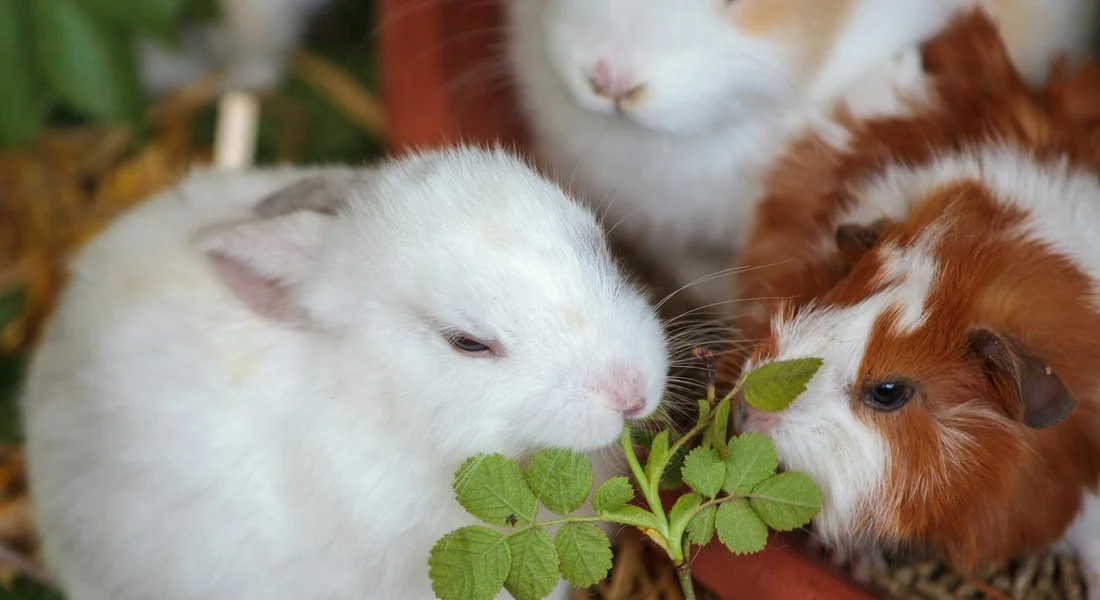
You can offer a variety of fresh veggies daily to keep your guinea pig healthy and happy. I always include bell peppers, romaine lettuce, and cucumber in my guinea pigs’ daily meals because they are low in sugar and high in vitamin C. From my years with Pepper, Clover, and Biscuit, I’ve seen how these choices support their immune systems without causing weight gain.
- Bell peppers (all colors) – Rich in vitamin C, which guinea pigs can’t produce on their own.
- Romaine lettuce – Provides hydration and fiber, but avoid iceberg as it’s low in nutrients.
- Cucumber – Great for extra water intake, especially in warmer months.
- Zucchini – Mild and easy to digest, a favorite for gentle nibblers like Pepper.
- Cilantro – Adds flavor and antioxidants, and my guinea pigs gobble it up eagerly.
Rotate these options to prevent boredom and ensure a balanced diet. Wash all vegetables thoroughly to remove pesticides, as I do for my own pets to avoid health risks. This simple step protects their sensitive digestive systems.
Vegetables to Feed in Moderation
Some veggies are safe but should be limited due to high sugar or oxalate content. I feed carrots and spinach only once or twice a week to my guinea pigs to prevent issues like bladder stones. Clover, with her thoughtful nature, tends to gain weight easily, so I’m extra careful with sugary treats.
- Carrots – High in sugar; offer small pieces occasionally as a treat.
- Spinach – Contains oxalates that can lead to kidney problems if overfed.
- Kale – Nutrient-dense but best in small amounts to avoid digestive upset.
- Broccoli – Provides vitamins but can cause gas; limit to a floret or two weekly.
Monitor your pet’s reaction after introducing these. If you notice soft stools or lethargy, cut back and consult a vet, just as I did when Biscuit had a mild tummy issue. This proactive approach keeps them comfortable and thriving.
Vegetables to Avoid Entirely
Certain vegetables are toxic and must never be given to guinea pigs. Always steer clear of onions, garlic, and potatoes, as they can cause severe digestive and blood disorders. This reminds us that many common vegetables and even some fruits can be toxic vegetables and fruits to guinea pigs as well. I learned this early on when a well-meaning friend almost offered a harmful snack—it reinforced the need for vigilance in animal care. Knowing which produce is safe helps keep their diet healthy.
- Onions and garlic – Contain compounds that damage red blood cells.
- Potatoes – High in solanine, which is poisonous to small animals.
- Rhubarb – Its leaves and stems are toxic and can lead to kidney failure.
- Avocado – Persin in avocado causes respiratory and heart issues.
Stick to safe choices to ensure your guinea pig’s well-being. When in doubt, research or ask a vet before feeding anything new, a habit that has saved my pets from potential harm. Your caution shows love and responsibility toward your furry friend. Proper guinea pig care means daily attention to housing, diet, and social needs. Keep their space clean and provide fresh hay and water for a healthy, happy pet.
Balancing Vegetables with Hay and Pellets
Prioritizing Hay for Fiber and Dental Health
Hay should make up about 80% of your guinea pig’s diet because it’s essential for digestion and tooth wear. I keep timothy hay available 24/7 for Pepper, Clover, and Biscuit to mimic their natural grazing habits. Their teeth grow continuously, and chewing hay helps prevent overgrowth that could cause pain. This is why hay is the foundation of a healthy guinea pig diet. It provides essential fiber for digestion and helps keep teeth naturally worn down.
Choose high-quality hay like timothy or orchard grass. Fresh, fragrant hay encourages eating and reduces the risk of gastrointestinal stasis, a common issue I’ve managed with my pets. When choosing the best hay for your guinea pig, look for fresh, green hay with a pleasant aroma. Replace it daily to keep it appealing and free from mold.
- Timothy hay – Ideal for adult guinea pigs due to its high fiber content.
- Orchard grass – A good alternative if your pet is sensitive to timothy.
- Alfalfa hay – Best for young, pregnant, or nursing guinea pigs because it’s higher in calcium and protein.
Ensure hay is always accessible in a clean rack. This simple practice supports their dental health and prevents boredom, much like it does for my active trio. A steady supply means happier, healthier pets.
Integrating Pellets and Vegetables
Combine pellets and vegetables with hay to create a balanced daily menu. I feed about 1/8 cup of high-quality pellets and one cup of mixed vegetables per guinea pig each day. For Biscuit, who is more reserved, I spread this out into morning and evening feedings to reduce stress. Make sure you’re not overfeeding; know the right amount of pellets for your guinea pig.
- Start with unlimited hay – This should be the foundation of every meal.
- Add pellets in measured amounts – Look for brands fortified with vitamin C and without seeds or colorful bits.
- Include fresh vegetables – Offer a variety from the safe list to cover nutritional needs.
Adjust portions based on age and activity level. Younger guinea pigs may need more pellets for growth, while seniors benefit from extra veggies for hydration, as I’ve tailored for Clover’s graceful aging. This approach ensures they get all essential nutrients without overfeeding.
Always provide fresh water alongside meals. Clean food and water dishes daily to prevent bacterial growth, a routine that keeps my pets energetic and disease-free. Your attention to detail makes all the difference in their daily joy.
Preparing and Storing Vegetables for Freshness
Step 1: Proper Washing Techniques
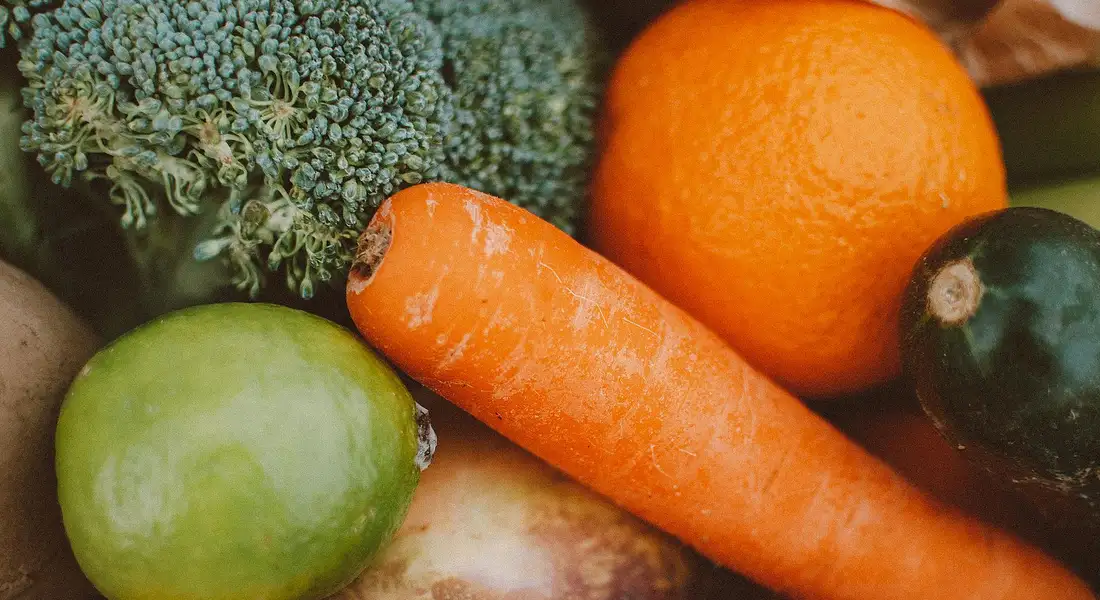
I always wash veggies thoroughly to remove pesticides and dirt that could harm my guinea pigs. Soaking leafy greens in a bowl of cold water with a sprinkle of baking soda for 5-10 minutes helps lift contaminants effectively. Rinse them under cool running water afterward, gently rubbing the surfaces.
For firmer vegetables like bell peppers or zucchini, I use a dedicated soft-bristled brush to scrub the skin. This extra step ensures no harmful residues linger on the food your guinea pigs will eagerly munch on.
Step 2: Cutting for Easy Eating
Guinea pigs have small mouths, so I cut vegetables into manageable, bite-sized pieces. Slice items like carrots or cucumbers into thin rounds or small sticks to prevent choking and make eating effortless. For leafy greens, I tear them by hand into palm-sized portions. These vegetable prep steps help ensure guinea pigs get safe, bite-sized portions. Safe sizing also makes meals easier on their tiny mouths.
I’ve noticed my guinea pig, Biscuit, prefers her veggies sliced at a slight angle. Experimenting with different cuts can encourage even the most reserved eaters to enjoy their meals fully.
Step 3: Storage Tips to Maximize Shelf Life
Proper storage keeps vegetables fresh and nutritious for your pets. Store leafy greens in airtight containers lined with a dry paper towel to absorb excess moisture and prevent wilting. I place them in the crisper drawer of my refrigerator.
For root vegetables like carrots or beets, remove the greens before storing to extend their freshness. Always check stored veggies daily for signs of spoilage, like sliminess or discoloration, and discard any that look off. This habit ensures your guinea pigs only get the best, much like when you store their pellets properly to maintain freshness.
Addressing Common Feeding Issues
Managing Picky Eaters
Some guinea pigs, like my Clover, can be selective with their veggies. Knowing what foods guinea pigs have access to helps tailor their meals. Aim for safe, varied options that fit their palate. Introduce new vegetables gradually, mixed with their favorites, to expand their palate without causing stress. Offer a small piece alongside familiar foods during their regular feeding time.
- Rotate vegetable types weekly to provide variety and maintain interest.
- Hand-feed stubborn eaters to build positive associations with new foods.
- Remove uneaten veggies after an hour to keep the cage clean and encourage eating at mealtime.
Patience is key; it took Pepper three tries before he accepted kale. Consistency and gentle encouragement often turn picky eaters into adventurous ones over time.
Preventing Obesity and Digestive Upsets
Overfeeding veggies can lead to weight gain and digestive issues like bloating or diarrhea. Stick to recommended daily portions-about one cup of fresh vegetables per guinea pig-and adjust based on their size and activity level. I measure portions using a small kitchen scale or measuring cup for accuracy.
Avoid high-sugar vegetables, such as corn or sweet potatoes, as occasional treats only. Focus on high-fiber options like romaine lettuce and bell peppers to support healthy digestion and weight management.
- Monitor your guinea pig’s weight monthly with a small pet scale.
- Introduce one new vegetable at a time to watch for any adverse reactions.
- Ensure unlimited access to hay, which aids digestion and wears down teeth naturally.
From experience, a balanced diet keeps my guinea pigs energetic and avoids vet visits. Regular observation helps you catch early signs of discomfort, like reduced appetite or unusual droppings, so you can act quickly.
FAQs
Can guinea pigs eat fruits, and how often should they be given?
Fruits can be offered as occasional treats due to their high sugar content, which can lead to weight gain if overfed. Limit fruits like apples or berries to small pieces once or twice a week to maintain a balanced diet and prevent health issues.
Are there any simple recipes for preparing vegetable mixes for guinea pigs?
You can create easy, nutritious mixes by combining daily staples like romaine lettuce and bell peppers with rotational veggies such as cilantro or zucchini. Always chop ingredients into small, manageable pieces to encourage eating and support digestion without overwhelming your pet.
What should a daily vegetable diet chart for guinea pigs include?
A well-rounded chart should list daily essentials like vitamin C-rich bell peppers and hydrating cucumbers, alongside weekly rotational items like carrots or broccoli in moderation. Tailor portions to about one cup per day, adjusting for your guinea pig’s age, weight, and activity level to ensure optimal health. Knowing your guinea pig’s daily calorie requirements helps you balance these foods without overfeeding. It also supports steady energy and healthy weight management.
Nourishing Your Guinea Pig: A Quick Recap
Feed your guinea pig about one cup of fresh vegetables daily, focusing on vitamin C-rich choices like bell peppers and leafy greens. Always introduce new foods slowly and remove uneaten veggies to keep their habitat clean and safe. For a list of safe options to include, visit our guinea pig diet: safe vegetables and greens guide.
Your journey as a pet owner involves constant learning and adapting to provide the best life for your small companions. Choosing organic or homegrown produce when possible supports both your pet’s health and a healthier planet.
Further Reading & Sources
- Guinea pig feeding schedule and dietary needs | Humane World for Animals
- Veggie Guide | Southern California Guinea Pig Rescue
- What vegetables and fruits can guinea pigs eat daily?
- r/guineapigs on Reddit: What do I feed my Guinea pigs daily? Wth is “1 cup of fresh veggies”
Kate is a passionate guinea pig owner and advocate for small pet welfare. With over a decade of experience caring for guinea pigs, she has become a trusted voice in the small pet community.
Uncategorized