How to Choose the Best Hay for Your Guinea Pig
Hello CavyFam! Selecting the right hay for your guinea pig might feel overwhelming, but it’s the foundation of their health and happiness.
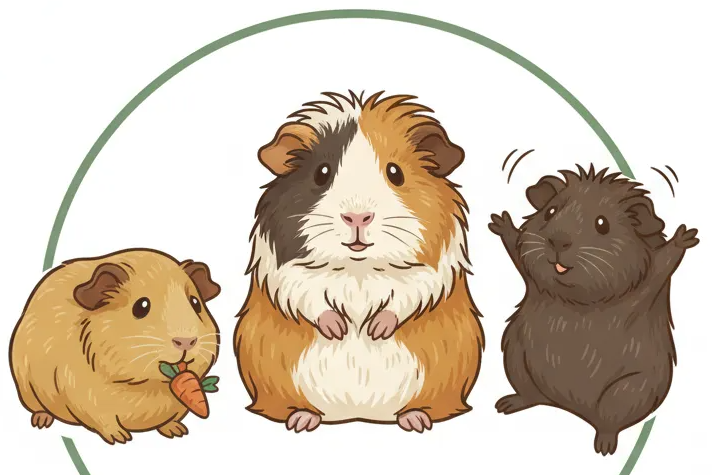
I’ve spent years fine-tuning hay choices for my own guinea pigs-Pepper, Clover, and Biscuit-so you can skip the guesswork and feel confident.
In this guide, I’ll walk you through types of hay, nutritional benefits, selection based on age and health, and storage tips. With hands-on experience caring for my trio of cavies, I offer trusted advice to keep your pets thriving.
Why Hay Is Essential for Your Guinea Pig’s Well-Being
Hay is the cornerstone of a healthy guinea pig diet, far more than just bedding or a snack. Providing unlimited, fresh hay daily is the single most important thing you can do for your pet’s long-term health. I learned this firsthand when my guinea pig Biscuit went through a brief digestive slowdown; increasing his hay variety immediately restored his energy and appetite. You can check how much hay is required for a guinea pig daily to ensure you’re giving enough.
- Digestive Health: The high fiber content keeps their complex digestive system moving smoothly, preventing painful and dangerous blockages.
- Dental Health: Their teeth never stop growing. The constant chewing action required to eat hay grinds their teeth down naturally, preventing overgrowth and malocclusion.
- Mental Stimulation: Foraging through a big pile of hay mimics their natural grazing behavior, keeping them active and engaged for hours.
- Weight Management: Hay is low in calories but high in bulk, helping your guinea pig feel full and satisfied without gaining excess weight.
My gentle giant, Pepper, has maintained perfect digestive health for his entire two years simply by having a constant, fresh supply of Timothy hay available. Think of hay not as food, but as a vital, non-negotiable part of their lifestyle.
Types of Hay: Which One Is Right for Your Pet?
Not all hay is created equal. Choosing the right type depends on your guinea pig’s age, health, and nutritional needs. Mixing a couple of grass hays can provide variety and encourage even more eating. For many guinea pigs, timothy hay vs orchard grass is a common question when choosing the best option. We’ll compare the two to help you decide which is better for your guinea pig. Here’s a quick comparison of the most common types.
| Hay Type | Fiber Content | Calcium Content | Best For |
|---|---|---|---|
| Timothy Hay | High | Moderate | All adult guinea pigs as a staple diet. |
| Orchard Grass Hay | High | Low | Adults, especially those sensitive to Timothy hay pollen. |
| Meadow Hay | High | Moderate | Adults as a varied, mixed-grass option. |
| Alfalfa Hay | Moderate | Very High | Only for young pups under 6 months, pregnant, or nursing sows. |
Timothy Hay: The Go-To Choice
Timothy hay is the gold standard for a reason. Its ideal balance of long, fibrous stems and soft, leafy greens provides the perfect texture for both digestion and dental wear. The coarse stems are especially effective at grinding down those constantly growing molars in the back of their mouth. I feed a blend of first and second-cut Timothy to my trio; the first cut offers more stem for dental health, while the second cut is leafier and often more enticing for picky eaters like my thoughtful Clover.
Meadow Hay and Other Grass Varieties
Meadow hay is a fantastic alternative or supplement to Timothy hay. It’s typically a mix of various soft grasses and herbs, which can make it more aromatic and interesting for your pet. If your guinea pig seems bored with their usual hay, introducing a bit of meadow hay can renew their interest. Orchard grass is another excellent low-dust, soft option that I often mix in, especially during allergy season, as it’s less likely to cause sneezing in sensitive pigs or owners. Generally, hay remains the better staple for guinea pigs because of its fiber content and dental benefits. Fresh grass can be a nice supplement when offered in moderation and from clean, pesticide-free sources. For more information on the differences between guinea pig hay vs grass, be sure to check reliable resources.
Alfalfa Hay: For Specific Needs
Alfalfa hay is a legume hay, not a grass hay, which makes it fundamentally different. It is packed with extra protein and calcium, which is crucial for growing babies, pregnant mothers, and underweight guinea pigs needing to gain. I fed alfalfa to Biscuit when he was a young pup to support his rapid growth. However, you must use it with caution. For adult guinea pigs, the high calcium content can lead to serious health issues like bladder stones. Once your pig reaches about six months old, you should transition them completely to grass hays. This topic is part of a complete guide to guinea pigs and alfalfa hay, including practical feeding recommendations. It also explains who should eat alfalfa, how much is appropriate, and how to transition safely to grass hay.
Understanding Hay Cuts: First Cut vs. Second Cut
Think of hay cuts like different harvests from the same field. Each cut offers a unique nutritional profile and texture for your guinea pig. If you’re transitioning to a new hay, do it gradually to avoid digestive upset. Start by mixing a small amount of the new hay with the current hay and gradually increase the new hay over several days.
First cut hay is the initial harvest. It grows quickly and features thicker, woodier stems and seed heads. First cut is packed with fiber, which is fantastic for wearing down those constantly growing teeth and promoting healthy digestion. It’s a bit like a hearty, fibrous salad for them.
Second cut hay comes from the next growth cycle. This hay is leafier, softer, and generally more fragrant. Second cut is often richer in protein and fat, making it incredibly palatable and a favorite for many picky eaters. It’s the equivalent of a tender, gourmet green.
For adult guinea pigs, I rely on a mix. My steady boy, Pepper, thrives on the dental benefits of first cut. But my more graceful Clover and reserved Biscuit often prefer the softer texture of second cut. I typically use a base of high-fiber first cut and sprinkle in second cut to encourage everyone to eat enough roughage. This combination ensures they get the necessary fiber while enjoying their meals.
How to Select High-Quality Hay
Picking the perfect hay is a sensory experience. You need to look, smell, and feel your way to a good bag or bale. Follow this simple checklist every time you shop.
- Inspect the color under good light.
- Take a deep sniff of the hay’s aroma.
- Feel a handful for texture and dust.
- Check the stem-to-leaf ratio for balance.
Assess Color and Freshness
Color is your first clue to quality. You want to see a vibrant, green hue. This indicates the hay was cut at its peak and cured properly, locking in nutrients. Avoid hay that looks like straw-brown, yellow, or faded-as it has lost most of its nutritional value. I once bought a discounted bag that was mostly yellow; my guinea pigs turned their noses up at it completely.
Check for Dust and Mold
Your guinea pig’s respiratory system is very sensitive. Open the bag and take a gentle sniff. You should smell clean, sweet, and slightly grassy. If you detect a musty, mildewy, or “off” smell, put it back immediately, as this signals dangerous mold. Next, grab a handful and give it a light squeeze. It should feel dry but not dusty. A cloud of dust means it could irritate your pet’s lungs and eyes. Air quality matters for guinea pigs. Household scents and chemicals—like air fresheners, scented cleaners, and candles—can irritate their delicate lungs.
Evaluate Stem-to-Leaf Ratio
A good mix of stems and leaves provides the perfect balance of chew-work and tasty nutrition. You want a blend that encourages natural gnawing behavior without being so tough they refuse to eat it. Look for hay that has a decent amount of pliable stems mixed with plenty of soft, leafy greens. My intelligent Biscuit is particularly fussy; if the hay is too stemmy, he’ll meticulously pick out only the leaves, leaving a pile of stalks behind.
Feeding Guidelines: How Much Hay Daily?
Guinea pigs need hay available around the clock to stay healthy and happy. Unlimited access to hay supports their digestive systems and keeps their teeth from overgrowing. Hay is the cornerstone of a guinea pig’s diet because it provides the fiber essential for digestion and helps wear down their constantly growing teeth. In my home, Pepper, Clover, and Biscuit always have full hay racks, which mimics their natural grazing habits.
- Portion sizes should fill a hay rack or feeder large enough for your guinea pig to reach easily throughout the day.
- Feed hay continuously, not just at set meal times, to encourage constant nibbling.
- Unlimited access prevents health issues like GI stasis and dental problems, which I’ve seen firsthand with my gentle Pepper.
To cut down on waste, I use hay racks that keep hay off the cage floor. This simple change reduced mess and ensured my curious Biscuit didn’t trample his food. Check hay levels daily and top up as needed, but avoid piling too much at once to keep it fresh.
Proper Hay Storage for Longevity
Storing hay correctly keeps it fresh, nutritious, and free from mold. I always keep hay in a cool, dry spot away from direct sunlight to preserve its quality. Over the years, I’ve found that proper storage makes a huge difference in how eagerly Clover and Biscuit eat their meals, especially when comparing hay cubes versus loose long-strand hay.
- Choose a storage container that allows some air circulation, like a breathable bin or bag.
- Place hay in a closet or pantry where temperatures stay consistent and humidity is low.
- Seal containers loosely to prevent moisture buildup, which can lead to spoilage.
For eco-friendly options, I reuse cardboard boxes or cotton bags instead of plastic. This not only reduces waste but also helps the hay stay dry and aromatic for my guinea pigs. Rotate your hay supply regularly, using older batches first to ensure nothing goes to waste.
What If Your Guinea Pig Rejects Hay?

I’ve had guinea pigs turn up their noses at a new bale, and it’s always a bit worrying. Don’t panic if this happens; a little patience and detective work usually solves the problem. Here’s what to do.
- Mix in a Tempting Treat: Lightly sprinkle their absolute favorite veggie, like finely chopped cilantro or bell pepper, right into the hay. They’ll forage for the treat and accidentally munch on the hay, getting used to its taste and texture.
- Offer a Different Cut or Variety: My guinea pig, Biscuit, once rejected a coarse Timothy hay but devoured a softer, second-cut version. Try switching from orchard grass to meadow hay, or test a different brand. Their preferences can be surprisingly specific.
- Check the Hay’s Freshness: Sometimes the issue isn’t the type of hay, but its age. Open a new, sealed package from a different batch. Stale hay loses its appealing aroma and crunch, making it uninteresting.
- Ensure Easy Access: Place hay in multiple locations, including a rack and a shallow pile on the cage floor. Some pigs, like my graceful Clover, prefer not to wrestle it from a rack and would rather eat it straight from the ground.
- Rule Out Dental Issues: A sudden, complete refusal to eat hay can signal a dental problem, as their teeth constantly grow and need hay to grind down. If your guinea pig stops eating hay entirely or shows signs of drooling, a vet visit is non-negotiable for their welfare.
Recognizing and Avoiding Bad Hay

Learning to spot bad hay saved me from a scary situation with my first guinea pig, Pepper. Your nose and eyes are your best tools for ensuring you only provide safe, nutritious food. Watch for these red flags.
- A Musty or Mildewy Smell: Good hay should smell sweet and grassy, like a fresh meadow. Any hint of dampness, mold, or fermentation means toss it out immediately.
- Visible Mold or Dust: Look for white or grey fuzzy patches. When you grab a handful, it shouldn’t release a cloud of brown dust. This can cause serious respiratory infections.
- Discoloration or Heat: Hay should be largely green. Brown or black patches can indicate rot or that it was baled while too wet. If the bale feels unusually warm to the touch, it’s composting internally and is unsafe.
- An Overabundance of Stems and Weeds: While some stems are normal, a bale that is mostly tough, inedible stalks and contains lots of unknown weeds lacks nutritional value and won’t be palatable.
- Presence of Insects or Debris: Check for unwanted critters or foreign objects. I once found a small piece of twine, which was a stark reminder to always sift through a new batch before feeding.
I learned this lesson the hard way after buying a discounted bale that seemed fine on the outside. A day later, I noticed Pepper was lethargic, and the hay had a faint, sour smell I’d initially missed. We avoided a major illness, but it taught me that quality is never an area to compromise on for their health.
FAQs
Where can I buy hay for my guinea pig?
You can purchase hay from pet stores, farm supply shops, or online retailers. Always check for freshness and quality to ensure it meets your pet’s needs.
How can I find hay for guinea pigs near me?
Search for local pet stores or farm supply outlets that carry small animal supplies. Many stores allow online checking of inventory to confirm availability before you visit.
Is hay from Walmart suitable for guinea pigs?
Walmart may stock hay, but inspect it closely for dust, mold, and color to ensure it’s safe. Consider comparing brands and prices with specialized pet stores for better quality options.
Can I buy hay for guinea pigs on Amazon?
Yes, Amazon offers a wide selection of hay from various brands with customer reviews. Look for detailed product descriptions and fast shipping to maintain freshness upon delivery.
Should I use hay as bedding for my guinea pig?
Hay can serve as bedding, but it’s primarily for eating and may not be as absorbent as other materials. Provide a separate, dedicated bedding to keep the cage clean and reduce waste of edible hay.
Your Guinea Pig’s Hay Happiness
After years with my own guinea pigs, like gentle Pepper and reserved Biscuit, I always prioritize unlimited Timothy hay for adults to support digestion and dental health. Choosing hay that’s fresh, green, and free from dust or mold is a simple step that directly boosts your pet’s vitality and happiness. Proper storage is essential to keeping it fresh, so be sure to store it correctly.
Responsible ownership means staying curious about guinea pig care and selecting eco-friendly hay sources to reduce environmental impact. Your dedication to learning and sustainability not only nurtures your furry friends but also contributes to a kinder, greener world for all animals—but it also underscores the emotional commitment required to provide them with the best life possible.
Further Reading & Sources
- What is the best hay for Guinea pigs | The Guinea Pig Forum
- Best Hays for Guinea Pigs – Nutritional Breakdown Comparison – The Little Hay Company
- The Best Types of Guinea Pig Hay | GuineaDad
- What are the Best Types of Hay for Guinea Pigs? – Oxbow Animal Health
Kate is a passionate guinea pig owner and advocate for small pet welfare. With over a decade of experience caring for guinea pigs, she has become a trusted voice in the small pet community.
Uncategorized