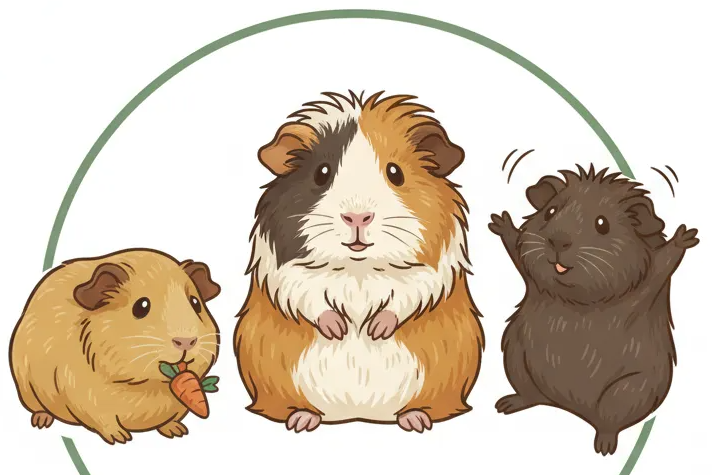
Are Capybaras Related to Guinea Pigs?
Published on: September 19, 2026 | Last Updated: September 19, 2026
Written By: Kate M. Callahan
Hello CavyFam! Ever seen a capybara and thought, “Is that a weirdly large guinea pig?” You’re not alone in wondering about this giant, water-loving creature.
In this guide, we’ll explore the fascinating family ties between these adorable rodents. We’ll cover their scientific classification, key physical differences, and surprising behavioral similarities. I’ve spent years caring for my own guinea pigs-Pepper, Clover, and Biscuit-and studying rodent biology to give you accurate, experience-backed insights.
Our Shared Rodent Family Tree
Both capybaras and guinea pigs belong to the scientific suborder Hystricomorpha, a specific branch of the rodent family tree. This places them as evolutionary cousins, sharing a common ancestor millions of years ago. I’ve always found it fascinating that my small, squeaky companions are distantly related to the largest rodent in the world.
Their scientific classification gets even more specific. They are part of the same infraorder, Caviomorpha, which groups together rodents native to South America. This shared lineage explains many of the physical and behavioral traits you can observe in both animals. It’s a classic case of nature scaling a successful design up and down.
Spotting the Family Resemblance: Capybara vs. Guinea Pig
Once you know they’re related, the similarities become much clearer. It’s like seeing the family nose on two very different cousins.
What They Have in Common
- Tooth Structure: Both have continuously growing front teeth (incisors), a hallmark of rodents. My guinea pigs, Pepper and Biscuit, constantly need hay to wear these down.
- Herbivorous Diet: Their digestive systems are designed for a plant-based diet rich in grasses and hay. I notice the same focused munching whether watching my pets or a capybara video.
- Social, Gregarious Nature: They are highly social creatures that thrive in groups. My trio-Pepper, Clover, and Biscuit-demonstrate this daily with their constant chatter and need for companionship.
- Similar Body Shape: Look past the size, and you’ll see a shared stout, barrel-shaped body with a large head and short legs.
The Obvious Differences
Despite their family ties, the differences are impossible to miss. The most dramatic is, of course, size.
- Size and Weight: A capybara can weigh over 100 pounds, while my largest guinea pig, Clover, is a petite 2.5 pounds.
- Lifestyle: Capybaras are semi-aquatic, spending much of their time in water. Guinea pigs are strictly terrestrial. You would never catch my cautious Biscuit voluntarily near a large body of water!
- Tail: Capybaras have a small, vestigial tail, while guinea pigs have no visible tail at all.
Observing these traits side-by-side really highlights how evolution has shaped the same basic blueprint for two very different lives. It gives me a profound appreciation for the adaptability of the rodent family and the unique charm of my own little cavies.
Beyond Size: Are Capybaras Just Giant Guinea Pigs?
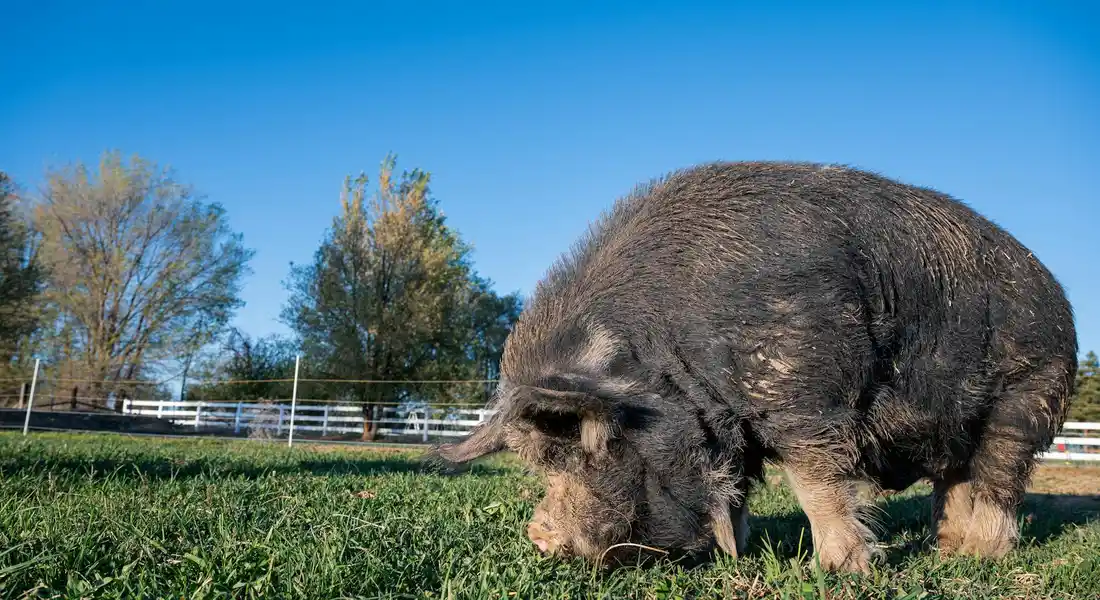
While they share a family tree in the rodent world, thinking of a capybara as just a supersized guinea pig is like calling a wolf a large Chihuahua. The differences go far beyond the scale, touching on their biology, instincts, and fundamental needs. My own guinea pig, Biscuit, is a perfect example of a creature perfectly adapted to a small, safe habitat, which is a world away from a capybara’s lifestyle.
Let’s look at some of the key physical distinctions that separate these cousins.
Key Physical Differences
- Teeth for Different Diets: A capybara’s teeth grow continuously, much like a guinea pig’s, but they are far stronger and built for grinding coarse aquatic vegetation.
- Webbed Feet for a Semi-Aquatic Life: Capybaras have partially webbed feet, making them excellent swimmers. Your guinea pig’s tiny feet are built for scurrying on solid ground.
- Fur Texture and Function: A capybara’s fur is coarse and sparse, drying quickly after a swim. Guinea pig fur, especially on long-haired breeds like my Peruvian, Biscuit, is dense and meant for insulation in a dry environment.
Could a Guinea Pig and Capybara Ever Live Together?
This is a question I’ve heard before, often born from a beautiful hope that these gentle-looking rodents could be friends. The honest answer is a resounding no; cohabitation is not safe, practical, or in the best interest of either animal. The risks are simply too great. That leads straight to the topic: do male guinea pigs get along peacefully in the same cage? In most cases, they do not; boars are territorial and fights can erupt even among seemingly compatible pairs.
My gentle guinea pig, Pepper, would be terrified by the sheer size and different communication style of a capybara.
Why This is a Dangerous Idea
- Massive Size Disparity: An accidental roll or step from a capybara could be fatal for a guinea pig. It’s an unfair physical mismatch.
- Completely Different Social Structures: Capybaras live in large, complex herds near water. Guinea pigs thrive in small, stable groups in a controlled, indoor environment.
- Disease Transmission Risk: They can carry different bacteria and parasites. Introducing them puts both animals at an unnecessary health risk.
- Fundamentally Opposing Habitat Needs: A capybara requires a large pond or pool. A guinea pig’s habitat must be kept dry to prevent respiratory infections and skin issues.
The best way to appreciate both animals is to love them separately for the unique creatures they are. If you’re looking for a complete guide to what guinea pigs like and dislike, this resource helps you understand their preferences. Provide your guinea pig with a safe, enriching home filled with hay, hideys, and guinea pig friends, and admire capybaras from a respectful distance in their natural element.
Why Your Home is Better Suited for a Guinea Pig
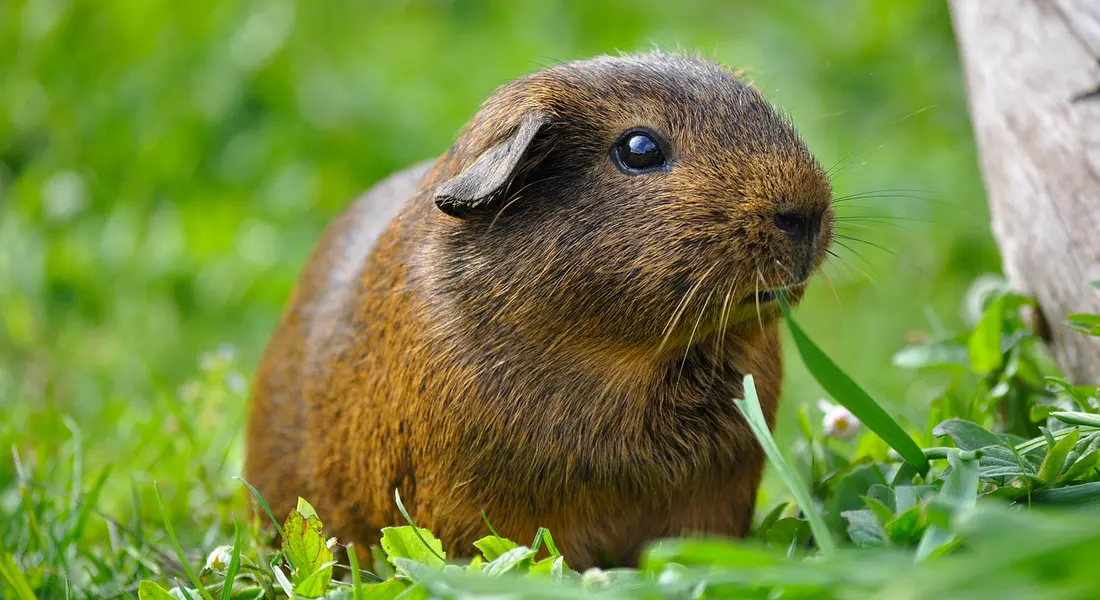
Guinea pigs fit perfectly into household life because their small size and gentle nature make them ideal companions for indoor spaces. With my guinea pigs Pepper, Clover, and Biscuit, I have seen how their manageable care needs align beautifully with a typical home environment. In my experience, they are fairly easy to care for, provided you maintain regular cage cleaning, consistent feeding, and daily social interaction. They aren’t demanding compared to many other small pets, but they do require daily attention.
These furry friends thrive in cozy cages that fit easily in a living room or bedroom. You can provide a safe and enriching habitat without needing a large yard or special permits.
Key Reasons Guinea Pigs Excel as Home Pets
- Compact living requirements-a standard cage works well for their daily activities and sleep
- Lower noise levels compared to larger animals, reducing stress for you and neighbors
- Simple dietary needs that include fresh hay, vegetables, and pellets available at pet stores
- Minimal space for exercise; a small play area indoors keeps them happy and healthy
From my experience, Pepper’s steady personality means he rarely startles at household sounds. Guinea pigs like him adapt quickly to family routines, offering quiet companionship.
Caring for them supports animal welfare by avoiding the challenges of housing exotic species. Choosing a guinea pig ensures you can meet all their needs responsibly and lovingly. Proper care for guinea pigs means providing a spacious cage, fresh hay, and daily companionship. Learning how to properly care for guinea pigs helps keep them healthy and happy.
The Gentle Giants: Understanding Capybara Social Behavior
Capybaras live in large groups in the wild, relying on strong social bonds for survival and well-being. Observing these animals highlights why their complex social needs are hard to replicate in a home setting.
They communicate through vocalizations and physical contact, much like guinea pigs but on a grander scale. In my time with guinea pigs, I have noticed how Clover’s thoughtful interactions mirror capybara grace, yet capybaras demand vast spaces to express their full social range.
Notable Capybara Social Traits
- Group living with hierarchies that require constant interaction and space to roam
- Water-based activities essential for their health, needing pools or ponds to thrive
- Vocal cues and grooming rituals that strengthen community ties among members
- High intelligence leading to boredom if not provided with stimulating environments
Capybaras’ social depth makes them fascinating but impractical for most homes. Advocating for their welfare means appreciating them in natural habitats or accredited sanctuaries.
Comparing capybaras to guinea pigs like Biscuit shows how simpler social structures suit domestic life. Guinea pigs offer similar affectionate behaviors without the overwhelming space and resource demands. So what do these common bonding behaviors mean for owners? Do they indicate genuine bonding and compatibility between individuals?
FAQs
Are capybaras endangered?
Capybaras are not endangered and are listed as Least Concern by the IUCN. Their populations remain stable in their native South American habitats.
Are capybaras and guinea pigs friendly animals?
Guinea pigs are generally friendly and social with humans due to domestication. They typically enjoy gentle petting on the head and back, and they show affection by nuzzling into your hand or softly purring. Capybaras can be gentle in the wild but are not typically kept as pets due to their size and needs.
What is the capybara guinea pig meme?
The capybara guinea pig meme is an internet trend that humorously compares the two animals as oversized cousins. It often features images or captions highlighting their similar appearances and laid-back attitudes.
Can capybaras and guinea pigs hybridize?
Capybaras and guinea pigs cannot hybridize because they are different species with incompatible genetics. Crossbreeding is not possible between them. However, when considering housing guinea pigs with other pets, compatibility becomes an important factor to consider.
Are there different breeds of capybaras and guinea pigs?
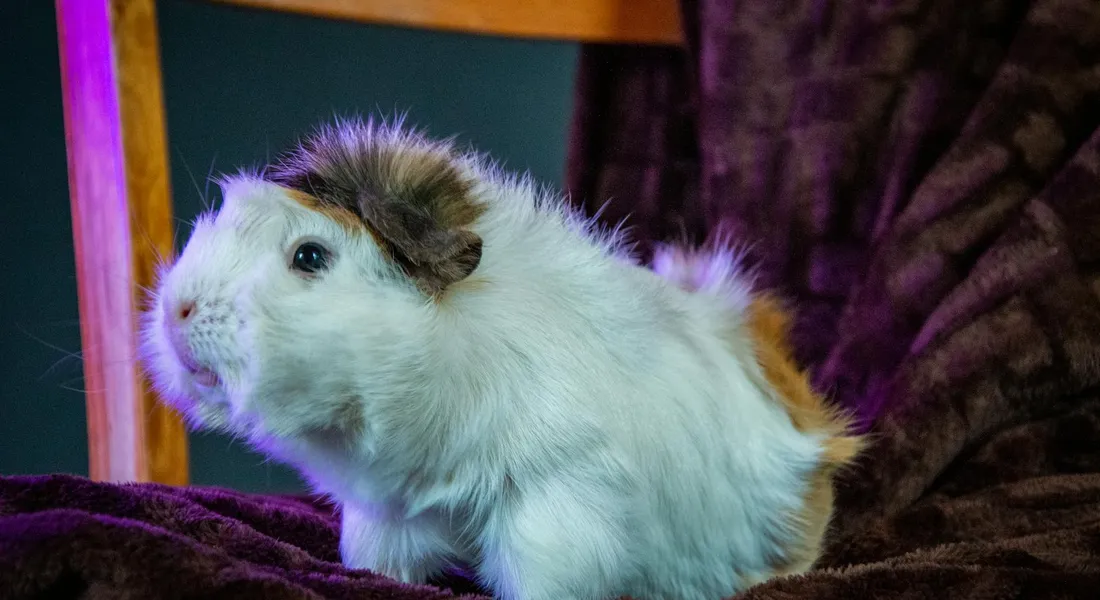
Guinea pigs have many breeds, such as American and Abyssinian, developed for varied coat types. This is the kind of distinction people mean when they ask if there are different guinea pig breeds. In short, guinea pigs have recognized breeds based on coat types. Capybaras do not have distinct breeds but may show minor physical differences across regions.
Your Guinea Pig’s Wild Cousins
While capybaras and guinea pigs are both rodents from South America, their care and size are worlds apart. Understanding their shared heritage helps us appreciate our pets’ natural behaviors, but their needs in our homes are completely different. Are guinea pigs rodents? Understanding their classification as rodents helps explain why they have ever-growing teeth and why chewing is essential to their health.
Responsible guinea pig ownership means committing to their specific diet, spacious habitats, and social needs. I always encourage fellow owners to keep learning about eco-friendly care, like using paper-based bedding and providing safe, untreated hay for their constant chewing. Emotional commitment matters: daily interaction, gentle handling, and consistent routines build trust and happiness in your guinea pig. When you invest in that bond, you’ll see your pig thrive.
Further Reading & Sources
- Are capybaras related to guinea pigs? – GuineaDad
- Episode 409: Guinea Pigs and Capybaras | Strange Animals Podcast
- r/guineapigs on Reddit: Why hasn’t the Capybara (related to the Guinea Pig) been domesticated/farmed as the Guinea Pig?
- Capybara vs. Guinea Pig – CapyBara Mag
Kate is a passionate guinea pig owner and advocate for small pet welfare. With over a decade of experience caring for guinea pigs, she has become a trusted voice in the small pet community.
Uncategorized