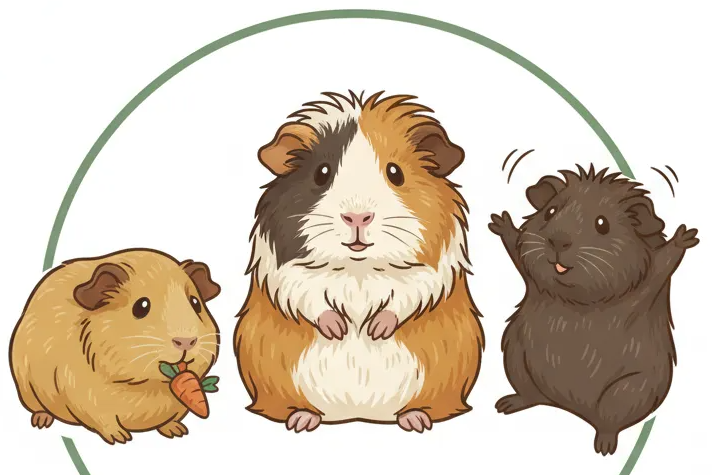
Can Guinea Pigs Eat Pasta and Noodles? A Pet Owner’s Guide
Published on: October 7, 2026 | Last Updated: October 7, 2026
Written By: Kate M. Callahan
Hello CavyFam! You might be curious if sharing pasta or noodles with your guinea pig is safe, and worried it could upset their stomach or harm their health.
I will cover safety concerns, nutritional impacts, proper feeding methods, and healthy alternatives in this guide. With years of hands-on experience caring for guinea pigs like my own-Pepper, Clover, and Biscuit-I provide trustworthy advice to keep your furry friends thriving.
A Quick Look at Pasta and Guinea Pigs
At first glance, sharing a tiny piece of your dinner pasta with your curious guinea pig seems harmless. I’ve seen that hopeful look from my own guinea pig, Pepper, who will stand on his hind legs whenever I’m in the kitchen. But their little bodies are built for a very specific, fiber-rich diet, and pasta simply doesn’t fit the bill.
Pasta and noodles are made from refined grains like wheat or rice. These ingredients are packed with carbohydrates and calories but offer almost no nutritional value for a guinea pig. Think of it like feeding them fluffy cardboard-it fills space in their stomach but provides none of the vital nutrients they desperately need to thrive.
Why Pasta and Noodles Are Unsafe for Guinea Pigs
The core of the issue lies in your guinea pig’s unique digestive system. Guinea pigs are hindgut fermenters, which means their digestive health depends entirely on a constant flow of high-fiber roughage. For example, fresh wheatgrass and other grasses can be convenient, fibrous additions to a guinea pig’s daily grazing routine. They help provide the roughage and variety that support a healthy hindgut. My thoughtful girl, Clover, thrives on this simple, natural diet.
Feeding pasta introduces several immediate and serious risks:
- Digestive Upset and Bloating: The high starch content in pasta ferments quickly in their gut, leading to painful gas, bloating, and potentially life-threatening stasis.
- Obesity and Weight Gain: These are empty calories that contribute to unhealthy weight gain, putting stress on their tiny joints and heart.
- Nutritional Deficiencies: Filling up on pasta means your pet eats less of their essential hay and vitamin C-rich veggies, leading to malnutrition over time.
- Choking Hazard: Dry, uncooked pasta can be a serious choking risk, while cooked pasta can become a sticky, doughy mass that’s hard to swallow.
I learned this lesson the hard way with my reserved pig, Biscuit, who once snagged a tiny noodle. Even a small amount caused noticeable digestive discomfort, reinforcing that their systems are far more delicate than they appear. Their well-being is always worth choosing a safer snack.
The Real Dangers of Feeding Your Guinea Pig Pasta
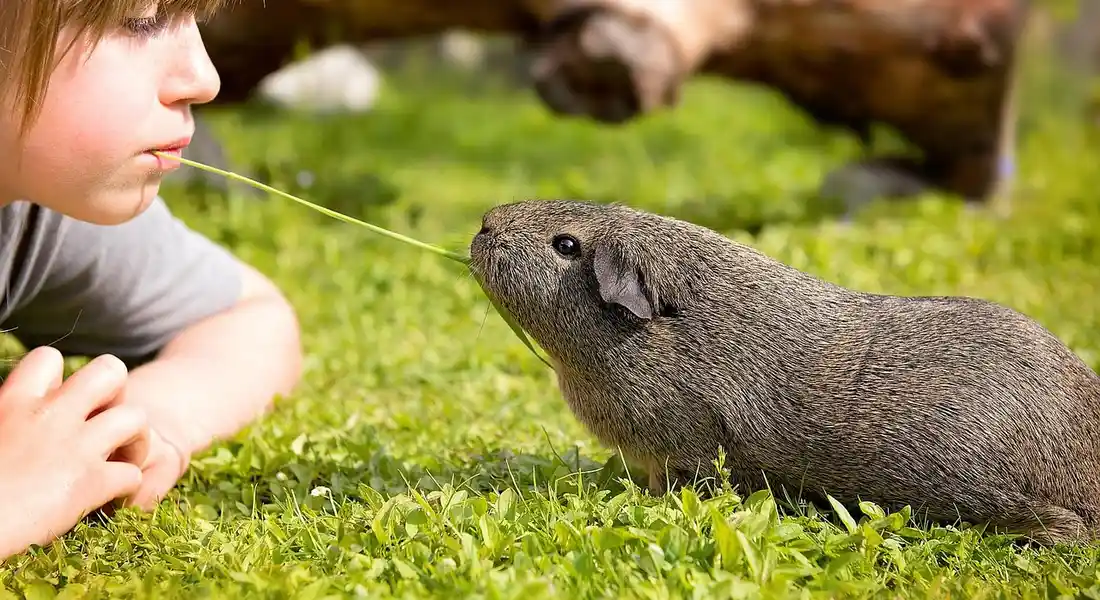
Feeding pasta to your guinea pig isn’t just an unhealthy choice-it poses several direct risks to their delicate systems. Their digestive tracts are designed for a high-fiber, low-carbohydrate diet, and pasta’s starchy composition disrupts this balance severely. I learned this the hard way when my curious guinea pig, Biscuit, managed to nibble a small piece of dry penne I’d dropped, which led to an uncomfortable evening of bloating for her.
One of the most immediate dangers is gastrointestinal stasis, a condition where the gut slows down or stops moving entirely. Pasta’s dense, sticky texture can clump together inside their small stomachs, creating a painful blockage that requires urgent veterinary care. This isn’t a minor stomach ache; it’s a life-threatening situation that can develop frighteningly fast.
Beyond blockages, the high carbohydrate content directly fuels weight gain and obesity. Guinea pigs lack the metabolic flexibility to process these simple carbs efficiently, so the energy gets stored as fat instead of being used. My older pig, Clover, is naturally graceful, but even a little extra weight would put stress on her tiny joints and lead to mobility issues over time.
What to Do If Your Guinea Pig Eats Pasta
If your guinea pig snatches a piece of pasta, stay calm but act methodically to assess the situation. First, immediately remove any remaining pasta from their enclosure to prevent them from eating more. I’ve had to do this more than once with my adventurous pig, Pepper, who has a knack for finding the tiniest fallen crumb.
Follow these steps carefully to monitor their health over the next 24 hours:
- Observe their behavior closely for signs of discomfort, such as hunched posture, lethargy, or teeth grinding.
- Ensure they continue drinking fresh water and eating their regular hay, as this helps keep their gut moving.
- Check their droppings. A decrease in the number, size, or a change in consistency is a major red flag.
- Do not offer any other new treats or vegetables during this observation period.
Contact your veterinarian immediately if you notice any bloating, a complete loss of appetite, or if no droppings are produced for more than 10-12 hours. It is always better to call your vet for advice, even for a tiny amount, as their small size makes them vulnerable to rapid health declines. A quick call can provide peace of mind and specific instructions tailored to your pet.
Breaking Down the Nutrition: Pasta vs. Guinea Pig Needs
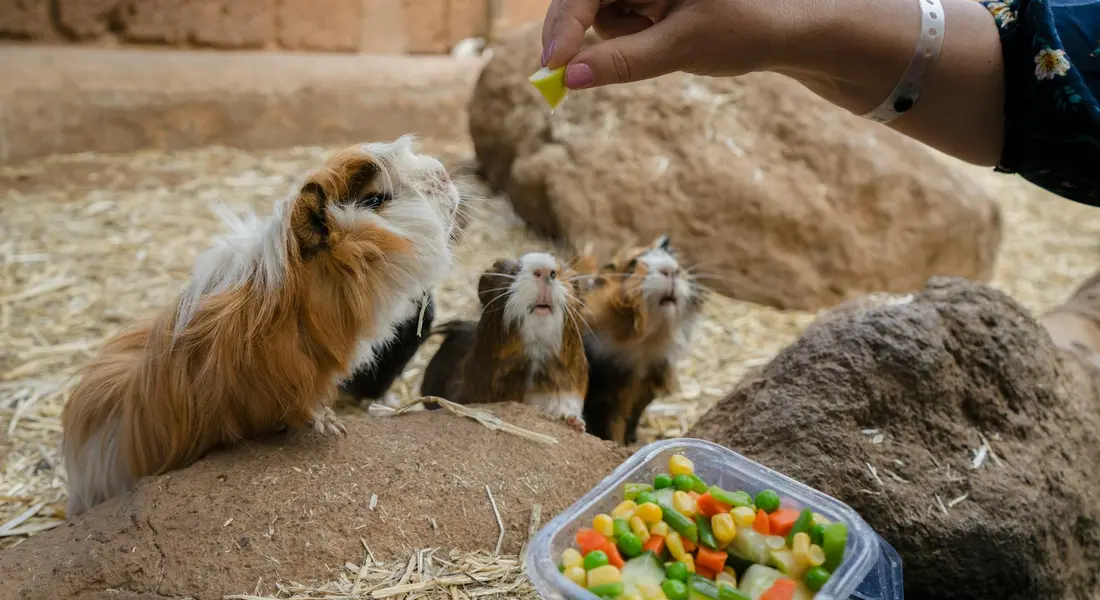
To understand why pasta is such a poor choice, you need to look at the fundamental nutritional mismatch. Guinea pigs are herbivores with a biological requirement for a diet rich in long-strand fiber, specifically from grass hay, which is the absolute cornerstone of their health.
Let’s compare the nutritional profile of a typical dry pasta with what a guinea pig truly needs:
| Nutrient | Dry Pasta (per 100g) | Guinea Pig Dietary Need |
|---|---|---|
| Fiber | ~3g | High, unlimited grass hay |
| Carbohydrates | ~75g | Low, from select veggies |
| Vitamin C | 0mg | Essential, daily supplement required |
| Protein | ~13g | Moderate, from hay & pellets |
Pasta offers almost none of the critical elements they depend on. Most alarmingly, it contains zero Vitamin C, a nutrient guinea pigs cannot synthesize on their own and must get daily from their food to prevent scurvy. Feeding pasta doesn’t just add empty calories; it actively displaces the nutrient-dense foods their bodies are starving for.
Their digestive systems are fermentation vats, perfectly tuned to break down fibrous cellulose. When you feed simple carbs like those in pasta, you are essentially flooding their specialized gut with the wrong type of fuel, which leads to an overgrowth of harmful bacteria and yeast. Watching my pigs thrive on their hay-based diet, I see firsthand how the right food supports their energy, glossy coats, and overall vitality.
Healthy and Safe Food Alternatives to Pasta
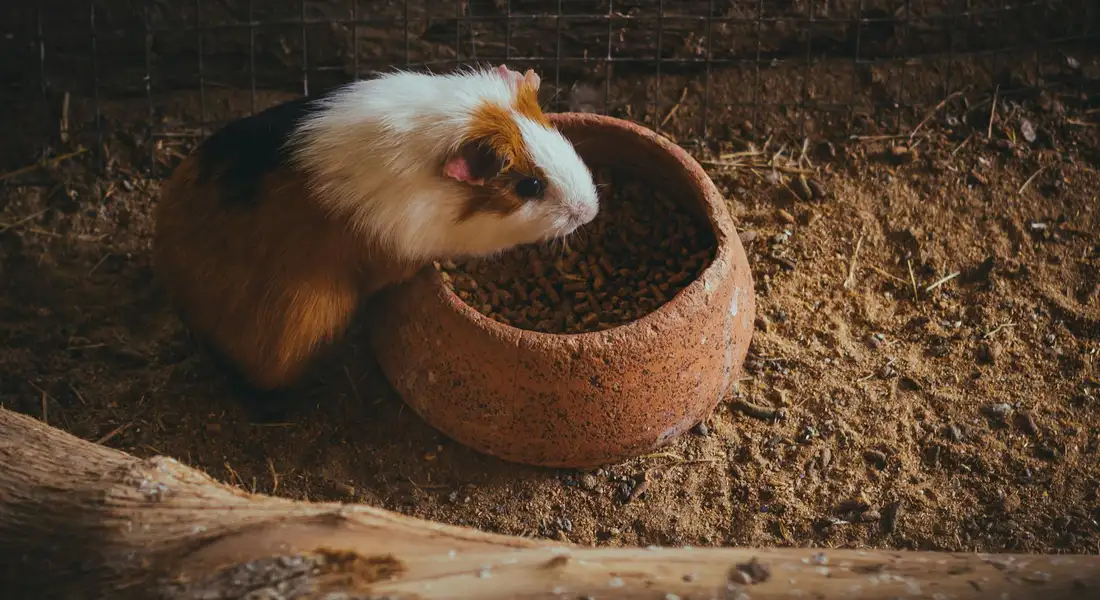
While your guinea pig might look curious about your dinner plate, their body needs very specific foods to thrive. I always keep a variety of fresh hay, high-quality pellets, and safe vegetables on hand to satisfy my guinea pigs’ cravings without the risks of processed human foods. This approach forms part of an ideal overall diet for a healthy guinea pig. A balanced mix of hay, pellets, and fresh vegetables supports digestion, dental health, and steady energy throughout the day.
Top Vegetable Choices for Daily Meals
These veggies are staples in my kitchen for Pepper, Clover, and Biscuit. They provide essential vitamins without the digestive upset.
- Bell Peppers: A fantastic source of Vitamin C. I remove the seeds and offer a slice daily.
- Romaine Lettuce: A hydrating and crunchy favorite. I avoid iceberg lettuce as it has little nutritional value.
- Cucumber: Perfect for hot days to help with hydration. My guinea pigs, especially Biscuit, love the cool crunch.
- Zucchini: A mild and easily digestible squash that’s always a hit.
- Carrot Tops: The leafy greens are more nutritious than the carrot itself and make a wonderful occasional treat.
Occasional Fruit Treats
Fruits are like dessert for guinea pigs-sweet and delightful, but only in tiny amounts.
- Blueberries: I offer one or two as a weekly antioxidant boost.
- Apple Slice: A tiny piece, with all seeds carefully removed, is a rare delight.
- Strawberry: Just the top leafy part or a small slice of the fruit itself.
Watching my guinea pigs’ excited wheeks for a tiny piece of fruit is one of the simple joys of pet ownership, but I always prioritize their health over their momentary excitement.
Understanding Your Guinea Pig’s Natural Diet and Taste
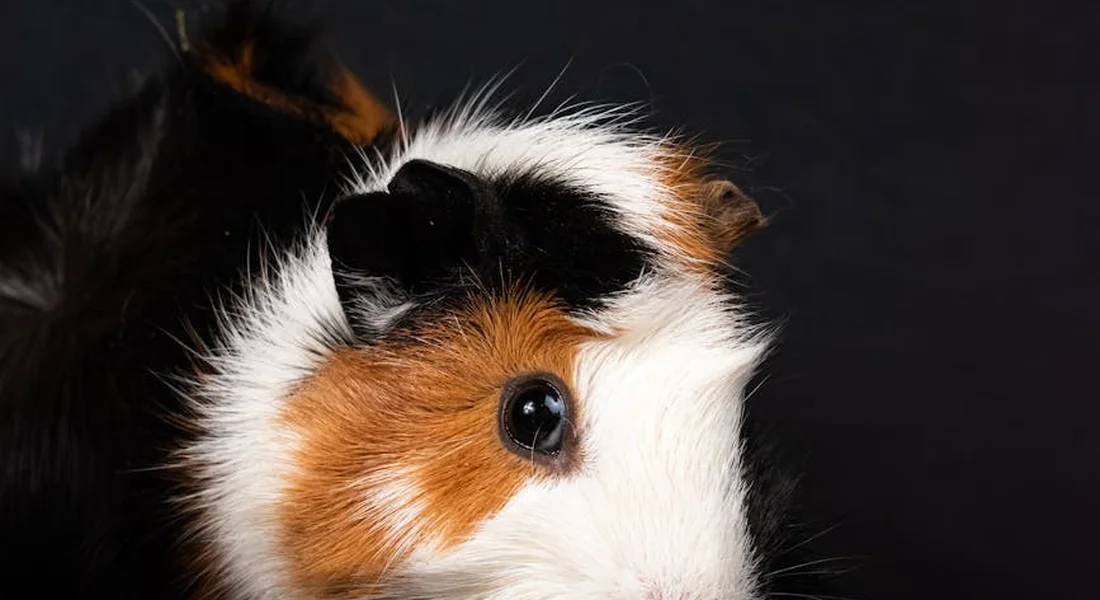
Guinea pigs are natural foragers, designed by evolution to eat a diet rich in fibrous grasses and plants. Their entire digestive system is a finely tuned fermentation vat, built to process high-fiber, low-sugar foods throughout the day. The foods guinea pigs have should be predominantly hay and fresh greens, with small amounts of pellets. This keeps their gut microbes balanced and their vitamin C needs met. Starchy, processed items like pasta simply don’t fit this biological blueprint.
Why Hay is Non-Negotiable
Unlimited timothy or orchard grass hay should make up about 80% of your guinea pig’s diet.
- It provides the necessary roughage to keep their constantly growing teeth worn down.
- The long strands of fiber promote healthy gut motility, preventing dangerous blockages.
- It encourages natural foraging behavior, keeping them mentally stimulated.
I always make sure hay is available 24/7, and I notice a direct correlation between their hay consumption and their overall vitality.
Decoding Their Taste Preferences
Guinea pigs have individual tastes, much like people. Pepper will confidently munch on anything green, while Clover is more cautious and needs to see the others eating first. We always check if the greens are safe for guinea pigs before feeding them.
- Sweet vs. Savory: They generally have a natural inclination towards slightly sweet flavors (like bell pepper) but are not designed for high-sugar content.
- Texture Matters: The satisfying crunch of a fresh vegetable is far more appealing and appropriate for their dental health than the soft, gummy texture of cooked pasta.
- The Familiarity Factor: They often prefer foods they were exposed to when young, which is why offering a variety of safe foods early on is so beneficial.
Learning your guinea pig’s unique personality around food is part of the bonding process and allows you to cater to their preferences within the boundaries of a safe diet. Understanding their favorite treats can make feeding time more enjoyable.
FAQs
Can guinea pigs get paw tattoos for identification?
Paw tattoos are not recommended for guinea pigs due to the risk of pain, stress, and potential infection. Safer alternatives like microchipping provide permanent identification without harming your pet.
What are common disease symptoms in guinea pigs?
Watch for signs like lethargy, loss of appetite, or labored breathing, which can indicate illness. Prompt veterinary care is essential to address health issues early and ensure your guinea pig’s well-being. Learning how to recognize signs of pain or illness in guinea pig behavior can be particularly helpful.
Are castle-themed hideouts safe for guinea pigs?
Castle hideouts can be safe if made from non-toxic, chew-resistant materials like untreated wood or sturdy plastic. Always ensure the structure has no sharp edges or small parts that could pose a choking hazard.
Can guinea pigs use plastic tubes in their habitat?
Plastic tubes are acceptable for play if they are durable, well-ventilated, and free from harmful chemicals. Regularly inspect them for chew marks to prevent your guinea pig from ingesting plastic fragments, as plastic is generally not safe for guinea pigs to chew or eat.
How is asthma treated in guinea pigs?
Asthma treatment typically involves veterinary-prescribed medications like bronchodilators to ease breathing. Reducing environmental irritants, such as dust from bedding, can also help manage symptoms effectively.
Your Guinea Pig’s Health Comes First
After years with Pepper, Clover, and Biscuit, I’ve learned that pasta and noodles simply don’t fit into a guinea pig’s diet because they lack the fiber and nutrients these pets require. Stick to hay as the main food, add fresh veggies for variety, and use pellets to round out their nutrition for optimal health.
Keep exploring guinea pig care to make informed choices, and consider eco-friendly practices like using biodegradable bedding to reduce waste. For a concise reference, explore the ultimate guide to safe bedding options for guinea pigs. It covers which materials are safe and which to avoid. Your ongoing commitment to learning and sustainability helps ensure a safe, happy life for your pets and a healthier planet.
Further Reading & Sources
- r/guineapigs on Reddit: He loves dry spaghetti noodles. Is this weird?
- Can Guinea Pigs Eat Raw Pasta | The Guinea Pig Forum
- Can Guinea Pigs Eat Pasta? (Risks, Facts & More) – Guinea Pig Tube
- Foods Guinea Pigs Should Never Eat – Oxbow Animal Health
Kate is a passionate guinea pig owner and advocate for small pet welfare. With over a decade of experience caring for guinea pigs, she has become a trusted voice in the small pet community.
Uncategorized