Transitioning Your Guinea Pig to a New Pellet Brand: A Step-by-Step Guide
Hello CavyFam! Changing your guinea pig’s food can stir up worries about tummy troubles or refused meals. I’ve been there with my own herd, and a methodical switch makes all the difference for their health and happiness.
This article walks you through recognizing when a change is needed, blending old and new pellets gradually, monitoring for digestive signs, and creating a comfortable routine.
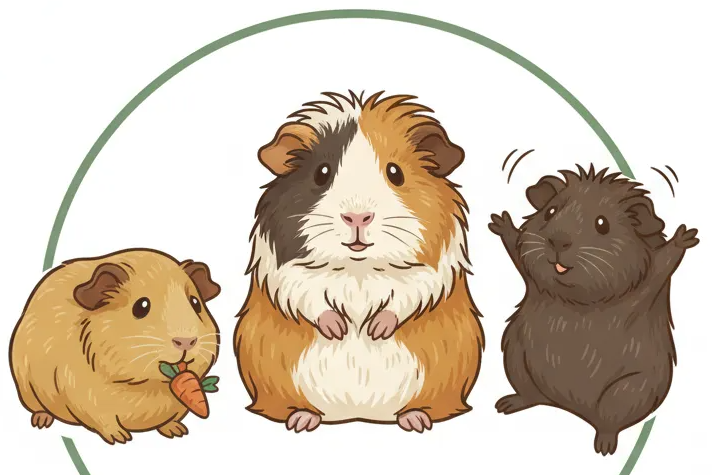
My years caring for guinea pigs like gentle Pepper, thoughtful Clover, and reserved Biscuit give me the lived experience to guide you safely.
Why a Gradual Pellet Transition is Essential
Switching your guinea pig’s food overnight is a common mistake I see new owners make. I learned the importance of patience the hard way when I rushed a change for my first guinea pig, leading to a stressful week of digestive upset. Their bodies crave consistency, and a slow switch respects that natural need.
The Delicate Digestive System of Guinea Pigs
Guinea pigs have a sensitive gut flora that breaks down their high-fiber diet. Think of their digestive system like a finely-tuned compost heap, where balance is everything. A sudden new ingredient can disrupt this balance, causing gas, bloating, or softer droppings. With my guinea pig Biscuit, even a small, abrupt change made her retreat into her hidey-hole, a clear sign of discomfort. To keep your pet safe, learn about the top guinea pig diet mistakes that lead to serious health issues and how to avoid them. Recognizing these pitfalls helps you guard Biscuit’s gut health and overall well-being.
Their cecum, a special organ for fermentation, works best with a steady diet. You protect their internal ecosystem by introducing new pellets strand by strand, giving good bacteria time to adjust. This careful approach prevents painful issues and keeps your pet’s energy levels steady.
Avoiding Stress and Ensuring Palatability
New food can be scary for a creature of habit. A gradual mix lets your guinea pig explore the unfamiliar taste alongside the comforting known. I watch Clover, my thoughtful Abyssinian, gently nuzzle new pellets mixed with her old ones, accepting them at her own pace.
This method also tests if they actually like the new brand. You avoid wasting a whole bag of food they might turn their nose up at, which is both economical and kind. Pepper, my steady American, will often eat around unfamiliar pieces at first, but given time, he comes to enjoy the variety.
Preparing Your Guinea Pig and Supplies
Good preparation turns a potential headache into a smooth routine. Setting up correctly means you can focus on your pet’s reaction, not scrambling for tools. I always block out quiet time for this process, as a calm owner makes for a calmer guinea pig.
Assess Your Guinea Pig’s Health and History
Never start a food transition if your pet isn’t in top shape. Check for bright eyes, a clean nose, and normal activity levels before you even open the new pellet bag. A healthy baseline is your best starting point for any dietary change.
Your Guinea Pig’s Age and Specific Needs
Age dramatically changes nutritional requirements. Young guinea pigs under six months, like Biscuit was, need alfalfa-based pellets for extra calcium and protein to support rapid growth. Adults like Pepper and Clover require timothy-based pellets to prevent obesity and urinary issues. Senior pigs often benefit from softer, highly digestible formulas. Always match the pellet to the life stage.
Identifying Dietary Sensitivities or Allergies
Watch for subtle signs that a specific ingredient doesn’t agree with your pet. Scratching more than usual, skin irritation, or consistently abnormal droppings can signal a sensitivity. I keep a simple log for each of my pigs, noting any reactions when I introduce new foods, which has been invaluable for spotting patterns.
Evaluate Your Current and New Pellet Brands
Read those ingredient labels like a detective. You are looking for a primary ingredient of grass hay, vitamin C supplementation, and no cheap fillers like colorful seeds or nuts. High-quality pellets support long-term health and make any transition smoother.
What is Your Current Pellet Brand and Type?
Take note of what you’re switching from. Jot down the main ingredients, pellet shape, and size, as a very different looking food can initially put off a cautious eater. Knowing your starting point helps you understand the scale of change for your pet.
Choosing a New Pellet Brand and Type
Select a new brand that prioritizes animal welfare and simple, wholesome ingredients. I seek out brands that use sustainable packaging and clearly source their hay from reputable farms. A good pellet should smell fresh and grassy, not overly sweet or artificial. Your choice directly supports ethical practices in small pet care.
Gather Your Transition Supplies
Have everything ready before you begin. You will need:
- Two clean, small bowls for mixing pellets.
- A dedicated scoop or measuring spoon for consistency.
- Your current pellet bag and the new, unopened bag.
- A notepad or phone app to track the daily mixing ratios and your guinea pig’s behavior.
- Extra timothy hay, as increasing hay intake can ease digestive changes.
Having these items in one place streamlines the daily mixing process and reduces mess. I keep a dedicated bin with these supplies, which has made transitions for Pepper, Clover, and Biscuit much more manageable. It’s just one more step I take to ensure they have everything they need, much like the essential checklist I follow when bringing home a new guinea pig.
Creating Your Pellet Transition Plan
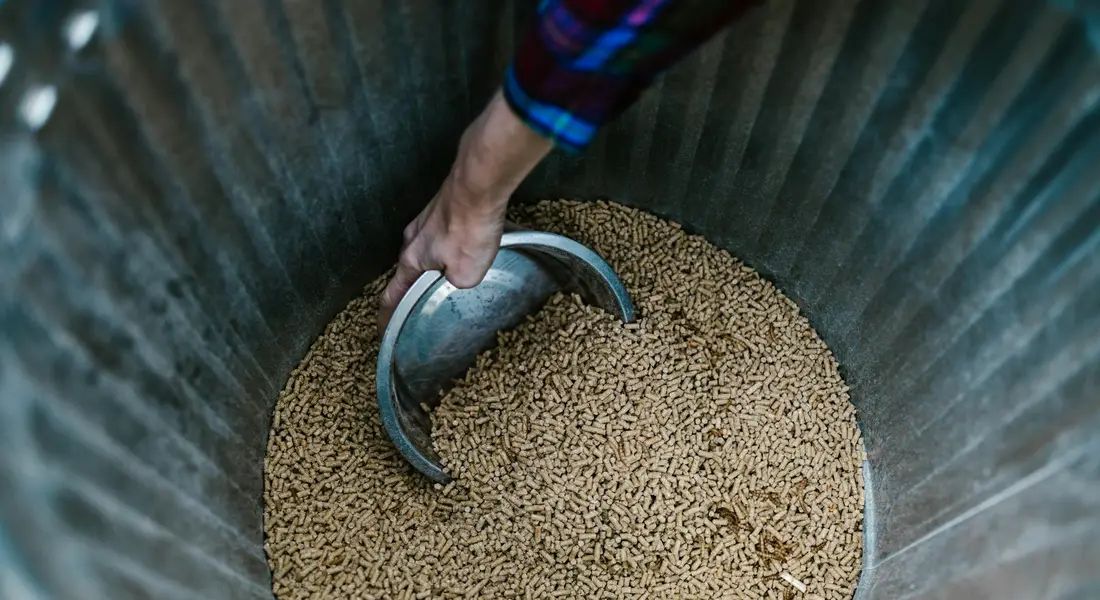
Think of this plan as a road map for your guinea pig’s taste buds. A sudden switch can really upset their sensitive digestive systems, so a slow introduction is non-negotiable. Based on my years of caring for my trio, rushing this process is the fastest way to a stressed-out, gassy pig and a worried owner. Give them a quiet, cozy space and a gentle routine to help them feel safe and acclimated. With consistent, patient handling, they’ll grow confident and relaxed in their new home.
Step-by-Step Mixing Ratio Timeline
This timeline is a reliable framework, but always watch your own pet. My Clover, for instance, is often more hesitant than steady Pepper, so I sometimes stretch her schedule by a day or two.
Days 1-3: Introduce Small Gradual Amounts
You’re just making an introduction here, not forcing a meal. For every tablespoon of their usual pellets, mix in just a teaspoon of the new brand. The goal is simply to let them encounter the new smell and taste alongside their familiar, safe food. Don’t be surprised if they nibble around the new bits at first-that’s perfectly normal behavior.
Days 4-6: Increasing the New Pellet Proportion
Now we build a little familiarity. Shift the mix to a 50/50 blend. This is where your watchful eye is key. Check their droppings daily; they should remain firm and consistent. Any sign of soft stools means you should pause at this ratio for an extra day or two before moving forward. My Biscuit needed this extra patience during his last switch.
Days 7-12: Reaching a Balanced Mix
In this phase, the new pellets become the majority. Aim for a mix of about 75% new to 25% old. Your guinea pig should now be actively eating the new pellets. This is also the perfect time to ensure their unlimited hay pile is extra fresh and appealing, as it remains the cornerstone of their diet and gut health. Choose the right hay to complement their pellets for a balanced diet.
Days 13-15: Nearing Complete Transition
You’re in the home stretch! For the final mix, use about 90% new pellets with just a small sprinkle of the old. By the end of this period, you should be able to offer a bowl of 100% new pellets with confidence, knowing their system has fully adjusted. A successful transition is a quiet one-no drama, just happy, healthy eating.
Executing the Step-by-Step Switch
Having a plan is one thing; putting it into daily practice is another. Consistency and observation are your best tools here.
Daily Feeding Routine During Transition
I feed my pigs their measured pellet portion once daily, in the morning. During a transition, I mix the new ratio fresh each time. Always remove any uneaten pellets from the previous day to ensure they are eating the current mix and to keep the food fresh. I also use this time for a quick daily weight check. A stable weight is one of the clearest signs your pig is handling the change well.
Maintaining Hay as the Dietary Base
Never let the pellet transition distract from the main event: hay. High-quality grass hay should always fill their rack. Unlimited hay is what keeps their digestion moving smoothly and their constantly growing teeth worn down, which is absolutely critical for their welfare. If you notice them eating more hay than usual during the switch, that’s a good sign! It means they are self-regulating and relying on their safest, most familiar food source.
Monitoring Health and Adjusting as Needed
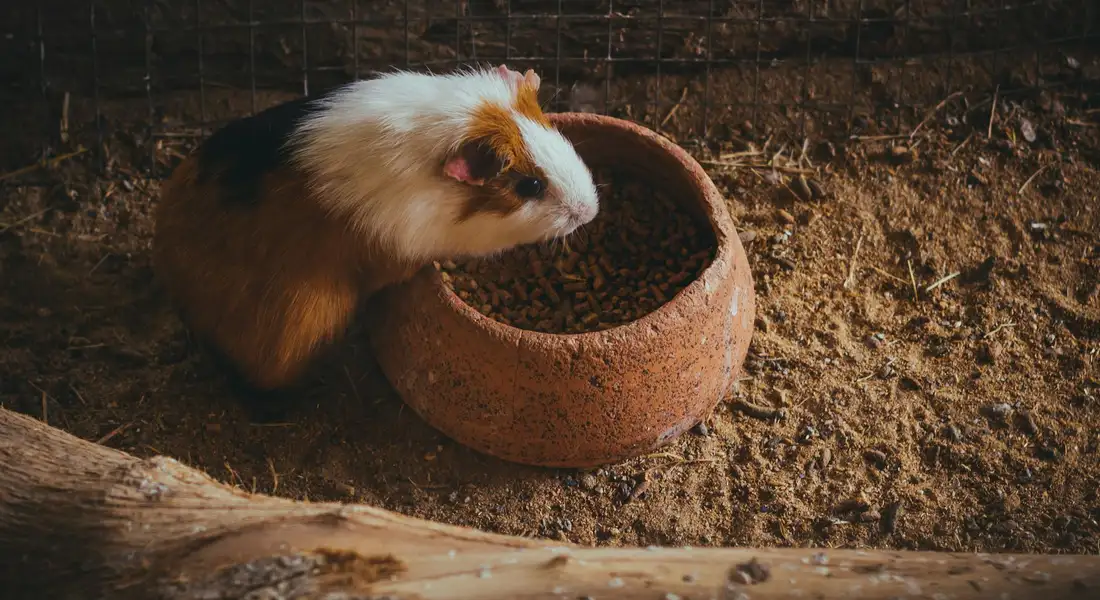
Switching foods is a big deal for a small stomach. Watching your guinea pig closely during this time isn’t just being careful-it’s your most important job. Your daily observation is the primary tool for catching any subtle signs of trouble before they become serious health issues. Think of yourself as a detective, with your pig’s habits as the clues.
Key Signs to Watch Daily
You don’t need any special equipment for this, just your eyes and a little bit of time. Make these quick checks part of your morning and evening routine while you’re saying hello and refilling hay.
Appetite Observation and Eating Habits
Pay attention to *how* they eat, not just *if* they eat. A happy guinea pig approaches food with purpose. I watch my trio: Pepper will steadily munch, Clover picks daintily, and Biscuit often saves a pellet for later. So, what do normal eating habits look like? Healthy guinea pigs nibble regularly, show steady interest at mealtimes, and finish their pellets at a reasonable pace. A sudden lack of interest or a change in their usual, enthusiastic “wheek” at feeding time is your first red flag that something is off.
- The Excited Wheek: Do they still vocalize when they hear the food bag? A silent pig at dinner time is a concerned pig.
- The Initial Sniff Test: They should investigate the new mix. Are they ignoring the new pellets entirely or picking around them?
- Actual Consumption: Look in the bowl an hour later. Are the new pellets left untouched while the old ones are gone? This tells you they’re being picky, not that they’ve stopped eating altogether.
Stool Monitoring for Digestion Health
Their droppings are a direct report card from their gut. Healthy guinea pig poop is firm, oval-shaped, and a consistent dark brown. Any significant deviation in the shape, consistency, or frequency of their droppings is a clear signal from their digestive system that it needs help.
- Shape & Consistency: Soft, misshapen, or strung-together droppings indicate digestive upset. Very small, hard pellets can mean dehydration or pain.
- Quantity: A sudden drop in the number of droppings in the cage is a major warning sign of gut slowdown, which is an emergency.
- Color: While diet can alter shade slightly, black, red, or pale stools are not normal and need a vet’s attention.
Tracking Weight and Overall Condition
Small animals can lose weight frighteningly fast. A kitchen scale that measures in grams is your best friend. Weighing your guinea pig once a week, on the same day and time, gives you an objective measure of their health that goes beyond just “looking fine.”
- Use a small bowl or container on the scale. Tare it to zero.
- Gently place your guinea pig in the bowl. Offer a sprig of cilantro to keep them still for a moment.
- Record the weight. A loss of more than 30-50 grams over a week during a food transition means you need to pause and reassess.
Also, run your hands over their back and sides daily. You should feel smooth muscles over their ribs, not sharp bones or a hollowed-out spine.
Troubleshooting Common Transition Issues
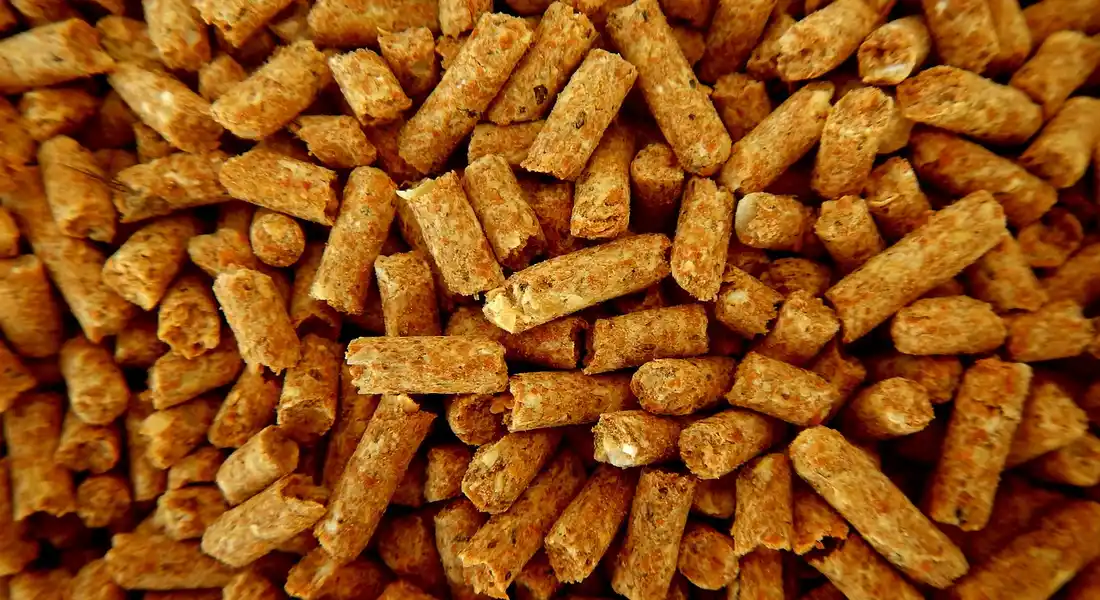
Even with the best plan, things can hiccup. Don’t panic. These problems are common and usually fixable with a little patience and a step backwards.
Problem: Refusal to Eat the New Pellets
If your guinea pig is acting like the new pellets are decorative rocks, they’re sending a message. The first response to a hunger strike is not to force the new food, but to ensure they are still eating plenty of their trusted hay and old pellets to keep their gut moving. This is also a good moment to weigh the pros and cons of homemade vs commercial pellets. A balanced approach typically prioritizes hay and fresh greens, with pellets used to supplement rather than dominate.
- Go Slower: Revert to a previous mix ratio they accepted (e.g., go back to 75% old / 25% new) and stay there for 4-5 days before trying to advance again.
- Check Freshness: Smell the new bag. Pellets should have a mild, grassy, hay-like scent. A stale, dusty, or off smell will repel them.
- The Herd Mentality: Sometimes, one brave pig can lead the way. If you have a group, ensure the hesitant one sees the others eating the mix.
Problem: Changes in Droppings or Digestive Upset
Soft stools or a decrease in output means the transition is moving too fast for their particular gut. When digestion is involved, the immediate solution is always to simplify their diet back to the foods you know their system tolerates well.
- Pause the Transition: Immediately switch back to 100% of their old pellet brand.
- Emphasize Hay & Water: Provide unlimited fresh timothy hay and check their water bottle/bowl intake. Hydration is key for gut motility.
- Wait for Normalcy: Only resume the transition mix once their droppings have been perfectly normal for at least 48 hours.
- Restart More Slowly: Begin again with a 90%/10% mix and increase by only 5-10% every 4-5 days.
Problem: Weight Loss or Lack of Interest
This is your cue to stop the transition entirely. Weight loss overrides any schedule. Sustaining their calorie intake and overall health is infinitely more important than sticking to a predetermined transition timeline.
- Return to Full Old Diet: Go back to their original pellets, and offer favorite, safe veggies like bell pepper or romaine lettuce to encourage eating.
- Consult Your Vet: Rule out any underlying illness that may have coincidentally appeared during the switch.
- Re-evaluate the New Food: With your vet, discuss if the new pellet’s formulation (higher fiber, different ingredients) might simply be unsuitable for your individual pet. Not every high-quality food is the right fit for every pig.
Ensuring Long-Term Diet Success
Switching the pellets is a big win, but it’s just one piece of your pet’s nutritional puzzle. The real magic for long-term health happens when you view those new pellets as part of a complete, balanced menu tailored to your guinea pig’s unique needs. If you’re curious about what makes a pellet high quality, our guinea pig pellets ingredient guide walks you through the essentials. It helps you evaluate protein sources, fiber levels, and additives so you can compare brands confidently. My crew—Pepper, Clover, and Biscuit—each have their own quirks, and their diet reflects that.
Integrating the New Pellets into a Balanced Diet
Think of the perfect guinea pig plate like a healthy meal you’d make for yourself. Unlimited, high-quality hay should be the constant foundation, making up about 80% of their daily intake-it’s their salad, bread, and digestive aid all in one. Fresh vegetables are the daily vitamins and flavor.
The pellets are their daily multivitamin and mineral supplement. Here’s how I balance it all for a thriving piggy:
- The Hay Anchor: Timothy hay is always available in their cage. For my older gentleman, Pepper, I sometimes mix in a bit of orchard grass for variety and softer texture.
- Veggie Variety: I offer a cup of mixed veggies per pig daily. Clover, my graceful Abyssinian, adresses bell peppers first for the vitamin C, while Biscuit goes straight for the leafy romaine.
- Pellet Portion Control: I measure their pellets carefully-about 1/8 cup per pig-and serve them at the same time each evening. This routine helps prevent selective eating and ensures they get their fortified nutrients.
- Treats as Accents: A sprig of cilantro or a blueberry is a weekend treat, never a daily staple. I watch their weight just like I watch my own.
Ongoing Safety Considerations and Vet Guidance
Your job isn’t over once the bag is open. Consistent, watchful observation is your most powerful tool for catching any subtle issues the new food might cause, even weeks later. A change in poop, appetite, or energy can be a quiet signal.
I make a habit of “health check-ins” during cuddle time. I feel Biscuit’s ribs to ensure she’s not losing weight, and I monitor Pepper’s water intake to make sure he’s hydrated. Establishing a relationship with an exotics-savvy veterinarian is non-negotiable-they are your partner in preventative care, not just an emergency contact. I take my trio for a wellness exam yearly to discuss their diet and get professional eyes on them.
Finally, how you store the food matters immensely for safety.
- Seal it Tight: Always transfer pellets from the bag to a completely airtight container. I use a dedicated food-grade bin.
- Cool & Dark: Store this container in a cool, dark pantry. Heat and light degrade vitamin C rapidly.
- Check the Date: Write the “best by” date on the container with a marker. Never buy more than a month or two’s supply to ensure freshness.
- Sniff Test: Before each serving, give the pellets a quick smell. They should smell fresh and grassy, not musty, oily, or stale.
FAQs
What is the primary reason for switching pellet brands?
Owners often switch to improve nutrition with higher-quality ingredients or to address life-stage needs like moving from alfalfa to timothy-based pellets. It’s also common if a current brand is discontinued or causes suspected sensitivities.
What is the recommended daily pellet portion for your guinea pig’s age and weight?
For most adult guinea pigs, a daily portion of 1/8 cup of pellets is standard, but growing pups under six months may need more. Always consult your veterinarian to tailor portions based on individual weight and health goals. How much pellets your guinea pig should eat daily also depends on their overall diet and activity level.
Do you have a supply of both the old and new pellets to begin the transition?
Yes, you need an adequate supply of both brands to execute the gradual mixing schedule without running out. Store the new pellets in an airtight container to preserve freshness and vitamin C content throughout the process.
Are you prepared to monitor your guinea pig’s appetite, weight, and droppings daily during the transition?
Daily monitoring is non-negotiable to detect issues like weight loss or digestive changes early. Keep a simple log to record these observations, as it helps in making timely adjustments to the transition pace.
What will you do if your guinea pig refuses to eat the new pellets or shows signs of digestive upset?
Immediately pause the transition and revert to a previous mix ratio or full old pellets to stabilize their system. If problems persist, seek veterinary guidance to rule out underlying issues and reassess the new pellet’s suitability.
Your Guinea Pig’s Happy Transition Journey
Switching pellets successfully hinges on a patient, step-by-step mix over 7-10 days while you watch for any signs of digestive upset. This slow introduction is the safest way to change foods, a method I faithfully used with my steady Pepper, who took to his new brand without a single skipped meal.
Being a great guinea pig parent involves a promise to keep learning and making earth-friendly choices for their everyday life. Selecting pellet brands committed to sustainable sourcing and minimal waste honors our pets and our environment, a principle I live by for graceful Clover and intelligent Biscuit. In my latest review, I compare the best guinea pig pellet brands to help you choose wisely. We’ll examine nutrition, sourcing, and environmental impact side by side.
Further Reading & Sources
- Is it OK to switch your guinea pigs’ food? | Blog | Burgess Pet Care
- Reasons Why Your Guinea Pig Won’t Eat Pellets
- Guinea Pig Pellets | Hubbard Feeds
- Guinea Lynx :: Pellets
Kate is a passionate guinea pig owner and advocate for small pet welfare. With over a decade of experience caring for guinea pigs, she has become a trusted voice in the small pet community.
Uncategorized