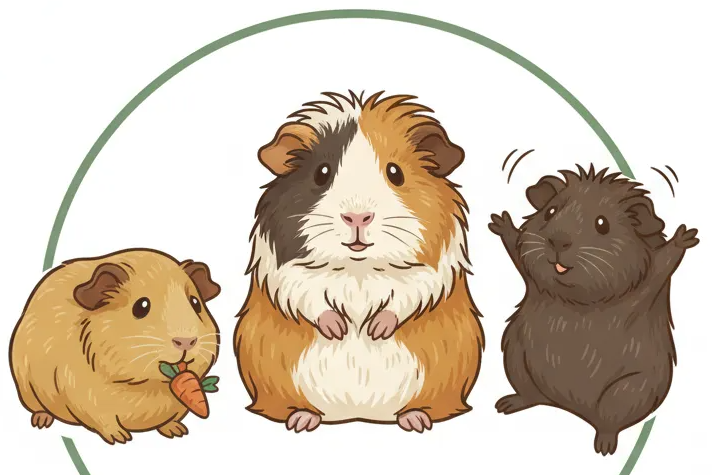
Guinea Pig Care: Your Simple Guide to a Happy Pet
Published on: December 29, 2025 | Last Updated: December 29, 2025
Written By: Kate M. Callahan
Hello CavyFam! Are you feeling a bit unsure about how to best care for your new guinea pig? I remember my first days with Pepper, Clover, and Biscuit-it’s normal to have questions about their needs and well-being.
In this guide, I’ll walk you through diet, housing, health, grooming, and bonding. With years of hands-on experience raising my own guinea pigs, I’m excited to share practical tips that put your pet’s comfort first.
Getting Started with Guinea Pig Care
Guinea pigs typically live 5 to 8 years, so committing to their care means planning for the long haul. These little friends thrive in pairs or small groups because they are naturally social animals who can get lonely and stressed if kept alone. I’ve seen this firsthand with my trio-Pepper, Clover, and Biscuit-who constantly chatter and snuggle together for comfort.
Before bringing one home, gather these essential supplies to ensure a smooth start:
- A spacious cage or enclosure (more on size later)
- Safe bedding like paper-based or fleece liners
- High-quality hay, pellets, and fresh vegetables
- Sturdy food dishes and a drip-proof water bottle
- Nail clippers and a soft brush for grooming
Choosing the right guinea pig involves observing their health and personality up close. Look for bright eyes, clean fur, and active behavior to spot a healthy pet, and spend time watching how they interact with cage mates. Guinea pig temperament, or personality, guides how they’ll settle in. Watching for signs of curiosity or shyness helps you pick the right match. When I picked out Biscuit, his reserved nature told me he’d need extra patience to feel at home.
For initial setup, place their cage in a quiet area and let them explore gradually. Offer hidies and familiar items right away to reduce stress during those first few days. I always add a piece of their old bedding to help new guinea pigs settle in faster. This approach is a core part of the best cage setup for a new guinea pig beginners guide. Following these basics helps new owners create a calm, welcoming space from day one.
Setting Up a Safe and Spacious Enclosure
A proper cage should be at least 7.5 square feet for one guinea pig, but I recommend going bigger—aim for 10.5 square feet or more if possible. Larger spaces prevent boredom and encourage natural behaviors like running and popcorning, which my energetic Clover loves to do. This is part of our complete space requirements guide for guinea pigs. It covers cage size, layout, and enrichment to help you plan the right home.
Bedding choices affect comfort and cleanliness, so consider options like aspen shavings, paper-based bedding, or reusable fleece. Avoid cedar or pine shavings, as they can irritate their sensitive respiratory systems-I learned this after switching to fleece for Pepper and noticing fewer sneezes.
Position the enclosure in a spot with stable temperatures between 65°F and 75°F, away from direct sun or drafts. Guinea pigs are prone to heatstroke, so keep their home in a cool, shaded part of your house for year-round safety. Their temperature and heating needs are quite specific.
Essential accessories make their space engaging and secure:
- Multiple hideouts (e.g., wooden houses or tunnels)
- Chew toys made from safe, untreated wood
- Foraging items like hay racks or puzzle feeders
- Soft blankets or cozy pads for resting
Rotate toys and rearrange items weekly to keep things fresh and stimulating. Enrichment isn’t just fun-it supports mental health and prevents destructive habits, something I prioritize for all my pigs’ well-being.
Feeding Your Guinea Pig a Balanced Diet
A balanced diet keeps your guinea pig healthy and happy. I always make sure my guinea pigs, Pepper, Clover, and Biscuit, have unlimited hay, measured pellets, and fresh vegetables packed with vitamin C every single day. Their digestive systems need constant fiber from hay to function properly. Pellets provide essential nutrients, while veggies add variety and crucial vitamins. From my experience, a consistent routine prevents obesity and supports their well-being. This balance creates the ideal overall diet for a healthy guinea pig, supporting fiber intake, vitamin C, and steady energy. When you maintain these elements in the right proportion, your pet stays lively and well.
- Unlimited hay: Timothy hay is ideal for adult guinea pigs, promoting dental wear and gut health.
- Pellets: Offer a small, measured amount daily to avoid overfeeding.
- Fresh vegetables: Include vitamin C-rich options to prevent scurvy, a common issue.
Daily and Weekly Feeding Schedule
- Each morning, refill the hay rack completely so it never runs out.
- Measure out 1/8 cup of high-quality pellets per guinea pig and place in a clean dish.
- Serve a handful of fresh vegetables in the morning or evening, rotating types for variety.
- Check water bottles daily, refilling with fresh, clean water.
- Once a week, clean all food dishes and inspect hay for mold or dust.
Choosing the Right Hay and Pellets
Selecting the best hay and pellets is vital for your pet’s health. Timothy hay works wonderfully for most adult guinea pigs, while alfalfa hay is better for young, pregnant, or nursing ones due to higher calcium. I avoid hay that looks dusty or smells musty, as it can cause respiratory issues. For pellets, pick brands with stabilized vitamin C and high fiber content. Over the years, I’ve seen how poor choices lead to health problems, so I always read labels carefully.
- Types of hay: Timothy, orchard grass, or oat hay are excellent choices.
- Avoid pellets with seeds, nuts, or colorful bits, which can cause choking or obesity.
Safe and Unsafe Foods
- Safe foods: Bell peppers, kale, carrots, and cilantro are favorites in my household.
- Unsafe foods: Onions, chocolate, dairy products, and iceberg lettuce can be harmful or toxic.
Incorporating Fresh Vegetables and Hydration
Fresh veggies and clean water are non-negotiable for a thriving guinea pig. Vitamin C-rich vegetables like red bell peppers and broccoli help prevent deficiencies, and I notice my guinea pigs, especially Biscuit, get more energetic with these additions. Always wash veggies thoroughly to remove pesticides. Hydration is just as important; a dirty water bottle can harbor bacteria, so maintenance is key. I advocate for regular checks to ensure their water is always fresh and accessible.
- Vitamin C-rich veggies: Bell peppers, kale, parsley, and broccoli stems.
- Water bottle maintenance: Clean with a bottle brush daily and replace water to prevent algae growth.
Steps for Introducing New Foods Safely
- Start with a tiny piece of the new vegetable to test for allergies or upset stomach.
- Observe your guinea pig for 24 hours, watching for changes in behavior or droppings.
- If no issues arise, gradually increase the amount over a week.
- Rotate veggies to provide a balanced diet and prevent boredom.
Establishing Daily and Weekly Care Routines
-
Daily Care Tasks
Your guinea pigs count on you for their everyday well-being. I start each morning by tending to Pepper, Clover, and Biscuit, ensuring they begin their day with fresh supplies and a clean space. To fit care into a busy schedule, I rely on quick, repeatable routines and friendly reminders. A simple prepped checklist and ready-to-go supplies help me stay on track even on hectic days. This routine helps prevent health issues and keeps them content.
- Feeding: Offer unlimited timothy hay, a small portion of pellets, and fresh veggies like bell peppers or leafy greens. I’ve noticed Pepper, with his steady nature, eagerly munches on hay, while Biscuit prefers exploring new vegetable textures.
- Water Checks: Refill water bottles with clean, fresh water and inspect for leaks or blockages. Dehydration can sneak up quickly, so I make it a habit to check twice daily, especially during warmer days.
- Spot Cleaning: Remove visible droppings and wet bedding from their enclosure to maintain hygiene. This quick task reduces odors and prevents bacterial growth, making their home safer and more pleasant.
-
Weekly Care Steps
Set aside time each week for a deeper clean and health assessment. I find that a consistent weekly schedule, like every Sunday, helps my guinea pigs feel secure and reduces stress during handling. This approach supports their overall welfare and strengthens our bond.
- Full Enclosure Cleaning: Empty the entire cage, scrub it with a vinegar-water solution, and replace all bedding with fresh material. Using eco-friendly bedding, such as paper-based options, minimizes waste and keeps Clover’s graceful movements unobstructed.
- Health Checks: Gently examine each guinea pig for weight changes, dental issues, or skin abnormalities. I weigh Biscuit weekly to track his growth, as sudden drops can signal illness early on.
- Enrichment Updates: Rotate toys, tunnels, and hiding spots to stimulate their minds and encourage natural behaviors. Adding new items, like cardboard tubes, keeps them engaged and prevents boredom, which I’ve seen boost their personalities over time.
Grooming for Health and Comfort
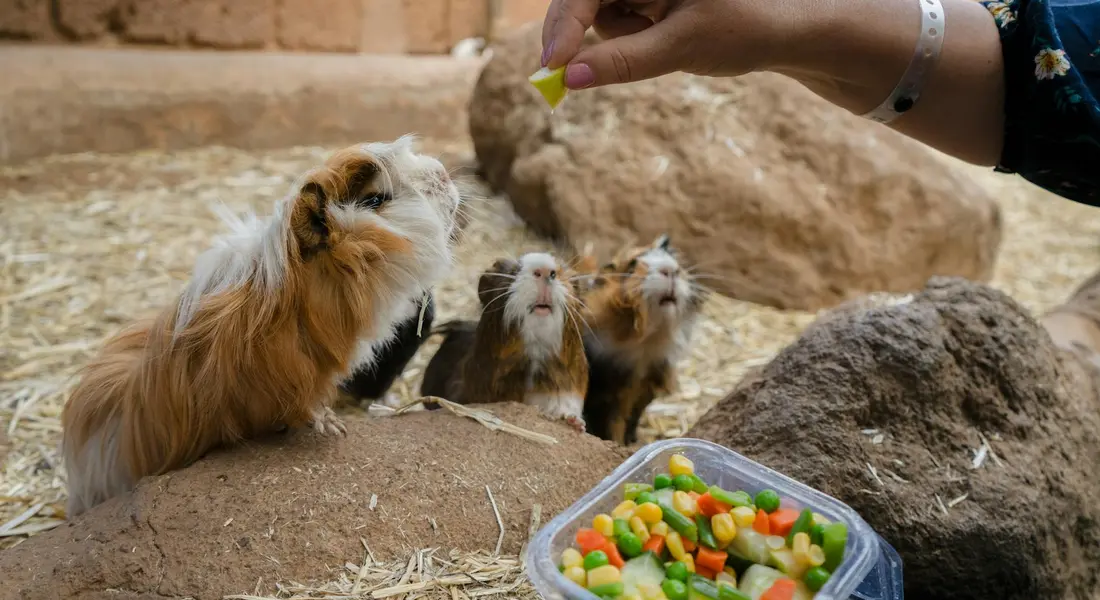
Regular grooming keeps your guinea pig healthy and strengthens your bond with them. I’ve found that gentle, consistent care prevents issues like matted fur or overgrown nails in my own pets—Pepper, Clover, and Biscuit. This aligns with a guinea pig grooming guide that covers nail trimming and bathing. Keeping nails trimmed and baths calm make grooming easier and your pig happier.
Focus on these three key tasks to maintain their well-being.
-
Brushing
- Select a soft-bristled brush designed for small animals.
- Place your guinea pig on a non-slip surface or your lap for stability.
- Brush slowly in the direction of hair growth, starting from the head.
- Check for tangles or debris, especially in longer coats.
-
Nail Clipping
- Use small animal nail clippers to avoid injury.
- Hold your guinea pig securely but gently, exposing one paw at a time.
- Trim only the clear tip of the nail, steering clear of the pink quick.
- Keep styptic powder handy in case of minor bleeding.
-
Bathing
- Bathe only when necessary, such as for sticky messes or vet advice.
- Fill a shallow tub with lukewarm water-just enough to cover their feet.
- Apply a mild, guinea pig-safe shampoo and massage gently, avoiding the face.
- Rinse thoroughly with clean water and dry completely with a towel.
Brushing and Coat Care
Tailoring your brushing approach to your guinea pig’s coat type makes a huge difference. With Pepper’s short fur, Clover’s rosettes, and Biscuit’s long hair, I adjust my routine to keep each one comfortable and tangle-free.
- Tips for different coat types: Short-haired guinea pigs like Pepper need weekly brushing to remove loose fur. Abyssinians like Clover benefit from gentle brushing twice a week to clean their rosettes. Long-haired breeds like Biscuit require daily attention to prevent mats.
- Frequency of brushing: Increase brushing during shedding seasons or if your guinea pig spends time outdoors. Always watch for signs of irritation or skin issues.
- Tools needed: A soft-bristled brush, a fine-toothed comb for long hair, and healthy treats for positive reinforcement.
- Gentle techniques: Use slow, calming strokes and talk softly to your pet. If you find a mat, gently work it out with your fingers or a comb instead of pulling.
Nail Clipping and Bathing Basics
Handling nail trims and baths with care reduces stress for both you and your guinea pig. I always prepare a calm environment and use rewards to make these tasks positive experiences for my trio. This approach helps make nail trimming less stressful for your guinea pig. With gentle handling and regular practice, the process becomes easier for everyone involved.
-
Steps for safe nail trimming
- Gather supplies: clippers, styptic powder, and a small towel.
- Wrap your guinea pig loosely in the towel to keep them secure.
- Trim a tiny bit at a time, and use a flashlight if nails are dark to spot the quick.
- Offer a favorite veggie treat after each successful trim.
- Infrequent bathing: Guinea pigs groom themselves well, so baths are rare-maybe every few months. Over-bathing can dry out their skin and cause discomfort.
- Warnings on avoiding stress: Stop if your guinea pig shows signs of fear, like squealing or struggling. Short, frequent sessions build trust over time.
- Using guinea pig-safe products: Never use human shampoos or harsh chemicals. Opt for pH-balanced, animal-specific options to protect their delicate skin.
Monitoring Health and Recognizing Issues
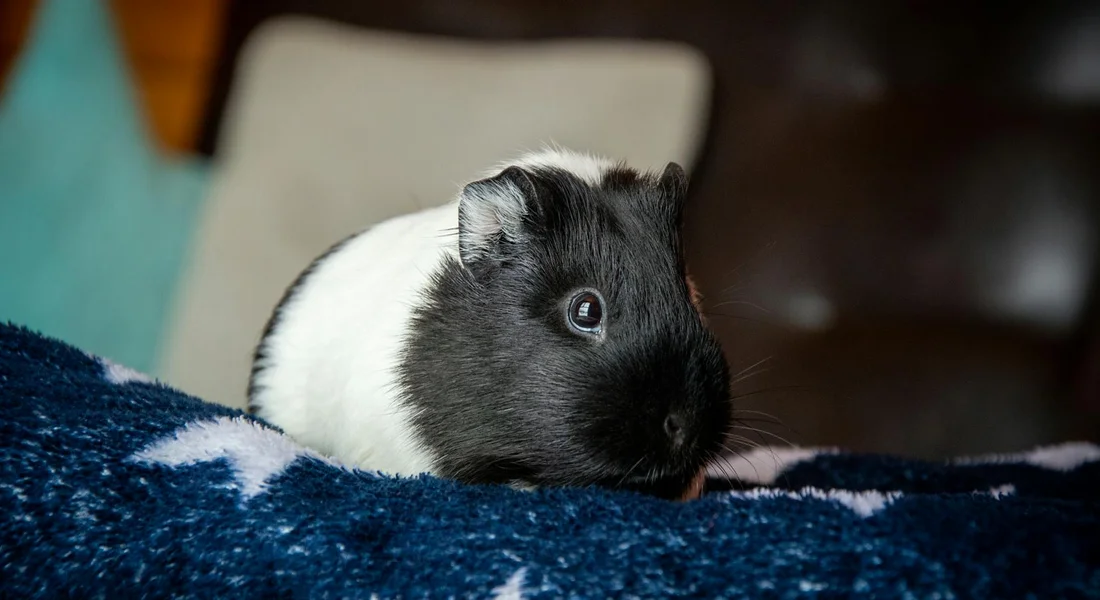
Living with my three guinea pigs, Pepper, Clover, and Biscuit, has taught me that their health can change quickly. Their small size means minor issues can become serious in a short time, so daily observation is your best tool.
Common Health Problems and Warning Signs
Guinea pigs are masters at hiding illness, a trait from their wild ancestors. You must be a keen detective. Here are the red flags I watch for every day.
- Respiratory Issues: Listen for wheezing, clicking sounds, or labored breathing. A runny nose or crusty eyes are also major concerns.
- Dental Problems: Watch for drooling, a wet chin, or difficulty eating. Their teeth grow constantly, and malocclusion is a common, painful condition.
- Digestive Trouble: A sudden lack of appetite or no fecal pellets in the cage is a critical emergency. Diarrhea or a bloated, hard belly also requires immediate vet care.
- Skin and Fur Conditions: Look for bald patches, excessive scratching, flaky skin, or any signs of parasites like lice mites.
- Changes in Mobility: Limping, reluctance to move, or a hunched posture can indicate pain, injury, or a more serious condition like scurvy.
If you notice any of these symptoms, especially not eating or labored breathing, contact an exotic animal veterinarian immediately. I learned this the hard way when Biscuit stopped eating; swift action made all the difference.
Performing Regular At-Home Checks
I do a quick health check on one of my pigs every week during lap time. This builds trust and helps me catch problems early. Always be gentle and calm.
Step-by-Step Temperature Check
Guinea pigs feel warm to the touch, but you can check for fever or chilling.
- Settle your guinea pig comfortably on a soft towel on your lap.
- Gently place the back of your hand against their belly or the inside of an ear.
- Their body should feel consistently warm, not hot or cool. A very hot or cold feeling is a sign of distress.
- Compare the feel to your other, healthy guinea pigs if you have them. I use Pepper as my “normal” baseline.
This simple touch test helps you become familiar with their normal body state, making abnormalities easier to spot.
Observing Mucus Membranes
The color of their gums is a quick window into their circulatory health.
- Hold your guinea pig securely but gently, supporting their bottom.
- With one finger, very carefully pull back their lip to see the gums and inner lip tissue.
- Look quickly and release. The entire check should take only a second to avoid stress.
| Color Observed | What It Often Means |
|---|---|
| Healthy Pink | Normal, good blood flow and oxygenation. |
| Pale Pink or White | Potential sign of anemia or shock; contact your vet. |
| Bluish or Purple | Indicates a lack of oxygen; this is an emergency. |
| Bright Red | Can signal overheating or sepsis; seek veterinary advice. |
Any color other than a healthy pink warrants a call to your exotic vet to discuss what you’ve seen. This quick check, combined with watching their daily behavior, forms a complete picture of their well-being.
Socialization, Handling, and Companionship
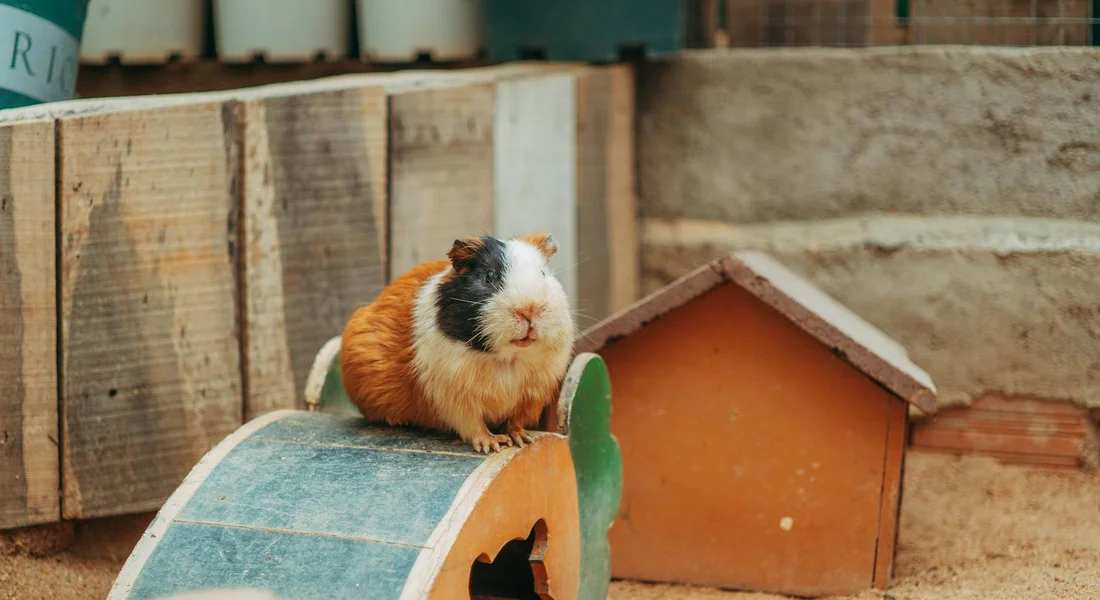
Guinea pigs are incredibly social creatures that thrive on consistent, gentle interaction. In my years of caring for my trio, I’ve found their need for attention is as fundamental as their need for food and water. A lonely guinea pig can become withdrawn and even depressed, so daily engagement is non-negotiable for their well-being.
- Guinea pigs require at least an hour of out-of-cage interaction and human handling daily to stay happy and socialized.
- Proper handling involves supporting their entire body to make them feel secure and prevent injury.
Gentle Handling and Bonding
Building a bond with a guinea pig takes patience, but the reward of their quiet, contented purrs is worth every moment. Moving slowly and speaking in a soft, calm voice tells your pet you are not a threat. My guinea pig Biscuit was very reserved at first, but this approach helped him learn to trust my presence.
- Sit near their enclosure and let them approach you first, perhaps tempted by a piece of cilantro or lettuce.
- Place one hand gently under their chest, just behind the front legs, while your other hand supports their hindquarters and back feet.
- Lift them slowly and securely, immediately bringing them close to your body to cradle them against your chest.
- Hold them while seated in a safe, quiet area, allowing them to sniff and explore you while you speak to them softly.
Daily interaction goes beyond just holding them. I make it a routine to hand-feed my guinea pigs their morning vegetables, which has turned mealtime into a bonding session. You can also sit with them during their floor time in a secure, pet-proofed space, letting them run around and occasionally come to you for a treat. This consistent, positive contact builds a foundation of trust that makes them see you as a source of comfort and safety.
Caring for Newborn Guinea Pigs
- Diet Differences: Newborn guinea pigs, often called pups, start nursing from their mom right away and can nibble solid foods within hours. I always provide unlimited timothy hay and small, soft veggies like cilantro or romaine lettuce, but mother’s milk remains their main nutrition for weeks. With Biscuit, my Peruvian, I noticed she began eating tiny bits of bell pepper by day three, yet I made sure her access to Clover for nursing was uninterrupted.
- Handling with Care: Newborns are incredibly fragile, so limit handling to quick health checks in the first week to avoid stress. Always support their entire body with both hands and keep sessions under a minute to prevent drops or anxiety. When Pepper had her litter, I handled them only to weigh them, using a soft towel for comfort and warmth.
- Enclosure Setup: Create a cozy, draft-free space with low sides to prevent escapes and soft bedding like fleece or paper litter. Include hideouts and ensure the area stays between 65-75°F to keep pups warm without overheating. For Clover’s babies, I added an extra layer of bedding and a small cardboard box, which they loved for snuggling.
-
Special Considerations:
- Monitor each pup’s weight daily to catch any failure to thrive early.
- Watch for equal nursing among all babies to prevent weaker ones from being left out.
- Keep the enclosure impeccably clean to reduce infection risks, especially around the umbilical area.
- Provide fresh water in shallow dishes to avoid drowning hazards.
-
Step-by-Step Daily Care Routine:
- Weigh each pup every morning using a small scale to track growth.
- Refresh hay and offer finely chopped vegetables twice a day.
- Check that all pups are active and nursing by observing them quietly.
- Spot-clean soiled bedding to maintain hygiene without disturbing the nest.
- Handle pups gently only if needed for health assessments, always with clean hands.
## FAQs
Where can I find a reliable guinea pig care guide PDF or care sheet?
Many reputable animal welfare organizations and exotic veterinarian websites offer free, downloadable guinea pig care guides. These PDFs are excellent quick-reference tools for beginners to keep on hand. For owners building a weekly care routine, these guides pair well with an ultimate guinea pig care checklist to help track daily, weekly, and monthly tasks. They’re especially helpful for aligning feeding, grooming, housing, and health checks with your weekly schedule.
Is it absolutely necessary to have more than one guinea pig?
Yes, guinea pigs are highly social herd animals and require the companionship of their own kind to thrive. Keeping a single guinea pig can lead to loneliness, stress, and depression, even with plenty of human interaction. In practice, most guinea pigs do best with a same-species companion, so pairings are generally recommended when possible.
How often should I groom my guinea pig?
The frequency depends entirely on your guinea pig’s breed and coat length. Long-haired breeds require daily brushing to prevent mats, while short-haired pigs typically only need a weekly brush.
What are the most important tips from guinea pig care forums like Reddit?
Experienced owners on forums consistently emphasize the need for a very large cage and a diet centered on unlimited hay. They also highly recommend finding a vet who specializes in exotic pets before an emergency happens.
What does a simple “guinea pig care for beginners” routine look like?
A beginner’s routine involves daily tasks like refreshing hay and water and doing a quick spot-clean of the cage. The weekly routine should include a full cage cleaning and a gentle health check to monitor your pet’s weight and well-being.
Your Guinea Pig Care Journey Continues
From my time with Pepper, Clover, and Biscuit, I’ve seen that a balanced diet, clean habitat, and daily social time form the foundation of their well-being. Consistent care routines and gentle handling build trust and prevent common health problems.
Responsible pet ownership means committing to lifelong learning and making eco-friendly choices for their environment. I always seek out sustainable options, like biodegradable bedding, to care for my guinea pigs while protecting our planet.
Further Reading & Sources
- Guinea pig care | Animal Humane Society
- Guinea Pig Care Guide | Guinea Pigs Australia
- How to Care for Your Guinea Pig: A Guide for Pet Parents | PetMD
- Caring for your GUINEA PIG
Kate is a passionate guinea pig owner and advocate for small pet welfare. With over a decade of experience caring for guinea pigs, she has become a trusted voice in the small pet community.
Uncategorized