How Do Guinea Pigs Stack Up Against Other Small Pets?
Published on: January 16, 2026 | Last Updated: January 16, 2026
Written By: Kate M. Callahan
Hello CavyFam! Choosing the perfect small pet can feel overwhelming with so many adorable options. You might be wondering if a guinea pig is the right fit for your home and lifestyle compared to other popular choices.
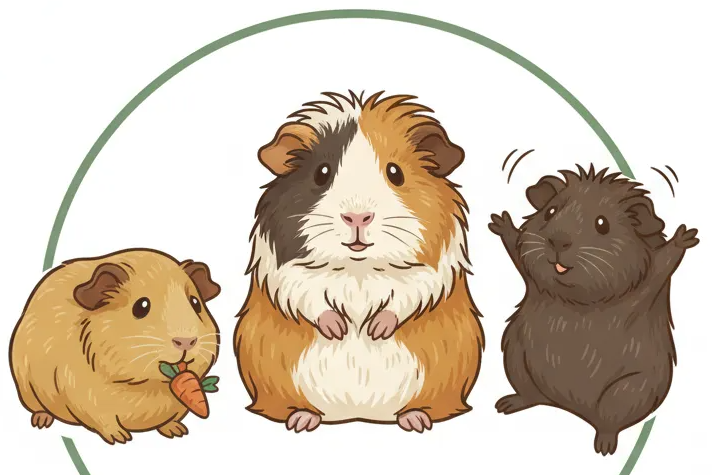
In this guide, I will break down the key differences you need to know, covering lifespan, space requirements, ease of handling, dietary needs, and social behavior. Having shared my home with my own trio-Pepper, Clover, and Biscuit-for years, I offer real-world insights to help you decide.
Guinea Pigs vs. Rabbits: A Gentle Giant Comparison
Rabbits often seem like gentle giants next to guinea pigs, but their care and personalities differ in key ways. I’ve noticed rabbits need more vertical space to hop and stretch, while my guinea pigs like Pepper prefer cozy, ground-level hideouts.
Guinea pigs typically weigh 1-3 pounds, whereas rabbits can reach 5-10 pounds or more. This size difference means rabbits require larger enclosures and more room to exercise safely.
Both pets enjoy social interaction, but guinea pigs are more vocal and expressive with their wheeks and purrs. Rabbits tend to be quieter and may bond deeply with one person, unlike my guinea pigs who chatter happily around anyone.
- Guinea pigs thrive in pairs or groups, reducing stress and loneliness.
- Rabbits can live alone or with a companion, but introductions need careful supervision.
- Diet-wise, guinea pigs need daily vitamin C, while rabbits rely on high-fiber hay and greens.
From my experience, guinea pigs like Clover are less likely to nibble on furniture than rabbits, who love to chew. Always provide plenty of safe toys to keep both pets mentally stimulated and out of trouble.
Guinea Pigs vs. Hamsters: Size and Social Needs
Hamsters are tiny and often solitary, making them quite different from the social guinea pigs I care for. Guinea pigs like Biscuit thrive in groups, while hamsters usually prefer living alone to avoid conflicts.
An adult guinea pig can be 8-12 inches long, dwarfing a hamster’s 2-6 inch frame. This size gap means guinea pigs need bigger cages with solid floors to protect their delicate feet. If you’re building their home, start with a safe, roomy cage. That’s the foundation for the perfect guinea pig cage.
Hamsters are nocturnal and mostly active at night, which might not suit families wanting daytime interaction. In contrast, my guinea pigs are diurnal and love to popcorn and play during the day, fitting right into your routine.
- Guinea pigs require daily social time with humans or cage mates to stay happy.
- Hamsters can become stressed if handled too much, especially during their sleep hours.
- For diet, guinea pigs eat constantly to support their digestion, while hamsters hoard food in cheek pouches.
I’ve found that guinea pigs, with their gentle natures, are easier for children to handle safely compared to quick, fragile hamsters. Choosing a pet that matches your lifestyle ensures a happier home for everyone involved.
Comparing Other Popular Small Pets
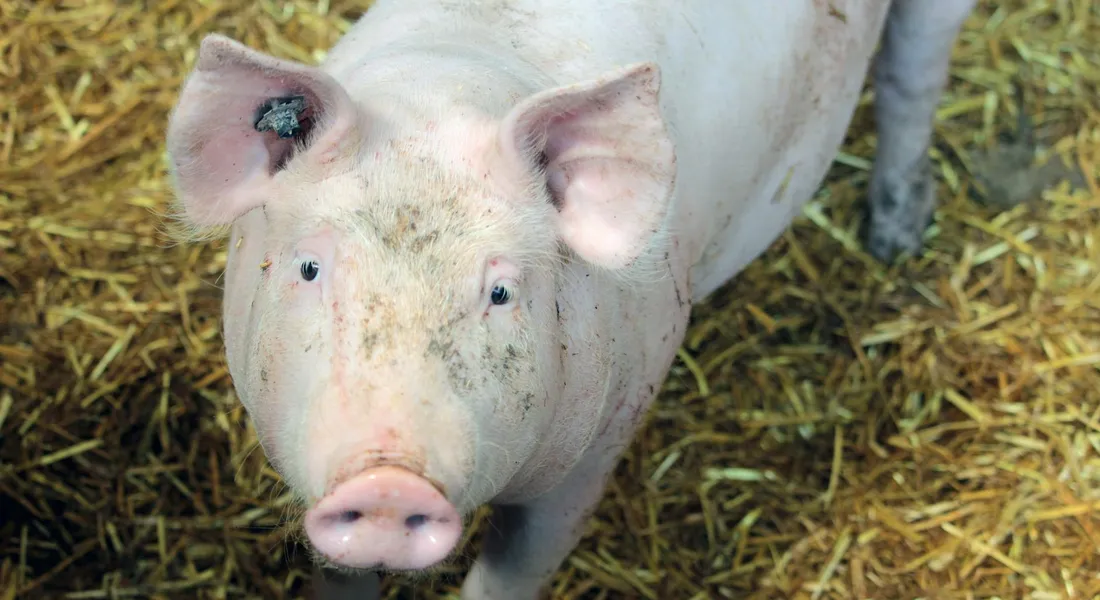
When you look at small pets, guinea pigs stand out for their social nature and gentle demeanor. In my experience with Pepper, Clover, and Biscuit, I’ve found that guinea pigs form deep bonds, unlike many solitary pets. They thrive on companionship and daily interaction, which makes them a joy for families.
Let’s break down how guinea pigs compare to other common choices like hamsters, rabbits, and gerbils. This table gives you a quick overview to help you decide which pet fits your lifestyle best.
| Pet Type | Lifespan (Years) | Social Needs | Space Requirements | Diet Highlights |
|---|---|---|---|---|
| Guinea Pig | 5-7 | High; prefer pairs or groups | Large cage, room to roam | Fresh hay, veggies, vitamin C |
| Hamster | 2-3 | Low; often solitary | Smaller enclosure | Seeds, pellets, occasional fruits |
| Rabbit | 8-12 | Moderate; can bond with humans | Spacious pen or free-roam area | Hay, leafy greens, limited pellets |
| Gerbil | 3-4 | Moderate; do well in pairs | Medium tank or cage | Seeds, grains, insects |
Guinea pigs like my Clover demand more daily attention than a hamster. They communicate with soft wheeks and purrs, creating a lively home atmosphere. Their longer lifespan means a bigger commitment, but the rewards in affection are immense.
Rabbits need similar space but can be litter-trained, while gerbils are energetic burrowers. I’ve noticed that guinea pigs are less prone to biting than some small pets, making them safer for kids. Always consider your time and energy before choosing.
Understanding the True Cost of Care
Many people focus on the initial price tag, but the real expenses add up over time. When I brought home Pepper, I quickly learned that guinea pigs have ongoing needs that impact your budget. It’s not just about buying a cage; it’s about providing a quality life.
Here’s a breakdown of typical costs you’ll face:
- Initial setup: Cage, hideouts, water bottle, food bowls – this can range from $100 to $300 depending on size and quality.
- Recurring expenses: High-quality hay, fresh vegetables, pellets, and bedding – plan for $30 to $50 monthly.
- Veterinary care: Annual check-ups, emergency visits, and potential issues like dental problems – set aside $100 to $200 yearly.
- Extras: Toys, grooming tools, and replacement items – these can add another $20 to $50 periodically.
Compared to hamsters, guinea pigs eat more and need larger enclosures. Biscuit’s long Peruvian fur requires regular brushing to prevent mats, which saves on vet bills later. Investing in good nutrition upfront reduces health risks down the line.
Don’t forget the time cost; guinea pigs need daily feeding, cleaning, and social time. I spend at least an hour each day with my trio, ensuring they’re happy and healthy. This commitment is part of the true cost, but it builds a rewarding bond. With a busy schedule, there are quick tips and tricks to stay on track. Batch-prep greens and hay, set fixed feeding times, and keep brief daily bonding sessions to maintain their routine.
Budget for unexpected vet visits, as guinea pigs can hide illnesses. Setting up a small savings fund for pet emergencies has given me peace of mind with Clover and the others. It’s a smart way to handle surprises without stress.
Lifespan and Long-Term Commitment
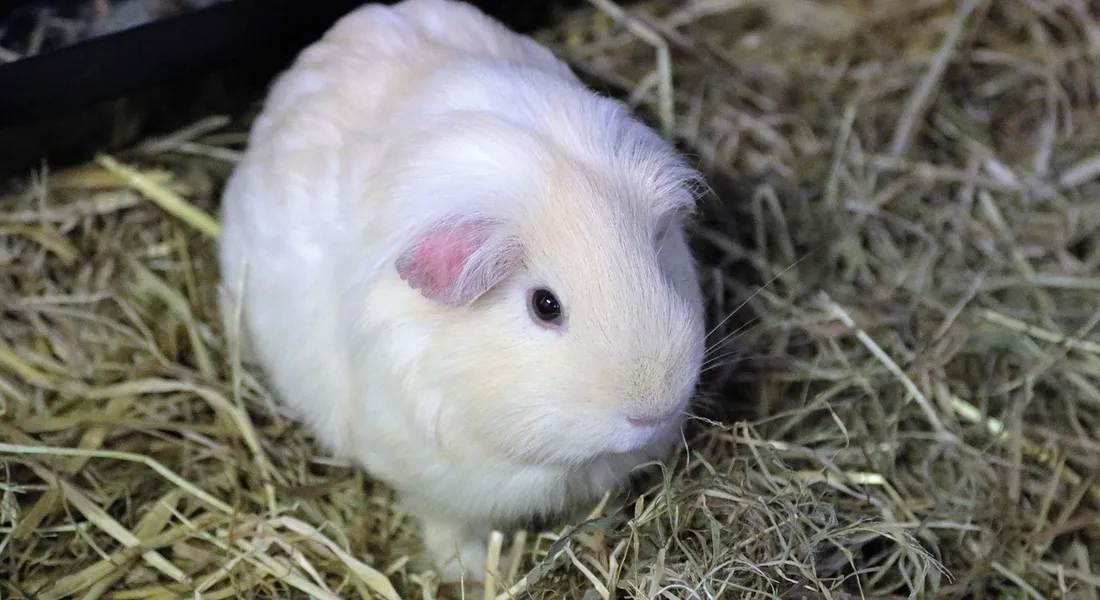
When I first welcomed Pepper, Clover, and Biscuit into my home, I quickly realized their care was a marathon, not a sprint. Guinea pigs typically live 5 to 8 years, a lifespan that far exceeds many other popular small pets. That average lifespan means you’ll plan for years of care, space, and enrichment. This longevity means you’re committing to years of companionship and responsibility.
Compare this to hamsters, which often live just 2 to 3 years, or mice, with lifespans of 1 to 2 years. That long-term bond is incredibly rewarding, but it also demands sustained financial and emotional investment. I’ve found their personalities truly blossom around year two, making those later years especially sweet.
Rabbits can live 8 to 12 years, a commitment similar to guinea pigs. Your decision should factor in potential life changes like moves, new jobs, or family additions. These little creatures become woven into the fabric of your daily life for a significant chunk of time.
Daily Care and Housing Requirements
My morning routine involves refreshing water bottles, serving a heaping pile of fresh veggies, and spot-cleaning their enclosure. Guinea pigs are social grazers who need constant access to hay, making their daily upkeep more involved than many solitary small pets.
Their housing needs are substantial. A proper cage for two guinea pigs should be at least 10.5 square feet, but I’ve found bigger is always better. This space requirement dwarfs what’s needed for a hamster or gerbil, who can thrive in much smaller habitats. My trio lives in a custom-built C&C cage that gives them room to run and popcorn. This is the kind of detail you’ll find in a complete space requirements guide for guinea pigs. It explains the minimum and ideal cage sizes, and why extra space matters for health and behavior.
Here’s how their daily care stacks up against other common small pets:
- Guinea Pigs: Daily fresh vegetables, unlimited timothy hay, vitamin C supplements, and social interaction
- Hamsters: Primarily commercial food mixes with occasional treats, and they’re content with less handling
- Rabbits: Similar vegetable requirements but need more space for hopping and different exercise needs
The dietary needs are particularly distinct. Unlike hamsters or mice who do fine on commercial pellets alone, guinea pigs require a carefully balanced diet of hay, fresh produce, and vitamin C-rich foods. I learned this the hard way when Clover showed signs of vitamin deficiency early on.
Cleaning frequency is another major differentiator. Guinea pig cages need thorough cleaning at least weekly due to their size and waste production, whereas smaller rodent habitats might stretch to bi-weekly cleaning. The upside? That daily interaction creates a bond you simply don’t get with more hands-off pets.
Temperament and Social Behavior

Guinea pigs are naturally social creatures that thrive in pairs or small herds, unlike many solitary small pets. My trio-Pepper, Clover, and Biscuit-constantly communicate with soft wheeks and rumbling purrs, creating a lively, interactive atmosphere in their home. You won’t find this level of audible, daily chatter with a hamster or a gerbil.
They display distinct personalities that blossom with regular, gentle handling. While a hamster might be more inclined to nocturnal solo adventures, guinea pigs are diurnal and genuinely seem to enjoy human company during waking hours. That variability forms a recognizable guinea pig temperament—curious, sociable, and responsive to calm, consistent handling. I’ve spent countless afternoons simply watching their social dynamics unfold. Understanding these temperament traits can help us tailor care and interaction to each individual pig.
Comparing Social Needs
- Guinea Pigs: Require companionship; a lone pig can become depressed. They groom each other and sleep huddled together.
- Hamsters: Are typically solitary and will often fight if housed together, leading to stress and injury.
- Rats: Are also highly social but in a more mischievous, exploratory way, whereas guinea pigs are more grounded and steady.
Their gentle nature makes them a fantastic choice for families. Pepper, for instance, will calmly sit in a child’s lap, whereas a skittish hamster might be more prone to nipping if startled. This predictability in temperament is a huge benefit for building a trusting bond.
Health, Safety, and Common Concerns
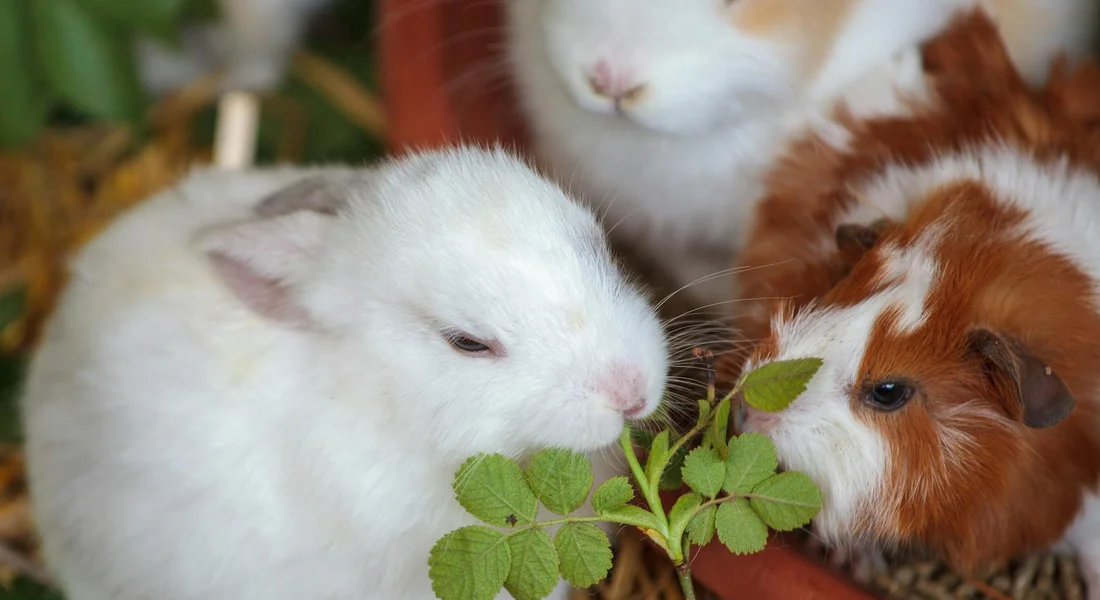
Every small pet has its own unique health considerations, and guinea pigs are no exception. Their most critical, non-negotiable dietary need is a daily source of Vitamin C, as their bodies cannot produce it themselves. You may be wondering how much vitamin C do guinea pigs need daily? In general, they require a small daily amount, best supplied via fresh greens and fortified pellets. This is a fundamental difference from many rodents and a key responsibility for an owner.
Dental health is a lifelong commitment. A guinea pig’s teeth never stop growing, so a constant supply of quality hay is essential to wear them down naturally and prevent painful overgrowth. I always check my pigs’ hay racks first thing in the morning to ensure they never run out.
Common Health Issues by Pet Type
- Guinea Pigs: Prone to scurvy (Vitamin C deficiency), respiratory infections, and bladder stones. Their sensitive digestive systems require a high-fiber diet.
- Rabbits: Also need hay for dental and gut health but are more susceptible to GI stasis, a serious condition where the gut slows down or stops.
- Hamsters: Often face issues like wet tail (a severe digestive illness) and diabetes, especially in certain dwarf species.
Habitat safety is paramount. I learned early on that wire cage floors are a major hazard for guinea pigs’ delicate feet, leading to a painful condition called bumblefoot. Providing a solid, soft surface, like a fleece liner, is a simple but crucial step for their well-being that isn’t always as critical for other small pets.
Their size makes them both sturdy and vulnerable. While they are less fragile than a tiny mouse, a fall from even a short height can cause serious injury due to their body structure. Always handle them close to the floor or over a soft, secure surface to prevent accidents.
FAQs
How do guinea pigs compare to hamsters in initial purchase and setup costs?
Guinea pigs often have higher initial costs due to needing larger cages and more accessories for their well-being. Hamsters typically require a smaller, less expensive setup, making them a budget-friendly option upfront.
What are the main differences in social needs between guinea pigs and rabbits?
Guinea pigs are highly social and must live in pairs or groups to avoid depression and stress. Rabbits can form strong bonds with humans but may tolerate solitude or require careful pairing with other rabbits.
Is the long-term cost of owning a guinea pig higher than for a gerbil?
Yes, guinea pigs generally have higher long-term costs because of their longer lifespan and ongoing needs for fresh vegetables, hay, and veterinary care. Gerbils, with shorter lives, often have lower overall expenses but still need consistent upkeep.
How does the handling ease of guinea pigs compare to that of other small pets like mice?
Guinea pigs are typically calmer and more tolerant of handling, making them easier and safer for regular interaction, especially with children. Mice are more agile and prone to stress, requiring gentler and more cautious handling to prevent escapes or injury. To properly care for guinea pigs, provide a spacious cage, fresh hay, clean water, and vitamin C-rich greens. Regular gentle handling and a clean, safe living space keep them calm and healthy.
What should I consider about guinea pig health costs compared to other small pets?
Guinea pigs need specific care like vitamin C supplements and dental checks, which can lead to more frequent vet visits and higher costs. Other pets, such as hamsters, may have different health issues, but guinea pigs’ unique dietary and medical needs often result in greater ongoing expenses.
Your Perfect Pet Awaits
When choosing your new family member, remember that guinea pigs thrive on companionship and require more space than many other small pets. Their gentle, social nature makes them wonderfully interactive, but their specific dietary and habitat needs demand a dedicated commitment. Before you get your first guinea pig, ask yourself if you have time for daily interaction and a spacious, safe habitat. Also consider the long-term commitment and whether you can meet their needs for several years.
Responsible pet ownership means committing to a lifetime of learning and providing compassionate care. I encourage you to explore eco-friendly options, from biodegradable bedding to sourcing local veggies, making your pet parenting journey both joyful and sustainable.
Further Reading & Sources
- Guinea Pigs: Why They’re Not Starter Pets | PETA
- Why Guinea Pigs Are Amazing Small Pets
- Why Guinea Pigs Make Great Pets
- Guinea pigs, hamsters, or rabbits: Which small pet is right for your family? | Animal Humane Society
Kate is a passionate guinea pig owner and advocate for small pet welfare. With over a decade of experience caring for guinea pigs, she has become a trusted voice in the small pet community.
Uncategorized