Do Guinea Pigs Need Vaccinations? Your Essential Guide
Published on: January 26, 2026 | Last Updated: January 26, 2026
Written By: Kate M. Callahan
Hello CavyFam, you might be wondering if your guinea pig needs vaccinations like dogs or cats do. It’s a natural worry for any caring pet owner wanting to keep their little friend safe and healthy.
In this article, we’ll cover vaccination facts, common health risks, and practical preventive care steps. With years of hands-on experience caring for guinea pigs like my own, I’m here to share reliable, easy-to-follow advice.
Understanding Guinea Pig Vaccination Basics
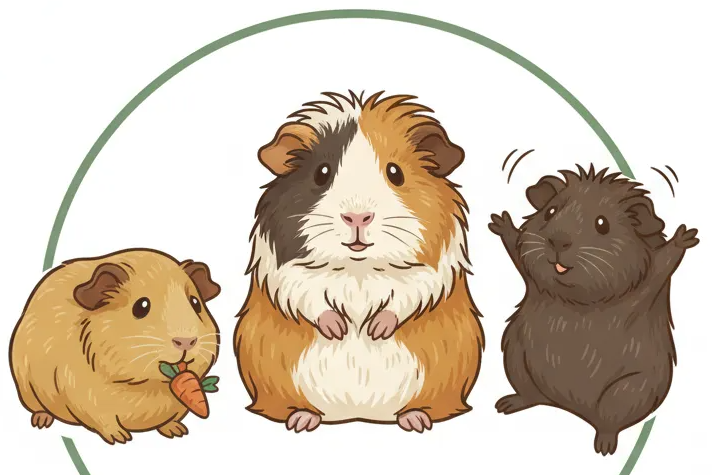
Guinea pigs, unlike dogs or cats, do not receive routine vaccinations because their common diseases aren’t prevented by shots. In my years caring for Pepper, Clover, and Biscuit, I’ve learned that focusing on a clean environment and balanced diet is their best defense against illness. Vaccines work by introducing a weakened form of a virus to build immunity, but guinea pigs face different health risks that don’t have approved vaccines. You can protect your pet through regular health checks and attentive daily care instead.
- Monitor for signs of respiratory issues or parasites, as these are more common than vaccine-preventable diseases.
- Provide a diet rich in vitamin C, like fresh veggies, to support their immune system naturally.
- Schedule vet visits for wellness exams, not shots, to catch problems early.
Why Vaccines Are Not Standard for Guinea Pigs
Vaccines aren’t standard for guinea pigs because the diseases they’re prone to, such as respiratory infections or scurvy, don’t have commercially available vaccines. From my experience with Biscuit’s reserved nature, I’ve seen how stress from unnecessary medical procedures can do more harm than good for these sensitive animals. Their immune systems and biology differ from pets that require routine shots, making preventive care through habitat management more effective.
- Guinea pigs have low risk for widespread contagious diseases that vaccines target, reducing the need for immunizations.
- Focus on eco-friendly bedding and spacious cages to minimize infection risks without injections.
- Advocate for animal welfare by avoiding over-medication and supporting natural health through proper nutrition and hygiene.
Essential Preventive Health Measures for Guinea Pigs
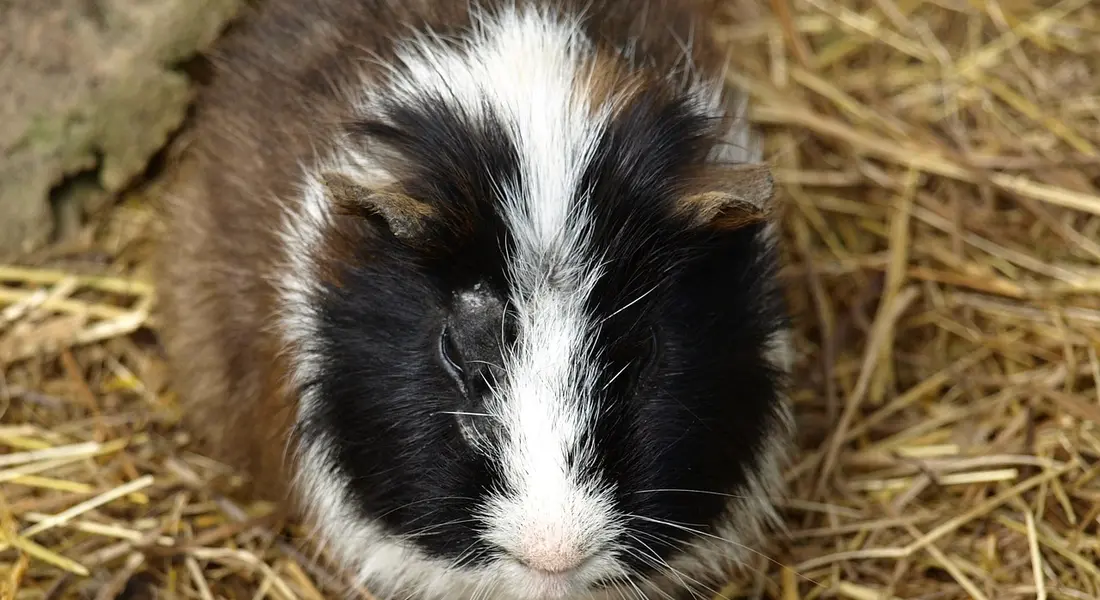
While guinea pigs don’t require vaccinations like cats or dogs, their health depends entirely on a proactive care routine you create. Their unique biology means prevention is the only true vaccine against common ailments. I’ve learned this firsthand through the daily care of my own trio-Pepper, Clover, and Biscuit.
Building a Strong Immune Foundation
A guinea pig’s immune system is heavily influenced by their diet and environment. Think of their care as building a fortress against illness. Some diseases can be transmitted from guinea pigs to humans, so good hygiene and regular veterinary care help protect both pets and people.
- Unlimited Grass Hay: Timothy or orchard grass must be available 24/7. This isn’t just food; it’s essential for dental and digestive health, preventing catastrophic gut stasis.
- Daily Vitamin C: Guinea pigs cannot synthesize their own Vitamin C. I provide a quarter of a green bell pepper to each of my pigs every single day. This simple, fresh food habit is your number one defense against scurvy.
- Clean, Dry Bedding: Ammonia from soiled bedding is a primary cause of respiratory infections. A full cage clean-out weekly is non-negotiable for clear lungs.
The Power of Observation and Handling
Your most powerful tool isn’t in a medicine cabinet; it’s your own eyes and hands. Gentle, regular handling allows you to become familiar with what’s normal for your pet.
- Perform a quick weekly “paw-to-nose” check. Feel their body for any unusual lumps or bumps.
- Look closely at their eyes and nose. They should be clear and free of any discharge.
- Monitor their eating and drinking habits. A sudden drop in appetite is a major red flag.
Catching a subtle change in behavior or weight early is often the difference between a simple treatment and a critical emergency. My pig, Biscuit, once had a slight decrease in activity that tipped me off to a minor tooth issue long before she stopped eating.
Common Health Risks and How to Manage Them
Understanding the specific threats your guinea pig faces allows you to act swiftly and confidently. These are the conditions I’ve either personally managed or diligently researched to keep my herd safe. These threats tie directly to guinea pig defense mechanisms against predators. Knowing how they instinctively alert, freeze, and seek cover helps you design safer housing and daily routines.
Respiratory Infections (Pneumonia)
This is a serious and common danger. Symptoms include labored breathing, sneezing, and a crusty nose or eyes.
- Cause: Often bacterial, exacerbated by drafts, damp bedding, or a dirty cage.
- Action: This is a vet emergency. Do not wait to see if it improves; respiratory distress can escalate in hours. Antibiotics prescribed by an exotic animal vet are required.
Scurvy (Vitamin C Deficiency)
This is a completely preventable disease caused by a poor diet.
- Symptoms: Lethargy, rough coat, swollen joints, and difficulty walking.
- Prevention & Management: Beyond daily high-C veggies, I keep a liquid Vitamin C supplement on hand, prescribed by my vet, for use if a pig is ill and not eating well.
Dental Problems
Their teeth grow continuously. Without proper wear, they can develop painful overgrowth or sharp points called spurs.
- Signs: Drooling, weight loss despite interest in food, and dropping half-chewed food pellets (“quidding”).
- Solution: An exotic vet must file the teeth down. The constant availability of abrasive hay is the single best way to keep their teeth naturally trimmed.
Urinary Tract Issues and Bladder Stones
These painful conditions are often related to diet and genetics.
- Warning Signs: Squeaking while urinating, blood in the urine, or a hunched posture indicating pain.
- Management: Limit high-calcium vegetables like spinach and kale. Ensure fresh water is always available to help flush the system. Any sign of pain requires immediate veterinary attention.
The Importance of Regular Veterinary Checkups
While guinea pigs do not require vaccinations, they absolutely need consistent veterinary care to stay healthy. Think of these checkups as preventive maintenance for your pet’s entire system. A vet who specializes in small animals can spot subtle changes you might miss at home. That’s why regular vet visits should be part of a complete care schedule. Your veterinarian can help you set a routine for checkups, dental care, and weight monitoring.
I take my own guinea pigs for a wellness exam at least once a year. During these visits, the vet performs a “nose-to-tail” assessment that is invaluable for catching problems early. They check their weight, listen to their heart and lungs, and examine their teeth, which continuously grow and can cause serious issues if not monitored. I always make sure to handle them carefully during health checks to avoid causing them any stress.
What a Vet Checks During a Wellness Exam
- Weight and Body Condition: Sudden weight loss is often the first sign of illness.
- Dental Health: Overgrown teeth can prevent eating and require filing.
- Skin and Coat: Looking for parasites, fungal infections, or lumps.
- Eyes, Ears, and Nose: Checking for any discharge or abnormalities.
- Respiratory Sounds: Listening for any signs of a URI, a common issue.
My guinea pig, Biscuit, once had a slight wheeze I almost dismissed. The vet identified a very early-stage respiratory infection that was easily treated with medication. Without that checkup, it could have developed into pneumonia.
Safety and Quarantine Practices for New Guinea Pigs
Bringing a new guinea pig home is exciting, but introducing them to your existing pets requires a careful, staged process. Proper quarantine is the single most effective way to prevent the spread of illness to your current herd. I learned this the hard way early on, and now I never skip this step. In this guinea pig quarantine guide, you’ll learn the safest, step-by-step approach to introducing a new pet. We’ll cover how to set up a quarantine space, signs of illness to watch for, and how to ease the transition for your whole family.
Your new guinea pig could be carrying bacteria or parasites without showing any symptoms. A strict quarantine period allows any hidden illnesses to surface before there’s any contact with your other pigs. This protects everyone’s health and prevents a stressful outbreak. Properly caring for guinea pigs means starting with quarantine and gradual introductions. Regular monitoring and clean housing are essential parts of proper guinea pig care.
Your Step-by-Step Quarantine Guide
- Separate Living Space: House the new guinea pig in a completely different room for at least two weeks. Airborne germs can travel surprisingly far.
- Dedicated Supplies: Use separate food bowls, water bottles, and hideys. Wash your hands thoroughly with soap and water after handling the new pig or cleaning their cage.
- Observe Closely: Watch for signs of illness like sneezing, lethargy, diarrhea, or a poor appetite. Monitor their droppings for consistency.
- Schedule a Vet Visit: Take your new guinea pig for a health check during the quarantine period. This gives you a professional assessment and peace of mind.
- Gradual Introduction: Only after the quarantine period and a clean bill of health should you begin slow, supervised introductions in a neutral area.
When I brought Clover home, her quarantine revealed a minor case of mites that was simple to treat. Because we followed this protocol, Pepper and Biscuit remained completely healthy and unaffected. A little patience upfront saves a lot of worry later on.
FAQs
Are there any vaccinations recommended for guinea pigs?
No, there are no standard vaccinations recommended or approved for guinea pigs. Their health is best supported through preventive care like a proper diet and clean habitat.
Do guinea pigs follow a vaccine schedule like other pets?
Guinea pigs do not have a vaccine schedule because no routine shots are available for them. Instead, owners should adhere to a consistent routine of wellness checks and environmental management, especially when managing guinea pig care with a busy schedule.
Why are vaccines not developed for guinea pig diseases?
Vaccines are not commercially produced for guinea pigs due to the lack of widespread, vaccine-preventable diseases in this species. The focus remains on addressing health risks through nutrition and hygiene rather than immunizations.
Can guinea pigs receive vaccines from other animals?
No, vaccines designed for other pets should never be administered to guinea pigs. Using inappropriate vaccines can cause severe adverse reactions and does not provide any protective benefits.
What should I do if a vaccine for guinea pigs becomes available?
Always consult an exotic animal veterinarian for guidance on any new medical developments for guinea pigs. They can assess the necessity and safety based on current research and your pet’s specific health needs. When you bring home a new guinea pig, schedule its first vet visit within the first week. This visit helps establish a health baseline and guides you on care, nutrition, and preventive steps.
Your Guinea Pig’s Health Journey
Based on my time caring for Pepper, Clover, and Biscuit, guinea pigs do not require vaccinations, but scheduling regular vet check-ups is vital for spotting health issues early. If you’re building a weekly care routine, this ties into the ultimate checklist for guinea pig owners. Prioritize a balanced diet and a hygienic habitat to minimize risks and keep your furry friends happy.
Embrace ongoing learning about guinea pig care to deepen your bond and make informed choices for their welfare. Explore eco-friendly options like biodegradable bedding to nurture your pets while protecting our environment. Check out our ultimate guide to bedding options for guinea pigs to ensure comfort and health. It covers materials, safety, and maintenance for confident choices.
Further Reading & Sources
- Do I Need To Give My Guinea Pigs Vaccinations? | Guinea Pig Health
- Routine Health Care of Guinea Pigs – All Other Pets – Merck Veterinary Manual
- Essential Veterinary Care for Guinea Pigs: A Complete Guide | Pets4Homes
- Do guinea pigs need vaccinations? – GuineaDad
Kate is a passionate guinea pig owner and advocate for small pet welfare. With over a decade of experience caring for guinea pigs, she has become a trusted voice in the small pet community.
Uncategorized