How Long Does It Take for Guinea Pigs to Bond With Each Other?
Published on: January 27, 2026 | Last Updated: January 27, 2026
Written By: Kate M. Callahan
Hello CavyFam! Wondering how long it takes for guinea pigs to become best friends can feel stressful. You might worry they’ll never get along or that you’re doing something wrong.
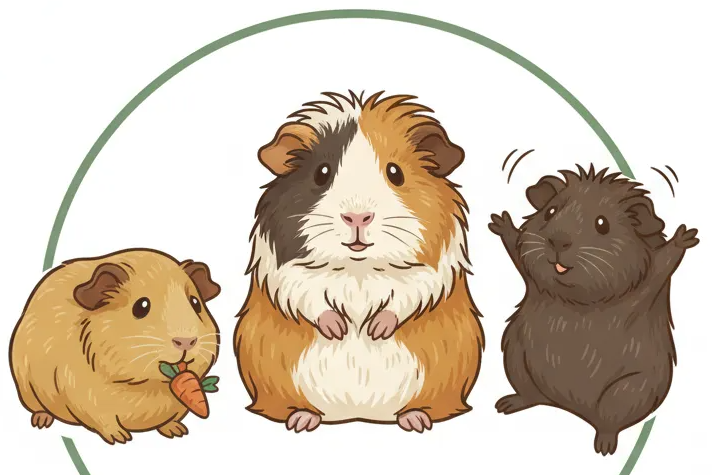
In this guide, I’ll share everything from realistic bonding timelines, safe introduction techniques, to recognizing positive and negative signs. My own trio-gentle Pepper, graceful Clover, and reserved Biscuit-taught me that patience and careful observation are everything.
Understanding Guinea Pig Bonding
Bonding for guinea pigs is the process of forming a trusting, cooperative relationship, much like building a tiny, furry community.
As social herd animals, they thrive on companionship, grooming each other, sleeping side-by-side, and communicating with a symphony of wheeks and purrs. This deep social connection is a fundamental part of their identity and directly impacts their daily happiness.
Watching my own trio, I saw bonding was vital for their well-being. A lonely guinea pig can become stressed, lethargic, and even stop eating. In healthy guinea pig pair bonds, you can look for signs like mutual grooming, close snuggling, and synchronized eating and exploration. Recognizing these cues helps you support and protect your companions.
When Pepper, Clover, and Biscuit finally settled into their group dynamic, their entire demeanor changed. They were more active, more vocal, and clearly more content. A successful bond transforms their cage from a simple enclosure into a secure and joyful home.
I remember introducing the younger, reserved Biscuit to the established pair. For days, it was a careful dance of sniffing and cautious observation.
The breakthrough came when I saw gentle Pepper share a piece of cilantro with Biscuit. It was a small gesture, but it signaled acceptance. That moment of shared food was the first true thread in the fabric of their friendship.
Factors That Influence Bonding Time
Several key elements determine how quickly your guinea pigs will become best friends. No two pairs are the same, and patience is your greatest tool.
- Age: Younger guinea pigs, under six months old, typically adapt to new companions with remarkable speed. Their world is still new, and they are naturally more flexible. Older pigs, set in their ways, often need a longer, more gradual introduction process.
- Sex: The dynamics between males and females, or same-sex pairs, play a huge role. Two females often form a strong, stable bond. Two males can live together harmoniously, especially if introduced young, but may require more space to prevent squabbles. Mixed pairs are usually very successful but, of course, lead to babies if not neutered.
- Personality: Just like people, some guinea pigs are naturally more outgoing, while others are shy. My calm Pepper was the perfect anchor for the thoughtful Clover and the intelligent but reserved Biscuit. Pairing a very dominant pig with a very submissive one can sometimes work well, as their roles are clear from the start.
- Past Experiences: A guinea pig from a crowded pet store or one with a history of neglect may be fearful and slow to trust. These pigs need extra gentleness and time to learn that their new companion is not a threat.
The Step-by-Step Bonding Process
-
Start with quarantine and health checks for new pigs. I always keep new arrivals like Biscuit separated for at least two weeks. This prevents spreading hidden illnesses to your current herd, a lesson I learned after a close call with Pepper. A vet visit during this time confirms your new friend is healthy and ready for introductions.
-
Set up a neutral territory for initial meetings. Choose a space none of the guinea pigs consider their own, like a clean bathroom floor or a new playpen. A neutral area prevents territorial disputes, making those first sniffs much less stressful for everyone involved. Scatter plenty of hay and veggies to create positive associations.
-
Use scent swapping to ease introductions. Before they meet face-to-face, rub a small cloth on one pig and place it in the other’s cage. Swapping scents lets them get familiar with each other’s smell in the safety of their own home. I did this with Clover and Biscuit, and it noticeably reduced their initial nervous chattering.
-
Monitor interactions for signs of stress or aggression. Watch for relaxed behaviors like sniffing and popcorn jumps. Be ready to gently separate them if you see prolonged chasing, aggressive teeth chattering, or biting. A small towel works well to scoop up a pig safely if a squabble gets too heated.
-
Gradually increase shared time if all goes well. Start with short, supervised playdates of 10-15 minutes. Slowly extending their time together builds trust and reinforces that good things happen when they’re near each other. Once they can share a meal peacefully for an hour, they’re often ready to move in together.
Typical Bonding Timeline and Phases
-
Outline phases from first meet to full bonding. The journey usually starts with a curious but cautious investigation phase. This is followed by a sorting-out period full of squeaks and rumbles as they establish a hierarchy. The final stage is peaceful cohabitation, where they eat, sleep, and popcorn together like old friends.
-
Provide estimated timeframes for each stage. The initial investigation might last a few days. The sorting-out phase can take one to two weeks, while full bonding often requires three to four weeks of consistent, positive interactions. My gentle Pepper and graceful Clover took nearly a month to become inseparable cuddle buddies.
-
Mention that patience is key, as timelines vary. Every guinea pig pair is unique. Personality plays a huge role-my reserved Biscuit needed extra time to feel comfortable, while more outgoing pigs might bond faster. Don’t rush the process; let them set the pace for their new friendship.
Signs Your Guinea Pigs Are Bonding Well
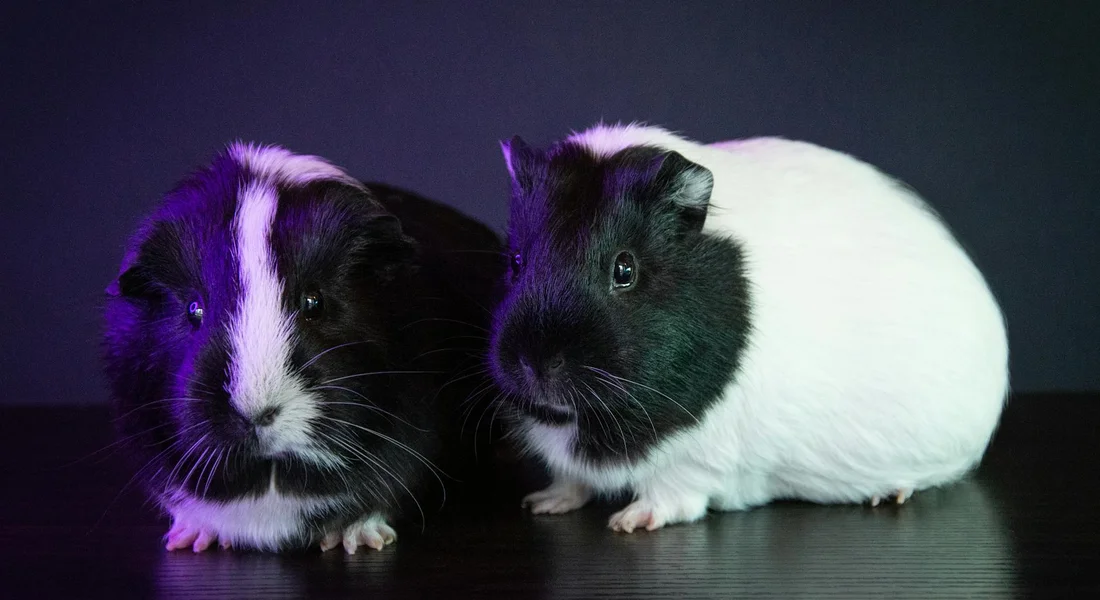
Seeing your guinea pigs connect is one of the most rewarding parts of pet ownership. Positive bonding behaviors are often quiet and cooperative, showing a real comfort between them. But what do these common bonding signals actually mean, and are they typical across most guinea pig pairs? Understanding these cues can help you read their relationship and respond appropriately.
- Mutual Grooming: This is a huge sign of trust. You’ll see one gently nibble or lick around the other’s head and ears.
- Huddling Together: Bonded guinea pigs choose to be close. They’ll sit side-by-side, often touching, while relaxing or eating.
- Sleeping Together: When they feel completely safe, they’ll sleep curled up next to each other in their hidey.
- Shared Space Without Tension: They move around their enclosure calmly, not constantly chasing or avoiding one another.
- Calm Vocalizations: Listen for soft, contented “wheeking” and purring when they are near each other.
In my own herd, I knew Pepper and Clover had bonded when I’d consistently find them sharing a hay pile. They created a quiet routine of eating and napping together that showed their deep comfort. Biscuit took longer to join, but now I often see all three resting in a single, cozy piggy pile.
When Bonding Hits Rough Patches
Not every interaction will be peaceful, and some disagreement is normal. The key is knowing the difference between establishing a hierarchy and dangerous fighting.
- Normal Dominance: This includes low rumbling, gentle nose-offs, and light chasing. One pig may mount the other briefly. These behaviors are usually short-lived.
- Serious Aggression: Watch for loud, angry teeth chattering, full-blown fights with biting, and chasing that leads to fur pulling. Bloodshed means you must separate them immediately.
If you see true aggression, you need to step in for their safety. Use a towel to gently separate them and place them in temporary, side-by-side enclosures so they can still see and smell each other safely. I had to do this once early on with Clover and Biscuit; a brief, supervised reset period helped immensely.
To reduce stress during spats, ensure you have multiple hideouts, food bowls, and water bottles. Providing plenty of resources eliminates competition and gives a nervous pig a place to retreat. Sometimes, a distracting handful of fresh cilantro is all it takes to break the tension and get them focused on something positive again.
Tips to Speed Up and Strengthen Bonding
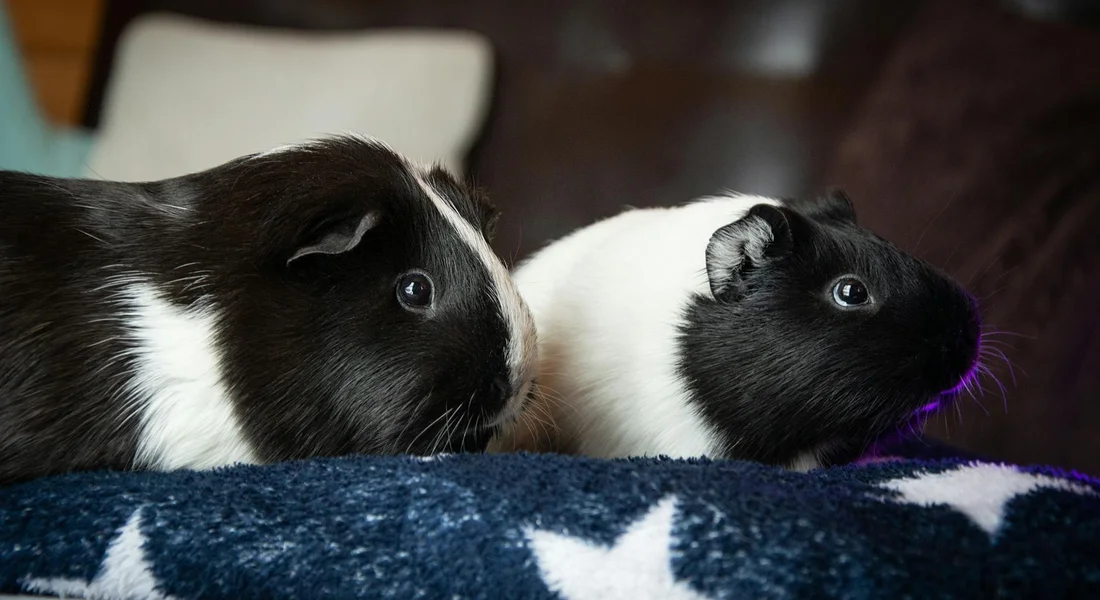
You can help your guinea pigs feel more at ease with each other by using a few simple strategies that encourage trust and friendship. Offering treats during their interactions creates positive associations and makes bonding feel like a fun activity rather than a stressful event. I always keep small pieces of veggies handy when introducing my pigs, like Pepper and Clover, to reward calm behavior. If your guinea pigs aren’t getting along, pause the session and separate them for a short break before trying again in a neutral space. Keep an eye on signs of stress and reintroduce gradually to encourage positive interactions.
- Use treats like tiny carrot slices or parsley to lure them closer without forcing contact.
- Practice calm handling by sitting with them in a neutral space, letting them explore each other at their own pace.
- Try bonding scarves-soft fabric items rubbed on one pig and placed near another to share scents safely.
A peaceful environment plays a huge role in reducing squabbles and helping bonds form faster. Loud noises or sudden movements can startle guinea pigs, so I set up their cage in a quiet corner away from busy household areas. With Biscuit, my more reserved pig, I noticed she opened up quicker when the room felt serene and predictable.
From my experience, one trick that worked wonders was scheduling short, daily “playdates” in a clean, enclosed area. I’d watch Pepper and Clover nibble hay together, which built their comfort over weeks without any rushing. Another personal favorite is using a hideout with multiple exits-this lets them retreat if overwhelmed, promoting natural social rhythms.
Bonding With Humans: A Supportive Role
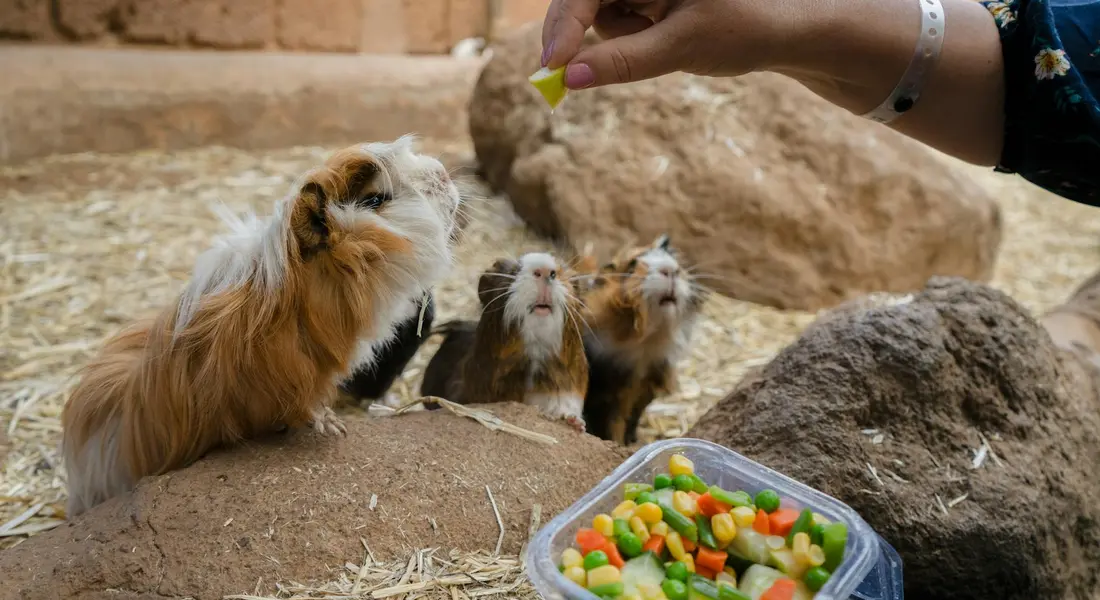
Building a strong connection with you can actually help your guinea pigs get along better with each other. When pigs feel secure around their owner, they tend to be less anxious and more open to forming bonds with cage mates. I’ve seen this with my trio—gentle interactions with me seemed to boost their overall confidence. By taking small, patient steps to ease shy piggies out of their shells, you can practice overcoming shyness step by step and build lasting confidence in timid guinea pigs.
- Gentle petting on their backs or behind the ears can soothe them and reinforce a sense of safety.
- Voice interaction, like talking softly during feeding time, helps them recognize you as a friendly presence.
Keep these methods simple and consistent to support their social development without overwhelming them. Even just sitting near their cage and reading aloud can make a difference, as it familiarizes them with your voice and reduces stress.
FAQs
How can I bond with my guinea pig?
Spend quality time daily by offering treats and speaking in a calm, gentle voice. This builds trust and helps your guinea pig associate you with positive experiences. Watch for signs your guinea pigs are happy—relaxed posture, soft purring, and curiosity when you approach. By noting these cues, you’ll know if your guinea pigs are happy.
What is a guinea pig bonding pouch?
A bonding pouch is a soft, wearable carrier that keeps your guinea pig close to your body. It allows them to feel secure while getting accustomed to your scent and movements.
How do I make a guinea pig bonding scarf?
Use a soft, breathable fabric to sew a simple pouch or sling that can be worn around your neck or shoulder. Ensure it has secure stitching and enough space for your guinea pig to sit comfortably without restriction.
Are there professional guinea pig bonding services?
Yes, some pet experts or specialized services offer assistance with guinea pig introductions for a fee. They provide a controlled environment and expert techniques to help pigs form bonds safely. This can be part of a baby-to-adult safe introduction guide, offering step-by-step tips for a smooth, gradual pairing. A professional can tailor the plan to your specific pair.
How do I bond male guinea pigs?
Introduce male guinea pigs in a large, neutral space to minimize territorial behavior. Provide multiple hideouts and food sources to reduce competition and allow them to establish a hierarchy peacefully. This setup helps ensure a successful introduction and bonding. Monitor their interactions and intervene calmly if tension rises to keep the process positive.
Your Path to Happy Guinea Pig Friendships
From my years with Pepper, Clover, and Biscuit, I’ve found that bonding often takes a few patient weeks with gradual, supervised introductions. Focus on creating a calm environment and watching for positive cues like shared eating or gentle nudges to gauge their comfort.
Commit to lifelong learning about guinea pig needs and making eco-conscious choices in their daily care. Selecting sustainable items, such as plant-based bedding, supports both your pets’ health and a greener world for all animals. In this ultimate guide to safe bedding options for guinea pigs, you’ll learn how to choose the best materials and keep their living space clean and comfortable.
Further Reading & Sources
- Guinea pig bonding basics | Animal Humane Society
- BONDING | wheekcare
- A 4 Week Guide to Bonding with Your Guinea Pig – Penny & Wild
- shropshireguineapiggery – Bonding
Kate is a passionate guinea pig owner and advocate for small pet welfare. With over a decade of experience caring for guinea pigs, she has become a trusted voice in the small pet community.
Uncategorized