Guinea Pigs and Loud Noises: Sensitivity and Reactions Explained
Published on: February 16, 2026 | Last Updated: February 16, 2026
Written By: Kate M. Callahan
Hello CavyFam! If you’ve ever noticed your guinea pig freezing or hiding when a loud sound happens, you’re right to wonder how noise affects them.
Loud noises can startle these small pets, and I’ve seen this firsthand with my own guinea pigs like gentle Pepper and graceful Clover.
In this guide, I’ll dive into how sensitive guinea pigs are to sounds, their typical stress reactions, and simple steps to create a quieter, safer space for them.
With years of caring for guinea pigs like reserved Biscuit, I can offer practical advice to keep your furry friends calm and protected.
Guinea Pig Hearing and Sound Sensitivity
-
Guinea pigs hear sounds much more sharply than we do. Their ears pick up frequencies up to 50,000 Hz, while humans max out around 20,000 Hz. Imagine your hearing as a standard radio, but a guinea pig’s is like a high-tech scanner catching every faint signal. This sensitivity helps them detect predators in the wild, but in your home, it means everyday noises can feel overwhelming. For more details on their hearing and sensitivity, you can check out how guinea pigs perceive sound.
-
As natural prey animals, guinea pigs are wired to interpret loud sounds as immediate threats. Sudden bangs or rumbles trigger their instinct to flee or freeze, a survival tactic from their ancestors. My guinea pig Pepper, with his gentle nature, often perks up at the slightest noise, reminding me how alert they always are.
-
Based on my time with Pepper, Clover, and Biscuit, common household noises that startle them include:
- Vacuum cleaners roaring to life
- Doors slamming shut unexpectedly
- Loud music or TV blaring suddenly
- Fireworks or thunderstorms booming outside
- Kitchen appliances like blenders whirring loudly
Clover, my graceful Abyssinian, once bolted under a hideout when a pot clattered in the kitchen, showing how routine sounds can spike their anxiety.
Common Reactions to Loud Noises in Guinea Pigs
-
Physical signs are often the first clue your guinea pig is stressed. They might dart into a hideaway, freeze completely like a statue, or tremble visibly. I’ve seen Biscuit, my reserved Peruvian, flatten himself against the cage floor during a loud storm, his little body shaking until things quieted down. These moments show how to interpret common guinea pig behaviors and body language.
-
Vocal responses add another layer to their distress. High-pitched squeals or sharp whistles signal panic, while repetitive thumping with their hind feet acts as a warning to others. Pepper has let out urgent squeaks when fireworks go off, a clear cry for comfort and safety.
-
Use this quick-reference table to gauge stress levels based on behaviors:
Behavior Stress Level Hiding briefly Low Freezing in place Medium Trembling or shaking High Squealing loudly High Thumping feet repeatedly Medium to High Monitoring these cues helps you step in quickly to soothe your pet and prevent long-term fear.
Signs of Noise-Induced Stress and Anxiety
-
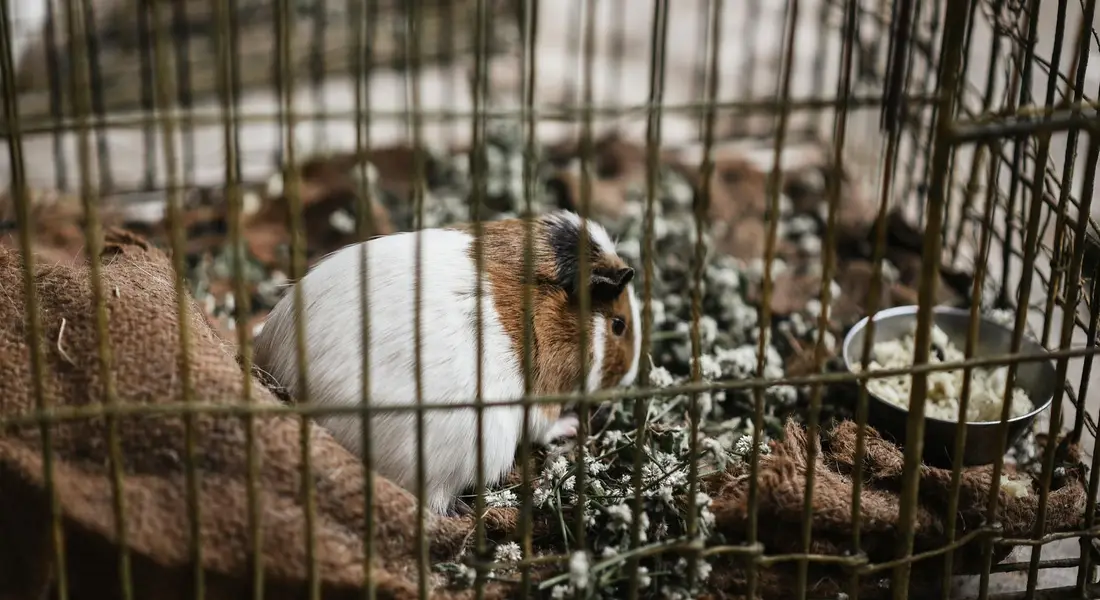
Behavioral changes like reduced appetite or pacing are common indicators of stress. Guinea pigs may stop eating their favorite veggies or constantly move around their cage when overwhelmed by loud sounds. These cues can help you tell if your guinea pig is stressed or anxious. If you notice these patterns persisting, try to reduce stressors and provide a quiet, stable environment. For instance, my guinea pig Pepper, who is usually gentle and steady, once refused her daily greens after a sudden door slam, and I noticed her pacing back and forth until things quieted down.
-
Subtle cues such as changes in ear position or avoidance behaviors can signal anxiety. Watch for ears pinned flat against their head or them hiding in corners to escape noise. Clover, my graceful Abyssinian, often tucks her ears and retreats to her hideout during thunderstorms, showing clear signs of discomfort without obvious panic.
-
Personal stories help illustrate how to monitor your pet effectively. I regularly check on Biscuit, my reserved Peruvian, by observing if she interacts less or stays curled up during noisy events. Over time, I’ve learned that even small changes in her usual intelligent demeanor can mean she’s feeling stressed, so I adjust her environment right away to keep her safe and calm.
How to Reduce Loud Noise Exposure for Guinea Pigs
-
Suggest cage placement away from high-traffic areas to minimize sudden disturbances. Position the cage in a quiet room, like a bedroom or study, rather than near loud appliances or entryways. When I moved Pepper’s enclosure to a calm corner away from the TV, her stress levels dropped noticeably, and she became more relaxed during daily activities.
-
Offer noise reduction techniques using household items to create a buffer. Drape thick blankets or towels over part of the cage to absorb sound, or place rugs nearby to dampen vibrations. I’ve used an old quilt for Clover’s cage during fireworks, and it helped muffle the booms, making her feel more secure without costly equipment.
-
Discuss gradual exposure to build tolerance by slowly introducing mild noises. Start with low-volume sounds, like soft music, and gradually increase intensity over weeks. With Biscuit, I played gentle tunes during feeding times, and she now handles everyday household noises better, showing less anxiety and more curiosity.
Understanding Guinea Pig Noises and What They Mean
Learning to interpret your guinea pig’s vocalizations is like learning a new language, and it’s one of the most rewarding parts of being an owner. Each sound gives you a direct window into their emotional state, from pure contentment to genuine fear. In this new owner’s guide to interpreting common guinea pig sounds, you’ll learn what each chirp, squeak, and rumble signals. Recognizing these cues helps you respond with care and strengthens your bond.
My guinea pig, Pepper, has taught me so much about this. His steady personality means his sounds are very consistent and easy to read.
- Wheeking: This is a high-pitched, long squeal you’ll often hear at feeding time. It’s an excited, anticipatory sound. When I rustle a produce bag, all three of my pigs start a chorus of wheeking.
- Purring: A deep, rumbling sound. Context is everything here. A soft purr while you’re gently petting them indicates contentment. A louder, more tense purr often means they are annoyed or frightened.
- Chutting and Whining: These are softer, conversational sounds. I hear my girl Clover make these gentle “chut” noises when she’s peacefully exploring her enclosure. A whine is a mild protest, like when Biscuit doesn’t want to be moved from his favorite hidey.
- Teeth Chattering: This is a clear warning sign. It’s a rapid clicking of the teeth, signaling anger, aggression, or fear. If you hear this, it’s best to give your guinea pig some space to calm down.
- Shrieking or Loud Squealing: This is a distress signal. It means your guinea pig is in pain or feels extreme terror. I’ve only heard this once when one of my pigs got a nail briefly caught; it’s a sound you’ll act on immediately.
Calming Techniques for a Startled Guinea Pig
Seeing your guinea pig freeze or scatter after a loud noise can be worrying. Your calm and predictable response is the most powerful tool you have to help them feel secure again.
- Provide an Immediate Safe Space. The first thing I do is make sure they can get to their hidey. Don’t try to pull them out; let them retreat. I’ll sometimes drape a light blanket over part of the cage to create a darker, more den-like environment, which can be very soothing.
- Speak in a Soothing Voice. Get down to their level and talk to them gently. I’ll often just sit by the cage and read a book aloud in a calm, steady tone. Your familiar voice is a powerful comfort.
- Offer a Familiar Treat. Once they’ve stopped panicking and are cautiously peeking out, offer a favorite herb like cilantro or a small piece of bell pepper. This creates a positive association and helps distract them.
For long-term anxiety reduction, focus on environmental enrichment. A bored guinea pig is often a more anxious one. Boredom busters—20 safe, engaging enrichment ideas for guinea pigs—can keep them mentally stimulated. Try simple changes like foraging toys or tunnel play to break up the day.
- Provide plenty of tunnels, paper bags, and wooden chews to encourage natural foraging and hiding behaviors.
- Maintain a consistent daily routine for feeding and spot-cleaning. Predictability builds trust.
- If your home is consistently noisy, consider moving the cage to the quietest room possible.
Always handle a frightened guinea pig with extreme gentleness. If you must pick them up, do so slowly and support their entire body. If your guinea pig remains unusually lethargic, refuses food for more than a few hours, or shows signs of labored breathing after a fright, it is time to contact your veterinarian. Stress can have real physical consequences for these small animals. Proper care for guinea pigs means gentle handling, safe housing, and a healthy diet. Regular health checkups help catch problems early.
FAQs
What is a guinea pig noises chart?
A guinea pig noises chart is a visual tool that organizes common vocalizations into categories based on their sounds and contexts. It helps owners quickly identify what their pet might be feeling, such as excitement or fear, without needing prior experience. This is part of a complete guide to guinea pig vocalizations and what they mean. By learning the meanings of each sound, you can respond more effectively to your pig’s needs.
How can a guinea pig noises soundboard be useful?
A guinea pig noises soundboard offers audio clips of various sounds, allowing owners to hear examples like wheeking or chirping for better recognition. This can improve your ability to respond appropriately to your guinea pig’s needs and emotions.
What noises do guinea pigs make when happy?
Happy guinea pigs often emit wheeking sounds, which are high-pitched squeals of anticipation during activities like feeding. They may also produce soft purring or gentle chutting noises while being petted or exploring comfortably. By listening for these cues and watching relaxed body language, you can know if your guinea pigs are happy. When they stay curious and calm, they’re likely content.
What does chirping mean in guinea pigs?
Chirping in guinea pigs is a rare, bird-like sound that can signal stress or a reaction to something unfamiliar in their environment. It may occur when they are startled or trying to communicate unease to other guinea pigs.
Why do guinea pigs make noises at night?
Guinea pigs are crepuscular, meaning they are most active during dawn and dusk, which can lead to increased vocalizations at night. Noises like wheeking or rumbling might happen if they are hungry, interacting with cage mates, or reacting to subtle sounds in a quiet house. Understanding their daily patterns helps you plan play and feeding around those peak times. By observing when they’re most active—typically at dawn and dusk—you can time interactions for when they’re most responsive.
Your Guinea Pig’s Path to Peace
Based on my time with gentle Pepper and thoughtful Clover, I always prioritize a calm, noise-controlled space to prevent stress in guinea pigs. Regularly check their reactions to sounds and adjust their environment to keep them feeling secure and content.
Commit to ongoing education about guinea pig care, embracing eco-friendly habits like using biodegradable bedding for a healthier home. Sharing experiences with fellow owners helps build a community dedicated to compassionate and sustainable pet parenting. For owners, a weekly guinea pig care routine ultimate checklist helps keep care consistent—covering feeding, cleaning, and enrichment. Having it on hand makes it easy to track what to do each week and ensure nothing is missed.
Further Reading & Sources
- Guinea Pig Sounds | Anti-Cruelty
- Guinea Pigs And Loud Noises: How Do They React To It? – Pocket Sized Pets
- Guinea Pig Sounds and Noises: What Do They Mean? | Oxbow
- Loud Noises – Do they bother guinea pigs? – Guinea Lynx Forums
Kate is a passionate guinea pig owner and advocate for small pet welfare. With over a decade of experience caring for guinea pigs, she has become a trusted voice in the small pet community.
Uncategorized