Indoor Living vs. Outdoor Hutch: A Complete Health and Safety Breakdown
Published on: March 10, 2026 | Last Updated: March 10, 2026
Written By: Kate M. Callahan
Hello CavyFam! Deciding where your guinea pig should live is a big choice, and it’s natural to feel concerned about their well-being in either setup.
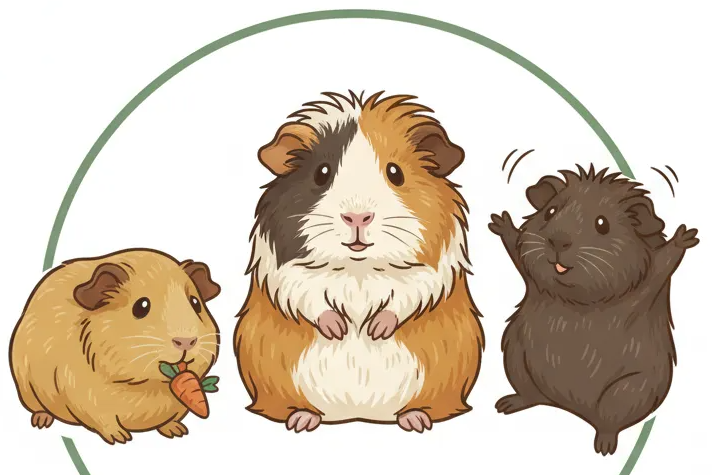
In this guide, I’ll explore temperature control, predator safety, hygiene maintenance, and space requirements. Having cared for my own guinea pigs-Pepper, Clover, and Biscuit-for years, I can share firsthand tips to keep your pet thriving.
Understanding Your Guinea Pig’s Basic Housing Needs
Your guinea pig’s home is their entire world, so getting it right matters more than you might think. A proper habitat isn’t just about four walls and a roof; it’s about creating an environment where your pet can truly thrive physically and mentally. I learned this firsthand after setting up my first cage for Pepper, only to realize it was far too small for his gentle, steady nature to express itself fully.
Space is the single most critical factor. The absolute minimum for one guinea pig is about 7.5 square feet, but I always aim for 10 square feet or more, especially for a pair. My three girls, Clover, Biscuit, and Pepper, live in a large C&C cage that gives them plenty of room to run laps, which is a classic sign of a happy, healthy pig. A cramped cage leads to stress, weight gain, and even conflicts between cage mates. For a complete space requirements guide, check our breakdown of cage sizes by group size and setup. This helps you plan a safe, comfortable home that supports happy pigs.
Essential Habitat Elements
- Ample, Unbroken Floor Space: Multi-level cages are fun, but guinea pigs are not natural climbers and need wide, flat areas for their zoomies.
- A Constant Supply of Hay: Hay should be available 24/7 in a large rack to keep their digestive systems moving and teeth worn down.
- Secure Hiding Spots: Every pig needs a private retreat. I use at least two hideys per pig to prevent squabbles and give reserved pigs like Biscuit a safe space.
- Soft, Absorbent Bedding: Avoid cedar or pine shavings. I use a combination of fleece liners and paper bedding, which is much gentler on their sensitive respiratory systems and feet.
Indoor Living Environments: Creating a Safe Home Inside
Bringing your guinea pigs into your home is one of the best decisions you can make for their well-being. Indoor living allows you to become a true part of their herd, observing their unique personalities and catching health issues the moment they arise. I can’t tell you how many times I’ve noticed a subtle change in Clover’s graceful eating habits or heard Pepper’s quiet wheek from the other room, allowing me to act quickly. It’s crucial for properly caring for guinea pigs.
The Health Benefits of Indoor Living
Keeping your guinea pigs inside your home provides a shield against many external dangers. The most significant advantage is climate control; you can protect them from temperature extremes that are often fatal for these delicate animals. Guinea pigs cannot sweat or pant effectively and are highly susceptible to heatstroke, while drafts and cold can lead to pneumonia.
- Superior Air Quality: Indoor air is filtered from pollutants, pesticides, and heavy pollen that can irritate their lungs.
- Constant Social Interaction: Living where you live means they are part of the family’s daily rhythm. This constant, gentle stimulation prevents loneliness and encourages confident, social behaviors.
- Immediate Health Monitoring: You can spot a loss of appetite, changes in droppings, or unusual lethargy immediately, which is often the difference between a simple vet visit and an emergency.
Common Indoor Health and Safety Concerns
While indoor living is safer overall, it introduces a unique set of household hazards you must manage. The biggest indoor risk is other pets; even a friendly dog or curious cat can cause immense stress or physical harm without any malicious intent. My cats are never allowed unsupervised in the same room as the guinea pig cage, as their mere presence can be terrifying for prey animals.
Household toxins are another silent threat. Always be mindful of fumes from non-stick cookware, aerosol sprays, and strong cleaning products, as these can severely damage your guinea pig’s respiratory system. Smoke exposure from cigarettes, candles, or nearby fires should be avoided entirely around guinea pigs. Even brief smoke exposure can irritate their delicate airways and trigger respiratory issues. I make it a rule to clean with pet-safe, natural solutions like vinegar and water when possible, and I always move the cage to another room during any deep cleaning. For more information, you can read about the dangers of smoke exposure.
- Electrical Cords: Guinea pigs are curious chewers. Use cord protectors or ensure all wires are completely inaccessible from their playpen or free-roam area.
- Drafty Areas and Direct Sunlight: Place the cage away from drafty windows, doors, and heating/AC vents. Also avoid direct sunlight, which can quickly overheat an enclosure.
- Small, Swallowable Objects: During floor time, scan the area for anything they might nibble on or ingest, like small toy parts, rubber bands, or plant leaves (many common houseplants are toxic).
Outdoor Hutch Living: Nature’s Classroom with Precautions

Outdoor Health Advantages and Natural Enrichment
Watching my guinea pigs, Pepper and Clover, graze on fresh grass in their secure outdoor run is pure joy. This direct access to natural forage provides essential fiber and vitamins that are difficult to replicate indoors. The varied textures and tastes of different grasses and safe weeds (like dandelion leaves) keep their minds active and their teeth healthily worn down.
Natural sunlight is another massive benefit you can’t get from a window. Direct, unfiltered sunlight allows their bodies to synthesize Vitamin D, which is critical for proper calcium absorption and strong bones. Just be sure they always have a completely shaded area to escape to when they’ve had enough.
Outdoor living also offers a symphony of sensory stimulation. The gentle breeze, chirping birds, and changing scents provide a level of environmental enrichment that keeps guinea pigs mentally sharp and engaged. My Abyssinian, Clover, often sits up perfectly still, just listening to the world, and it’s clear she’s in her element.
Outdoor Safety Challenges and Predator Protection
The great outdoors is not without its very real dangers. Predators like birds of prey, cats, raccoons, and even loose dogs pose a constant threat that you must proactively guard against. I learned this the hard way when a neighbor’s cat spent an entire afternoon staring intently at my hutch, a chilling reminder of the risks.
Your hutch must be a fortress. I insist on these non-negotiable safety features:
- Sturdy 16-gauge welded wire mesh on all sides, including the bottom, to prevent chewing or clawing through.
- A secure, lockable door that cannot be nudged open by a clever paw or beak.
- An elevated design with solid flooring to protect from dampness and burrowing predators.
- A fully enclosed, predator-proof run for supervised outdoor time, not just a simple open-top pen.
Beyond predators, weather is a relentless challenge. Guinea pigs are extremely sensitive to temperature extremes and must be brought indoors if it drops below 60°F (15°C) or rises above 80°F (27°C). In hot weather, guinea pigs can overheat quickly, so keep them in a shaded, well-ventilated area with fresh, cool water available. Their hutch must be positioned in a sheltered location, away from direct wind and intense afternoon sun, and you must check on them multiple times a day.
Environmental Factors: Temperature, Humidity and Air Quality
Whether indoors or out, the environment you create is the single biggest factor in your guinea pig’s respiratory health. Guinea pigs have very delicate respiratory systems and are highly susceptible to pneumonia and other infections from poor air quality. Household scents, cleaners, and other chemicals can linger in the air and irritate a guinea pig’s lungs. To protect them, use unscented products and ensure good ventilation. Drafts are dangerous, but stagnant, humid air is just as bad, creating a breeding ground for bacteria and mold.
I keep a simple digital thermometer and hygrometer near my pets’ enclosures to monitor conditions constantly. The ideal temperature range is a stable 65-75°F (18-24°C), with humidity levels ideally kept between 40% and 60%. In the summer, I use a quiet fan circulating air in the room (never pointed directly at them), and in a pinch, I’ll freeze water bottles for them to lean against to stay cool.
Managing Ammonia and Bedding Systems
Ammonia from urine is a silent killer in guinea pig habitats. That sharp smell you sometimes notice is a clear sign of ammonia buildup, which can quickly lead to serious respiratory infections and painful foot sores (bumblefoot). My Peruvian, Biscuit, is particularly sensitive, and I can tell immediately if his bedding needs changing by a slight change in his breathing.
The key to ammonia control is a combination of absorbent bedding and diligent cleaning. I’ve tested nearly every type, and here is my practical breakdown:
- Fleece Liners: My personal favorite for indoor cages. They are soft on feet, reusable, and economical long-term. The secret is using highly absorbent u-haul padding or towels underneath and spot-cleaning droppings twice daily.
- Paper-Based Bedding: Highly absorbent and excellent at odor control. Look for dust-free products to protect those sensitive lungs. This requires a complete change-out once or twice a week.
- Aspen Shavings: A safe wood-shaving option that is more absorbent than pine or cedar (which are toxic and must be avoided). It’s good for outdoor hutches where more absorbency is needed.
No matter the system, your routine is what makes it work. A thorough, full-cage cleaning with a pet-safe disinfectant at least once a week is non-negotiable for preventing ammonia buildup and keeping your pets healthy. For me, Sunday mornings are for deep cleaning, and my piggies always popcorn with excitement in their fresh, clean home.
Safety Considerations Across Both Environments
Wire Spacing and Escape Prevention
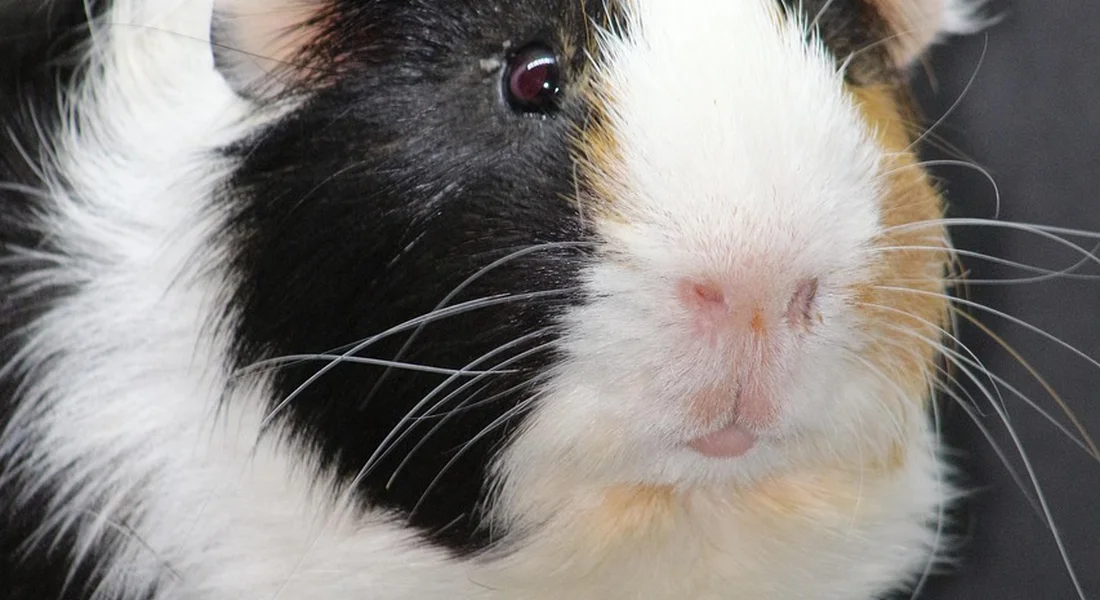
I learned about wire spacing the hard way when my first guinea pig, Pepper, tried to squeeze through a bar that was just a little too wide. Proper cage wire spacing should be no more than 1 inch to prevent a determined guinea pig from getting its head stuck or, worse, escaping entirely. Their bodies are surprisingly compressible when they’re curious or scared. For my Abyssinian, Clover, I always check that the spacing is consistent across the entire enclosure, not just the walls but the roof as well. A secure latch is non-negotiable; a simple hook can be nudged open by a clever pig like Biscuit.
Weather Protection and Seasonal Adjustments
Whether inside or out, your guinea pigs are sensitive to temperature swings. Guinea pigs thrive in a consistent temperature range of 65°F to 75°F (18°C to 24°C), and anything outside this range requires immediate action. For outdoor hutches, I use a waterproof and windproof hutch cover, but I never let it block all ventilation. In summer, I freeze water bottles, wrap them in towels, and place them in the hutch for my pigs to lean against. Indoors, I’m just as vigilant about keeping their cage away from direct sunlight, radiators, and drafty windows. Seasonal changes mean I adjust their bedding depth and monitor them more closely for signs of discomfort. During colder spells, their heating needs matter as well. Safe warming options—such as a small, insulated corner or a low-wattage heating pad—can help, but always ensure there is a cool, ventilated area the pigs can access to prevent overheating.
Setting Up Your Ideal Guinea Pig Home
Nutrition and Hydration in Different Environments
Where your guinea pigs live directly impacts their eating and drinking habits. Outdoor guinea pigs may drink more water on hot days, so I check their bottle multiple times to ensure it’s full and hasn’t frozen or become too warm. I also find that hay stays fresher longer indoors, away from humidity and dew. My pig Biscuit is a bit picky, so I always provide a heavy ceramic food bowl that can’t be tipped over, whether by a gust of wind outside or a playful nudge inside. Their daily fresh veggies are a constant, but I serve them immediately to prevent wilting in the sun or attracting insects outdoors. Ensuring a stable environment is just one part of how to prepare your home for a guinea pig’s entire lifespan.
Enrichment and Mental Stimulation Solutions
A bored guinea pig is an unhappy guinea pig, regardless of their address. I rotate their toys weekly to keep things interesting; a simple cardboard box one day can be a thrilling new castle the next. For my graceful Clover, I create little obstacle courses with PVC pipes and fleece forests. Hiding spots are essential for their sense of security. I also make a point of scattering their daily pellet ration around the enclosure to encourage natural foraging behavior. This simple act provides mental exercise and prevents food boredom, which I’ve noticed keeps all three of my pigs more active and engaged with their environment. These are boredom busters—part of 20 safe, engaging enrichment ideas for guinea pigs. They help keep your pets curious, active, and happily occupied.
FAQs
What is indoor living for guinea pigs?
Indoor living means housing your guinea pigs inside your home as part of the family. This setup provides a controlled environment away from outdoor dangers like predators and extreme weather.
What is outdoor living for guinea pigs?
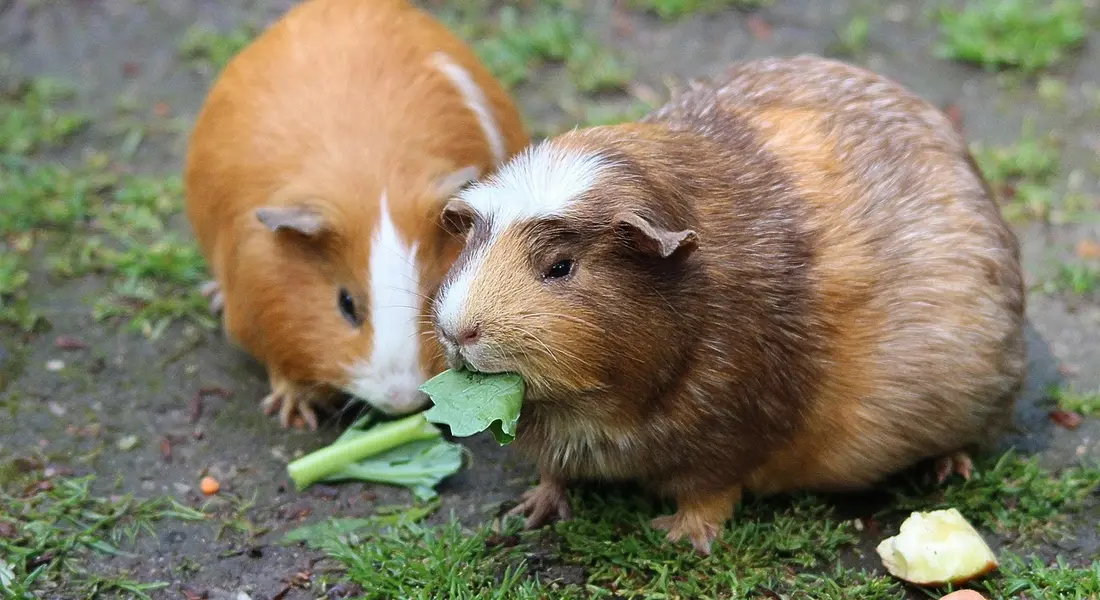
Outdoor living involves keeping guinea pigs in a secure hutch or enclosure outside, allowing access to natural elements. It offers fresh air and grazing opportunities but requires strict safety measures against threats. They often nibble on the grass, satisfying their instinct to graze. Outdoor play on grass also provides enrichment and exercise.
What is a hutch?
A hutch is a type of enclosure, often made of wood and wire, designed for housing guinea pigs primarily outdoors. It typically includes sheltered areas and must be sturdy to protect against weather and predators.
Can a hutch be used indoors?
Yes, a hutch can be used indoors if it meets space and safety requirements, such as proper ventilation and easy cleaning. However, dedicated indoor cages are often more suitable for integrating into home living spaces.
What are the basic components of a safe hutch?
A safe hutch should have secure locking mechanisms and predator-proof wire mesh to prevent escapes or attacks. It also needs weather-resistant materials and adequate space for hiding, eating, and movement.
Your Guinea Pig’s Best Home: A Quick Recap
From my time with Pepper and Clover, I’ve seen that indoor living typically offers superior safety from temperature swings and predators, making it the top choice for most owners. If you opt for an outdoor hutch, ensure it’s predator-proof and weather-resistant, with daily checks on your pet’s comfort.
Commit to ongoing learning about guinea pig care, as their needs evolve with age and environment. Choosing eco-friendly options, like paper-based bedding, not only supports the planet but also creates a healthier space for your furry friends to thrive. For a deeper dive, check out the ultimate guide to bedding options for guinea pigs, which outlines the best materials, dust levels, and maintenance tips. This knowledge helps you select bedding that supports comfort, ventilation, and long-term health.
Further Reading & Sources
- Rabbit Hutches | Omlet
- r/Rabbits on Reddit: Good outdoor hutch ?
- Indoor-Outdoor Rabbit Hutch | Bunny Hutch -Aivituvin
- Amazon.com : Aivituvin Rabbit Hutch Bunny Hutch Large Rabbit Cage, Indoor Bunny Cage Outdoor Rabbit House (Coffee Color) : Pet Supplies
Kate is a passionate guinea pig owner and advocate for small pet welfare. With over a decade of experience caring for guinea pigs, she has become a trusted voice in the small pet community.
Uncategorized