Holiday Safety Guide: Keeping Your Guinea Pig Safe During Festive Seasons
Published on: March 12, 2026 | Last Updated: March 12, 2026
Written By: Kate M. Callahan
Hello CavyFam! The holidays bring twinkling lights and festive cheer, but they also introduce new risks for your curious guinea pigs. You might be worrying about how decorations, unfamiliar foods, or holiday chaos could affect your little friends.
In this guide, I will walk you through protecting your cavies, covering decorations to avoid, toxic foods, stress management, and escape prevention. I’ve kept my own guinea pigs-Pepper, Clover, and Biscuit-safe through many holiday seasons, so you can trust these tips are tried and true.
Understanding Holiday Hazards for Your Guinea Pig
During festive times, your home fills with sparkly decorations and festive plants, but many pose hidden dangers to curious guinea pigs like my gentle Pepper. Guinea pigs explore with their mouths, so anything within reach could end up nibbled, leading to serious health issues.
I remember one Christmas when Clover, my graceful Abyssinian, nearly chewed on a stray piece of tinsel; it could have caused a deadly intestinal blockage. Items like tinsel or small ornaments can easily be swallowed, causing obstructions that require emergency vet care.
- Decorations: Tinsel, lights, and fragile ornaments can be chewed, leading to cuts or electrical hazards.
- Plants: Poinsettias, holly, and mistletoe are toxic and can cause vomiting or worse if ingested.
- Foods: Leftover human treats often contain ingredients that upset their sensitive digestive systems.
Always keep decorations out of reach and opt for pet-safe alternatives to protect your furry friends. Creating a safe zone away from holiday clutter helps prevent accidents before they happen.
Food Safety: What to Feed and What to Avoid
Holiday meals tempt us to share, but many common foods are harmful to guinea pigs, as I learned when Biscuit, my reserved Peruvian, showed interest in a garlic-seasoned dish. That moment also reminded me of the top 10 guinea pig diet mistakes that lead to serious health issues. Being mindful of these common errors can help prevent problems from arising. Foods like chocolate contain theobromine, which is toxic and can cause heart problems or seizures in small animals.
Onions and garlic might seem harmless, but they can damage red blood cells, leading to anemia. Even citrus fruits, while high in vitamin C, are too acidic and can cause mouth sores or digestive upset.
- Unsafe foods: Chocolate, onions, garlic, citrus, and anything high in sugar or salt.
- Safe holiday treats: Small pieces of carrot, bell pepper, or a bit of apple as an occasional snack.
Hay should make up most of their diet, along with fresh water and vitamin C-rich veggies to support their health. Stick to familiar, guinea pig-safe foods to avoid unnecessary risks during celebrations. Together, this forms the ideal overall diet for a healthy guinea pig. Keeping to this plan supports long-term health and steady digestion.
When introducing new treats, start with a tiny piece and watch for any changes in behavior or droppings. Gradual introductions help you spot allergies or intolerances early, keeping your pet comfortable and healthy.
Decoration Dangers: Securing Your Home
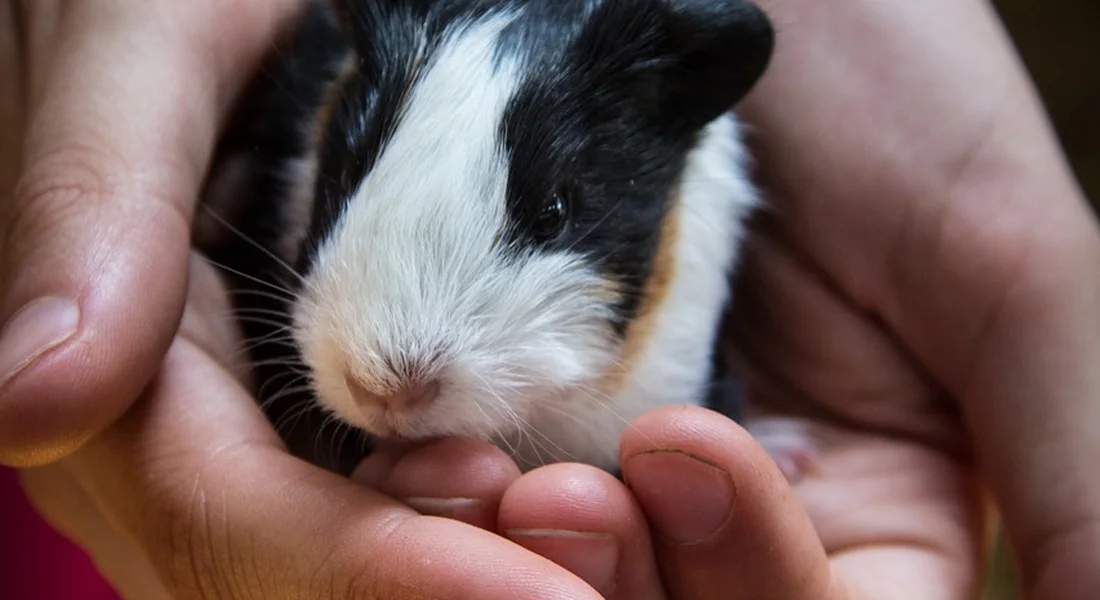
Your festive decorations can turn into hidden hazards for a curious guinea pig. I learned this the hard way when my guinea pig, Pepper, once tried to nibble on a strand of tinsel I’d dropped. Their natural chewing instinct makes many holiday items dangerous.
Specific Decorations to Watch
- Tinsel and Ribbon: These are incredibly enticing but can cause severe internal blockages if ingested.
- Christmas Tree Needles: They are sharp, can puncture mouths or intestines, and the tree water often contains harmful fertilizers or bacteria.
- Electric Cords: A chewed cord can lead to electrocution or mouth burns. Guinea pigs see them as giant, interesting chew toys.
- Small Ornaments or Lights: These can be swallowed or broken, creating sharp fragments and a choking risk.
Steps to Pet-Proof Your Space
- Completely block access to the Christmas tree and its surrounding area with a sturdy pet pen.
- Run all electrical cords through cord concealers or secure them high up and out of reach.
- Decorate the upper half of your tree only, leaving the bottom branches bare and less tempting.
- Regularly sweep or vacuum the floor to pick up any fallen pine needles, tinsel strands, or ornament hooks.
After Pepper’s close call, I now do a daily “guinea pig patrol” to scan for any dropped decoration bits before floor time begins. This simple habit gives me immense peace of mind.
Poisonous Plants to Keep Away from Your Pet
Many traditional holiday plants are toxic to small animals. Guinea pigs have sensitive digestive systems that cannot process the chemicals and saps found in these common festive plants. It’s better to be safe than sorry. To help you avoid danger, here are 10 common foraging mistakes that could poison your guinea pig.
Common Hazardous Holiday Plants
- Poinsettias: Their milky sap is an irritant, causing mouth and stomach upset.
- Holly Berries and Leaves: These can cause severe vomiting, diarrhea, and dehydration.
- Mistletoe: All parts of this plant are poisonous and can lead to cardiovascular problems.
- Pine and Fir Trees: The oils in the needles can irritate their mouth and stomach, leading to drooling or refusal to eat.
- Amaryllis and Lilies: These are highly toxic and can cause rapid kidney failure.
Symptoms of Plant Poisoning
Watch for lethargy, loss of appetite, excessive drooling, diarrhea, or difficulty breathing. If you suspect your guinea pig has nibbled on a toxic plant, contact your veterinarian immediately for advice. Time is critical in these situations. These steps fit into a complete home troubleshooting checklist for a sick guinea pig. Document what you observe—symptoms, appetite, hydration—and share it with your vet.
Pet-Safe Festive Alternatives
You don’t have to sacrifice a festive atmosphere. I love using spider plants, Boston ferns, or a beautiful bowl of wheatgrass as safe, green centerpieces. You can also create decorations from guinea pig-safe items like untreated pine cones, paper chains, or carrot slices strung into a garland. They look cheerful and pose no risk to your curious pets.
Reducing Stress in a Busy Festive Season
Your guinea pig’s world revolves around predictability, and holiday chaos can feel overwhelming. I’ve found that keeping their routine consistent is the single most effective way to prevent holiday stress. Feed them at the same times, even if your schedule is packed. On a busy day, a few quick tips and tricks can keep their routine steady. These small adjustments make managing guinea pig care easier when schedules are full.
Create a quiet sanctuary for them away from the main festivities. During our family gatherings, I always move Pepper, Clover, and Biscuit’s enclosure to a spare bedroom where the noise and foot traffic are minimal. This simple step makes a huge difference.
Always provide plenty of hideouts. Guinea pigs feel secure when they have places to retreat, so ensure they have multiple cozy huts, tunnels, or even cardboard boxes to duck into. In a beginner’s guide to the best cage setup for guinea pigs, these hiding spots are essential. This simple setup helps new owners create a calm, secure home. I watch my trio closely; if they’re hiding more than usual, I know the environment is too stimulating.
Monitor for subtle signs of anxiety. Look for behaviors like teeth chattering, excessive hiding, refusing favorite treats, or a general lack of activity. Clover, my Abyssinian, gets very still and wide-eyed when she’s nervous, which is my cue to check her environment.
Don’t forget the power of nutrition in managing stress. A steady supply of vitamin C is crucial, as stress can rapidly deplete their levels, making them susceptible to illness. I give my pigs a daily serving of fresh bell pepper alongside their high-quality pellets to keep their immune systems strong.
Traveling Safely with Your Guinea Pig

A little preparation makes all the difference for a safe journey. My first step is always a quick wellness check with our vet, especially before a long trip, to ensure everyone is fit for travel.
Here is my step-by-step pre-trip routine:
- Schedule a veterinary appointment to confirm health and discuss travel concerns.
- Acclimate your guinea pig to their travel carrier days in advance by placing treats and familiar bedding inside.
- Line the carrier with a thick, absorbent layer of fleece or towels.
- Secure the carrier in the car where it won’t slide; I never place it in the footwell or on a seat without a seatbelt.
- Plan for frequent breaks on long journeys to offer water and check on them.
Packing the right essentials turns a stressful trip into a manageable adventure. Your travel kit should be a portable version of their home comforts.
- Ample hay: This is their main food source and a familiar comfort.
- Water: Use a small, tip-proof bowl or a travel-friendly water bottle.
- Their regular pellets and favorite veggies for hydration and familiarity.
- A piece of fleece or a small hideout that smells like home.
- Pet-safe cleaning wipes and extra bedding for quick clean-ups.
From personal experience, a smooth journey hinges on comfort and calm. I always cover one side of the carrier with a light cloth to create a darker, den-like environment, which helps my pigs feel more secure. I also avoid playing loud music and keep the car’s temperature stable. Talking to them in a soft, reassuring voice during the trip helps keep my crew, especially the more reserved Biscuit, feeling safe and connected.
Emergency Vet Preparedness for Holiday Incidents
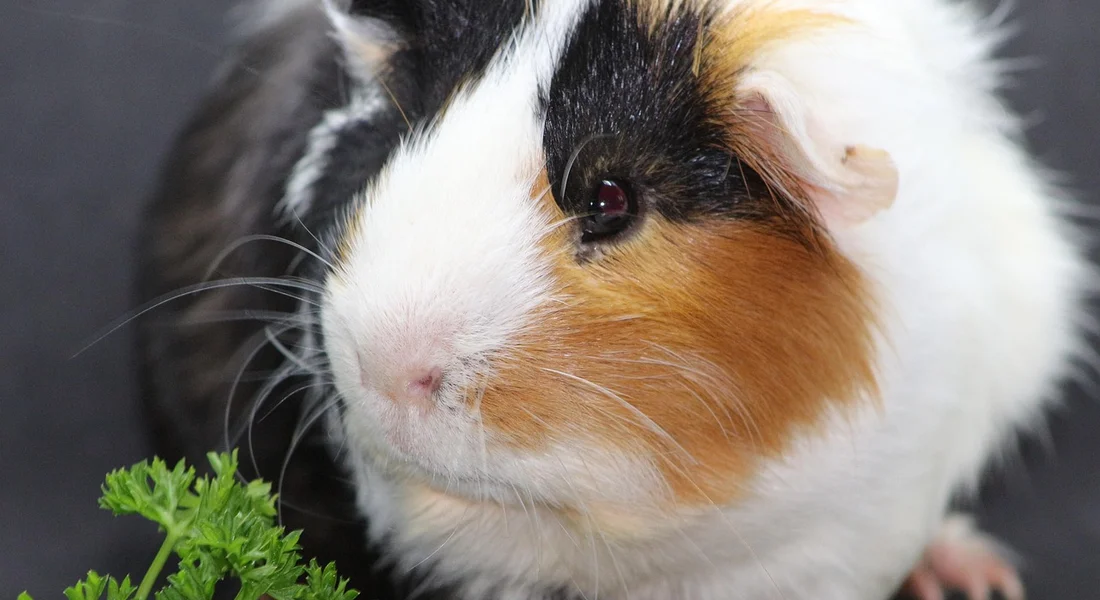
During the holidays, our homes fill with new sights and smells, but many of these can pose serious risks to our guinea pigs. Recognizing the early signs of an emergency can make the difference between a scary moment and a tragic outcome. I’ve had my own heart-pounding moments with Pepper getting into something she shouldn’t have, and that firsthand experience taught me to always be prepared.
Spotting Common Holiday Emergencies
Guinea pigs are masters at hiding illness, so you must be a keen observer. Watch for these specific signs, especially after a holiday gathering. If you notice extreme lethargy, not eating, or a noticeable drop in body temperature, these are critical signs. Seek urgent veterinary care immediately if you suspect your guinea pig could be dying or in a hibernation-like state.
- Poisoning from Foods or Plants: Look for sudden lethargy, refusal to eat their regular pellets, diarrhea, or bloating. My Clover once nibbled a holly leaf and became unusually still, which was my first clue.
- Choking or Respiratory Distress: Listen for wheezing, clicking sounds from the nose, or open-mouth breathing. Watch for frantic pawing at the mouth.
- Signs of Shock or Pain: A hunched posture, glazed-over eyes, and a reluctance to move are major red flags. Biscuit once reacted this way after a loud noise frightened him severely.
Immediate Steps to Take in a Crisis
If you suspect your guinea pig is in trouble, acting quickly and calmly is your top priority. Panic helps no one, especially your pet. In an emergency, knowing what to do for your guinea pig can make all the difference.
- Contact Your Emergency Vet Immediately. Do not wait to see if they “get better.” Call ahead if you can, so the clinic is ready for your arrival.
- Keep Your Guinea Pig Warm and Quiet. Wrap them gently in a soft, dry towel and place them in a secure, small carrier. Stress can worsen their condition.
- Do Not Force Food or Water. If they are choking or have ingested a toxin, this can cause more harm. Let the vet guide you.
- Bring a Sample. If you suspect poisoning, bring a sample of the plant or food they ingested, or even a sample of their droppings in a plastic bag.
Your Holiday Emergency Checklist
I keep a small box with these items in an easily accessible cupboard. Having this kit ready means you can grab and go, saving precious minutes during an emergency.
- Emergency Contacts: Your regular vet’s number, the closest 24/7 exotic animal emergency clinic number, and the ASPCA Animal Poison Control Center hotline (888-426-4435).
- Essential Supplies: A secure pet carrier, a soft towel or small blanket, a stash of their usual critical care food or pellets, and a small water bottle.
- Important Documents: A copy of your guinea pig’s health records, including any known conditions or medications.
- Pro Tip: Take a photo of any suspicious plant or food item with your phone. This can be a lifesaver for quick identification by the vet.
FAQs
How should I manage guests who want to handle my guinea pig?
Politely ask guests to admire your pets without handling them to minimize stress. You can also create a designated quiet room for your guinea pigs to retreat to during parties. Guinea pigs are sensitive to loud noises and may startle or become stressed by sudden sounds. Keeping noise levels down and monitoring their reactions will help them stay calm during gatherings.
Are holiday wrapping paper or ribbons safe for my guinea pig to play with?
No, these items are unsafe as they can be ingested and cause intestinal blockages. Instead, provide pet-safe toys like untreated wicker balls or cardboard tubes for enrichment.
Can the noise from fireworks or parties harm my guinea pig?
Yes, loud noises can cause significant stress and frighten your pet. To dampen the sound, try playing soft, calming music in their room and ensure they have plenty of hiding spots.
What are some safe holiday-themed enrichment ideas?
You can make a dig box filled with hay and hide pieces of safe vegetables like bell peppers inside. Another idea is to create a small, edible garland by stringing together pieces of cucumber and lettuce.
How can I safely introduce my guinea pig to a new holiday environment?
Always use a secure, enclosed playpen to give them a controlled space to explore. Bring familiar items like their favorite hidey or a piece of fleece to help them feel more secure in the new area.
Your Guinea Pig’s Holiday Safety Wrap-Up
Focus on keeping decorations and foods out of reach to prevent mishaps. From caring for Pepper and Biscuit, I’ve seen how a calm, monitored space makes all the difference during busy festivities.
Stay curious about guinea pig care by exploring reliable resources and eco-friendly options. Choosing sustainable products, like biodegradable bedding, supports both your pet’s well-being and our planet’s health. This topic ties into our ultimate guide on safe bedding options for guinea pigs. It covers how to choose dust-free, absorbent materials.
Further Reading & Sources
- 10 things your Guinea Pig will need when you’re on holiday | Whetstone
- r/guineapigs on Reddit: What do you guys do with your piggies on vacation?
- Going away on holiday? What to do with your guinea pigs! – YouTube
- How long can you leave a guinea pig alone for? Holiday tips and expert advice | Blog | Burgess Pet Care
Kate is a passionate guinea pig owner and advocate for small pet welfare. With over a decade of experience caring for guinea pigs, she has become a trusted voice in the small pet community.
Uncategorized