Hay Rack vs. Loose Hay Pile: Which Supports Natural Foraging Best?
Published on: March 12, 2026 | Last Updated: March 12, 2026
Written By: Kate M. Callahan
Hello CavyFam! Are you torn between using a hay rack or a loose hay pile for your guinea pig’s daily munching? You might worry about which choice cuts down on mess and truly lets your pet act on their wild instincts.
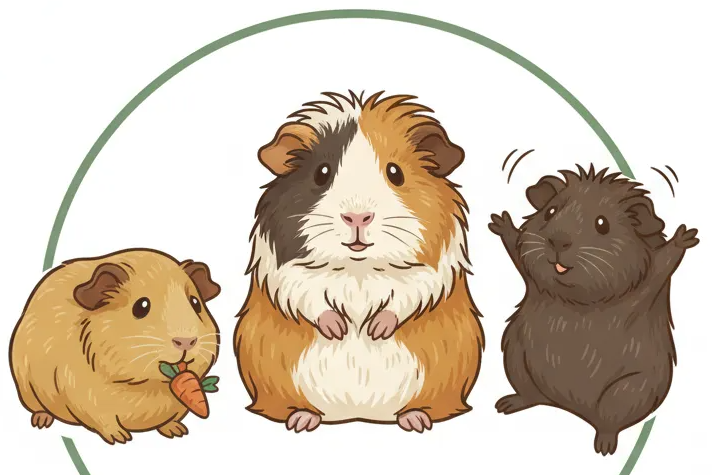
We will explore the pros and cons of each setup, how they impact natural foraging habits, safety and comfort tips, and my own tested recommendations. Having raised guinea pigs like gentle Pepper, graceful Clover, and reserved Biscuit for years, I have seen how different hay methods shape their daily joy and health.
Understanding Natural Foraging in Guinea Pigs
Guinea pigs are natural grazers, spending hours nibbling and searching for food across open grasslands. This constant foraging isn’t just a preference; it’s hardwired into their digestive system to keep their gut moving and prevent serious health issues. Their teeth grow continuously, so the grinding action from chewing hay all day is vital for dental health.
I’ve watched my own guinea pigs, Pepper and Clover, exhibit this behavior countless times. Pepper, my steady American, will meticulously patrol his enclosure, sniffing and sampling different hay strands. Clover, the graceful Abyssinian, performs a delicate dance of selection, picking out her favorite pieces before settling in for a long chew. This isn’t random activity; it’s an expression of their deepest instincts.
Offering hay in a way that encourages this behavior provides immense benefits.
- Supports essential fiber intake for a healthy digestive tract.
- Mimics their wild foraging habits, providing mental enrichment.
- Significantly reduces boredom and associated stress behaviors.
- Promotes healthy, natural wear on their ever-growing teeth.
Benefits and Drawbacks of Hay Racks
Hay racks are a popular choice for many owners, and they do offer some clear advantages. The biggest benefit I’ve seen is a dramatic reduction in hay waste, as it’s kept contained and not trampled into bedding. This also helps keep the hay cleaner and drier, which is crucial for preventing mold. In the ultimate guide to safe bedding options for guinea pigs, this illustrates why a hay rack can aid hygiene and reduce waste. Pairing hay racks with safe, low-dust bedding helps keep the enclosure clean and healthy.
Some designs can encourage slower feeding, which more closely mimics the pace of natural grazing. From a practical standpoint, a hay rack keeps the main living area tidier and makes spot-cleaning the cage a much faster task.
However, this convenience can come at a cost to natural behavior and even safety.
- Pros:
- Reduces hay waste and saves money.
- Keeps hay clean and free from soiling.
- Can help slow down a very eager eater.
- Creates a less messy habitat.
- Cons:
- Potential for injury if a guinea pig gets a leg or head stuck in the bars.
- Severely limits the natural foraging behavior of rooting and searching.
- Can frustrate a guinea pig if the rack is difficult to access.
- May not accommodate all types of hay, like long-stemmed orchard grass.
When considering feeding efficiency, a rack can sometimes shorten chew time if the pig gives up on pulling out stubborn pieces. This can inadvertently reduce both the fiber intake and the crucial dental benefits that come from prolonged, vigorous chewing. I noticed my reserved Peruvian, Biscuit, would often avoid the rack entirely, waiting for hay to fall to the floor, which told me he found the process too challenging.
Advantages and Challenges of Loose Hay Piles
Loose hay piles let your guinea pigs act on their wild instincts, turning mealtime into a fun exploration. Scattering hay mimics how they’d forage in nature, keeping their minds sharp and bodies active. For a deeper dive into enrichment, the ultimate guide to guinea pig foraging toys and activities offers more ideas. It helps you expand beyond hay to keep your furry foragers engaged and thriving.
- Encourages enrichment by letting them dig, burrow, and search for tasty strands.
- Allows for natural dome-building, where they create cozy nests for resting.
- Supports roughage consumption, as constant nibbling aids digestion and wears down teeth.
But that setup isn’t perfect – hay can go bad fast if not handled right. Moisture and dirt quickly ruin loose hay, leading to waste and potential health issues. Are hay cubes a safe alternative to loose long strand hay? They can be less dusty and mold-resistant when properly stored, but they still require correct handling to keep them safe for animals.
- Higher spoilage risk from urine or damp bedding contaminating the pile.
- Weather exposure if outdoors, making hay moldy or unpalatable.
- Possible competition for hay, especially in multi-pig homes where shy ones might miss out.
With my trio-Pepper, Clover, and Biscuit-I’ve fine-tuned ways to keep things tidy and healthy. Place hay in dry, elevated spots and refresh it daily to prevent mold and encourage even eating.
- Use a shallow tray or mat under the pile to contain mess and simplify cleanup.
- Offer hay in multiple small piles to reduce fighting and ensure all pigs get access.
- Store extra hay in a cool, dry place to maintain freshness and minimize waste.
Behavioral Impact on Foraging and Health
How you serve hay shapes everything from your guinea pig’s mood to their gut health. Loose piles promote longer foraging sessions, while racks can streamline eating but limit natural behaviors. Understanding normal guinea pig eating habits can help you choose the best method.
Foraging behavior varies widely: loose hay invites digging and exploring, much like in the wild. Intake consistency is often better with racks, as hay stays cleaner and more accessible over time.
Digestive health thrives on constant roughage, and both methods support this if hay is fresh. In my experience, Biscuit’s reserved nature means he eats more from loose piles where he feels less observed.
| Aspect | Hay Rack | Loose Hay Pile |
|---|---|---|
| Enrichment Levels | Moderate; encourages pulling but less exploration | High; allows full digging and nesting activities |
| Safety | Reduced contamination risk from bedding | Higher spoilage and ingestion of soiled hay |
| Animal Welfare | Good for minimizing waste and competition | Excellent for mental stimulation and natural instincts |
Watching Biscuit, I see how loose hay lets him eat at his own pace without stress. His intelligent, thoughtful approach means he prefers environments where he can hide and nibble undisturbed.
Practical Setup Tips for Both Systems

-
Step 1: Choose high-quality hay to support fiber intake and grazing behavior.
I always opt for fresh, green Timothy hay for my guinea pigs, as it keeps their digestive systems running smoothly and encourages natural grazing. From feeding Pepper, I’ve noticed how she eagerly nibbles on high-fiber hay, which mimics what they’d eat in the wild and prevents health issues like bloating.
-
Step 2: Position hay racks or piles to reduce spoilage and encourage natural exploration.
Place hay in areas where your guinea pigs frequently roam, like near hideouts or in corners, to spark their curiosity and minimize waste. With Clover, I set up her hay pile in a dry spot away from her water bowl, and she loves foraging through it like a little explorer, which cuts down on soggy, unused hay.
-
Step 3: Monitor for signs of happiness, such as chewing hay or hiding in piles.
Watch for cheerful behaviors like steady munching or burrowing into hay, which show your pets feel secure and engaged. Biscuit often hides in her loose hay pile, and that quiet rustling sound tells me she’s content and reducing stress through natural instincts.
-
Step 4: Rotate methods to maintain interest and address safety concerns.
Switching between a hay rack and loose pile every few weeks keeps your guinea pigs mentally stimulated and lets you spot any hazards early. I alternate for Pepper and her pals, and it prevents boredom while ensuring I can quickly fix issues like rack wear or hay mold. It’s a staple on the weekly guinea pig care routine ultimate checklist for owners. Following it keeps Pepper’s enclosure safe and engaging week after week.
Safety and Animal Welfare Considerations
-
Emphasize safety: avoid sharp edges in racks and ensure loose hay doesn’t harbor pests.
Inspect hay racks regularly for any rough spots that could scratch your guinea pig, and store loose hay in dry, clean areas to deter insects. After Biscuit had a minor scrape from a poorly made rack, I now run my hands over all edges before use, and I keep hay in sealed bins to protect their delicate feet and health. It’s just one part of a complete guinea pig hygiene and cleaning routine.
-
Discuss how each option supports animal welfare through enrichment and reduced stress.
Both hay racks and loose piles offer mental stimulation by letting guinea pigs express natural behaviors like foraging and nesting, which lowers anxiety. Clover’s graceful movements through her hay pile show how it enriches her day, and I’ve seen less bar-chewing or hiding when they have varied feeding setups that mimic their habitat. To tell if your guinea pig is stressed or anxious, watch for signs like changes in appetite, hiding more than usual, or unusual vocalizations. Consistent pacing or bar-chewing can signal ongoing stress even with enrichment.
-
Include tips on monitoring for health issues related to feeding systems.
Check for changes in eating habits or weight, as poor hay access can lead to dental problems or malnutrition over time. I weigh Pepper weekly and watch if she avoids hay; catching issues early means I can adjust the setup to keep her thriving and happy.
FAQs
How can I safely transition my guinea pig between hay feeding methods?
Introduce the new method gradually by placing it near the familiar one for a few days to reduce stress. Observe your pet’s eating habits and adjust if they show hesitation or discomfort to ensure a smooth change.
What health indicators should I monitor based on the hay feeding system used?
Watch for consistent hay consumption and stable weight, as any drop could signal issues with access or hay quality. Also, check for signs of injury or respiratory problems, which might arise from rack hazards or mold in loose piles.
Which hay method is better for encouraging social interaction in multi-pig households?
Loose hay piles often promote shared foraging and reduce competition by allowing multiple pigs to eat simultaneously. However, hay racks can help manage dominant behaviors by providing structured access, so observe your group’s dynamics to choose the best fit.
Your Guinea Pig’s Foraging Happiness
Ultimately, offering a combination of a hay rack and a loose hay pile best supports your pet’s natural instincts. This mixed approach gives them the choice to engage in different foraging styles throughout the day. It keeps their environment dynamic and mentally engaging. If you’re looking for boredom busters, this approach pairs well with a broader list of 20 safe, engaging enrichment ideas for guinea pigs. Together, these options keep your guinea pig curious and active throughout the day.
Always observe your guinea pigs to see which method they prefer and adjust their habitat accordingly. Choosing sustainably sourced hay is a simple way to care for your pets and our planet simultaneously. Your dedication to learning makes you a wonderful pet owner.
Further Reading & Sources
- r/guineapigs on Reddit: Hay rack + foraging
- Hay rack – Wikipedia
- Foraging Hayrack | C&C Guinea Pig Cages | Guinea Pig Habitat – Guinea Pig Cage Company
- Hay Racks: A helpful feeding tool or a recipe for disaster?
Kate is a passionate guinea pig owner and advocate for small pet welfare. With over a decade of experience caring for guinea pigs, she has become a trusted voice in the small pet community.
Uncategorized