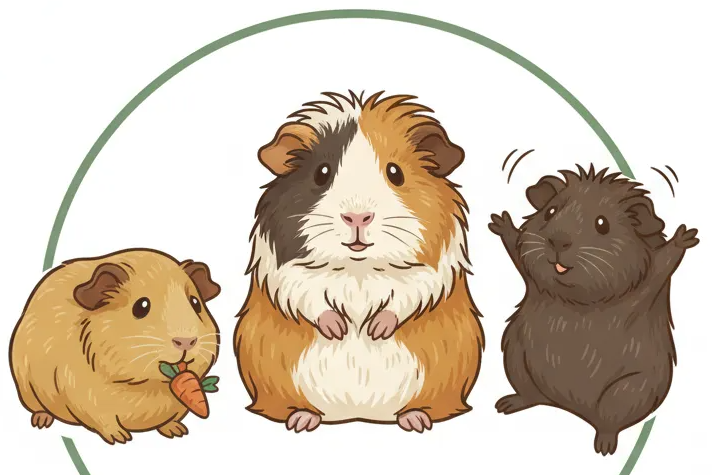
Are Coconut Shells Safe for Guinea Pigs?
Hello CavyFam! You’ve probably spotted coconut shells in pet stores and wondered if they’re a fun treat or a hidden hazard for your furry friends. It’s smart to question new items before they enter your guinea pig’s habitat.
In this guide, we’ll explore safety checks, nutritional benefits, proper preparation steps, and fun alternatives. Having shared my home with guinea pigs like gentle Pepper and thoughtful Clover for years, I’ve learned firsthand what keeps them healthy and happy.
Understanding Coconut Shells and Pet Safety
As a guinea pig owner for years, I’ve learned that not all “natural” materials are automatically safe. Coconut shells, while organic, have a very tough and fibrous composition that isn’t suitable for small pets like ours. Their digestive systems are delicate and designed for soft hays and certain vegetables, not hard, woody fibers.
I once tried giving a small, cleaned piece to my guinea pig, Biscuit, and watched her struggle to even nibble it. The shell’s hardness can easily cause dental damage, like cracked or broken teeth, which is extremely painful for them. Unlike the soft woods used in commercial chews, coconut shell doesn’t yield under their teeth.
Key Reasons Coconut Shells Are Unsafe
- Extreme Hardness: Their teeth aren’t strong enough to safely gnaw on it.
- Splintering Risk: Pieces can break off into sharp fragments.
- Digestive Blockage: The fibers are not digestible and can cause serious impaction.
- Lack of Nutritional Value: They offer no benefit and distract from healthy eating.
Why Coconut Shells Pose a Health Risk
The primary danger lies in what happens if your guinea pig actually manages to ingest a piece. Those indigestible fibers can clump together inside their gut, creating a life-threatening blockage. I am always extra cautious with my trio-Pepper, Clover, and Biscuit-because a blockage often requires urgent and expensive veterinary surgery. Some vegetables and fruits can be toxic to guinea pigs, so I only offer vet-approved greens and very small fruit treats. Even safe options are given in moderation to protect their delicate digestion.
Beyond internal issues, the physical structure is a problem. Sharp, splintered edges can cut their delicate mouths, cheeks, and even their throat on the way down. It’s a risk I am simply not willing to take, having seen how sensitive their mouths are during routine health checks.
Specific Health Hazards to Watch For
- Intestinal Impaction: The fibers swell and create a solid mass that cannot pass.
- Mouth and Throat Injuries: Splinters can cause painful cuts and infections.
- Choking Hazard: A piece can become lodged in their throat.
- Dental Fractures: The extreme hardness can easily crack their ever-growing teeth.
Sticking to vet-recommended chew toys made from safe, softer woods or hay-based treats is the best way to protect your pet’s health. Your guinea pig’s safety and comfort should always come first, and avoiding coconut shells is a simple step to ensure that. See our guinea pigs chew safely complete guide for more detail on safe materials. It also covers supervision tips and signs of unsafe chewing.
Safe Chew Toys for Dental Health and Enrichment
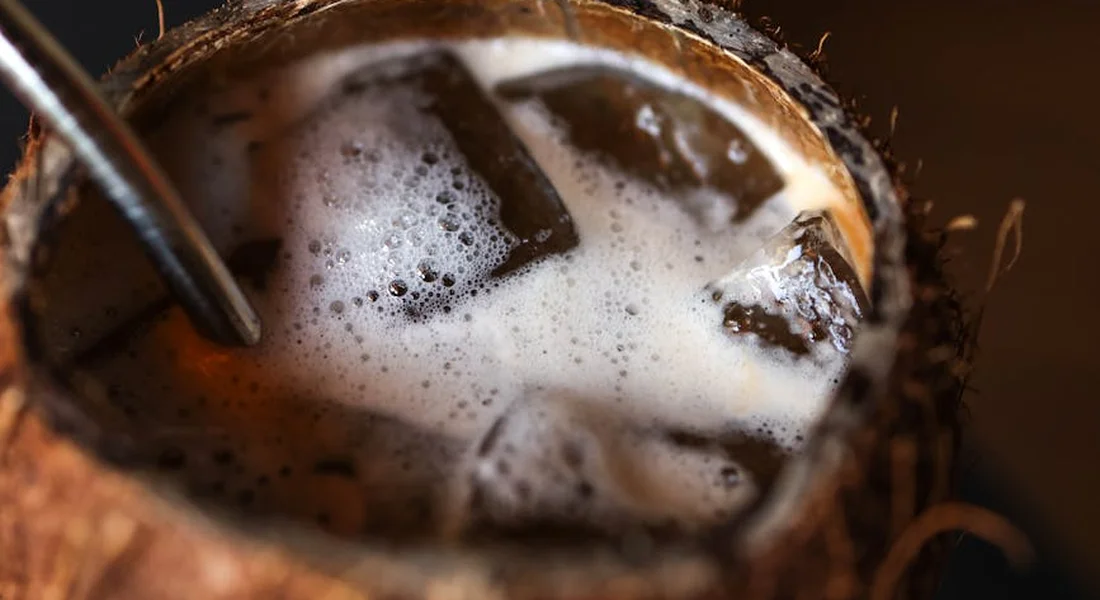
Your guinea pig’s teeth never stop growing, and chew toys are non-negotiable for keeping them filed down. I learned this the hard way when my guinea pig, Biscuit, started favoring one side of his mouth because his teeth were getting too long. A proper chew toy provides essential dental care while also keeping their intelligent minds occupied.
You want toys made from safe, untreated woods and fibrous materials. Here are the types I’ve found work best for my trio:
- Applewood Sticks: These are a favorite in my cage. They are hard enough to grind teeth down but won’t splinter dangerously.
- Willow Balls and Tunnels: Clover loves pushing her willow ball around; it’s enrichment and a chew in one.
- Hay-based Toys: Toys woven from timothy or meadow hay encourage natural foraging behavior and are completely edible.
- Cardboard Tubes and Boxes: Simple, free, and a huge hit. Pepper enjoys rearranging his cardboard hideouts daily.
Always source these toys from reputable pet suppliers to ensure they haven’t been treated with any chemicals or pesticides. Rotating a few different toy types each week keeps their environment fresh and exciting, preventing boredom.
How to Assess Any New Toy for Your Guinea Pig
Before any new item enters your guinea pig’s home, it needs to pass a quick safety inspection. I follow a simple three-step check every single time, which has saved my pets from potential harm on more than one occasion. This habit is your first line of defense.
- Examine for Sharp Edges and Splinters: Run your fingers over every surface. If it feels rough or sharp to you, it’s definitely not safe for their delicate mouths and feet.
- Identify the Material: Know exactly what the toy is made from. Is it a known safe wood like apple or willow? Is it dyed with food-safe color? When in doubt, leave it out.
- Observe the Initial Interaction: The first time you give them the toy, watch closely. Are they trying to eat it or just investigate? If they are ingesting large pieces of a non-edible material, remove it immediately.
This process only takes a minute but gives you immense peace of mind. Trust your instincts-if something about a toy feels off, it’s better to be safe and find a different option. Your guinea pig’s safety is always worth that extra moment of care.
Recognizing Signs of Distress or Allergy Risk
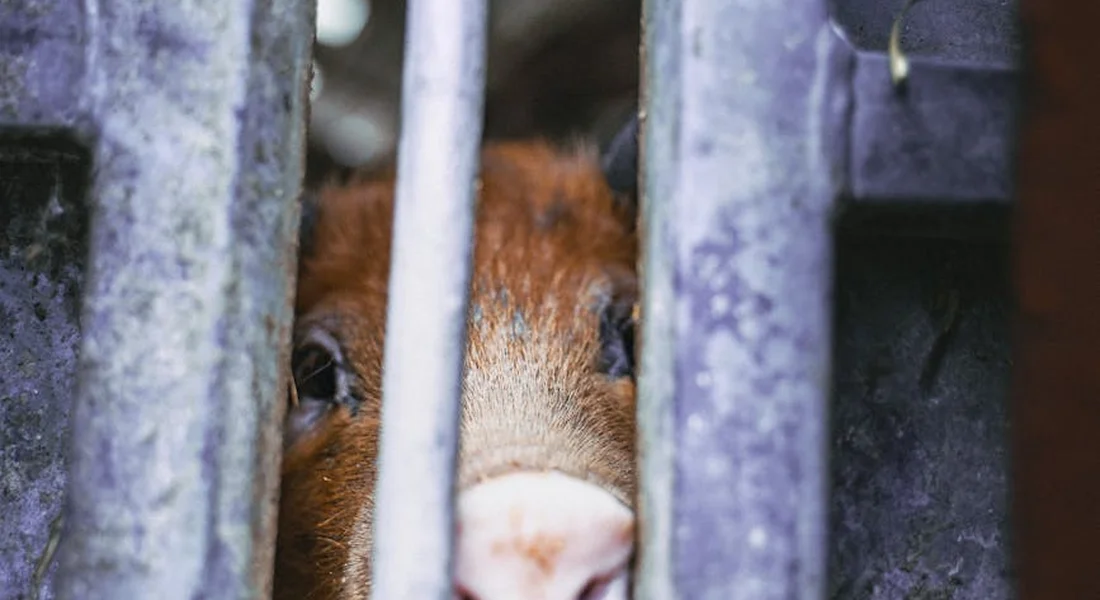
When I first introduced coconut shells to Pepper’s cage, I watched him closely for any unusual behavior. Guinea pigs can’t tell us when something’s wrong, so it’s up to you to spot subtle changes in their health or mood. If your pet shows signs like sneezing, excessive scratching, or lethargy, it might mean an allergy or discomfort from new items in their environment.
From my time with Clover, I learned that guinea pigs often hide illness, so regular checks are vital. Look for red or watery eyes, changes in eating habits, or unusual vocalizations like constant wheeking when they’re not hungry. These could signal that coconut shells or other materials are causing irritation.
- Sneezing or coughing more than usual
- Skin redness, bald patches, or frequent scratching
- Reduced appetite or weight loss
- Hiding more often or avoiding play areas
- Unusual droppings, like diarrhea or fewer pellets
Biscuit taught me that reserved guinea pigs might not show distress openly, so I make it a habit to handle them gently daily. Learning to tell if your guinea pig is stressed or anxious helps you respond early. Signs to watch for include hiding, trembling, reduced appetite, or excessive grooming. If you notice any of these symptoms, remove the coconut shells immediately and consult a vet to rule out serious issues. Early detection can prevent minor irritations from turning into bigger health problems.
Creating Simple and Safe DIY Playtime Enrichment
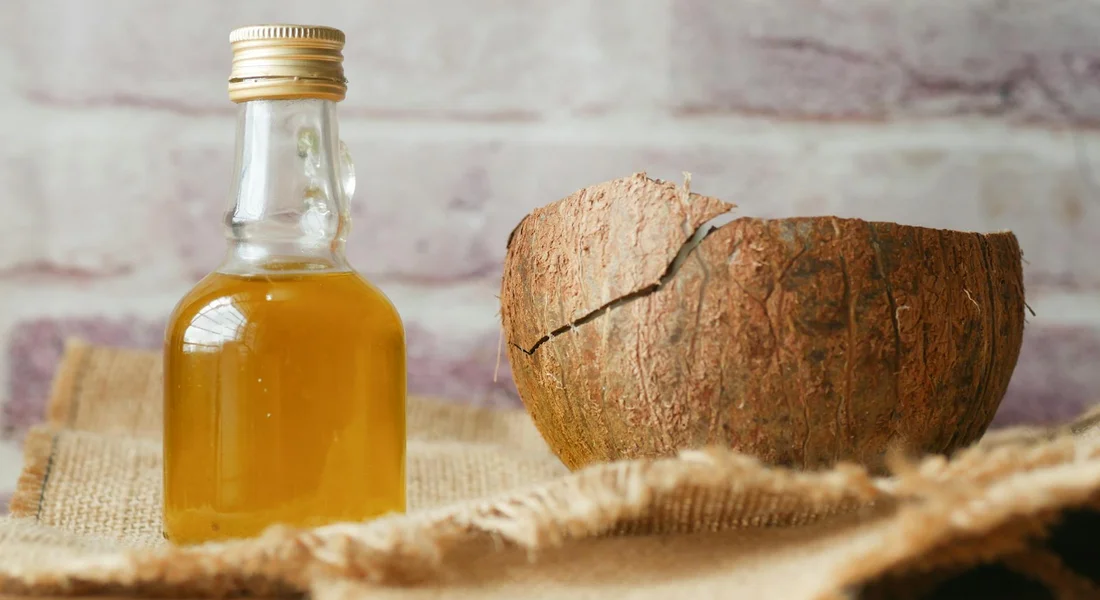
DIY toys are a fun way to bond with your guinea pigs and keep them active. Using coconut shells for enrichment can turn ordinary playtime into an exciting adventure, as long as you prioritize safety and simplicity. I’ve made hideouts and guinea pig foraging toys for Pepper, Clover, and Biscuit that they absolutely love, and it’s easy to do at home. This practical approach is part of the ultimate guide to guinea pig foraging toys and activities, with more ideas to explore.
Start by cleaning coconut shells thoroughly to remove any residues. Scrub them with hot water and a pet-safe brush, then let them dry completely to prevent mold growth. This step ensures your guinea pigs aren’t exposed to harmful bacteria or chemicals.
- Gather materials: a clean coconut shell, untreated hay, and a few veggie treats like carrot slices.
- Cut the shell into halves or smaller pieces, avoiding sharp edges that could cause injuries.
- Fill the shell with hay and hide treats inside to encourage natural foraging behavior.
- Place it in their cage and watch them explore-it’s like a mini treasure hunt!
Clover, with her graceful nature, enjoys pushing these shells around, while Biscuit’s intelligence means he figures out the treats quickly. Rotate toys weekly to keep things fresh and prevent boredom, which can lead to stress or over-grooming. Always supervise play sessions to ensure your pets are safe and having fun.
For an eco-friendly twist, I reuse old coconut shells from my kitchen scraps. This not only reduces waste but also provides a cost-effective way to enrich your guinea pigs’ lives without buying expensive store-bought items. Remember, the goal is to stimulate their minds and bodies in a way that feels natural and comforting to them.
When to Seek Professional Veterinary Guidance
While many natural materials are wonderful, your guinea pig’s health is the absolute top priority. I’ve learned from my own herd—Pepper, Clover, and Biscuit— that what seems harmless can sometimes hide risks. Always trust your gut and your vet over any online advice. That’s why I’m addressing the 10 biggest myths about guinea pig diets that could harm your pet. By debunking them, you can feed safely and keep your herd healthy.
Signs That Require Immediate Veterinary Attention
Watch your pet closely after introducing any new item, including coconut shells. Certain symptoms are red flags that demand a professional evaluation without delay. Don’t wait to see if they improve on their own.
- Choking, gagging, or excessive drooling
- Complete loss of appetite or refusal to drink water
- Lethargy or unusual stillness
- Signs of pain, like teeth grinding or hunched posture
- Difficulty breathing or wheezing sounds
- Swelling around the mouth or face
Concerning Digestive or Physical Symptoms
Guinea pigs have sensitive digestive systems that can be easily upset. Even small pieces of shell can cause internal scratches or blockages that are not immediately obvious. My gentle Pepper once had a minor scare with a different fibrous toy, teaching me to be extra vigilant. That’s why I seek plastic-safe guinea pig chew toys and edible, guinea-pig-safe snacks.
- Changes in droppings: smaller, misshapen, or no droppings
- Diarrhea or very soft stools
- Bloating or a hard stomach
- Pawing at the mouth or face repeatedly
- Any bleeding from the mouth or in the urine
Behavioral Changes That Signal a Problem
Your guinea pig’s personality is a great health indicator. A sudden shift in behavior is often the first clue that something is wrong. Understanding how to interpret common guinea pig behaviors and their body language can help you spot problems early. Learning to read their postures, movements, and vocal cues makes it easier to respond quickly. My thoughtful Clover, for instance, becomes unusually quiet when she doesn’t feel well.
- Sudden aggression or irritability when usually calm
- Hiding more than usual and refusing to come out
- Lack of interest in favorite treats or activities
- Excessive scratching or signs of skin irritation
- Reluctance to move or apparent lameness
When in doubt, pick up the phone and call your veterinarian. It is always better to be safe and get a professional opinion than to risk your pet’s well-being. Your vet can provide guidance specific to your guinea pig’s age, health, and unique personality. If your guinea pig is new to your family, schedule their first veterinary check-up soon after arrival to establish a health baseline and catch any early issues. The vet can review nutrition, housing, and preventive care to set you on the right track.
FAQs
Is coconut water safe for guinea pigs to drink?
Coconut water is high in natural sugars and not suitable for guinea pigs. Stick to fresh, clean water to meet their hydration needs safely.
Can guinea pigs eat coconut meat or flesh?
Coconut meat is too fatty and can cause digestive upset or obesity in guinea pigs. Foods guinea pigs have should be high in fiber and low in fat to support digestion. Offer fibrous vegetables like bell peppers or leafy greens instead for a healthy treat.
What should I do if my guinea pig accidentally chews on a coconut shell?
Immediately remove any shell pieces and monitor for signs of choking or discomfort. Contact your veterinarian promptly if you notice changes in behavior or eating habits.
Final Thoughts on Coconut Shells and Guinea Pig Safety
Offer coconut shells as an occasional treat, not a dietary staple, and always ensure they are clean, chemical-free, and served in small, manageable pieces. Monitor your guinea pig closely for any changes in digestion or behavior when introducing this new item.
Being a proactive pet owner means always researching new treats and enrichment ideas to ensure your pets’ health and happiness. Continue learning about eco-friendly pet care options that are safe for your guinea pigs and kind to our planet.
Further Reading & Sources
- coconut shell – Guinea Pig Cages
- Can Guinea Pigs Eat Coconut? Vet-Approved Nutrition Advice | PangoVet
- Can Guinea Pigs Eat Coconut? Too Much Can Be Bad
- Coconut for Guinea Pigs: Delicious Treat or Dangerous Disaster? – Squeaks Scales & Tails
Kate is a passionate guinea pig owner and advocate for small pet welfare. With over a decade of experience caring for guinea pigs, she has become a trusted voice in the small pet community.
Uncategorized