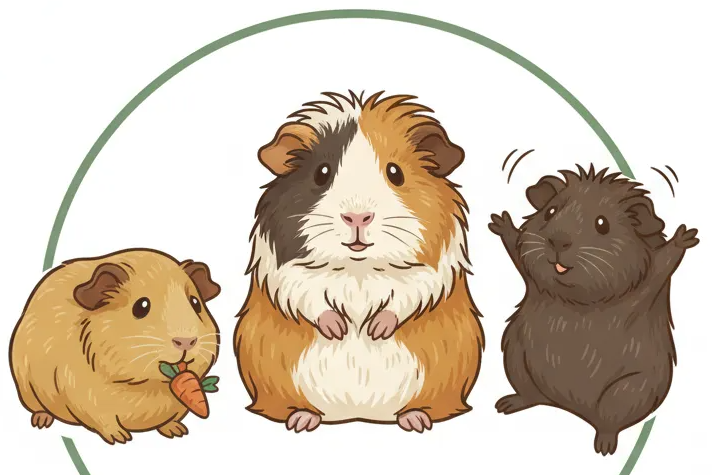
Are Guinea Pigs Exotic Pets? Your Complete Guide
Hello CavyFam! You’ve probably heard the term “exotic pet” and wondered where your adorable guinea pig fits in. It’s a question that can spark some confusion and even a little worry about their care requirements.
In this guide, we’ll walk through their official classification, unique care needs, common health considerations, and the real costs of ownership. I’ve shared my home with my own trio of guinea pigs for years, giving me firsthand experience with their delightful personalities and specific needs.
What Makes a Pet ‘Exotic’?
Many people think “exotic” means rare or wild, but in the pet world, it simply describes any animal that isn’t a dog, cat, or farm animal. Exotic pets often have very specific habitat, dietary, and medical needs that differ greatly from more traditional companions. I’ve learned this firsthand through years of caring for various small animals.
These pets typically require specialized veterinary care, as not all vets are trained to treat them. Their unique biology means common illnesses can present differently and require unique treatments. You can’t just take them to any local clinic.
- They originate from specific climates and environments.
- Their diets are often highly specialized and not found in regular pet food aisles.
- They may have unique social structures and communication methods.
- Their lifespan and growth patterns differ from domesticated cats and dogs.
Guinea Pigs in the Exotic Pet World
Guinea pigs absolutely fall under the exotic pet category, despite their popularity and gentle nature. Their classification stems from their distinct digestive systems and specific care requirements that align with other exotic species. My three guinea pigs, Pepper, Clover, and Biscuit, have taught me how nuanced their needs truly are.
They need a constant supply of hay for proper digestion, which is something you’d never worry about with a dog. Their teeth grow continuously, requiring a diet and toys that help wear them down naturally to prevent serious health issues. This is a classic trait of many exotic rodents.
The Reality of ‘Exotic’ Guinea Pigs for Sale
Seeing guinea pigs in pet stores can be misleading, making them seem like simple starter pets. The reality is that their “exotic” status means finding a knowledgeable breeder or rescue is crucial for their long-term health, as is ensuring you have an exotic vet who understands their specific needs. I made the mistake early on of not researching breeders thoroughly, and it led to unexpected health challenges.
Many are sold without proper information on their social needs or lifespan. Guinea pigs are highly social and can live 5-7 years, a commitment many impulse buyers aren’t prepared for, leading to animals in need of rescue. Understand what to expect at each life stage of a guinea pig. Their needs change from playful juveniles to seniors. Always choose sources that prioritize animal welfare.
- Research breeders who perform health checks and raise pups in family groups.
- Consider adopting from a rescue to give a deserving animal a second chance.
- Ask specific questions about lineage, diet, and any known health issues.
- Ensure the seller handles the guinea pigs gently and can describe their personalities.
Finding a vet who specializes in exotic pets *before* you bring your new friend home is non-negotiable. Establishing a relationship with an exotic vet early ensures you have support for routine care and any emergencies that arise. This proactive step has saved me from countless worries with my own herd.
Your Guide to Exotic-Level Guinea Pig Care
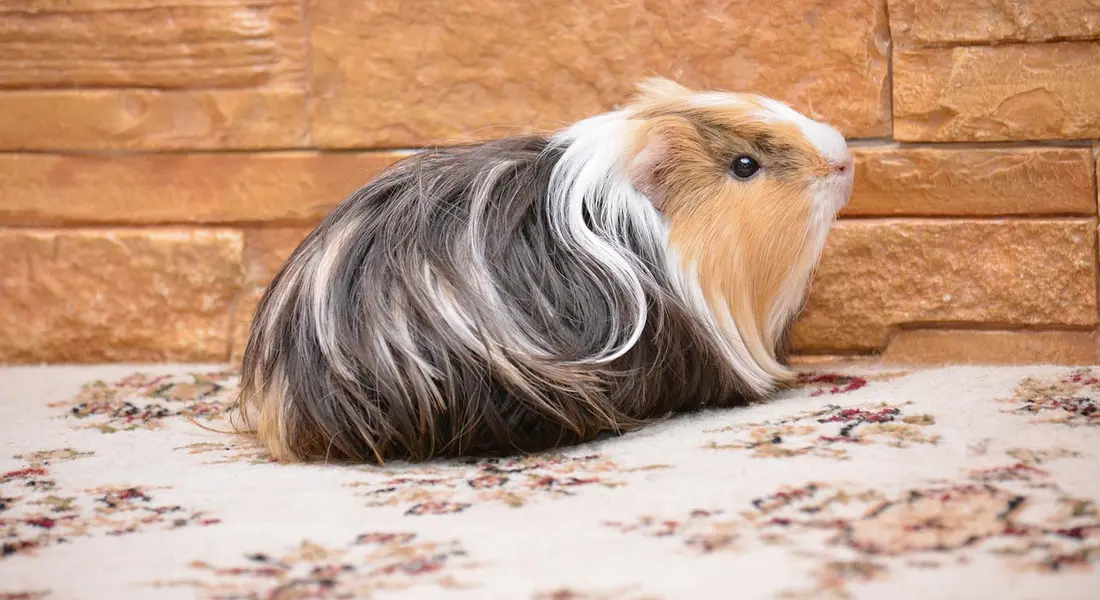
Housing: Building a Proper Home
Many pet stores sell cages that are far too small for a happy, healthy guinea pig. My own guinea pigs, Pepper and Clover, live in a custom-built enclosure that’s over 10 square feet, and I’ve seen their personalities flourish with the extra space. A proper home is their entire world, so it needs to be spacious, safe, and stimulating. In this complete space requirements guide, we’ll break down exactly how much room a guinea pig needs and why. Knowing the size cage requirements helps you choose setups that maximize exercise and enrichment.
You have several great options for creating this habitat:
- C&C (Cubes & Coroplast) Cages: These are my top choice. You can build them to any size, and they are incredibly cost-effective.
- Large-Scale Modular Pens: Perfect for creating unique shapes or fitting into awkward room corners.
- Repurposed Furniture: Some owners convert large bookshelves or tables into amazing guinea pig palaces.
The bare minimum for one or two guinea pigs is about 8 square feet, but bigger is always better. I learned this the hard way when I saw how much more my shy pig, Biscuit, explored once I upgraded their cage. Use a solid floor to protect their delicate feet, and provide a deep layer of absorbent, paper-based bedding that you can spot-clean daily.
Diet: The Foundation of Health
A guinea pig’s digestive system is a finely tuned engine that requires constant, high-quality fuel. Their need for a specific, vitamin C-rich diet is a primary reason they are classified as exotic pets. Getting their nutrition wrong can lead to serious, life-threatening health issues very quickly.
Their daily menu should be a simple but strict combination:
- Unlimited Grass Hay: Timothy hay should make up about 80% of their diet. It keeps their teeth ground down and their gut moving.
- Vitamin C-Rich Veggies: Offer a cup of fresh vegetables daily. Bell peppers are a fantastic, consistent source of this essential nutrient.
- Limited Pellets: Choose a high-quality, timothy-based pellet without colorful bits or seeds. An eighth of a cup per pig per day is plenty.
- Fresh Water: Provide clean water in a heavy ceramic bowl, which is more natural for them than a bottle.
I make a morning ritual of chopping fresh veggies for my trio, and their excited “wheeking” is the best alarm clock. Never forget that they cannot produce their own vitamin C, so skipping their daily greens is not an option.
Enrichment and Social Needs
Guinea pigs are highly social and intelligent creatures who can easily become bored and depressed without proper mental stimulation. Watching my guinea pigs popcorn and chase each other is a clear sign that their social and enrichment needs are being met. A lonely or bored guinea pig is an unhealthy one.
Their well-being hinges on two critical areas:
- Companionship: Guinea pigs should never live alone. They are herd animals and need the company of their own kind. A neutered male with one or more females is often the most harmonious pairing.
- Environmental Enrichment: Their cage should be a playground. Provide hideouts, tunnels, and chew toys made of safe woods. You can even create simple foraging games by hiding their veggies in paper bags or cardboard tubes.
Daily floor time in a secure, pig-proofed area is non-negotiable for their physical and mental health. This gives them space to run full-speed and explore new smells and textures, which dramatically reduces stress.
Finding the Right Veterinary Care
This is perhaps the most critical aspect of exotic pet ownership. A regular cat and dog vet simply does not have the specialized training to properly diagnose and treat a guinea pig. Their physiology, common illnesses, and even the medications they can safely take are entirely different.
You must locate an exotic animal veterinarian before you even bring your pet home. These professionals have dedicated their practice to species like guinea pigs, rabbits, and reptiles. Then schedule your guinea pig’s first veterinary check-up soon after bringing them home. An initial wellness visit helps set up preventive care and address any early concerns.
What to Ask an Exotic Vet
Don’t be shy about interviewing a potential vet to ensure they are the right fit for your furry family. I called three different clinics before I found one where the vet could confidently discuss guinea pig dental health with me. Your pet’s life may depend on this choice.
Prepare a list of questions for your first call or visit:
- What percentage of your practice is dedicated to exotic pets like guinea pigs?
- Are you comfortable with common guinea pig procedures like teeth trimming?
- What is your protocol for after-hours emergencies?
- Can you walk me through the signs of gastrointestinal stasis?
A good exotic vet will welcome your questions and provide clear, knowledgeable answers that put you at ease. They understand that an informed owner is their best partner in keeping an exotic pet healthy and thriving for years to come.
Understanding Health and Lifespan
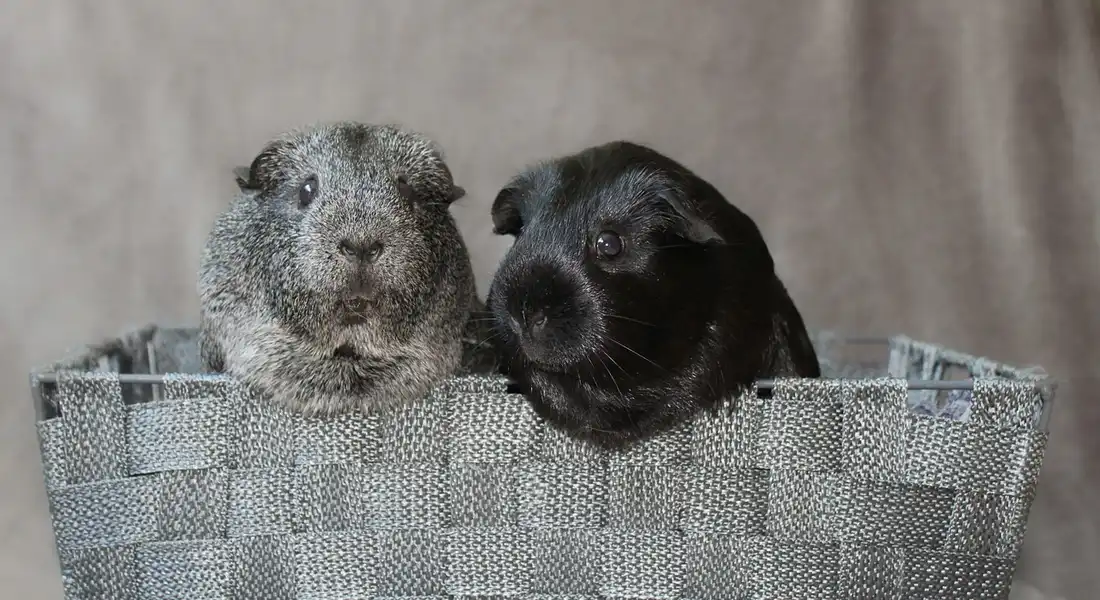
Guinea pigs are generally robust, but they need attentive care to thrive. Their average lifespan ranges from 5 to 7 years, so welcoming one is a significant commitment. I’ve found that consistent, gentle handling helps them live happier, less stressful lives, which can even influence how long they live.
Common Health Concerns
Their health can be delicate. Watch for these signs closely:
- Dental issues: Their teeth grow continuously. Provide unlimited hay to wear them down naturally.
- Respiratory infections: Sneezing or labored breathing needs immediate vet attention.
- Vitamin C deficiency: They cannot produce their own. I add fresh bell peppers to their diet daily.
- Skin problems: Mites or fungal infections cause intense itching and hair loss.
Preventative Care is Key
A good routine prevents most issues. I check my guinea pigs, Pepper, Clover, and Biscuit, every day during feeding time for any changes in behavior or appearance. Their gentle and thoughtful personalities make it easy to notice when something is off.
- Schedule annual check-ups with an exotic pet veterinarian.
- Keep their living space clean and dry to prevent bacterial growth.
- Weigh them weekly; sudden weight loss is often the first sign of illness.
Legal and Ethical Considerations
Owning a guinea pig involves more than just providing food and shelter. You have a legal and moral duty to ensure their welfare is protected. This responsibility is something I take very seriously with my own herd. Emotional commitment means dedicating time to their social needs, gentle handling, and daily routines, and recognizing that their happiness depends as much on your presence as on their cage. In short, true guinea pig ownership is about care, consistency, and companionship.
Know Your Local Laws
Regulations can be surprising. Some cities or housing associations have specific rules.
- Check if your area classifies guinea pigs as exotic pets, as this can affect ownership.
- Verify if there are limits on the number of pets you can keep humanely.
- Always ensure your housing lease allows for them.
Ethical Sourcing and Adoption
Where you get your guinea pig matters immensely. I am a strong advocate for adopting from rescues or shelters instead of buying from pet stores. Many wonderful animals are waiting for a second chance.
- Rescues often have bonded pairs, which is ideal as guinea pigs are social.
- Ask about the animal’s history and any known health issues.
- Support breeders only if they are transparent, ethical, and prioritize health over profit.
Commitment to a Herd Animal
Guinea pigs are profoundly social. Keeping a single guinea pig is considered unethical in many countries due to the profound loneliness it causes. Guinea pigs thrive on companionship.
- Plan to have at least two guinea pigs.
- Provide a large enough enclosure for them to interact and have their own space.
- Understand that their social needs are a non-negotiable part of their care.
FAQs
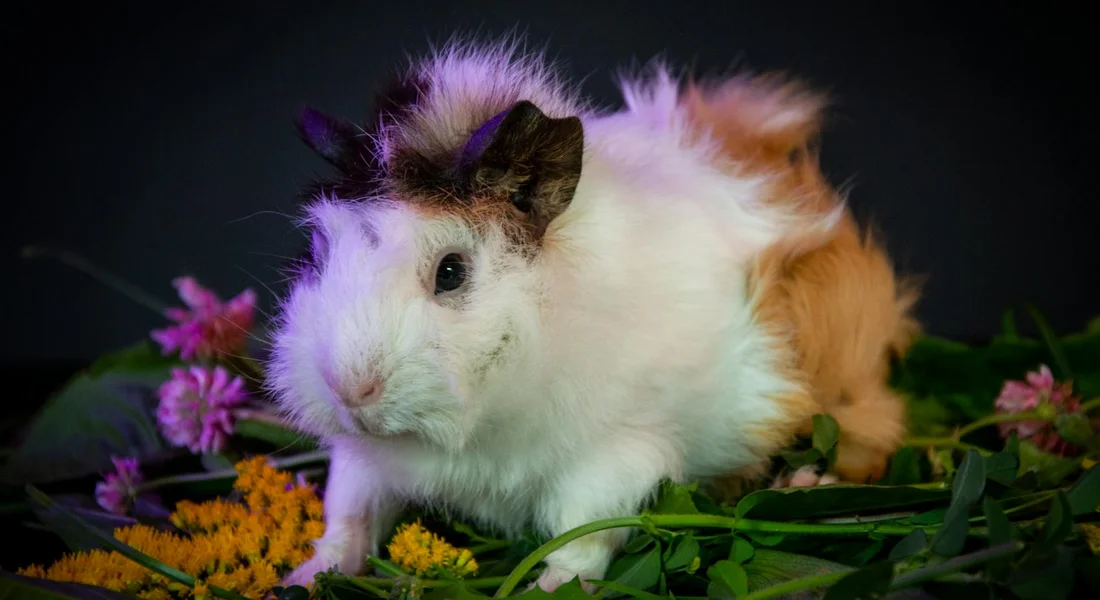
Where can I find exotic guinea pigs for sale near Boston, MA?
Check local animal shelters, rescues, or ethical breeders in the Boston area for availability. Always verify that the source conducts health checks and prioritizes animal welfare to ensure a healthy pet.
Are there exotic guinea pigs for sale near Gloucester, MA?
Look for reputable breeders or adoption centers in Gloucester and nearby regions. Adopting from a rescue can provide a loving home to guinea pigs in need while supporting ethical practices. It’s important to know where to buy guinea pigs responsibly.
What do Reddit users say about guinea pigs being exotic pets?
Reddit discussions often highlight that guinea pigs are classified as exotic due to their specialized care and dietary needs. Many users share tips on finding exotic vets and handling common health issues based on personal experiences. Prospective buyers often perform a quick health-check look when choosing a guinea pig, noting bright eyes, a clean nose, a glossy coat, and comfortable movement. These quick checks help ensure the animal is in good condition before taking it home.
How do I find an exotic guinea pig vet near me?
Search online for “exotic pet veterinarian” in your area or use directories from veterinary associations. It’s essential to choose a vet with specific experience in guinea pig care for accurate diagnosis and treatment. For guidance on finding the right specialist, search for an exotic vet experienced with guinea pigs.
Are guinea pigs considered exotic pets for eating purposes?
In some cultures, guinea pigs are raised as livestock for food, but as companion animals, they are not typically categorized for eating. Their exotic pet status in the U.S. relates to their unique care requirements as pets, not culinary use.
Final Thoughts on Guinea Pig Care
Guinea pigs are indeed exotic pets, requiring a specialized diet of fresh hay and vegetables, ample space for exercise, and companionship from their own kind. Their health depends on finding a veterinarian experienced with exotic animals to address their unique medical needs properly.
Commit to being a lifelong learner about their care, always seeking out new, species-appropriate information to ensure their well-being. You can also make eco-friendly choices, like using paper-based bedding and recycling their cardboard hideys, to care for your pets and the planet together.
Further Reading & Sources
- Are guinea pigs ‘exotic pets’? – Quora
- Why Guinea Pigs Are The Best Pets! – Veterinary Center for Birds and Exotics
- r/guineapigs on Reddit: So you guys think guinea pigs are still “exotic” animald
- Exotic Pet Care: Guinea Pigs | Mandeville Vets
Kate is a passionate guinea pig owner and advocate for small pet welfare. With over a decade of experience caring for guinea pigs, she has become a trusted voice in the small pet community.
Uncategorized