Can Guinea Pigs Eat Bok Choy and Choy Sum? A Safe Feeding Guide
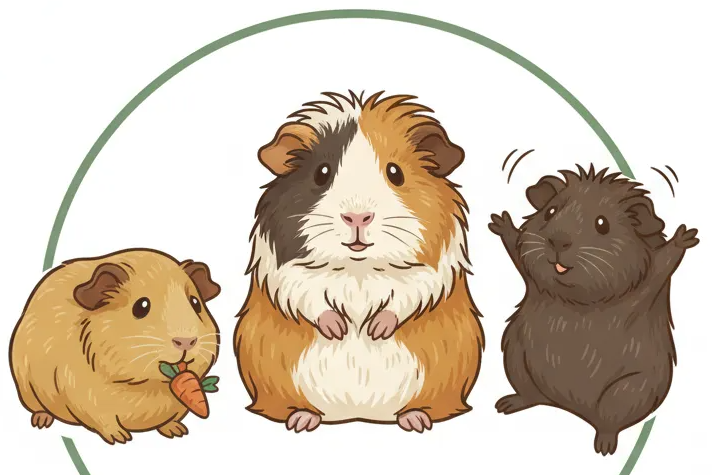
Hello CavyFam, are you curious if bok choy or choy sum can be a healthy addition to your guinea pig’s diet? It’s natural to worry about introducing new greens, especially with sensitive tummies like my guinea pigs Pepper, Clover, and Biscuit have.
In this article, I’ll cover safety checks, nutritional perks, serving tips, and common concerns. Having raised guinea pigs for years, I blend personal stories with reliable advice to keep your pets happy and healthy.
Safety First: Are Bok Choy and Choy Sum Safe for Your Guinea Pig?
Both bok choy and choy sum are generally safe for guinea pigs to eat, but they should be treated as occasional treats rather than daily staples. Their high oxalate and calcium content means feeding them too often can contribute to the formation of bladder stones, a painful condition you’ll want to avoid for your pet. Moderation is your best friend here.
I remember the first time I introduced a small piece of choy sum to my guinea pig, Biscuit. He approached it with his usual reserved curiosity, giving it a tentative nibble before deciding it was a delightful new discovery. Watching his cautious acceptance reassured me that a slow, observant introduction is key for any new food.
Always monitor your guinea pig closely after offering new greens. Watch for any signs of allergies, like skin irritation, or digestive upset such as diarrhea or a lack of appetite. Some vegetables and fruits can be toxic to guinea pigs, so verify foods before offering them and introduce new items slowly. If you notice anything unusual, remove the new food immediately and consult your veterinarian.
Nutritional Benefits: Why Bok Choy and Choy Sum Are Healthy Choices
When fed responsibly, these leafy greens pack a powerful nutritional punch that supports overall guinea pig health. They are an excellent source of Vitamin C, a crucial nutrient that guinea pigs cannot produce on their own and is vital for a strong immune system. However, it’s important to know which foods are safe for guinea pigs to eat.
The high water content in these vegetables also helps with hydration. Chewing on the crisp, fibrous stalks provides excellent dental wear, helping to keep their constantly growing teeth filed down and healthy.
Here’s a quick look at the key nutrients and what they do for your pet:
- Vitamin C: Fights scurvy and boosts immune function.
- Iron: Supports healthy blood and energy levels.
- Dietary Fiber: Promotes smooth digestion and gut motility.
- Calcium (in moderation): Strengthens bones and teeth.
Incorporating a small amount of these greens into a varied diet can contribute significantly to your guinea pig’s vitality and wellness. When selecting guinea pig diet safe vegetables, choose fresh, washed options and introduce new varieties gradually to monitor tolerance.
How to Prepare Bok Choy and Choy Sum for Your Guinea Pig
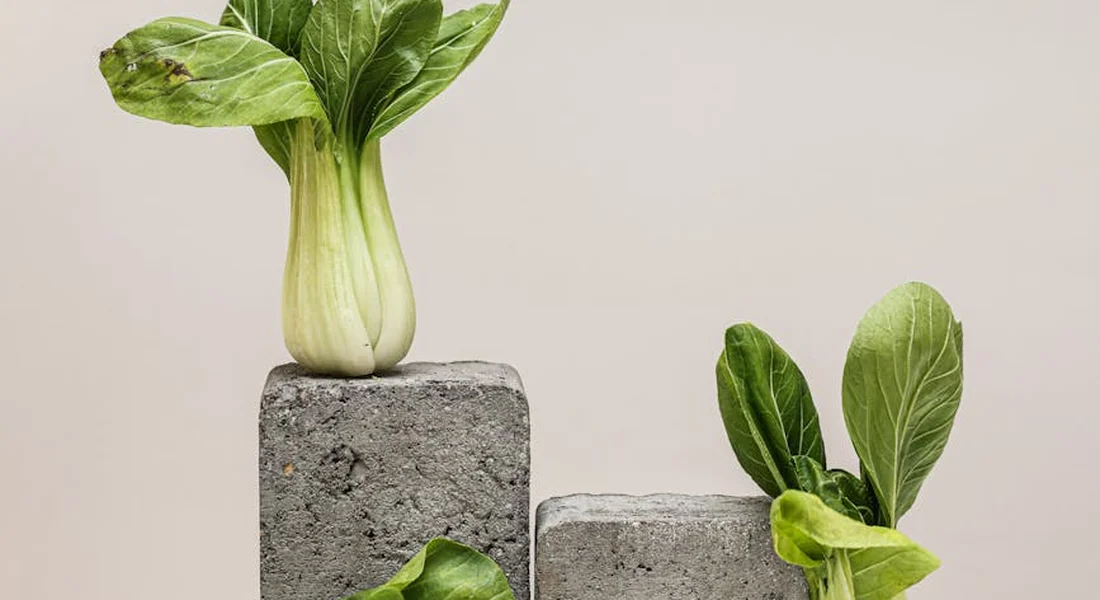
Getting these leafy greens ready for your guinea pig is simple and rewarding. I always take a few extra minutes to prep greens like bok choy, which keeps my trio—Pepper, Clover, and Biscuit—safe and eager at mealtime. Collard greens are another safe option to rotate in—offer them in small portions and rinse well. This helps ensure a varied, calcium-balanced diet for your guinea pigs.
- Start with a fresh wash to remove pesticides and dirt. Run cool water over each leaf, gently rubbing to dislodge any grit-I sometimes use a diluted vinegar rinse for stubborn residues.
- Chop into small pieces to prevent choking and ease digestion. For my Peruvian, Biscuit, I slice them into thin strips since her longer fur can trap larger bits.
- Mix with other safe greens for variety in diet. Combining bok choy with romaine lettuce or parsley adds texture and flavor that my guinea pigs adore.
This routine ensures every bite is both enjoyable and digestible for your pet. Fresh, well-prepared greens mimic the diverse foraging they’d do in the wild, promoting natural behaviors and well-being.
Feeding Guidelines: Portion Sizes and Frequency
Feeding these greens in the right amounts supports your guinea pig’s health without overdoing it. Based on my experience, I tailor portions to each pig’s age and personality—like giving gentle Pepper a bit more than reserved Biscuit. When preparing vegetables for your guinea pigs, wash them thoroughly, trim any tough stems, and cut into bite-sized pieces for easy, safe nibbling.
- Advise on moderate feeding, suggesting portion size based on guinea pig age and size. Offer about one to two small leaves per serving for adults, and half that for younger pigs under six months.
- Emphasize balancing with daily greens to avoid overloading on calcium. Rotate bok choy with low-calcium options like cucumber to prevent urinary issues.
- Include tips on seasonal availability and rotating greens for a varied diet. In summer, I swap in seasonal picks like dandelion greens to keep meals exciting and nutrient-rich.
Regular rotation prevents boredom and supports overall vitality. Watching Clover’s graceful nibbles on a mix of greens reminds me how a varied diet enriches their daily routine.
Introducing New Greens to Your Guinea Pig’s Diet
-
Begin with small amounts to test tolerance. Offer just a bite-sized piece, like half a leaf, to see how your guinea pig reacts without overwhelming their delicate stomach. I did this with Biscuit when introducing new veggies, and it helped me spot any quirks early on. That approach is part of the Chew Safely Complete Guide. It covers safe chewing, proper portions, and how to spot warning signs early.
-
Monitor for signs of upset stomach or stone risk over several days. Check for soft stools, lethargy, or unusual behaviors over 2-3 days, as I noticed with Pepper who once showed slight discomfort after trying a new green. Consistent observation lets you catch issues before they escalate.
-
Gradually increase if no adverse effects, while maintaining greens variety. Slowly add more over a week, but always mix with staples like romaine lettuce to keep their meals diverse and nutrient-rich. Rotating foods prevents boredom and supports overall health, something I prioritize with Clover’s diet.
Potential Health Risks and How to Mitigate Them
-
Detail risks like urinary stones from high calcium and oxalates. Bok choy and choy sum have compounds that can crystallize in the bladder, leading to painful stones if fed too often. I’ve learned that moderation is crucial, especially for breeds prone to urinary issues.
-
Explain steps to reduce stone risk through proper feeding practices. Serve these greens no more than twice weekly and balance them with low-oxalate options like cucumber or zucchini. Pairing foods helps dilute risks, a trick that’s kept my guinea pigs healthy for years.
-
List signs of digestive upset and when to adjust the diet. Watch for gas, diarrhea, or reduced appetite-if these appear, stop the new food and switch back to trusted choices. Quick action can ease discomfort, as I found when Biscuit had a mild reaction.
Sourcing and Storing Fresh Bok Choy and Choy Sum
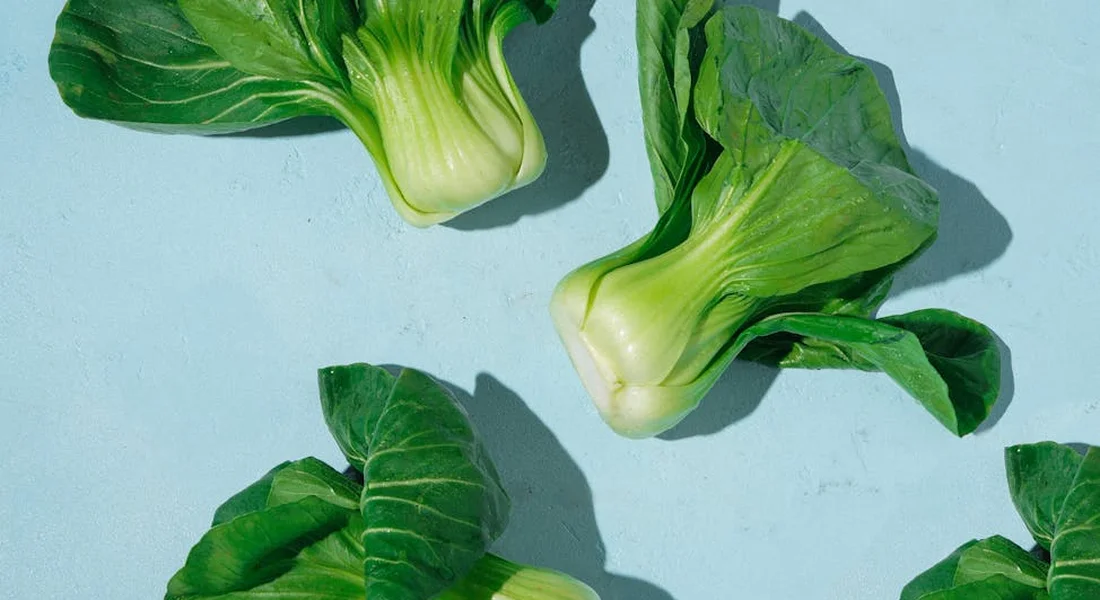
Choosing the freshest greens starts with a quick visual and tactile inspection. I always look for vibrant, crisp leaves with no signs of wilting, yellowing, or tiny holes, which can indicate pests.
Whenever possible, I opt for organically grown bok choy and choy sum to minimize my piggies’ exposure to pesticides. My guinea pig, Biscuit, is particularly sensitive, so this extra step gives me peace of mind.
- Seek out firm, white stalks (for bok choy) and perky green leaves on both varieties.
- Give the leaves a gentle sniff; they should smell earthy and fresh, not musty.
- Purchase from local farmers’ markets or trusted grocers who can verify growing practices.
Proper storage is key to preserving those precious vitamins and crunch that guinea pigs love. I never wash the greens before storing them, as the extra moisture speeds up decay.
My method is simple: I wrap the unwashed bok choy or choy sum loosely in a slightly damp paper towel and place it in a perforated plastic bag in my refrigerator’s crisper drawer. This maintains humidity without causing sogginess.
- Store greens in the main body of the fridge, not in the door, where temperatures fluctuate.
- Use your stored greens within 3 to 5 days for peak freshness and nutritional value.
- Always wash the greens thoroughly right before you serve them to your pets.
Seasonal availability directly affects the quality, price, and my feeding schedule. I find these Asian greens are often most abundant and affordable in the cooler spring and fall months.
During the off-season, the quality can sometimes dip, or the price may rise. On those weeks, I happily rotate in other guinea pig-safe greens like romaine lettuce or cilantro to keep their diet varied and my budget in check.
FAQs
Can guinea pigs eat bok choy?
Yes, guinea pigs can eat bok choy as an occasional treat. It should not be a daily food due to its high calcium and oxalate content. For variety, you can also offer kale varieties in moderation, as they are another leafy green that guinea pigs can enjoy. Like bok choy, kale should be given sparingly because of its high calcium and oxalate levels.
What are the benefits of bok choy for guinea pigs?
Bok choy offers Vitamin C, which is crucial for preventing scurvy and supporting immune function. It also contains fiber that aids in digestion and promotes dental health through chewing.
How does bok choy support a guinea pig’s hydration?
Bok choy has high water content that helps keep guinea pigs hydrated. This can be especially beneficial in warmer weather or if they are not drinking enough from their bottle.
Can bok choy cause digestive issues in guinea pigs?
Overfeeding bok choy may lead to digestive upset like diarrhea or gas. Always introduce it slowly and in small amounts to monitor your pet’s tolerance.
Is bok choy suitable for all life stages of guinea pigs?
Bok choy can be fed to adult and baby guinea pigs, but portions should be smaller for younger ones. Ensure it is part of a varied diet to meet their nutritional needs, especially when feeding baby or young guinea pigs.
Your Guinea Pig’s Healthy Diet Made Simple
Bok choy and choy sum are safe for guinea pigs in small, infrequent portions to avoid digestive upsets. From my time with Pepper, Clover, and Biscuit, I always introduce new greens slowly and watch for any changes in their behavior or droppings.
Keep learning about your pet’s needs to ensure they thrive in a loving home. Opt for sustainably sourced veggies and eco-friendly care choices to protect both your guinea pigs and our planet. Proper care for guinea pigs starts with understanding their dietary and environmental needs.
Further Reading & Sources
- Can guinea pigs eat bok choy? (2023 Update!) – GuineaDad
- Can GUINEA PIGS Eat BOK CHOY? | Pak Choi | Vegetables Guinea Pigs Can Eat – YouTube
- Bok Choy? – Guinea Pig Cages
- Can Guinea Pigs Eat Bok Choy (Pak Choi)? | Chinese Cabbage
Kate is a passionate guinea pig owner and advocate for small pet welfare. With over a decade of experience caring for guinea pigs, she has become a trusted voice in the small pet community.
Uncategorized