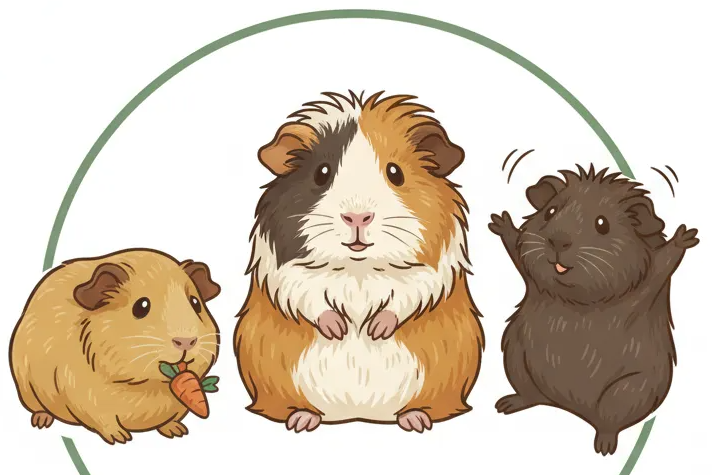
Can Guinea Pigs Eat Chicken, Meat, or Animal Products?
Hello CavyFam! You might be wondering if your guinea pig can share a bite of your chicken dinner. It’s a common worry for pet owners wanting to provide the best diet.
In this guide, we’ll cover why guinea pigs are strict herbivores, the risks of feeding animal products, healthy protein sources they actually need, and signs of dietary distress.
I’ve learned this through years of caring for my own guinea pigs-Pepper, Clover, and Biscuit-and researching their unique nutritional needs.
Understanding Guinea Pig Dietary Basics
Guinea pigs are strict herbivores, which means their bodies are built to run entirely on plants. Their long digestive tract is specifically designed to slowly ferment and break down fibrous plant material, a process that meat would severely disrupt. Many owners also include wheatgrass and other grasses as a safe, high-fiber addition to their diet. These greens help satisfy their chewing needs and provide essential nutrients. I learned this firsthand when my guinea pig, Biscuit, once nibbled on a piece of cat food, and the resulting digestive upset was a stressful lesson for both of us.
Their diet must be rich in three key components to keep them healthy and happy.
- Unlimited Grass Hay: This is the absolute cornerstone of their diet, providing the essential fiber needed for proper digestion and to keep their constantly growing teeth worn down.
- Fresh, Vitamin C-Rich Veggies: Guinea pigs cannot produce their own Vitamin C. A daily serving of bell peppers, kale, or parsley is non-negotiable to prevent scurvy.
- High-Quality Guinea Pig Pellets: These fortified pellets act as a nutritional safety net, ensuring they get all the vitamins and minerals they might miss from hay and veggies alone.
Can Guinea Pigs Eat Chicken and Other Meats?
The short and definitive answer is no. Feeding chicken, beef, or any other type of meat or animal product to your guinea pig is dangerous and goes against their fundamental biology. Their systems simply lack the enzymes and gut flora required to process protein and fat from animal sources. This also applies to dairy products. Dairy products should be avoided.
Introducing meat into their diet can lead to several serious health problems.
- Severe Digestive Upset: This isn’t just a little tummy ache. Meat can cause painful bloating, gas, and diarrhea, which can be life-threatening for such a small animal.
- Organ Strain: The high protein and fat content places an immense and unnatural strain on their liver and kidneys, potentially leading to long-term damage.
- Nutritional Imbalance: Filling up on meat means they won’t eat enough of the fibrous hay they desperately need, creating a cascade of other health issues.
Let’s look at how their needs compare to animals that do eat meat.
| Dietary Trait | Guinea Pig (Herbivore) | Cat (Obligate Carnivore) |
|---|---|---|
| Primary Food Source | Hay, Vegetables, Herbs | Meat, Animal Tissue |
| Digestive System | Long tract for fermenting fiber | Short tract for processing protein |
| Essential Nutrient | Vitamin C (from diet) | Taurine (from meat) |
My gentle guinea pig, Pepper, thrives on a simple diet of timothy hay and fresh greens. Sticking to the foods nature intended for them is the single best way to ensure a long, vibrant, and comfortable life for your furry friend.
Why Meat Is Harmful for Guinea Pigs
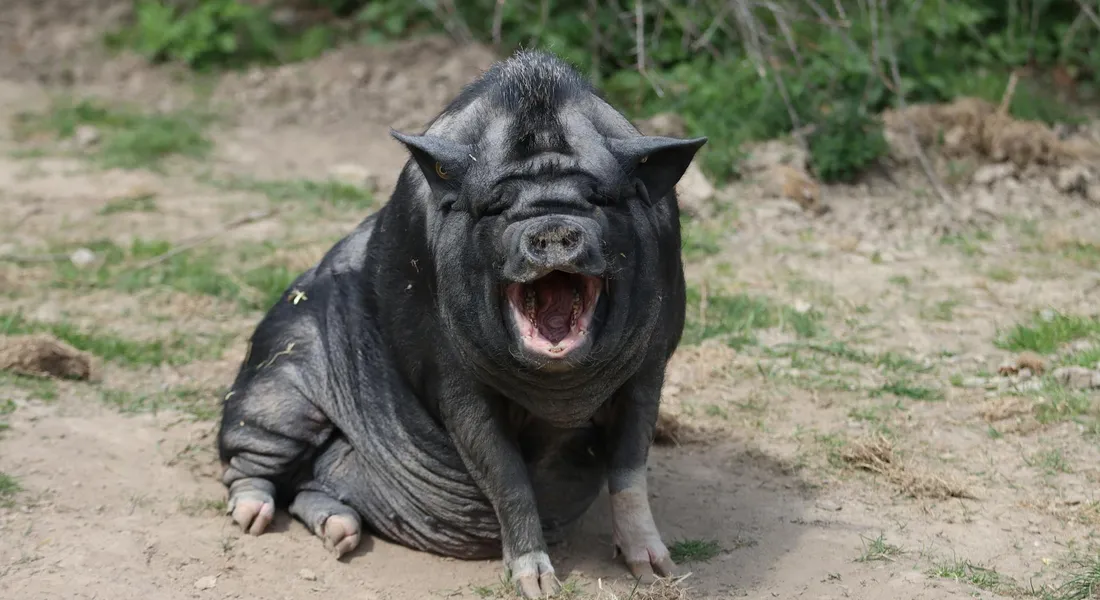
Guinea pigs thrive on plant-based diets, and feeding them meat can cause serious harm. Their bodies simply aren’t built to process animal proteins, which can lead to digestive distress and long-term health problems. I’ve learned this firsthand with my guinea pigs, like gentle Pepper, who stays healthy on a veggie-rich menu.
Digestive System Limitations
Guinea pigs have a unique digestive system designed for breaking down fibrous plants, not meat. Their gut relies on fermentation in the cecum to extract nutrients from hay and greens, making animal products hard to digest. For example, my thoughtful Clover gets bloated easily if her diet strays from high-fiber foods.
- They lack specific enzymes to break down animal proteins, leading to indigestion.
- High-fiber diets keep their teeth worn down and gut moving, while meat can cause blockages.
- Sudden changes, like adding meat, disrupt their delicate gut bacteria balance.
Health Risks from Animal Products
Introducing meat or animal byproducts raises the risk of obesity, kidney issues, and digestive upsets. Animal fats and proteins strain their kidneys and can lead to painful conditions like stones or urinary tract infections. With reserved Biscuit, I stick to safe veggies to avoid unnecessary vet visits.
- High protein from meat overloads their system, causing weight gain and lethargy.
- Toxins in processed meats, like preservatives, can poison small pets quickly.
- Allergies or intolerances may develop, resulting in skin rashes or diarrhea.
What About Other Animal Products Like Eggs or Dairy?
Eggs and dairy pose similar dangers because guinea pigs can’t digest them properly. Eggs, like dairy, contain proteins that most guinea pigs are intolerant to, leading to bloating and diarrhea. I avoid giving any dairy to my herd after seeing how even a tiny bit upset Pepper’s stomach.
- Eggs are high in cholesterol and protein, which can cause kidney stress and obesity.
- Dairy items like cheese or yogurt introduce unhealthy fats and sugars.
- Stick to plant-based treats, such as fresh fruits or herbs, for a balanced diet.
Focusing on wholesome, natural foods keeps your guinea pig happy and healthy. By choosing eco-friendly, plant-based options, you support their well-being and reduce environmental impact. My experience with Clover and the others shows that a simple, veggie-focused diet prevents most health scares.
Safe Plant-Based Foods for Guinea Pigs
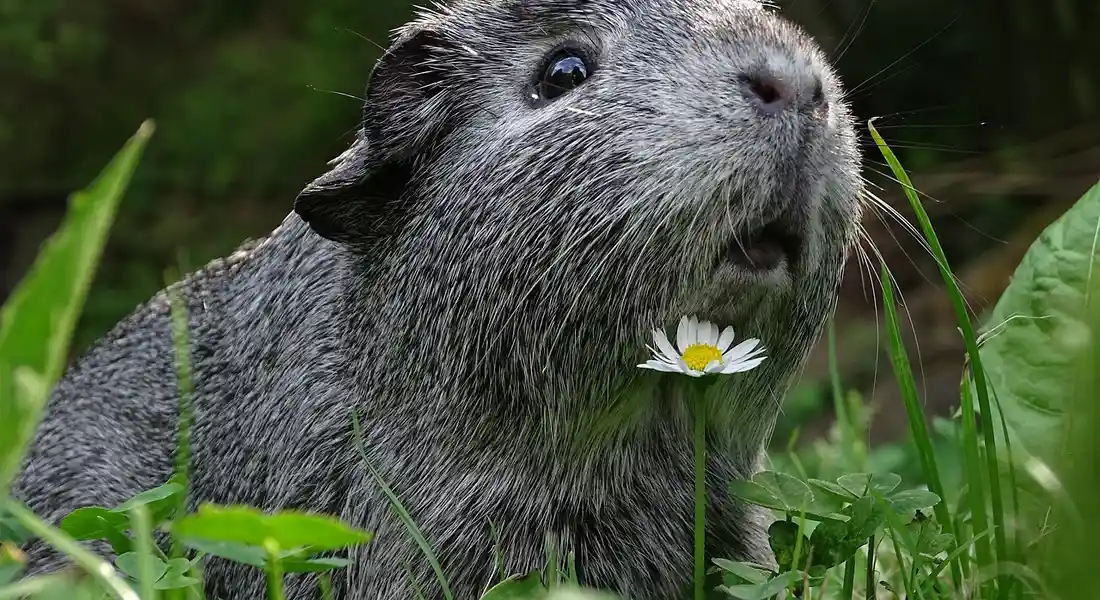
Guinea pigs thrive on a diet rich in plant-based foods, as their digestive systems are designed for herbivorous eating. From my years caring for Pepper, Clover, and Biscuit, I’ve seen how a balanced plant diet keeps them energetic and healthy. It’s essential to understand their herbivorous diet to make informed food choices. Always prioritize fresh, pesticide-free options to avoid harming your furry friends.
- Timothy hay should make up about 80% of their daily intake, supporting dental health and digestion.
- Leafy greens like romaine lettuce and cilantro are excellent daily choices, but avoid iceberg lettuce due to low nutrients.
- Vegetables such as carrots and cucumbers can be given in small amounts a few times a week for variety.
- Fruits like apples or berries are tasty treats but limit them to prevent sugar overload-once or twice weekly is plenty.
Rotating these foods prevents boredom and ensures a range of nutrients. I’ve noticed Biscuit, with his reserved nature, perks up when I introduce new greens, making mealtime an adventure. Stick to plants to keep their tummies happy and avoid any animal products.
Essential Nutrients and Vitamin C Sources
Guinea pigs cannot produce their own vitamin C, so they rely on diet to prevent scurvy and other health issues. Including vitamin C-rich foods daily is non-negotiable for their well-being, something I learned when Clover showed signs of fatigue without enough of it. So, how much vitamin C do guinea pigs need daily? Aim for about 10-30 mg per day per pig, depending on age and health.
- Bell peppers, especially red ones, are packed with vitamin C and can be offered in small slices daily.
- Dark leafy greens like kale or spinach provide vitamins but should be given in moderation to avoid calcium buildup.
- Broccoli florets are another great source, though too much can cause gas, so introduce slowly.
- Supplement with guinea pig-specific pellets that include stabilized vitamin C, but always check expiration dates.
Mix these into their meals for a colorful, nutrient-dense plate. Pepper’s gentle demeanor shines when he nibbles on crisp bell peppers, and I feel confident he’s getting what he needs. Avoid overcooking or storing foods too long, as vitamin C degrades quickly.
What to Do If Your Guinea Pig Eats Meat
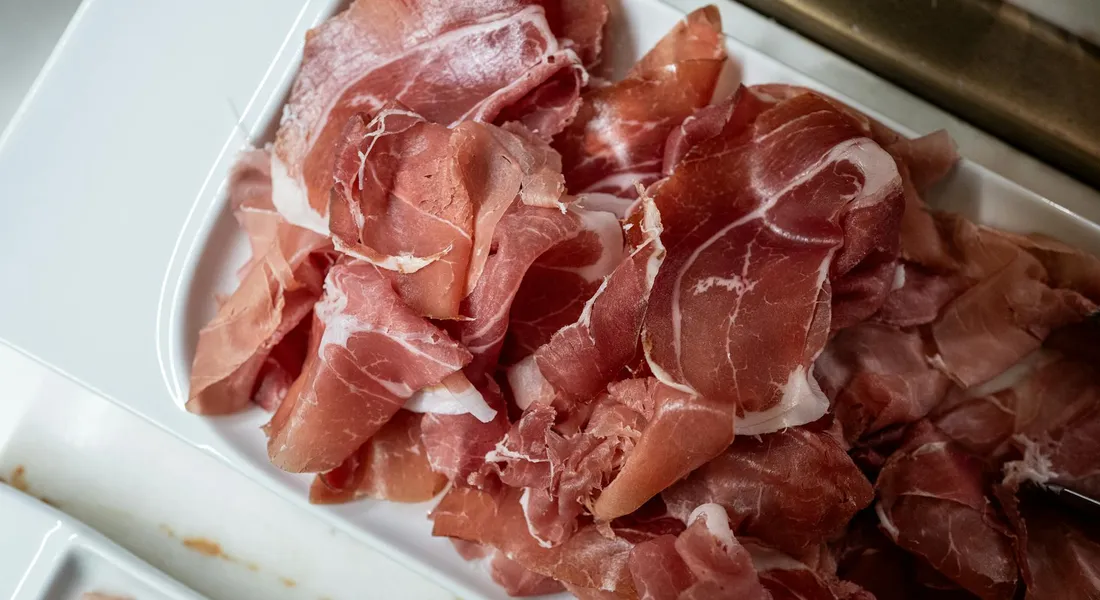
If your guinea pig accidentally consumes meat or animal products, act quickly to minimize risks. Guinea pigs lack the enzymes to digest meat, which can lead to serious digestive upset or blockages. Stay calm and follow these steps to ensure their safety.
- Remove any remaining meat or animal products from their cage immediately to prevent further ingestion.
- Observe your guinea pig closely for symptoms like diarrhea, lethargy, or loss of appetite over the next 24 hours.
- Offer plenty of fresh water and their usual hay to help flush out their system and maintain hydration.
- Contact your veterinarian right away for advice, especially if symptoms worsen or persist.
In my experience, even a small bite can cause discomfort, so prevention is key. After an incident with Biscuit sneaking a lick of something meaty, I doubled down on guinea pig-proofing my kitchen to avoid repeats. Always keep their environment free of animal-based foods to protect their health.
Debunking Common Diet Myths
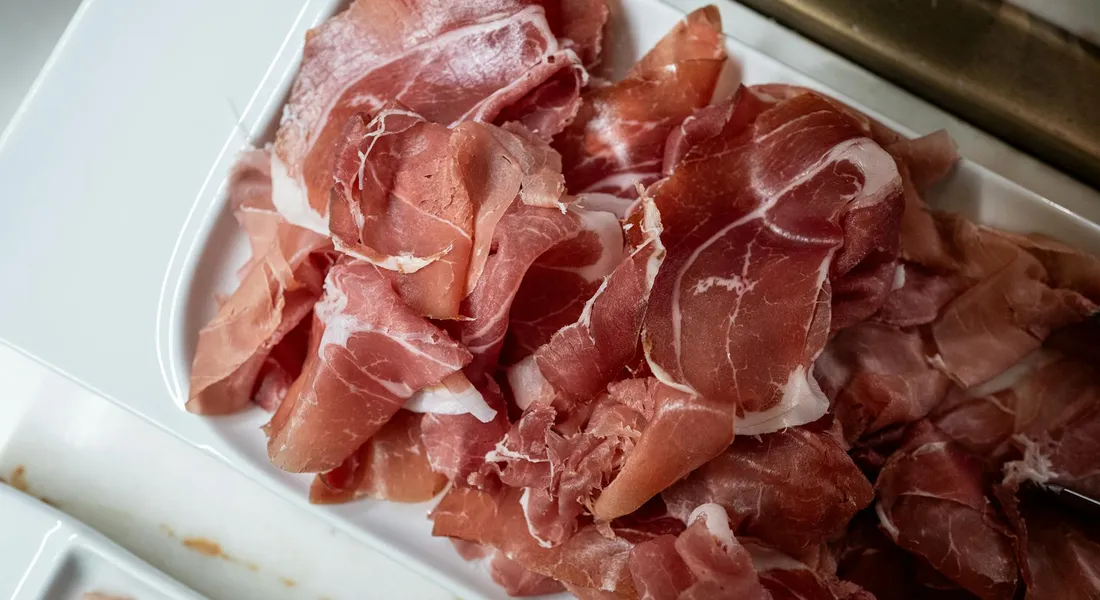
You might hear that guinea pigs can handle a bite of chicken or other animal products, but that’s far from the truth. Guinea pigs are herbivores by nature, and their digestive systems simply can’t break down meat or animal-based foods. Some people question whether cat or dog food could ever be fed to a guinea pig, but those foods are not appropriate and can upset their digestion.
Let’s clear up some common misunderstandings with a quick list of myths and facts.
- Myth: Guinea pigs benefit from animal protein like chicken. Fact: Their bodies thrive on plant-based proteins from hay and veggies; meat can lead to digestive upset or obesity.
- Myth: Small amounts of meat are safe as occasional treats. Fact: Even tiny pieces can cause diarrhea or bloating, as I learned when Pepper sniffed at some dropped food and later seemed sluggish.
- Myth: If other pets eat meat, guinea pigs can too. Fact: Each animal has unique needs; guinea pigs require high-fiber diets to prevent health issues like GI stasis.
I’ve seen Clover, my Abyssinian, gently explore new foods but always stick to her greens. Safe vegetables and greens—things like romaine, parsley, and cilantro—are important parts of a guinea pig diet. Sticking to a herbivore diet keeps your guinea pig’s tummy happy and avoids unnecessary vet visits.
Animal products lack the roughage guinea pigs need for healthy teeth and gut movement. Focus on fresh hay and veggies to support their well-being and natural behaviors.
FAQs
Do guinea pigs eat blueberries?
Yes, guinea pigs can eat blueberries as an occasional treat due to their vitamin C content. However, limit servings to once or twice a week to avoid sugar-related health issues.
Do guinea pigs eat kale?
Yes, kale is safe for guinea pigs and provides essential nutrients like vitamin C. Feed it in moderation to prevent calcium buildup that could lead to urinary problems. Guinea pigs can enjoy several kale varieties, such as curly kale or lacinato (dinosaur) kale. Rotating among kale varieties helps provide a range of nutrients and keeps meals interesting.
What is guinea pig meat?
Guinea pig meat refers to the flesh of guinea pigs, which is consumed as food in some cultures. In pet care, we emphasize that guinea pigs are herbivorous companions and not a food source.
What does guinea pig meat taste like?
Guinea pig meat is often described as similar to rabbit or dark chicken with a mild, gamey flavor. For pet owners, it’s irrelevant as guinea pigs should never be fed meat or animal products.
What is a guinea pig meat farm?
A guinea pig meat farm raises guinea pigs for human consumption, primarily in regions like South America. As pet caregivers, we recommend adopting from shelters or reputable breeders instead.
Your Guinea Pig’s Health and Happiness
From my time caring for Pepper, Clover, and Biscuit, I’ve learned that guinea pigs thrive on a plant-based diet and should never eat chicken, meat, or animal products. Stick to high-quality hay, fresh vegetables, and guinea pig pellets to support their well-being and prevent digestive issues. Make sure you know what foods guinea pigs can eat.
Always stay curious and educate yourself on proper guinea pig care to be a responsible pet owner. Learn about safe housing, daily care, and regular vet checkups to ensure your guinea pigs thrive. Embrace eco-friendly habits, like choosing sustainable bedding or growing your own greens, to benefit both your pets and the planet.
Further Reading & Sources
- The Best Guinea Pig Products & Supplies | Small Pet Select – Small Pet Select U.S.
- Guinea pig – Wikipedia
- Eating Cuy: Peruvian Guinea Pig Delicacy – Eat Peru
- Guinea Pig Food & Hay | Petco
Kate is a passionate guinea pig owner and advocate for small pet welfare. With over a decade of experience caring for guinea pigs, she has become a trusted voice in the small pet community.
Uncategorized