Can Guinea Pigs Eat Cinnamon?
Published on: August 22, 2026 | Last Updated: August 22, 2026
Written By: Kate M. Callahan
Hello CavyFam! You might be wondering if that warm, fragrant cinnamon spice is a safe treat for your little friend. It’s smart to question every new food, as their tiny bodies are so sensitive.
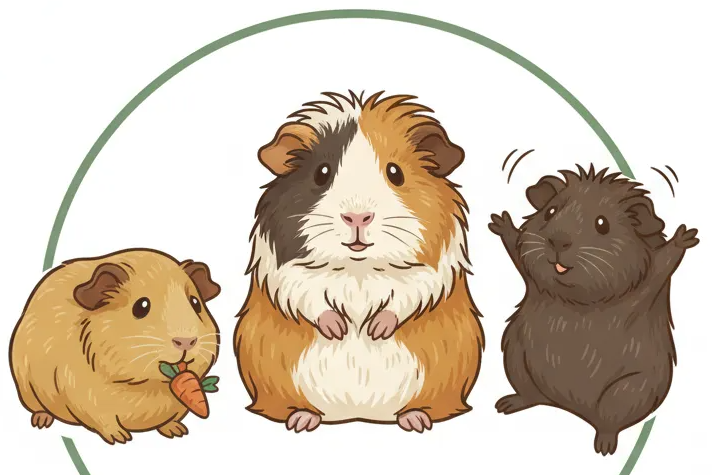
In this guide, I’ll walk you through safety concerns, potential health risks, safe alternatives, and what to do if your guinea pig accidentally eats some. Having cared for my own guinea pigs-Pepper, Clover, and Biscuit-for years, I’ve learned firsthand how to keep their diets both safe and exciting.
Understanding Cinnamon and Guinea Pig Safety
When I first considered giving my guinea pigs a tiny taste of cinnamon, I had to stop and research it thoroughly. Cinnamon contains a compound called coumarin, which is known to be toxic to small animals like guinea pigs and can cause serious liver damage. Their digestive systems are simply not built to process strong spices.
From my experience with Pepper, Clover, and Biscuit, even the enticing smell can cause them to sneeze or become irritated. Guinea pigs have very sensitive respiratory tracts, and the fine powder from cinnamon can easily become an irritant. It’s just not worth the risk for a momentary curiosity.
The Risks of Cinnamon for Small Pets
Feeding cinnamon to your guinea pig can lead to several immediate health issues. The primary danger is liver toxicity from coumarin, which can build up over time even with small, infrequent exposures. I’ve seen how even a minor dietary change can upset my herd’s stomachs. That’s why understanding which herbs are safe and unsafe for guinea pigs matters. When introducing any new herb, check safety first and feed in moderation.
Watch for symptoms like lethargy, loss of appetite, or digestive upset if you suspect ingestion. Guinea pigs are excellent at hiding illness, so any change in behavior warrants a closer look and potentially a vet visit. Recognizing signs of pain and illness in guinea pig behavior helps you act quickly. Look for subtle cues like increased hiding, decreased grooming, or changes in activity. Their small bodies process toxins much more intensely than larger animals.
Cassia Cinnamon vs. Other Varieties
While all cinnamon is unsafe, Cassia Cinnamon is the most common type found in grocery stores and is particularly high in coumarin. Cassia Cinnamon contains approximately 1% coumarin, making it the most dangerous variety for your pet. I always check my spice rack to ensure it’s stored safely away from curious noses.
Ceylon Cinnamon, sometimes called “true cinnamon,” has significantly lower coumarin levels. However, even Ceylon Cinnamon still contains enough coumarin to pose a risk to guinea pigs and should be completely avoided. There are no safe forms of this spice for our small companions.
- Cassia Cinnamon: High coumarin content (about 1%), commonly available, poses severe liver risk
- Ceylon Cinnamon: Lower coumarin content (about 0.04%), but still unsafe for guinea pig consumption
- All Forms: Whether powdered, sticks, or in baked goods, all cinnamon varieties remain hazardous
The bottom line remains clear regardless of cinnamon type. No variety of cinnamon is safe for guinea pigs, and it’s better to explore other treat options that won’t compromise their health. I stick to fresh herbs like cilantro or parsley that I know my trio enjoys safely. I avoid even mint despite it being a common herb for small animals.
What Happens If a Guinea Pig Eats Cinnamon?
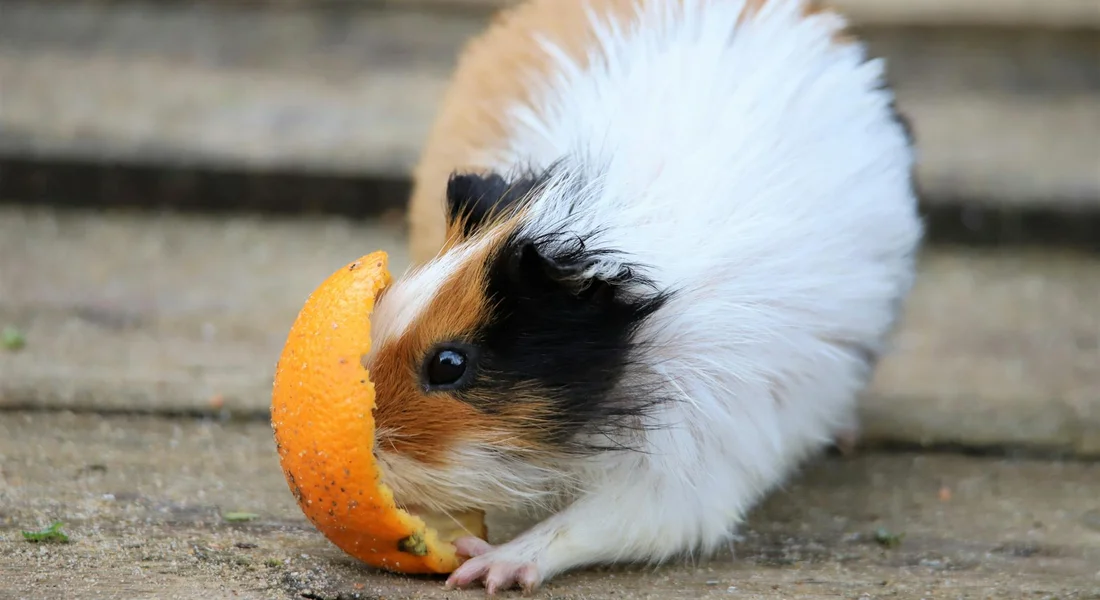
If your guinea pig manages to nibble on a bit of cinnamon, you might see some immediate and unpleasant reactions. Their digestive systems are simply not built to process strong spices, and the result is often mild to moderate stomach upset. I’ve seen my own guinea pig, Biscuit, get a bit gassy and uncomfortable after accidentally tasting a spice-dusted treat meant for me. In guinea pigs, gas, burps, or even vomiting can be signs of digestive distress, which makes understanding digestive facts and proper diet especially important. Being mindful of these digestive facts can help prevent discomfort and support a healthier gut.
When to Seek Veterinary Advice
While a tiny accidental lick might only cause minor grumpiness, you need to be watchful for more serious signs. You should contact your veterinarian immediately if you notice any of these symptoms after your guinea pig has ingested cinnamon.
- Lethargy or a noticeable lack of movement
- Signs of labored or wheezy breathing
- A swollen or bloated-looking abdomen
- A complete refusal to eat or drink
- Diarrhea or very soft droppings
From my experience, guinea pigs like gentle Pepper hide their discomfort well, so any obvious change in behavior is a red flag.
Safe Forms and Quantities of Cinnamon
Let’s be perfectly clear: there is no truly safe quantity of cinnamon for a guinea pig. The safest amount of cinnamon you can offer your guinea pig is absolutely none at all. Their bodies gain no nutritional benefit from it, and the risks far outweigh any potential, and unproven, rewards. These kinds of beliefs are common in the world of small pet diets. Understanding the myths about guinea pig diets could help you avoid unsafe choices for your pet.
Instead of looking for ways to include spices, focus on providing a constant supply of fresh timothy hay. High-quality hay should make up about 80% of their diet and is essential for their digestive health and dental wear. My trio, Pepper, Clover, and Biscuit, thrive on this simple, species-appropriate staple.
The Reality of Cinnamon Oil and Sensitivities
Cinnamon oil is an even greater concern than the powdered spice. Essential oils are highly concentrated and can be toxic, causing severe skin irritation or respiratory distress if inhaled. I am very careful to keep all such products far away from the room where my pets live and play.
Guinea pigs have incredibly sensitive respiratory systems. Exposure to the potent aroma of cinnamon oil can easily irritate their delicate lungs, leading to sneezing fits or more serious breathing issues. For their wellbeing, it’s best to create a fragrance-free environment for your small companions.
Why Human Foods Like Spices Are Problematic
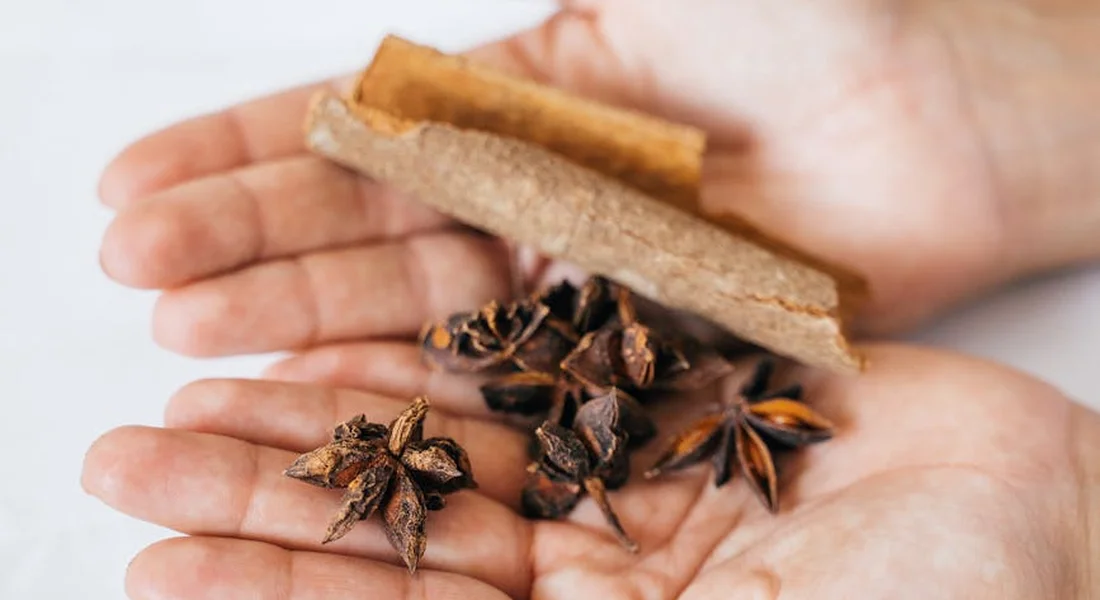
Your guinea pig’s digestive system is a finely tuned engine built for simple, fibrous foods, not the complex and potent compounds found in human spices. Cinnamon contains essential oils and cinnamaldehyde, which are far too harsh for a guinea pig’s delicate stomach lining and can cause significant irritation. My own guinea pig, Pepper, once sniffed a spice jar I’d opened and immediately started sneezing-a clear sign her system was rejecting even the airborne particles.
Spices can lead to a cascade of health problems that are entirely preventable. Ingesting even a tiny amount of cinnamon can cause mouth sores, digestive upset like diarrhea or bloating, and in severe cases, liver complications. I always watch my herd closely because something as small as a crumb from a spiced pastry could make them sick.
- Digestive Distress: Spices disrupt the sensitive gut flora essential for processing hay and veggies.
- Toxicity Risk: Concentrated plant compounds in spices are not meant for herbivores and can be toxic over time.
- Respiratory Issues: Fine powder from spices can be inhaled, leading to sneezing and respiratory discomfort.
Healthy and Safe Treat Alternatives
Focusing on fresh, single-ingredient foods is the safest way to show your guinea pigs you care. The best treats are those that mimic their natural diet while providing a fun, textural experience. I get so much joy from watching Clover carefully nibble a long strand of fresh cilantro—it’s a simple pleasure that keeps her happy and healthy. Knowing what foods are safe for them makes all the difference.
- Leafy Greens: Romaine lettuce, cilantro, and dandelion greens (washed thoroughly).
- Colorful Veggies: Bell pepper slices (any color, but remove seeds), a small cherry tomato, or a baby carrot.
- Occasional Fruits: A thin apple slice (no seeds) or a single blueberry once or twice a week.
Always introduce any new food in a tiny quantity to see how your pet reacts. A sudden change in diet is a common cause of digestive upset, so slow and steady wins the race. My cautious guinea pig, Biscuit, needs several introductions to a new vegetable before he decides it’s friend, not foe.
Creating Enrichment Without Spices
You don’t need exciting flavors to make your guinea pig’s life exciting. Enrichment is about engaging their natural instincts to forage, explore, and play. I’ve found that a simple paper bag stuffed with hay can provide more entertainment for my guinea pigs than any store-bought, flavored treat ever could.
Try these simple, spice-free ideas to keep your pets mentally stimulated.
- The Hay Stuffer: Roll a few favorite greens inside a cardboard tube and pack it full of timothy hay.
- Veggie Kabob: Skewer chunks of cucumber and bell pepper on a safe, untreated wooden stick and hang it in their cage.
- Foraging Box: Fill a shallow cardboard box with paper bedding and hide their daily veggie ration inside for them to find.
Rotating these activities prevents boredom and encourages natural behaviors. Watching your guinea pigs solve these simple puzzles provides wonderful insight into their unique personalities and intelligence.
FAQs
What is cinnamon used for in guinea pigs?
Cinnamon is not used for any beneficial purposes in guinea pig care due to its toxicity. It should be avoided entirely to prevent potential health risks like liver damage.
What is guinea pig cinnamon powder used for?
Guinea pig cinnamon powder is not recommended for any use, as it can be inhaled and irritate their respiratory system. Ingesting it may lead to digestive issues or more serious complications. This highlights a broader rule: avoid common harmful ingredients in any guinea pig diet, including pellets. When choosing pellets, opt for plain, high-quality formulas with no added spices, flavorings, or cinnamon.
Do guinea pigs react to the smell of cinnamon?
Yes, guinea pigs can react negatively to the smell of cinnamon, often showing signs like sneezing or respiratory discomfort. Their sensitive airways make strong scents like cinnamon a potential irritant.
Can cinnamon be used in guinea pig environments for any reason?
No, cinnamon should not be used in guinea pig environments, such as cages or play areas, due to the risk of inhalation or accidental ingestion. It is safer to rely on pet-safe alternatives for odor control or enrichment. Guinea pigs can eat chicory as part of a varied diet. Introduce any new greens slowly and in small amounts.
Is there any scenario where cinnamon is safe for guinea pigs?
No, there are no safe scenarios for using cinnamon around guinea pigs, as all forms pose health risks. Always choose approved foods and items to ensure your pet’s well-being. Safe flowers and other garden plants that are pesticide-free can be offered in moderation to guinea pigs. When in doubt, consult a vet or reliable guides before introducing any new plant.
Your Guinea Pig’s Health Comes First
Ultimately, you should never feed your guinea pig cinnamon, as it can cause serious digestive upset and mouth irritation. Herbs like cilantro as a safe treat can be a safe, occasional treat in small amounts. Offer cilantro as part of a varied, fresh-vegetable mix. Stick to their core diet of fresh hay, high-quality pellets, and safe vegetables to keep them happy and healthy.
Being a responsible pet owner means always double-checking which foods are safe and choosing natural, eco-friendly options for their habitat and diet. Your dedication to learning and providing the best care makes all the difference in your guinea pig’s vibrant life.
Further Reading & Sources
- r/guineapigs on Reddit: Is cinnamon safe around Guineas?
- Treats – Can they chew on cinnamon sticks? – Guinea Pig Cages
- Can Guinea Pigs Eat Cinnamon?
- Piggies and Cinnamon | The Guinea Pig Forum
Kate is a passionate guinea pig owner and advocate for small pet welfare. With over a decade of experience caring for guinea pigs, she has become a trusted voice in the small pet community.
Uncategorized