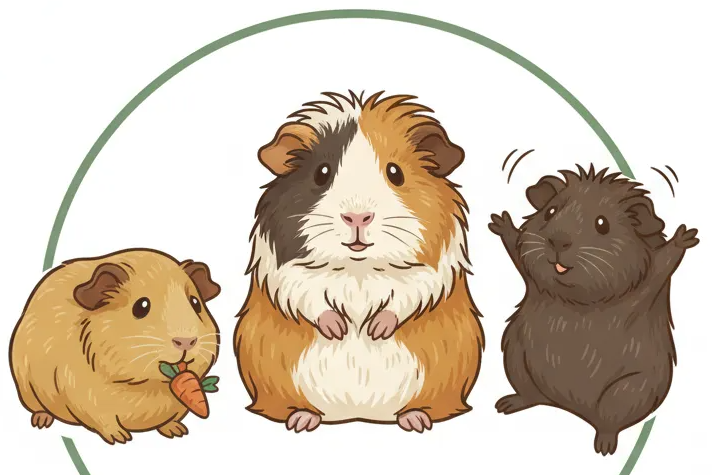
Can Guinea Pigs Eat Fresh Pumpkin?
Hello CavyFam! Are you wondering if fresh pumpkin is a safe treat for your guinea pig? You might be worried about potential digestive upsets or allergic reactions.
I’ll walk you through key areas like safety guidelines, health benefits, preparation methods, and common pitfalls to avoid. Having raised guinea pigs like Pepper, Clover, and Biscuit for years, I share advice grounded in real-life care.
Is Fresh Pumpkin Safe for Guinea Pigs?
Yes, fresh pumpkin is perfectly safe for guinea pigs when given properly. I’ve fed small amounts to my own guinea pigs, Pepper and Clover, during autumn months without any issues. The key is moderation and preparation. Always choose plain, raw pumpkin without any added sugars, spices, or cooking oils.
Remove all seeds and stringy pulp before serving. Pumpkin seeds can pose a choking hazard and are difficult for guinea pigs to digest. Stick to the firm, orange flesh for a safe and enjoyable treat.
Nutritional Benefits of Pumpkin for Guinea Pigs
Pumpkin offers a wonderful mix of vitamins and fiber that supports your guinea pig’s health. Including pumpkin as an occasional treat can add variety and important nutrients to their diet. Thinking about the foods guinea pigs have in their diet helps keep them healthy. In addition to pumpkin, safe staples include fresh greens and hay. My guinea pig Biscuit, who’s usually reserved, always perks up for a tiny piece of fresh pumpkin.
Vitamin A and Essential Nutrients
Pumpkin is packed with Vitamin A, which is vital for good vision, a healthy immune system, and smooth skin. Vitamin A helps keep your guinea pig’s eyes bright and their coat looking sleek. It also contains Vitamin C, though not in huge amounts, so pumpkin should complement other high-C foods like bell peppers.
- Vitamin A supports eye and skin health
- Contains some Vitamin C for immune function
- Provides potassium for muscle and nerve health
- Includes antioxidants that help fight cell damage
Dietary Fiber and Digestive Support
The high fiber content in pumpkin aids your guinea pig’s digestion. Fiber helps maintain healthy gut motility, which can prevent issues like constipation. I’ve noticed that a small pumpkin treat seems to keep my guinea pigs’ digestive systems running smoothly.
- Dietary fiber promotes regular digestion
- Can help prevent constipation when fed occasionally
- Supports a healthy balance of gut bacteria
- Adds beneficial moisture to their diet
How to Feed Pumpkin: Portion Control and Frequency
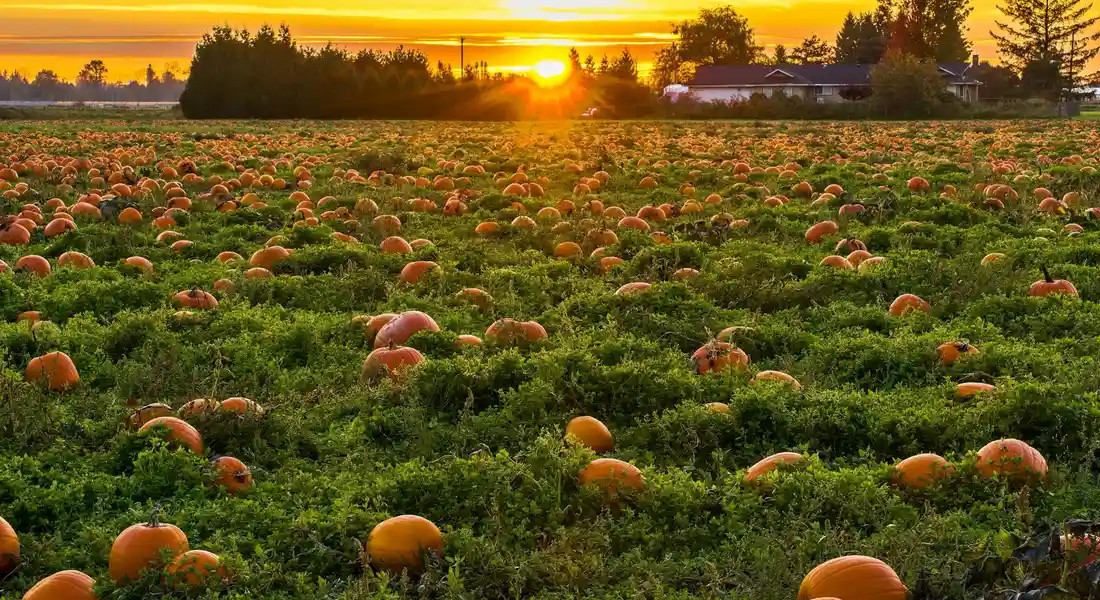
Getting the portion size right (more on that here) is the most critical step in safely introducing pumpkin to your guinea pig’s diet. I always start with a tiny piece, no larger than a thumbnail, about once a week to see how their sensitive digestive systems react.
Think of pumpkin as a special weekend treat, not a daily vegetable. I learned this the hard way when I gave my guinea pig, Biscuit, a slightly too-large piece and spent the next day cleaning up a messy cage.
Here is a simple guide I follow with my own herd:
- Frequency: Offer pumpkin only 1 to 2 times per week at most.
- Portion Size: One or two small, bite-sized cubes per pig is plenty.
- Observation: Always monitor their droppings afterward for any signs of softness.
This careful approach prevents digestive upset and keeps pumpkin a happy, healthy novelty in their menu rotation.
Preparing Pumpkin: Safe Parts and What to Avoid
Proper preparation is non-negotiable for your pet’s safety. Taking a few extra minutes in the kitchen ensures your guinea pig enjoys their treat without any hidden risks. I always wash and prepare fresh pumpkin on a clean cutting board I reserve just for my pets’ food. When you prepare vegetables for guinea pigs, the same care applies—wash, trim, and cut into bite-sized pieces with no seasoning. This careful prep keeps greens safe and easy to portion as daily treats.
Pumpkin Flesh: The Ideal Choice
The soft, orange inner part of the pumpkin is the only section you should be feeding. This bright flesh is packed with fiber and vitamin A, making it a nutritious and hydrating snack.
My guinea pig, Clover, is particularly fond of the texture. I prepare it using these simple steps:
- Thoroughly wash the pumpkin’s exterior to remove any dirt or potential chemicals.
- Carefully cut the pumpkin open and remove all the stringy pulp and seeds from the center cavity.
- Slice a small piece of the pure orange flesh and cut it into tiny, manageable cubes.
This method gives them all the benefits without any of the dangerous parts.
Risks of Pumpkin Skin and Seeds
You must be vigilant about what you leave out of their dish. The tough outer skin and the inner seeds pose significant choking hazards and digestive blockages for small animals.
I never feed the skin or seeds to my guinea pigs after a scare with Pepper, who tried to nibble on a stray seed and started coughing. There are 10 common foraging mistakes that could poison your guinea pig. Here’s what to avoid:
- Pumpkin Skin: It is far too tough for them to chew and digest properly.
- Pumpkin Seeds: These are a major choking risk and can cause intestinal impaction.
- Stringy Pulp: This fibrous material can easily tangle in their teeth or throat.
Sticking solely to the soft, cooked or raw flesh is the safest way to share this autumn vegetable with your furry friends.
Health Impacts and Potential Risks
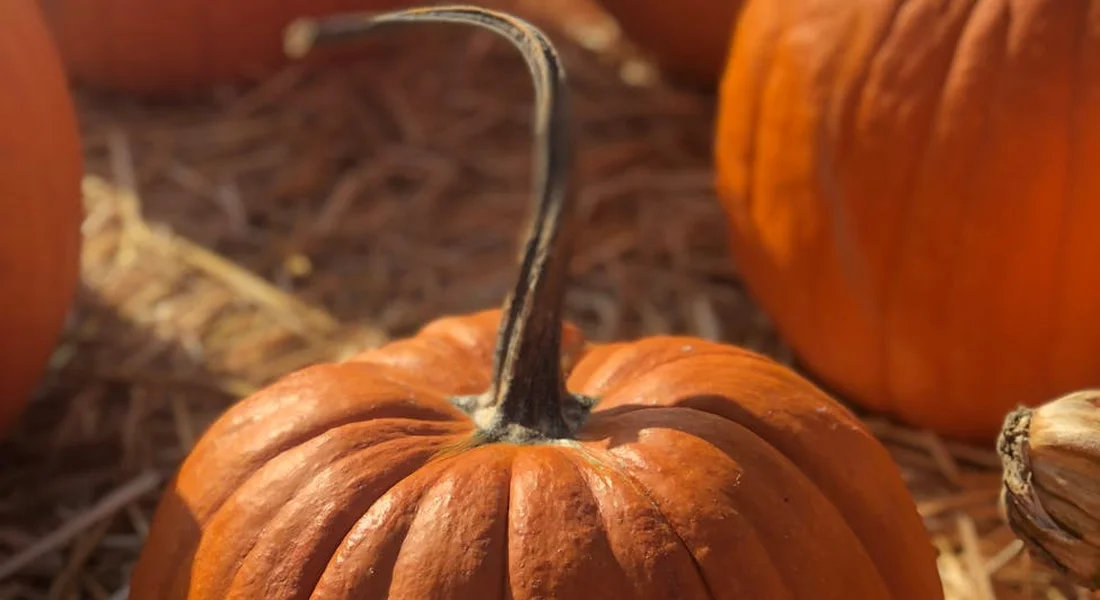
Feeding pumpkin to your guinea pig is generally safe, but like any treat, moderation is the golden rule. I learned this the hard way when my guinea pig, Biscuit, had a bit of a digestive upset after I got a little too enthusiastic with his first pumpkin portion. Their sensitive digestive systems can’t handle large amounts of new food all at once. Guinea pigs can also eat butternut squash safely in small amounts, peeled and seeds removed. As with pumpkin, introduce it gradually to avoid digestive upset.
Benefits of a Little Pumpkin
When given correctly, pumpkin offers some nice health perks.
- Digestive Aid: The high fiber and water content can help keep things moving smoothly, which is vital for gut health.
- Vision and Immunity: Pumpkin is packed with Vitamin A, which supports good eyesight and a strong immune system.
- Hydration Boost: Its high water content is a great way to supplement their water intake, especially on warmer days.
Understanding the Risks
Ignoring the risks can lead to an unhappy cavy and a stressful vet visit.
- Digestive Upset: Too much pumpkin can cause soft stools or diarrhea due to its high water and sugar content.
- Weight Gain: While not extremely high in calories, the natural sugars can contribute to weight gain if fed too frequently.
- Nutritional Imbalance: Pumpkin should never replace their core diet of high-quality hay and guinea pig pellets. My steady boy, Pepper, will always choose a tasty treat over his timothy hay if given the chance, so I have to be the responsible one.
Special Considerations and Practical Tips
Putting this knowledge into practice is simple with a few easy-to-follow steps.
How to Prepare Pumpkin Safely
Proper preparation makes all the difference for their safety and enjoyment.
- Wash Thoroughly: Always rinse the pumpkin’s skin under cool water to remove any dirt or potential pesticides.
- Remove Seeds and Skin: The seeds can be a choking hazard and the skin is tough for them to digest. I always peel a small section and scoop out all the stringy pulp and seeds before offering it to Clover.
- Cut into Small Pieces: Chop the fresh pumpkin flesh into small, bite-sized cubes to make it easy for your guinea pig to eat.
Serving Size and Frequency
Getting the portion right is the key to a happy, healthy treat time.
- Portion Control: A single, one-inch cube of fresh pumpkin is a perfect serving for one guinea pig.
- Treat Schedule: Offer pumpkin as a special treat no more than once or twice a week. This prevents it from disrupting their balanced diet.
- Observe Your Pet: Always watch how your guinea pig reacts after trying pumpkin for the first time. If you notice any changes in their droppings or behavior, stop feeding it and consult your vet.
Pro Tips from My Experience
Here are a few extra things I’ve picked up from caring for my own herd.
- Mix a tiny piece of pumpkin with their regular leafy greens to encourage them to try new vegetables.
- Never feed canned pumpkin pie mix, as it contains added sugars and spices that are harmful to guinea pigs.
- If you have a picky eater like my Biscuit, sometimes offering the pumpkin on a spoon can pique their curiosity and lead to a successful tasting.
FAQs
Can pumpkin interact with any medications for guinea pigs?
Pumpkin is not known to interact with common guinea pig medications, but it’s always best to consult a vet for specific cases. Monitor your pet for any unusual reactions when introducing new foods alongside their medication. Many guinea pigs have favorite treats, and pumpkin can be one of them when offered in moderation.
Is pumpkin suitable for pregnant guinea pigs?
Yes, pumpkin can be safely given to pregnant guinea pigs in small, occasional portions as a treat. Ensure it’s fresh and properly prepared to support their increased nutritional needs without causing digestive upset. In addition to pumpkin, you can offer safe greens and a few edible flowers for guinea pigs in rotation (such as dandelion greens and calendula petals). Always verify that a plant is non-toxic before introducing it to your pet.
How should I store leftover pumpkin for my guinea pig?
Store leftover fresh pumpkin in an airtight container in the refrigerator for up to 3-4 days. Always inspect it for mold or spoilage before serving to keep your guinea pig safe from potential health risks. Similarly, properly store guinea pig pellets in an airtight container in a cool, dry place to maintain freshness. Avoid moisture and heat, and use pellets before their expiration date.
Final Thoughts on Pumpkin for Your Guinea Pig
Feed fresh pumpkin as a tasty, occasional treat, making sure to remove all seeds and offer only the soft flesh. This adds variety and important nutrients like vitamin A to their diet without upsetting their sensitive digestion.
Always research new foods and observe your pet’s reaction to keep them happy and healthy. Caring for your guinea pig is a rewarding journey that benefits from learning and making eco-friendly choices, like composting their veggie scraps. For proper guinea pig care, provide a clean cage, constant access to fresh water, and plenty of hay. Regularly monitor their health and behavior to catch issues early.
Further Reading & Sources
- Can guinea pigs eat pumpkin? – GuineaDad
- Can Guinea Pigs Eat Pumpkins?
- Can Guinea Pigs Eat Pumpkin? Vet-Approved Nutritional Science & Info | Hepper Pet Resources
- can guinea pigs eat pumpkin seeds – Hutch A Good Life
Kate is a passionate guinea pig owner and advocate for small pet welfare. With over a decade of experience caring for guinea pigs, she has become a trusted voice in the small pet community.
Uncategorized