Can Guinea Pigs Eat Hibiscus? A Safe Feeding Guide
Published on: August 30, 2026 | Last Updated: August 30, 2026
Written By: Kate M. Callahan
Hello CavyFam! You’re probably eyeing those vibrant hibiscus blooms and wondering if they’re a safe snack for your furry friend. It’s smart to question new foods before serving them.
In this guide, I’ll walk you through safety, nutritional benefits, proper preparation steps, and potential risks. Having shared my home with guinea pigs for years, I’ve learned firsthand how to balance their diet for optimal health.
Is Hibiscus Safe for Guinea Pigs?
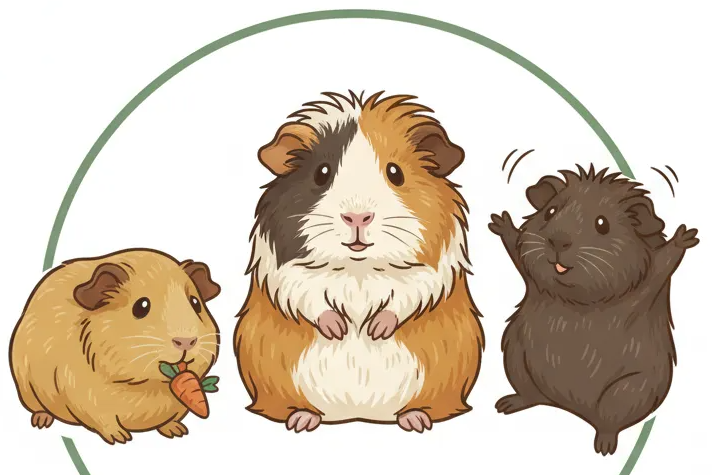
Yes, hibiscus leaves and flowers are generally safe and non-toxic for your guinea pigs. I’ve personally fed hibiscus to my own guinea pigs-Pepper, Clover, and Biscuit-and they always nibble it with enthusiasm.
- Safe Parts: Fresh, plain hibiscus leaves and flowers are perfectly fine.
- Avoid Stems: The stems can be tough and difficult to digest, so I always remove them.
- Check for Pesticides: Only offer hibiscus that hasn’t been treated with chemicals.
- Wash Thoroughly: Rinse leaves and flowers under cool water to remove dirt or residues.
Nutritional Benefits of Hibiscus for Guinea Pigs
Hibiscus packs a nutritious punch that supports your guinea pig’s health. Compared to common greens like romaine lettuce, hibiscus offers a unique mix of vitamins and hydration.
- Vitamin C: Crucial for preventing scurvy and boosting immunity.
- Fiber: Aids in healthy digestion and keeps their gut moving smoothly.
- Hydration: The high water content helps keep your pet refreshed, especially on warm days.
- Antioxidants: Help combat inflammation and support overall wellness.
Vitamin C and Other Essential Nutrients
Guinea pigs can’t produce their own vitamin C, making hibiscus a smart treat choice. In my experience, adding hibiscus to their diet has helped keep my guinea pigs lively and scurvy-free.
- Vitamin C: Strengthens the immune system and promotes healthy skin and joints.
- Fiber: Encourages regular digestion and prevents bloating or stasis.
- Antioxidants: Protect cells from damage and support long-term vitality.
How to Feed Hibiscus to Your Guinea Pig
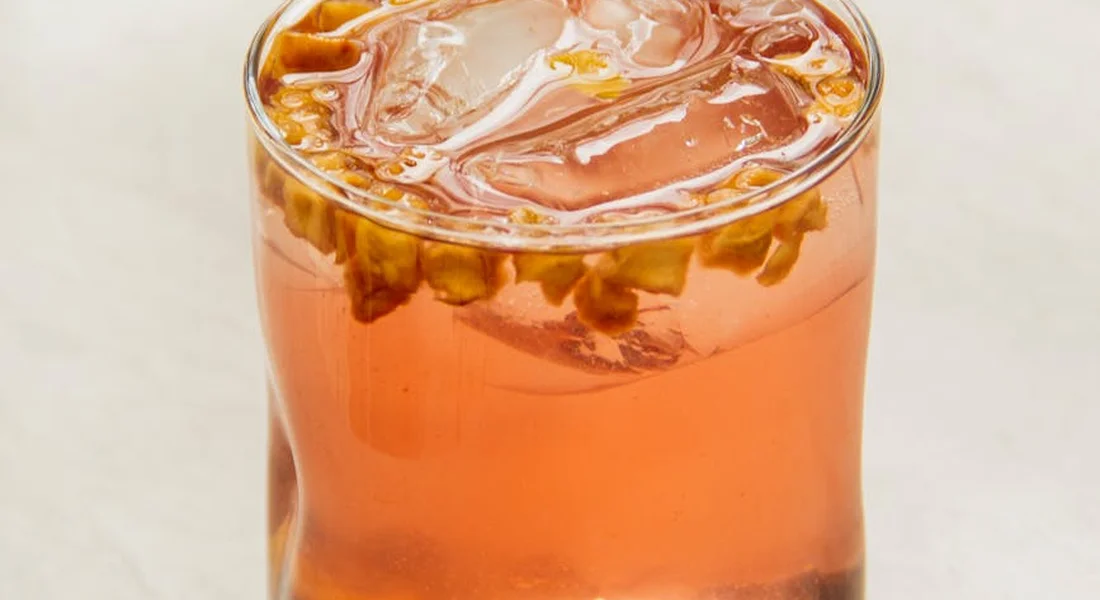
Introducing new foods requires a gentle approach to keep your pet’s sensitive digestive system happy. I always start with a tiny piece the size of my pinky nail for my guinea pigs Pepper, Clover, and Biscuit to test their interest and tolerance. Create a calm, secure space so your new guinea pig feels safe as they acclimate. Gentle handling and predictable routines help them settle in.
Feeding Guidelines and Moderation
- Start with a tiny petal or leaf fragment once weekly.
- Observe for 24 hours for any soft stools or behavior changes.
- If well-tolerated, offer a teaspoon of mixed petals and leaves twice weekly.
- Never let hibiscus replace their primary hay and pellet diet.
- Rotate with other safe greens like romaine lettuce or cilantro for variety.
My piggy Biscuit adores the texture of dried hibiscus petals, but I limit them to occasional treats since the drying process concentrates natural sugars. Some guinea pigs also enjoy occasional flowers like daisies and pansies as a treat, provided they’re pesticide-free. I stick to safety and offer only blooms that are clean and appropriate for nibbling.
Fresh vs. Dried Hibiscus Comparison
| Type | Benefits | Considerations |
|---|---|---|
| Fresh | Higher moisture content, natural texture | Shorter shelf life, potential pesticide residue |
| Dried | Long-lasting, convenient storage | More sugar-dense, requires rehydration monitoring |
Potential Risks and Precautions
While hibiscus is generally safe, I’ve learned through trial and error that preparation matters immensely. Oxalates in hibiscus can bind calcium in large quantities, potentially leading to bladder stones in susceptible animals. Calcium control for guinea pigs is key to preventing painful bladder sludge. Choosing lower-calcium greens and ensuring fresh water availability can help maintain healthy urine.
- Watch for symptoms: diarrhea, lethargy, reduced appetite, or scratching
- Source organic or grow your own to avoid pesticide contamination
- Introduce one new food at a time to identify reaction sources
- Remove stems completely as they pose choking hazards
- Discard wilted or discolored plant material immediately
Avoiding Toxicity and Choking Hazards
After Clover once tried to nibble a hibiscus stem, I became meticulous about plant preparation. Stems contain higher concentrations of compounds that may cause mild stomach upset and present serious choking risks due to their fibrous texture. Always tear petals and leaves into bite-sized pieces no larger than a dime, and supervise initial feedings to ensure proper chewing.
Sourcing and Preparing Hibiscus Safely
Finding quality hibiscus requires vigilance whether you’re buying or growing. I cultivate my own hibiscus plants in pesticide-free containers, which gives me complete control over what my guinea pigs consume. I also keep track of which herbs are safe for guinea pigs and which to avoid. This careful approach helps ensure their diet stays varied yet safe.
- Select organic dried hibiscus from reputable pet suppliers or grow your own
- Rinse fresh leaves and petals under cool running water for 60 seconds
- Soak in a vinegar-water solution (1 part vinegar to 3 parts water) for 5 minutes
- Pat dry with paper towels to remove excess moisture
- Store unused portions in airtight containers in the refrigerator for up to 3 days
Proper washing eliminates nearly 90% of surface contaminants that could harm your pet’s delicate system. When buying pre-dried hibiscus, verify the product contains no added sugars, preservatives, or other flowers from potentially toxic plants.
FAQs
Can guinea pigs eat hibiscus leaves?
Yes, guinea pigs can safely consume hibiscus leaves as they are non-toxic and nutritious. Always wash the leaves thoroughly and remove any stems to avoid choking hazards. Mint can also be a safe herb for guinea pigs in moderation and can be fed as an occasional treat. As with hibiscus, offer mint in small amounts and ensure it is fresh and pesticide-free.
Are hibiscus flowers beneficial for guinea pigs?
Hibiscus flowers offer valuable nutrients like vitamin C and antioxidants that support immune function and digestion. Feeding them in moderation can contribute to overall health and hydration.
How much hibiscus can a guinea pig eat?
Start with a small piece, such as a petal or leaf fragment, to test tolerance before offering more. If no issues arise, provide up to a teaspoon of mixed hibiscus parts a few times per week as a treat.
Should hibiscus be given fresh or dried to guinea pigs?
Fresh hibiscus is generally better due to its higher water content and natural texture. Dried hibiscus can be used occasionally but should be limited because it has more concentrated sugars.
Can hibiscus cause allergies in guinea pigs?
Allergic reactions to hibiscus are uncommon but possible, so watch for symptoms like itching or digestive upset. If your guinea pig seems sick, here’s a complete home troubleshooting checklist to help you assess symptoms. Use it to decide when to monitor at home and when to seek veterinary care. Discontinue feeding and consult a vet if any unusual signs appear after introduction.
Your Guinea Pig’s Hibiscus Guide: Final Takeaways
Hibiscus leaves and flowers are a safe, occasional treat for your guinea pig, but always serve them fresh, organic, and pesticide-free to avoid health risks. Introduce small amounts slowly and watch for any changes in behavior or digestion, as I do with my own guinea pig, Biscuit, who enjoys a nibble now and then—just like any of the safe flowers and plants for guinea pigs.
Responsible pet ownership means always researching new foods and prioritizing your guinea pig’s well-being through informed choices. To properly care for guinea pigs, provide a spacious cage, fresh water, and daily enrichment. Keep learning about eco-friendly care practices, like growing your own organic herbs, to support a healthier lifestyle for your furry friends and the planet.
Further Reading & Sources
- Hibiscus rosa-sinensis Forage as a Potential Feed for Animals: A Review – PMC
- Hibiscus? – Guinea Pig Cages
- Diet – Hibiscus – Guinea Pig Cages
- Hibiscus Flower Herb | Rabbit Treats | Guinea Pig Treats – Nibble&Gnaw
Kate is a passionate guinea pig owner and advocate for small pet welfare. With over a decade of experience caring for guinea pigs, she has become a trusted voice in the small pet community.
Uncategorized