Can Guinea Pigs Eat Strawberry Tops?
Published on: October 3, 2026 | Last Updated: October 3, 2026
Written By: Kate M. Callahan
Hello CavyFam! If you’ve ever wondered whether those green strawberry tops are a safe treat for your guinea pigs, you’re not alone in your curiosity. Many owners worry about potential digestive issues or toxicity when introducing new foods.
In this guide, I’ll cover key areas to give you peace of mind:
- Safety and potential risks of strawberry tops
- Nutritional benefits for guinea pig health
- Step-by-step preparation and serving tips
- Ideal serving sizes and frequency
- Signs of allergies or discomfort to watch for
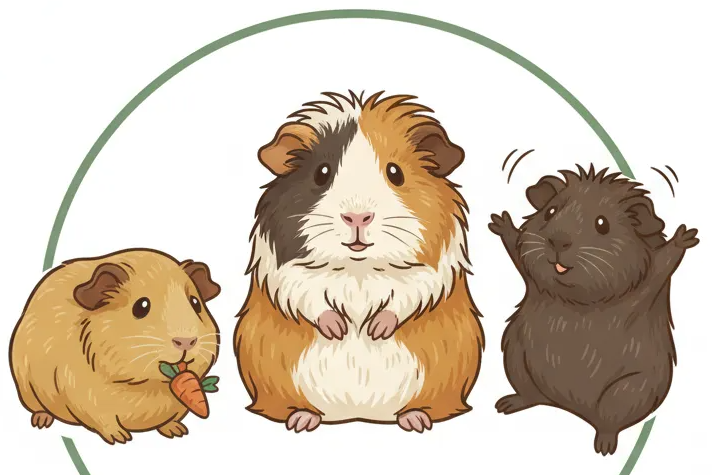
With years of hands-on experience caring for my guinea pigs Pepper, Clover, and Biscuit, I’ve learned what keeps them happy and healthy.
Understanding Strawberry Tops and Their Safety
You can absolutely offer strawberry tops to your guinea pig, including the green leafy stem and hull. I’ve personally given these to my guinea pigs, Pepper, Clover, and Biscuit, for years without any issues, and they always nibble them with gusto. The key is ensuring they are fresh, thoroughly washed, and free from any pesticides or chemicals.
Think of strawberry tops as a healthy garnish, not a main course. Strawberry tops are safe for guinea pigs, but they should only be a small, occasional treat alongside their regular diet of hay and pellets. Overfeeding any fruit, including the leaves, can lead to digestive upset or weight gain due to the natural sugars.
Always wash the strawberry tops under cool, running water just as carefully as you would the berry itself. Proper washing is non-negotiable to remove any potential pesticide residue or dirt that could harm your pet’s sensitive digestive system. I make it a habit to buy organic strawberries for my trio whenever possible to further minimize any risks.
Nutritional Benefits of Strawberry Tops for Guinea Pigs
While the sweet red berry gets all the attention, the leafy top offers its own unique set of nutritional perks. Strawberry tops are a surprising source of Vitamin C, which is an essential nutrient that guinea pigs cannot produce on their own. A deficiency can lead to serious health problems like scurvy, so every little bit from safe sources helps.
Beyond Vitamin C, the green leaves provide valuable fiber and hydration. The fibrous content in the leaves can support healthy digestion and help keep your guinea pig’s gastrointestinal system moving smoothly. My guinea pig Biscuit, in particular, seems to enjoy the different texture compared to his usual timothy hay.
Let’s break down the key benefits:
- Vitamin C Boost: Supports a healthy immune system and prevents scurvy.
- Dietary Fiber: Aids in digestion and promotes gut health.
- Hydration: The leaves have a high water content, contributing to overall fluid intake.
- Environmental Enrichment: Provides a new texture and flavor, stimulating your pet’s senses.
Offering a varied diet with different textures and nutrients, like those found in strawberry tops, contributes to a happier and more engaged guinea pig.
How to Properly Prepare Strawberry Tops
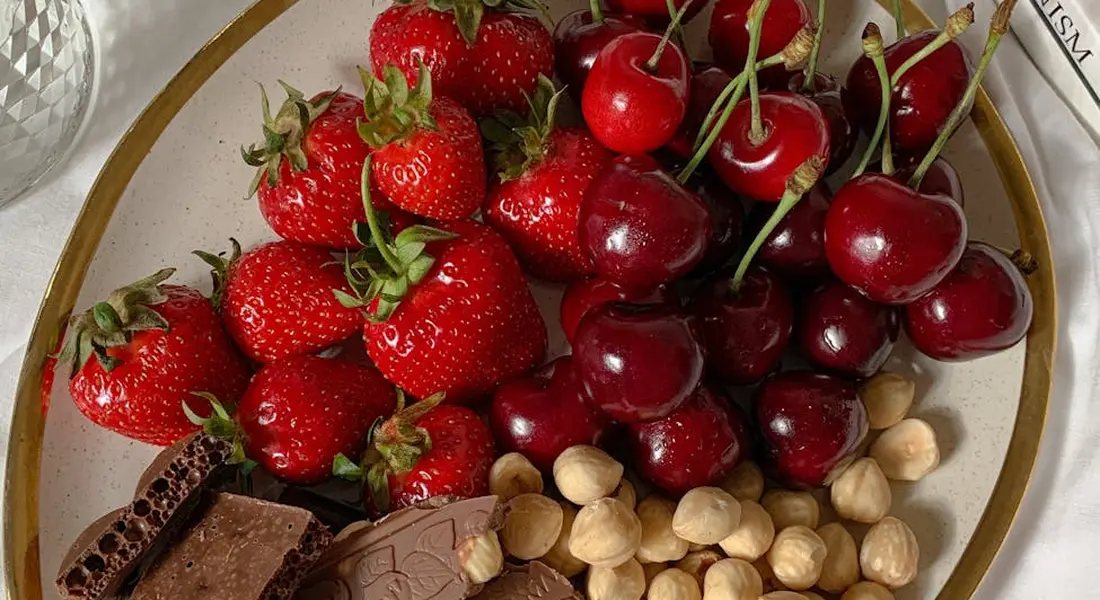
Start by selecting fresh, organic strawberries to minimize pesticide exposure, which I always do for Pepper, Clover, and Biscuit. Thoroughly rinse the tops under cool running water to remove any dirt or residues that could harm your guinea pig. Pat them dry with a clean cloth or paper towel to prevent excess moisture, which can lead to mold in their habitat. These same prep steps apply to preparing vegetables for guinea pigs. Wash thoroughly, trim any tough ends, and cut into bite-sized pieces so they can munch safely.
Trim away any wilted or discolored leaves, as these might be less palatable or safe. I often chop the tops into smaller pieces to make it easier for my guinea pigs to eat, especially for younger ones like Biscuit who are still learning. Serve them immediately after preparation to ensure freshness and maximum nutritional benefit.
Serving Size and Frequency Guidelines
Strawberry tops should be an occasional treat, not a staple in their diet. Offer a small portion, about one to two tops per guinea pig, once or twice a week to avoid digestive upset. I’ve noticed that Clover, with her thoughtful nature, enjoys this as a special snack, but overdoing it can lead to health issues.
Monitor how your guinea pig reacts initially. Adjust servings based on their size and activity level-smaller or less active pigs might need even less. Hay is the backbone of a guinea pig’s diet, providing the fiber needed for digestion and helping keep teeth worn down. Always pair this treat with their regular hay and pellets to maintain a balanced diet.
Potential Risks and What to Watch For
Pesticides on non-organic strawberries pose a real risk, so I stick to organic options for my herd. Watch for signs of allergies or digestive problems, such as diarrhea or lethargy, and stop feeding strawberry tops if these occur. Choking is rare but possible if pieces are too large, so always cut them appropriately.
Overfeeding can cause weight gain or nutrient imbalances. I learned this the hard way when Pepper had a mild stomach issue, so now I keep treats minimal and varied. If you notice any unusual behavior, consult a vet promptly to ensure your guinea pig’s well-being.
Safe Alternatives to Strawberry Tops
While strawberry tops can be a fun, occasional nibble, a guinea pig’s diet thrives on variety. I always keep my fridge stocked with a rotating selection of fresh, safe greens for guinea pigs and vegetables to keep my herd excited and healthy. Safe vegetables and greens are the foundation of a guinea pig diet, supplying fiber and vitamin C. I rotate trusted, guinea-pig-safe options to support digestion and overall health. This prevents them from getting bored and ensures they get a wide range of vitamins and minerals.
Excellent Daily Greens
These leafy greens form the cornerstone of a healthy guinea pig diet and can be offered daily in a small handful per pig. It’s important to know how many vegetables guinea pigs should eat daily.
- Romaine Lettuce
- Green Leaf Lettuce
- Red Leaf Lettuce
- Cilantro
Nutrient-Packed Veggies for Rotation
Mix these into their meals a few times a week for added nutritional benefits. My guinea pig, Biscuit, gets especially curious when he hears the crinkle of a bell pepper being sliced.
- Bell Peppers (all colors, seeds removed)
- Cucumber slices
- Zucchini
- Carrot tops (a huge favorite in my cage!)
Herbs for Flavor and Enrichment
A small sprig of a fresh herb makes a wonderful, aromatic treat. Introducing new herbs slowly allows you to monitor your pet’s unique reaction, just like I did with my graceful Clover.
- Parsley (in moderation due to calcium)
- Dill
- Mint
- Basil
Integrating Strawberry Tops into a Balanced Diet
Think of strawberry tops not as a food, but as a special event. Treats, including fruit and its leafy parts, should never make up more than 10% of your guinea pig’s total daily vegetable intake. This small percentage helps prevent digestive upset and weight gain. Some fruits and vegetables can be toxic to guinea pigs, so always verify safety before offering them. When in doubt, consult a vet or reliable care guide.
A Simple Step-by-Step Guide
Follow these steps to safely share this treat with your furry friends.
- Wash Thoroughly: Rinse the strawberry tops under cool running water to remove any dirt or pesticide residue. I am very diligent about this to protect my pets.
- Portion Control: Offer one small, washed strawberry top per guinea pig, no more than once or twice a week.
- Observe Closely: Watch how your pet reacts. My steady Pepper will munch it calmly, while others might be more tentative.
- Remove Uneaten Parts: Clear any leftover tops from the cage within a few hours to prevent spoilage.
Creating a Balanced Meal Plan
Here is a sample feeding idea that shows how a strawberry top can fit into a larger, nutritious meal.
- Base: A large handful of romaine lettuce.
- Main Veggies: Two thin slices of bell pepper and a few sprigs of cilantro.
- The “Treat”: One small strawberry top, placed on top as a special surprise.
This method ensures your guinea pig fills up on their staple greens first before enjoying their special, sugary snack. It’s a strategy that has worked beautifully with my own intelligent but reserved Biscuit, encouraging him to try new things without disrupting his core diet. For collard greens specifically, you can include them safely as part of that staple mix—rinse well, chop, and offer in moderation to keep calcium intake balanced. When introducing collard greens, monitor how your pig responds and avoid large portions to prevent digestive upset.
FAQs
What are safe toys for guinea pigs?
Safe toys include chew toys made from untreated wood or hay to help trim their teeth. They also enjoy tunnels and hideouts for mental stimulation and exercise.
Can I make DIY toys for my guinea pig?
Yes, you can create simple DIY toys using cardboard tubes or paper bags for hiding and chewing. Always ensure materials are non-toxic and free from small parts to prevent choking hazards.
What types of toys are best for a guinea pig’s cage?
Toys like tunnels, hideouts, and chew blocks are ideal for cage enrichment to reduce boredom. Rotate toys regularly to keep your guinea pig engaged and active. Consider making simple homemade toys and treats at home to tailor enrichment for your guinea pig. DIY options like hay-filled cardboard tubes or safe, untreated wood blocks can add variety and keep playtime interesting.
What should I do if my guinea pig’s top teeth fall out?
Consult a veterinarian immediately, as tooth loss can indicate underlying health issues or malnutrition. Provide soft, easy-to-eat foods like mashed vegetables until professional care is received.
How should I care for my guinea pig’s toes?
Regularly inspect and trim your guinea pig’s nails to prevent overgrowth and discomfort. Check for signs of injury or infection, such as swelling, and keep their living area clean to avoid issues. To trim safely and avoid injury, cut only the tip of the nail and avoid the quick. If you’re unsure, ask a vet or a grooming professional to show you proper technique.
Your Strawberry Tops Guide
Strawberry tops are a safe, occasional treat for your guinea pig that provide a fun texture and some extra fiber. Always wash them thoroughly and serve in small amounts to prevent any digestive upset, especially when compared to freeze-dried or frozen strawberries.
Being a great pet owner means always learning more about what keeps your little friend healthy and happy. Using safe food scraps like strawberry tops is a wonderful way to reduce waste and enrich your guinea pig’s diet thoughtfully.
Further Reading & Sources
- r/guineapigs on Reddit: Can I feed my pigs the tops of these strawberries?
- Can Guinea Pigs Eat Strawberries? – GuineaDad
- Can Guinea Pigs Eat Strawberries? | Chewy
- Can Guinea Pigs Eat Strawberries, Strawberry Tops & Leaves?
Kate is a passionate guinea pig owner and advocate for small pet welfare. With over a decade of experience caring for guinea pigs, she has become a trusted voice in the small pet community.
Uncategorized