Can Guinea Pigs Eat Pineapple Skin and Leaves?
Published on: September 17, 2026 | Last Updated: September 17, 2026
Written By: Kate M. Callahan
Hello, CavyFam! You might be eyeing that leftover pineapple and wondering if the rough skin and spiky leaves are a safe snack for your furry friend. It’s smart to question every new food, because their tiny tummies are so sensitive.
In this guide, I’ll walk you through safety guidelines, potential health benefits, proper preparation steps, risks to watch for, and safer alternative treats. Having raised my own guinea pigs-Pepper, Clover, and Biscuit-for years, I’ve learned firsthand how to keep their diets both exciting and safe.
Understanding Pineapple Parts for Guinea Pig Diets
When I first considered giving my guinea pigs pineapple, I had to figure out which parts were truly safe. Not every part of this tropical fruit is suitable for your little friend’s sensitive digestive system. Their bodies process food differently from ours, so careful selection is key.
The Sweet Flesh: A Tasty Treat
The soft, juicy yellow part is the only part I serve regularly. This sweet flesh provides hydration and vitamins but must be given in tiny, controlled amounts. I typically offer a one-inch cube to my trio-Pepper, Clover, and Biscuit-no more than twice a week.
The Tough Outer Skin: Handle with Caution
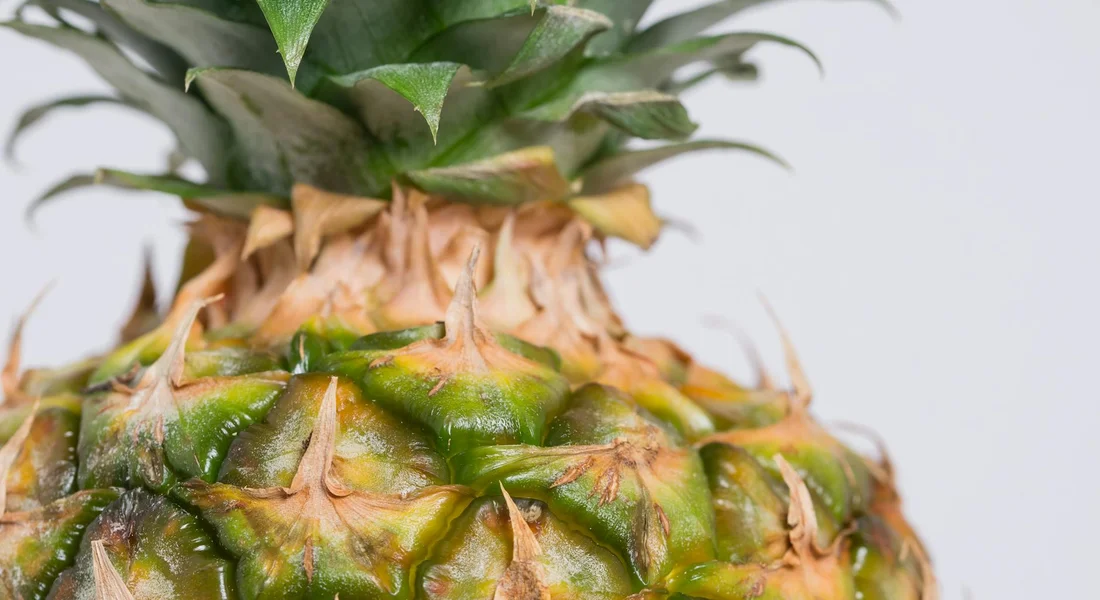
Pineapple skin has a rough, textured surface that can be hard on delicate mouths. While not toxic, the skin’s tough fibers pose a choking hazard and are difficult for guinea pigs to digest properly. I tried a small piece once, but my pigs struggled to chew it, so I don’t recommend it. For a complete, safety-focused guide on what to chew, see the Guinea Pigs Chew Safely Complete Guide. It explains safe textures and why certain items are best avoided.
The Spiky Leaves: Best Avoided
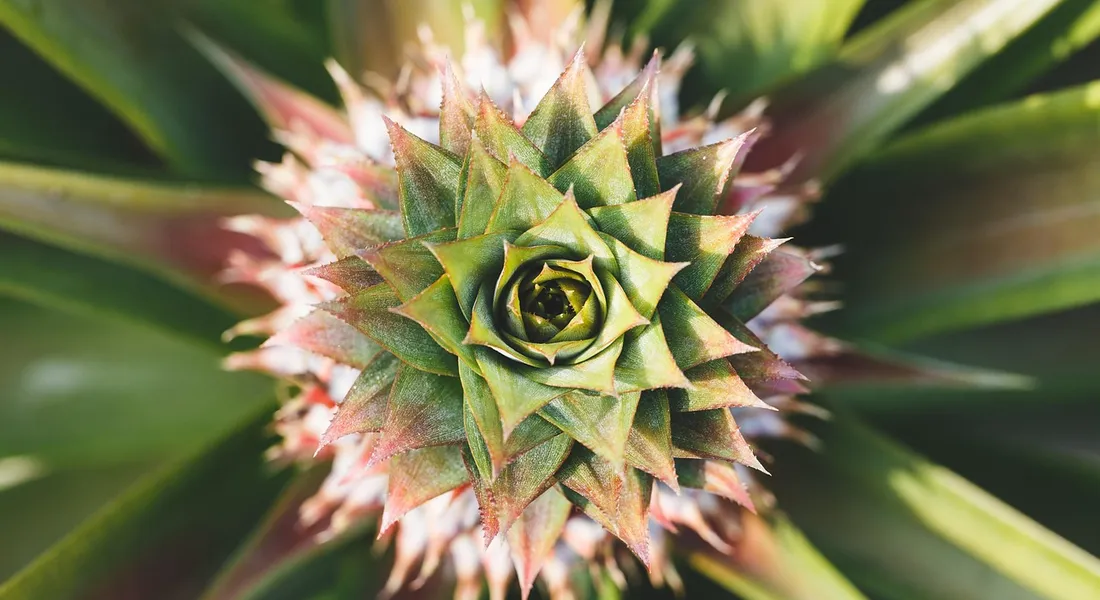
Those long, sword-like leaves might look interesting, but they’re not suitable for consumption. The sharp edges can cause mouth injuries, and the leaves contain higher concentrations of compounds that may irritate their stomachs. I use them for decorative purposes only, well out of my pets’ reach.
Nutritional Benefits of Pineapple for Guinea Pigs
When used correctly, pineapple can contribute valuable nutrients to your guinea pig’s varied diet. This fruit offers a unique combination of vitamins and enzymes that support overall health in small doses. My guinea pigs enjoy the occasional pineapple treat as part of their rotation of fresh foods. In the broader context of guinea pig diet safe fruits, pineapple should be fed sparingly as a small treat. To keep things balanced, pair it with a variety of other safe fruits and vegetables.
Vitamin C Powerhouse
Guinea pigs cannot produce their own vitamin C, making dietary sources crucial. Fresh pineapple provides a natural source of this essential vitamin, helping prevent scurvy and support immune function. There are other foods guinea pigs have that also provide vitamin C. Bell peppers and leafy greens are good options. I’ve noticed my pigs’ coats seem extra shiny after their weekly pineapple treat.
Digestive Enzyme Support
Pineapple contains bromelain, an enzyme that aids protein digestion. This natural enzyme can help break down food more efficiently, though the amounts in small servings are quite mild. My thoughtful Clover seems to particularly appreciate this digestive boost.
Hydration and Fiber Content
The high water content helps keep your pets hydrated, especially during warmer months. Along with moisture, pineapple provides dietary fiber that supports healthy gut motility and digestion. My reserved Biscuit often eats his pineapple first thing on hot afternoons.
Important Feeding Guidelines
- Serve only fresh, ripe pineapple-never canned versions with added sugars
- Remove all skin, core, and leaves before serving
- Wash thoroughly to remove pesticide residues
- Limit to 1-2 small pieces per week maximum
- Always introduce new foods gradually over several days
Watch your guinea pigs closely after introducing pineapple. Some individuals may experience loose stools or digestive upset, requiring immediate discontinuation. My steady Pepper handles it well, but every guinea pig has unique tolerances. If you’re exploring other fruit options, guinea pigs: papaya and guava can be offered in moderation. Start with a small portion and monitor for digestive changes.
Potential Health Risks of Feeding Pineapple Skin and Leaves
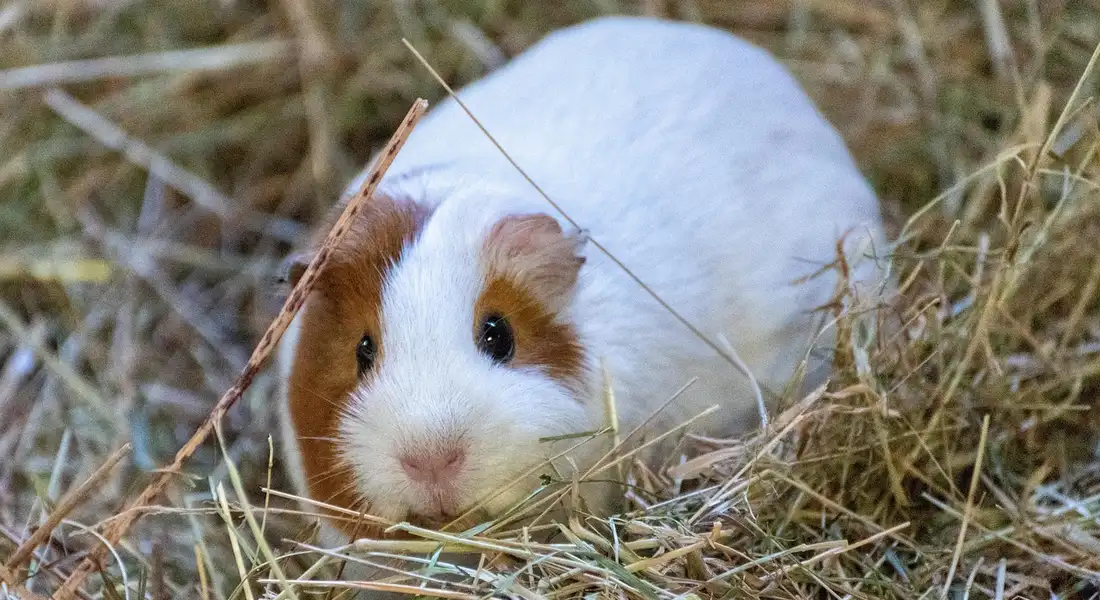
While the idea of sharing a tropical treat is appealing, pineapple skin and leaves pose real dangers to your guinea pig’s health. My guinea pig Biscuit once had a minor stomach upset from a tiny piece of skin I didn’t realize had pesticide residue, teaching me to be extra cautious about which fruits and vegetables are safe for them to eat. The tough, fibrous nature is difficult for their sensitive digestive systems to process.
Primary Concerns to Consider
- Pesticide Exposure: Conventional pineapple farming uses chemicals that linger on the skin and leaves, which are nearly impossible to wash off completely.
- Digestive Blockage: The stringy, tough fibers can tangle in their gut, leading to a serious and painful condition called GI stasis.
- Mouth and Throat Irritation: The spiky, abrasive texture of the leaves can cause small cuts or sores in their delicate mouths.
- High Acidity: Even the skin contains acids that can lead to mouth sores or digestive discomfort in larger amounts.
I always prioritize my pets’ welfare over novelty. After Clover showed zero interest in a cleaned leaf, I realized these parts offer no real benefit and only introduce risk. Sticking to the safe, fleshy fruit is the most loving choice you can make for their diet.
Step-by-Step Guide to Safely Preparing Pineapple for Guinea Pigs
When prepared correctly, the sweet flesh of pineapple can be a wonderful, occasional treat. My trio, Pepper, Clover, and Biscuit, get excited for their tiny fruit portions, and this method ensures they enjoy it without any hidden dangers. Follow these steps carefully for a safe snack.
- Select a Ripe, Organic Pineapple: Choose an organic fruit to minimize the risk of pesticide contamination from the outset.
- Wash the Exterior Thoroughly: Even if organic, scrub the entire pineapple under cool running water to remove any surface dirt or potential residues.
- Remove All Skin and Leaves: Use a sharp knife to completely peel the pineapple. Discard the skin, core, and all leafy tops immediately.
- Cut the Flesh into Small Cubes: Chop the soft, yellow flesh into pea-sized cubes. This prevents choking and makes it easy for them to eat.
- Serve a Tiny Portion: Offer no more than one small cube per guinea pig, once or twice a week. This prevents issues from the natural sugar and acidity.
Always remove any uneaten fruit from their habitat within an hour to prevent spoilage and attracting pests. Watching my guinea pigs’ different personalities emerge during treat time-Pepper’s steady nibbling, Clover’s thoughtful approach, and Biscuit’s initial caution-is a joy that comes from knowing they are safe and healthy. This is also why a quick protection guide matters. It helps explain how guinea pigs can attract pests and how to guard their space from potential predators.
How Much Pineapple Can Guinea Pigs Eat?
Guinea pigs adore the sweet taste of pineapple, but too much can upset their delicate stomachs. I limit pineapple treats to a tiny cube, about the size of a thumbnail, once a week for my guinea pigs like Pepper and Clover. This small portion prevents sugar overload while letting them enjoy a fruity snack. It’s similar to how I moderate their intake of other fruits like peaches and nectarines.
High sugar in fruits like pineapple can lead to obesity and dental issues if overfed. Always remove the skin and core before serving, as they are tough and hard to digest. I’ve noticed Biscuit, my Peruvian guinea pig, perks up for this treat but does best with strict moderation.
- Serve fresh, ripe pineapple in pea-sized pieces
- Offer no more than once weekly to avoid digestive problems
- Monitor for any signs of diarrhea or discomfort after feeding
Healthy Alternatives to Pineapple Skin and Leaves
Pineapple skin and leaves are not safe for guinea pigs due to potential pesticides and choking hazards. Instead, focus on nutritious veggies and fruits that are gentle on their systems, like bell peppers or leafy greens. Collard greens are another leafy option that guinea pigs can eat safely in moderation, provided they’re given as part of a varied diet. When introducing collard greens, start with small portions and monitor for any digestive upset. I often swap in these options to keep my guinea pigs healthy and happy.
Variety is key to a balanced diet, and many alternatives provide essential vitamins without the risks. Rotate different foods to prevent boredom and ensure they get a range of nutrients. From my experience, Clover loves crunching on cucumber slices as a hydrating alternative.
- Bell peppers: Rich in vitamin C and low in sugar
- Romaine lettuce: A hydrating, leafy green staple
- Carrot tops: Safe and packed with fiber
- Apple slices (seedless): A sweet treat in moderation
- Zucchini: Soft and easy to chew for young or senior pigs
FAQs
Can guinea pigs eat pineapple?
Yes, guinea pigs can eat small amounts of fresh pineapple flesh as an occasional treat. Always remove the skin and leaves to prevent choking or digestive issues. Grapes can also be given as a rare treat, but only in tiny pieces. Choose seedless grapes if possible, and watch for any signs of digestive upset.
What are the benefits of pineapple for guinea pigs?
Pineapple provides vitamin C, which supports immune health and prevents scurvy. It also contains bromelain, an enzyme that may aid in digestion when given in moderation.
Can guinea pigs drink pineapple juice?
No, pineapple juice is unsafe due to its high sugar content and acidity, which can cause stomach upset. Offer fresh water and small pieces of fruit instead for a healthier option.
Final Insights on Pineapple for Your Guinea Pigs
Based on my years with Pepper, Clover, and Biscuit, always remove pineapple skin and leaves to prevent choking or pesticide exposure. Stick to tiny, occasional bites of the soft flesh to keep their digestion smooth and avoid unnecessary risks.
As a caring owner, keep exploring safe, sustainable ways to nurture your pets every day. Choosing organic or well-washed produce helps protect your guinea pigs and supports eco-friendly habits for a healthier world.
Further Reading & Sources
- Pineapple Leaves/Rinds | The Guinea Pig Forum
- GuineaDad Food Blog: Can guinea pigs eat Pineapple?
- Can Guinea Pigs Eat Pineapples? What You Need to Know! | PangoVet
- Pineapple leaves | The Guinea Pig Forum
Kate is a passionate guinea pig owner and advocate for small pet welfare. With over a decade of experience caring for guinea pigs, she has become a trusted voice in the small pet community.
Uncategorized