Grass vs. Hay for Guinea Pigs: Which is Better for Your Pet?
Hello CavyFam! If you’re puzzling over whether grass or hay is the ideal choice for your guinea pig’s diet, you’re in good company. Many owners feel anxious about picking the safest and most nutritious option to keep their little friends thriving.
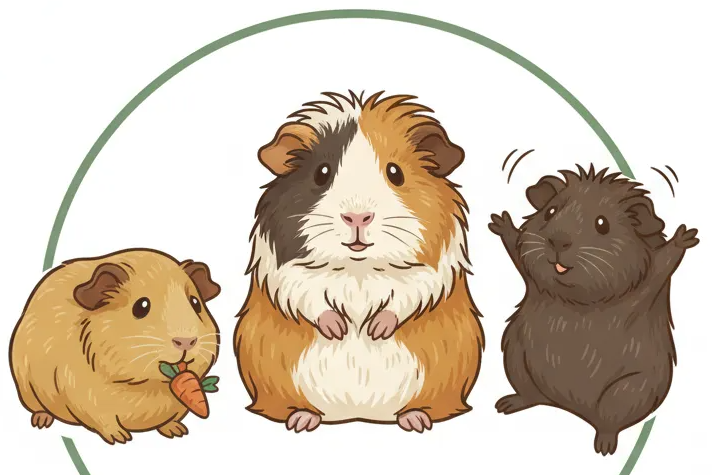
In this article, I’ll explore nutritional differences, safety tips, and practical feeding advice to clear up any confusion. With years of hands-on experience caring for guinea pigs like Pepper, Clover, and Biscuit, I’m here to share reliable insights you can trust.
Understanding Grass and Hay for Guinea Pigs
Fresh grass is the green, living plant you might see in your yard or a safe outdoor area. It’s like a crisp, hydrating snack straight from nature, full of moisture and vibrant nutrients. Hay, on the other hand, is grass that has been cut, dried, and stored for later use, acting as a dependable pantry staple for your pets.
Think of fresh grass as a juicy watermelon slice-refreshing and packed with water-soluble vitamins, but it doesn’t last long. Hay is more like a hearty loaf of whole-grain bread, offering sustained energy and essential roughage that keeps their systems running smoothly. This difference affects everything from storage to how often you should offer each type.
I’ve spent hours watching my guinea pigs, Pepper, Clover, and Biscuit, interact with both options. Pepper, with his gentle nature, eagerly munches on fresh grass during our outdoor playtimes, while Clover, ever thoughtful, seems to savor the varied textures of different hays. Biscuit, though reserved, shows his intelligence by carefully selecting the longest strands of hay first, as if he’s planning his meals ahead.
Nutritional Breakdown: Grass vs. Hay
When comparing nutrients, fresh grass and hay each bring unique benefits to your guinea pig’s diet. Dietary fiber is crucial for their digestion, and while both provide it, hay typically offers a denser source that supports gut health and prevents issues like bloating. Protein levels are similar, but vitamin C is much higher in fresh grass, which is essential since guinea pigs can’t produce it themselves. In practice, many guinea pig owners compare Timothy hay vs orchard grass to see which is better for their guinea pig. Timothy is a reliable baseline due to its consistent fiber density, while orchard grass can be a palatable alternative for picky eaters.
Calcium content varies, with some hays like timothy being lower, which helps avoid urinary problems. Offering a mix ensures your pet gets a balanced intake without overloading on any one nutrient. I’ve noticed that rotating between grass and hay keeps my guinea pigs engaged and maintains their ideal weight, especially for active ones like Clover.
| Nutrient | Fresh Grass | Hay |
|---|---|---|
| Dietary Fiber | Moderate, with high moisture | High, dry and fibrous |
| Protein | Around 2-4% | Similar, 2-4% depending on type |
| Vitamin C | Rich source, degrades quickly | Low, supplements needed |
| Calcium | Varies, can be higher | Lower in types like timothy |
Fiber variety from different hays, such as timothy or orchard grass, plays a key role in digestion and weight management. In my experience, providing a diverse fiber intake has helped Pepper stay steady and healthy, reducing the risk of obesity common in less active pets. This approach mimics their natural foraging behavior, keeping them happy and well-nourished.
Health Benefits and Risks for Guinea Pigs
Digestive and Dental Health
-
Grass and hay are rich in fiber that keeps your guinea pig’s digestive system moving smoothly. Fiber helps prevent blockages and supports healthy gut bacteria, which I’ve seen keep Pepper’s digestion steady over the years. In a complete guide to what guinea pigs eat, alfalfa hay is often discussed as a starter forage for youngsters. It explains when it’s appropriate and how to balance it with other forages as your pig grows.
-
Fresh grass can lead to bloat if fed in large amounts too quickly. To avoid this risk, start with small portions and ensure the grass is free from pesticides and fertilizers. I always wash grass thoroughly before offering it to my guinea pigs.
-
Each guinea pig has a different tolerance level, so observe them closely. My guinea pig Biscuit, who is more reserved, needed a slower introduction to grass than Clover, who took to it gracefully. Adjust based on their individual reactions to prevent discomfort.
Behavioral and Overall Wellness
-
Foraging for grass provides mental stimulation and mimics natural behaviors. This activity reduces boredom and stress, something I notice when Clover happily nibbles and explores fresh grass patches.
-
Ad libitum hay supports continuous eating habits, which align with their grazing instincts. Having hay available at all times promotes a calm, content demeanor and prevents overeating on less healthy foods.
-
Safety risks include mold or chemical residues in pasture grass. Always inspect grass for signs of spoilage and source it from untreated areas to protect your guinea pig’s health. I avoid lawns that might have been sprayed with herbicides.
Feeding Guidelines: Balancing Grass and Hay
How Much and How Often to Feed
-
Offer ad libitum hay for constant access. Keep a fresh supply of hay, like timothy, in their cage 24/7 to support digestion and dental wear. This is a non-negotiable part of their diet.
-
Introduce fresh grass gradually, starting with about a handful per guinea pig daily. Monitor their intake and increase slowly if they show no signs of digestive issues. I began with small amounts for Pepper and adjusted based on her steady response.
-
Watch for changes in behavior or stool quality and adjust portions as needed. If you notice soft stools or lethargy, reduce the grass and focus on hay until they stabilize. With my trio, I check daily to ensure they’re thriving.
Mixing Grass with Leafy Greens
-
Combine grass with safe leafy greens like romaine lettuce or cilantro for variety. This mix adds different textures and nutrients, which I’ve found keeps my guinea pigs engaged and healthy.
-
Make dietary changes slowly over a week to prevent digestive upset. Introduce new greens in small amounts mixed with their regular food, observing for any adverse reactions. I did this with Biscuit, and he adapted well without any issues.
Types of Hay for Guinea Pigs
-
Compare Timothy hay, orchard grass hay, and meadow hay.
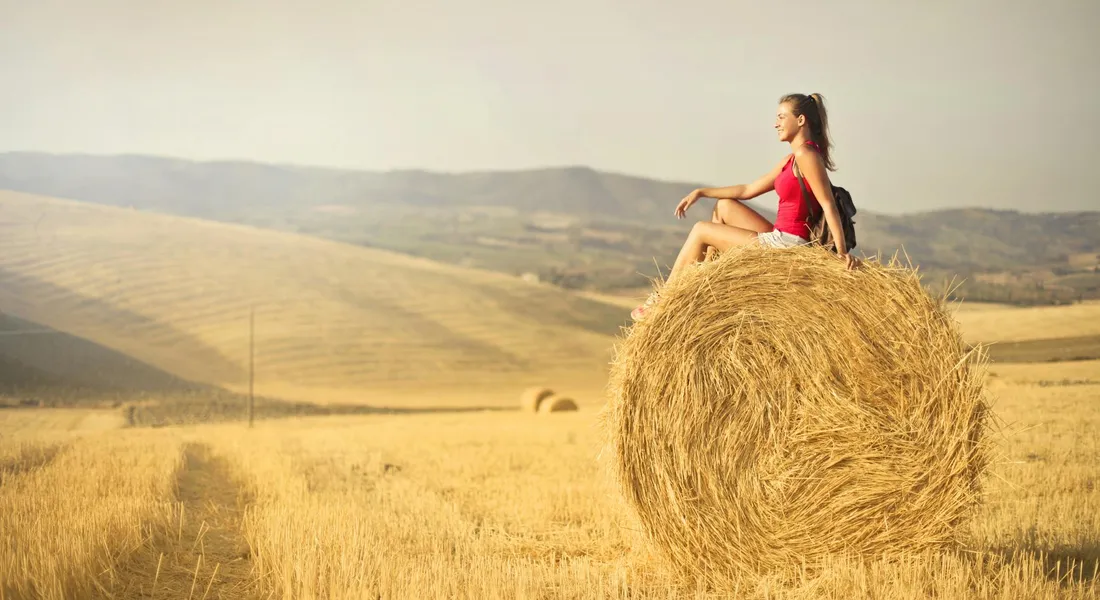
Timothy hay stands out with its high fiber content and coarse stems. My guinea pig Pepper thrives on Timothy hay because it keeps his digestion smooth and teeth trimmed naturally. Orchard grass hay offers a softer, leafier texture with less dust. Clover, who is more sensitive, prefers orchard grass for its gentle feel and minimal irritation. Meadow hay blends various grasses and herbs, providing diversity. Biscuit enjoys the mix, but I watch for consistency to avoid stomach upsets from sudden changes.
-
Discuss which hays are best for different life stages.
Young guinea pigs under six months need extra protein and calcium for growth. I supplement their diet with small amounts of alfalfa hay alongside Timothy, but too much can lead to urinary issues in adults. Adult pigs like Pepper do well on Timothy or orchard grass hay for balanced fiber. Senior pigs may benefit from softer options like orchard grass if dental problems arise, ensuring they eat enough without discomfort.
-
Include tips on selecting high-quality hay for optimal health.
Look for vibrant green color and a fresh, sweet scent—avoid any hay that appears brown or smells musty. Shake a handful to check for excess dust, which can harm your pig’s lungs over time. I always buy from trusted suppliers who prioritize animal welfare and store hay in airtight containers away from moisture. Proper storage keeps hay dry, airtight, and away from sun, preserving freshness. Use older batches first to avoid stale hay. This simple habit has kept my trio healthy and happy for years.
Safety First: Managing Risks with Grass and Hay
-
List common safety risks like pesticides or mold.
Pesticides on untreated grass can poison your guinea pig, causing serious health issues. Mold in damp hay is a hidden danger that leads to respiratory infections or digestive blockages. Dust particles might trigger allergies, and foreign objects like sharp twigs can injure their delicate mouths. I’ve seen how careful sourcing prevents these risks firsthand.
-
Offer practical steps to source and store grass and hay safely.
- Source grass from pesticide-free areas or grow your own in containers.
- Choose hay suppliers that provide lab-tested, organic options to minimize contaminants.
- Store hay in cool, dry places using sealed bins to block moisture and pests.
Rotate hay stocks every few weeks to ensure freshness and reduce waste. This approach has saved me from mold scares with Biscuit’s sensitive stomach.
-
Share personal checks for ensuring guinea pig comfort and health.
Before feeding, I inspect hay for discoloration or odd odors and feel it for dampness. Watch your guinea pig’s behavior-if Clover hesitates to eat, I know the hay isn’t right. Regular weight checks and vet visits help spot issues early, reinforcing that prevention is key to their well-being.
FAQs
Can fresh grass completely replace hay in a guinea pig’s diet?
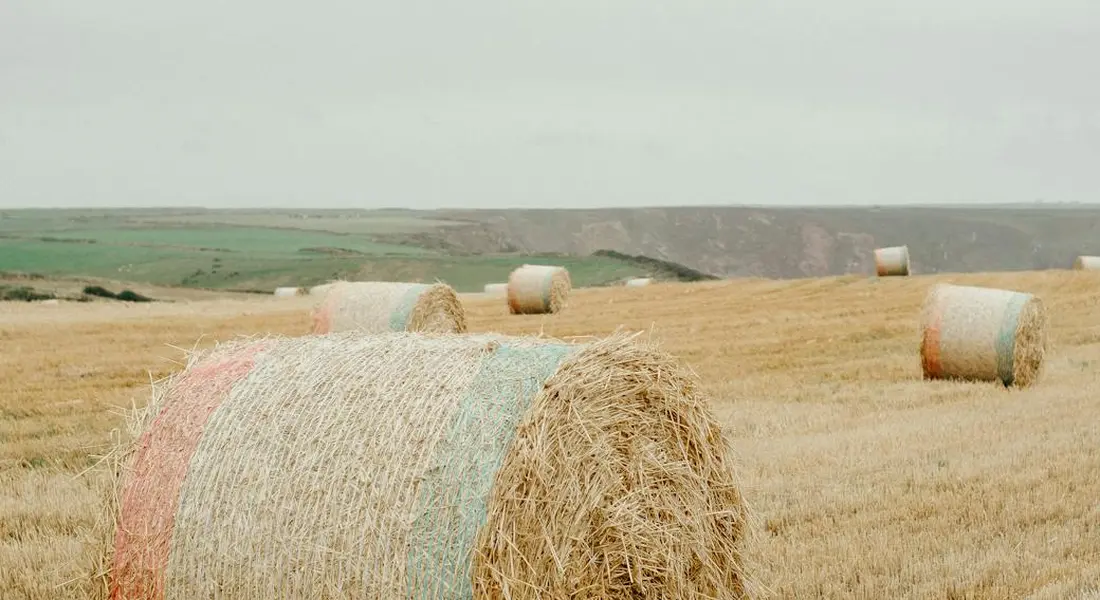
No, fresh grass should not fully replace hay because hay provides essential roughage for continuous digestion and dental wear. While grass is a nutritious treat, it lacks the consistent fiber levels that hay offers to prevent health issues.
How do grass and hay needs differ between guinea pigs and rabbits?
Both guinea pigs and rabbits need high-fiber diets, but guinea pigs require more vitamin C, which fresh grass can supply. However, unlimited hay is crucial for both species to maintain healthy gut function and prevent obesity. Hay is especially important for guinea pigs to keep their digestive systems healthy.
What is the difference between grass, hay, and straw for guinea pigs?
Grass is the living plant, hay is dried grass used for feeding, and straw is from grain stalks and is only suitable as bedding. Guinea pigs can eat grass and hay for nutrition, but straw should never be consumed as it offers no dietary value. Guinea pigs also eat wheatgrass and other fresh grasses, which can add variety to their diet. Including small amounts of wheatgrass or other safe grasses helps meet their fiber needs alongside hay.
Why are grass and hay requirements not the same for guinea pigs as for cattle?
Cattle are ruminants that efficiently digest large volumes of grass, while guinea pigs have delicate digestive systems needing constant hay to avoid bloating. Guinea pigs also require finer, low-dust hay to support their respiratory health, unlike hardy cattle. Low-dust, high-quality hay helps prevent common hay-related problems such as dental overgrowth and digestive upset. It also supports steady digestion and reduces respiratory irritation.
What are the main pros and cons of feeding grass versus hay to guinea pigs?
Grass provides fresh vitamins and moisture but can spoil quickly and risk bloat if overfed. Hay is reliable for fiber and dental care, though it may need supplementation for nutrients like vitamin C that degrade during drying.
The Final Verdict
Fresh grass is a wonderful, nutrient-rich treat for your guinea pigs, but high-quality hay must remain the cornerstone of their daily diet for essential fiber and dental health. When choosing the best hay for your guinea pig, look for fresh, green hay with a pleasant aroma. Avoid dusty or moldy batches and pick long, chewable stems. Offering a balanced mix of both, while ensuring the grass is free from pesticides, provides the best of both worlds for their well-being.
Being a dedicated guinea pig owner means committing to lifelong learning about their evolving needs and making choices that support their health and our planet. This emotional commitment to guinea pig ownership shows up in daily presence and gentle interaction. Your thoughtful care, from their diet to their habitat, ensures your furry friends lead the happy, healthy lives they deserve.
Further Reading & Sources
- The Best Types of Guinea Pig Hay | GuineaDad
- Guinea Lynx :: Hay
- What are the Best Types of Hay for Guinea Pigs? – Oxbow Animal Health
- A Comprehensive Hay Guide for Guinea Pigs (incl. providers in several countries) | The Guinea Pig Forum
Kate is a passionate guinea pig owner and advocate for small pet welfare. With over a decade of experience caring for guinea pigs, she has become a trusted voice in the small pet community.
Uncategorized