Can Guinea Pigs Eat Dates? A Safe Feeding Guide
Published on: August 20, 2026 | Last Updated: August 20, 2026
Written By: Kate M. Callahan
Hello CavyFam! If you’re eyeing those sweet dates and wondering if they’re a good snack for your guinea pig, you’re not alone. Many pet owners feel a mix of curiosity and concern when introducing new foods to their furry pals.
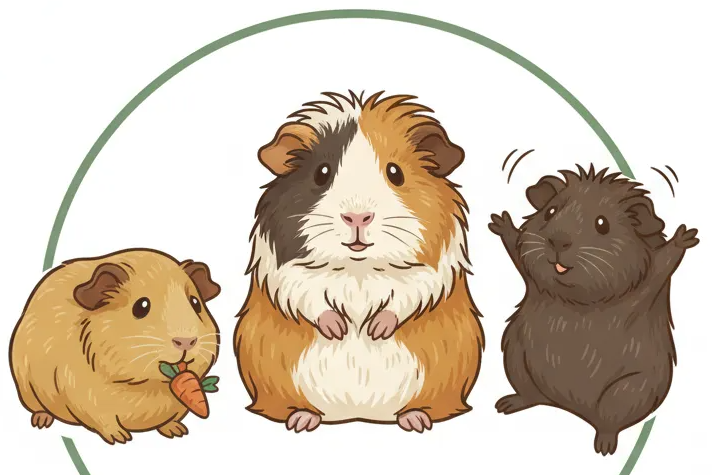
In this article, I’ll cover nutritional benefits, safe serving sizes, potential health risks, and simple feeding tips. Having cared for my own guinea pigs-Pepper, Clover, and Biscuit-for years, I offer advice rooted in real-life experience to keep your pets happy and healthy.
Understanding Dates and Guinea Pig Diets
Guinea pigs thrive on a diet rich in hay, fresh veggies, and limited fruits to meet their high fiber and vitamin C needs. Dates, with their sticky sweetness, pack a lot of natural sugars that can quickly upset your guinea pig’s delicate digestive system if overfed. From caring for my own trio-Pepper, Clover, and Biscuit-I’ve learned that sticking to low-sugar treats keeps them energetic and prevents weight issues. Their daily meals always include timothy hay and leafy greens, with fruits like dates reserved for rare, tiny tastes.
Think of dates as a special occasion snack, not a staple. Feeding dates too often can lead to obesity or dental problems, which I’ve avoided by offering them only once in a blue moon. Always remove pits to prevent choking, and wash dates thoroughly to avoid pesticides. For variety, rotate with safer options like apple slices or bell peppers to keep your pet’s diet balanced and exciting.
Nutritional Breakdown: Are Dates Good for Guinea Pigs?
Dates contain fiber, potassium, and some vitamins, but their high sugar content-around 16 grams per date-makes them a risky choice. Guinea pigs lack the ability to process large amounts of sugar efficiently, so even a small piece can cause bloating or diarrhea if given frequently. (Even natural sugars in other treats can have the same effect.) In my experience, Biscuit, my Peruvian guinea pig, once had a mild stomach upset after a tiny date sample, reinforcing the need for caution.
Compare dates to guinea pig essentials:
- Vitamin C: Dates offer minimal amounts, while bell peppers provide a much richer, safer source.
- Fiber: Dates have some, but timothy hay delivers the roughage needed for healthy digestion.
- Sugar: Dates are high, whereas cucumbers or celery are low-sugar alternatives that won’t spike blood sugar.
For a safe treat, limit dates to a pea-sized piece no more than once a month, and always monitor your pet’s reaction. This approach ensures your guinea pig enjoys variety without compromising their well-being.
Safety First: Can Guinea Pigs Eat Fresh or Dried Dates?
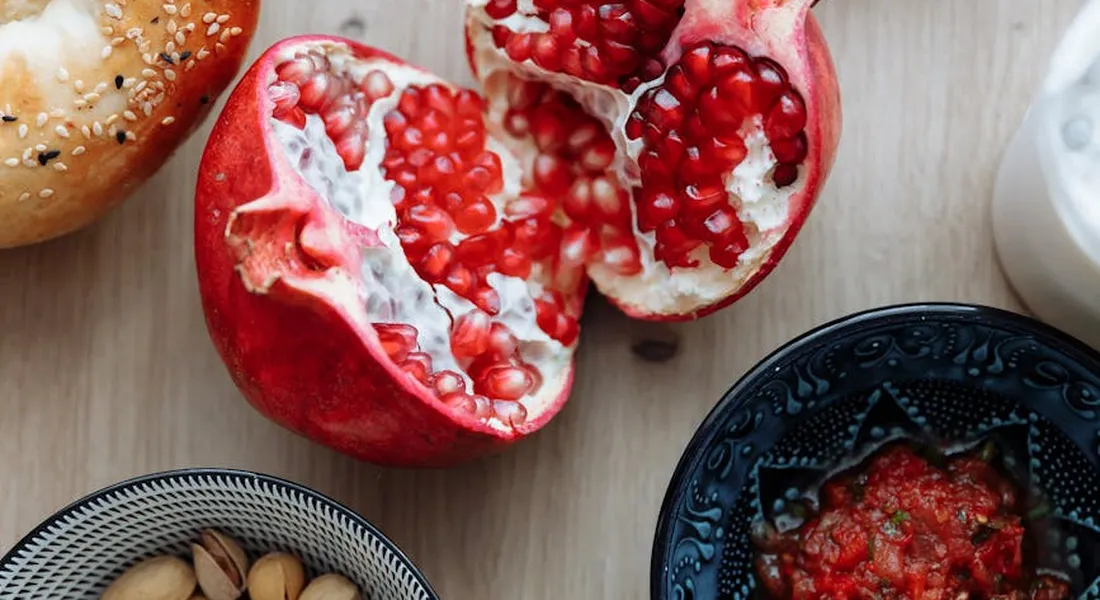
While a small nibble of fresh date won’t spell disaster, the high sugar content makes them a risky choice. I’ve seen my own guinea pigs, like gentle Pepper, get an upset stomach from just a tiny piece of sugary fruit. Dried dates are even more concentrated in sugar and should be avoided entirely.
Immediate Hazards: Choking and Digestive Upset
The primary dangers are not always obvious until it’s too late.
- Choking Hazard: The sticky, dense flesh and the hard pit can easily block a small airway.
- Digestive Distress: Their sensitive digestive systems aren’t built for high sugar, which can lead to painful bloating and diarrhea.
- Weight Gain: The calories from sugar contribute to obesity, putting strain on their little bodies.
After my thoughtful Clover had a bad reaction, I became much stricter about sugary treats. Their health is simply too precious to risk for a momentary sweet tooth.
Feeding Guidelines: How to Offer Dates Safely
If you absolutely must offer a date, it must be done with extreme caution and only as a one-time, tiny experiment. This is not a regular treat, but a rare “what if” scenario that requires your full attention.
Step-by-Step Preparation for Dates
- Choose Only Fresh: Select a single, fresh, soft date. Never use dried dates.
- Remove the Pit: Carefully take out the hard seed to eliminate the choking risk.
- Dice Minutely: Chop the tiny, pit-free piece into minuscule, rice-grain-sized portions.
- Offer a Speck: Give your guinea pig one single, tiny piece, no larger than a pea in total volume.
- Observe Closely: Watch for the next 24 hours for any signs of digestive upset or lethargy.
My rule of thumb with my intelligent but reserved Biscuit is to stick with safer, low-sugar veggies like bell peppers and romaine lettuce. It keeps her happy and her digestion running smoothly.
Recognizing and Responding to Health Issues
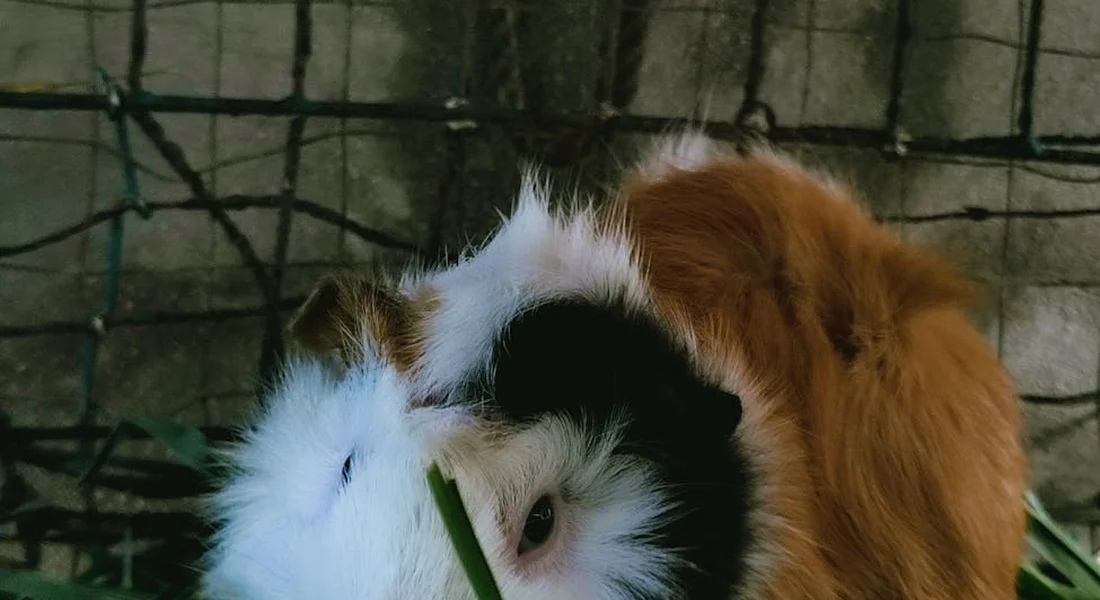
After feeding any new treat, watch your guinea pig closely for the next 24 hours. Your pet’s digestive system is incredibly sensitive, and even a small amount of the wrong food can cause an upset stomach. I learned this the hard way when my guinea pig, Biscuit, had a mild reaction to a new vegetable. This is exactly the kind of issue that appears on lists of the guinea pig diet mistakes that lead to serious health issues. By sticking to trusted foods and introducing new items slowly, you can prevent many of these problems.
Look for these specific signs of digestive distress:
- Lethargy or unusual lack of movement
- Soft stools or diarrhea
- A loss of appetite or refusing their regular hay
- Audible signs of discomfort, like teeth grinding or a hunched posture
- Bloating in their abdomen
If you notice any of these symptoms, act quickly. Immediately remove all sugary treats and fruits from their habitat, ensuring they have unlimited access to fresh timothy hay and water. Hay is crucial for getting their gut motility back to normal. If symptoms persist for more than a few hours, do not hesitate to contact your veterinarian.
Healthy Alternatives: Other Safe Fruits for Guinea Pigs
While dates are a rare, high-risk treat, many other fruits are much safer in moderation. My trio-Pepper, Clover, and Biscuit-get a tiny fruit piece about once a week as a special reward. This frequency keeps their sugar intake low while providing a fun enrichment activity.
Here are some excellent, lower-sugar fruit options you can offer:
- Blueberries: A single blueberry is a perfect, antioxidant-rich portion.
- Strawberries: Offer one small slice, including the green top, which they often enjoy.
- Apple: A thin sliver, with all seeds carefully removed, is a crunchy favorite.
- Pear: Similar to apple, a single seedless slice is plenty.
- Melon: A tiny cube of cantaloupe or watermelon (without rind) is hydrating.
Always remember the golden rule of portion size. A piece of fruit should be no larger than your guinea pig’s thumbnail to prevent digestive issues and weight gain. Wash all fruits thoroughly to remove pesticides, and introduce only one new food at a time so you can monitor for any adverse reactions. Ensure it is one of the safe fruits for guinea pigs.
FAQs
What is a guinea pig DNA test and why might I need one?
Guinea pig DNA tests analyze your pet’s genetic makeup to identify breed, potential health predispositions, or ancestry. They can be helpful for understanding inherited traits or planning care, but are not essential for most pet owners, especially when doing a proper health check for your guinea pig.
How do I prevent my guinea pig’s water bottle from leaking?
Ensure the bottle is properly sealed and the sipper tube has a functioning ball bearing to control water flow. Regularly check for cracks or wear and keep it clean to maintain a tight seal and prevent drips. To properly clean and maintain guinea pig water bottles, disassemble and wash all parts with warm, soapy water. Rinse thoroughly and let dry completely before reassembling to prevent mold and ensure a tight seal.
Are waterproof cage liners beneficial for guinea pig cages?
Waterproof liners protect the cage base from moisture, making cleanup easier and extending the cage’s lifespan. Choose liners made from safe, non-toxic materials to avoid harming your guinea pig while keeping their environment dry. For the ultimate guide to safe bedding options for guinea pigs, pair these liners with recommended absorbent bedding to optimize comfort and cleanliness. This approach helps you create a clean, cozy habitat that supports your pet’s health.
Is a water bowl or bottle better for guinea pigs?
Water bottles are generally preferred as they keep water cleaner and reduce spillage compared to bowls. However, some guinea pigs may find bottles tricky, so monitor their drinking habits to ensure they stay hydrated. When weighing water bottle vs water bowl, consider the definitive pros and cons for your guinea pig’s hydration. Bottles stay cleaner and reduce spills, but some pigs may drink less from them, while bowls provide easier drinking but can spill and harbor mess.
Why might a guinea pig have watery eyes and refuse to eat?
Watery eyes and loss of appetite can signal respiratory infections, dental issues, or stress. Seek veterinary care promptly to diagnose the cause and provide appropriate treatment for your pet’s recovery.
So, Are Dates a Safe Treat?
Dates can be a tiny, very occasional sweet treat for your guinea pig, but you must always remove the pit and offer only a small piece once in a blue moon. Their primary diet should always be unlimited hay, fresh greens, and a small portion of fortified pellets to keep their digestive systems running smoothly. Understanding what foods guinea pigs can have is crucial for their health.
Being a mindful pet owner means always researching new foods and understanding that what’s healthy for us isn’t always right for our little friends. Your dedication to learning and providing a safe, eco-friendly environment is what truly makes you an amazing guinea pig parent. Your emotional commitment to daily care and companionship shines through in every interaction with your piggy friend. True guinea pig ownership means being there for their needs with steady, loving attention.
Further Reading & Sources
- Dates | The Guinea Pig Forum
- Can Guinea Pigs Eat Dates?
- What Can Guinea Pigs NOT Eat | What Food & Plants are Poisonous?
- Are Guinea Pig “play dates” a good idea? – Page 2 – Guinea Lynx Forums
Kate is a passionate guinea pig owner and advocate for small pet welfare. With over a decade of experience caring for guinea pigs, she has become a trusted voice in the small pet community.
Uncategorized