Can Guinea Pigs Eat Edamame?
Published on: August 28, 2026 | Last Updated: August 28, 2026
Written By: Kate M. Callahan
Hello CavyFam! You’re probably holding a bowl of edamame and wondering if it’s safe to share a pod with your curious guinea pig. I’ve been in that exact spot with my own piggies, wondering what human snacks are truly okay for them.
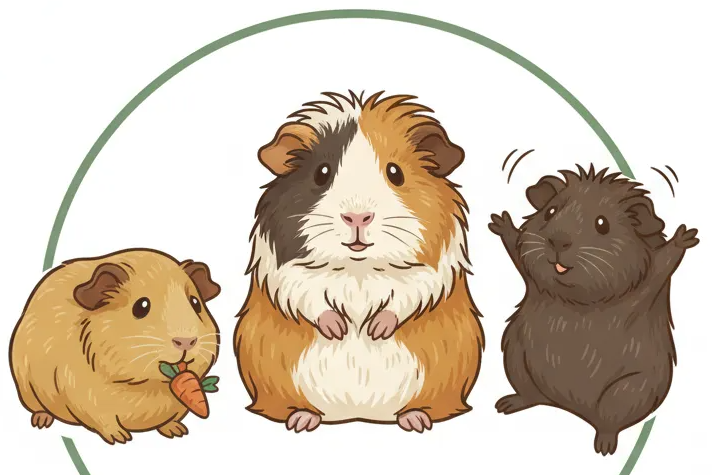
In this guide, I will cover the safety of both beans and shells, nutritional benefits, potential risks, and the correct way to prepare edamame. My advice comes from years of caring for my own guinea pigs, Pepper, Clover, and Biscuit.
Understanding Edamame and Its Safety for Guinea Pigs
Edamame are young, green soybeans often served steamed or boiled in their pods. The beans refer to the soft seeds inside, while the shells are the fibrous outer coverings. Knowing the difference helps you make safer choices for your guinea pig’s diet.
- Guinea pigs can nibble on a small piece of edamame bean occasionally, but the shells are not safe due to choking risks and poor digestibility. I avoid giving shells to my guinea pigs after seeing Pepper struggle with a similar tough veggie-she’s gentle but cautious with new textures.
- Safety concerns include potential bloating or allergies, so always start with a tiny amount. When I introduced edamame beans to Clover, her thoughtful nibbling showed me she wasn’t fully comfortable, so I stopped and stuck to safer options.
- Personal experience taught me to test new foods over days. Biscuit, though reserved, once had a mild tummy upset from a new treat, reminding me that slow introductions protect their well-being.
Nutritional Profile of Edamame for Guinea Pigs
Edamame contains protein, fiber, starch, and sugar, which affect guinea pigs differently than humans. High protein levels can strain their kidneys, while excess starch may lead to weight gain or digestive discomfort. When guinea pigs overeat these foods, they can become overweight. Keeping portions small helps prevent obesity.
- Key nutrients like fiber support digestion, but the starch and sugar in edamame can cause gas or diarrhea if overfed. I noticed Biscuit’s reserved nature made him prone to bloating with starchy foods, so I limit those in his diet.
- Risks of obesity and digestive issues arise from frequent feeding. Guinea pigs thrive on low-protein diets, and edamame’s profile doesn’t align well with their needs-Pepper’s steady appetite stays healthier with leafy greens instead.
- Phytoestrogens and isoflavones in soy can mimic hormones, potentially disrupting a guinea pig’s system. For Clover’s graceful health, I skip soy-based items to avoid long-term risks and prioritize natural, species-appropriate foods.
Safe Preparation and Serving of Edamame
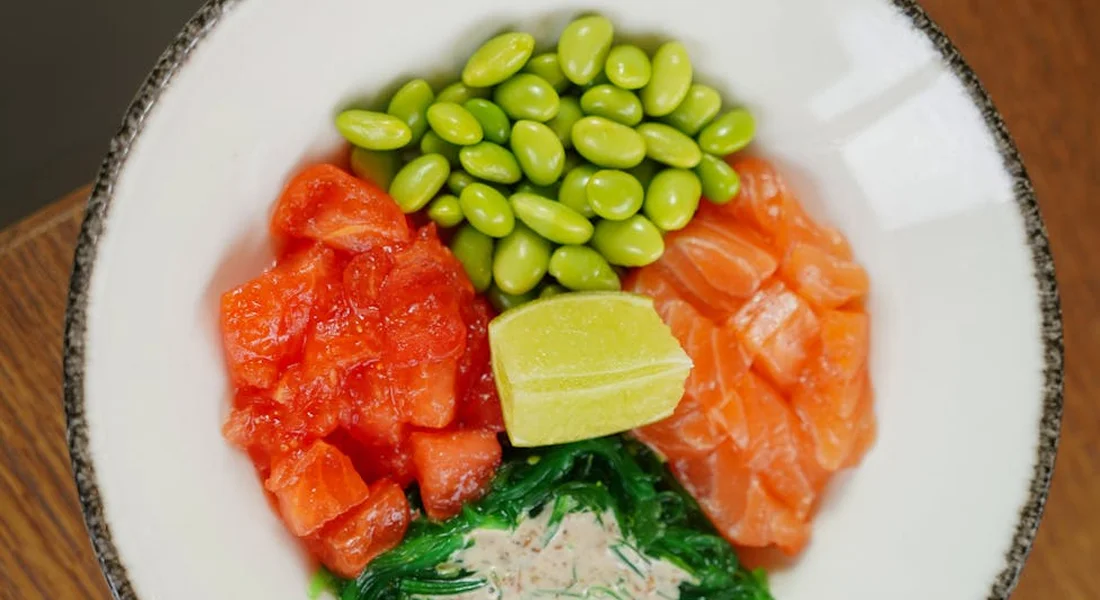
- Step 1: Choose fresh or frozen edamame, avoid canned or seasoned varieties. I always opt for plain frozen edamame for my guinea pigs like Pepper and Clover, as it lacks the high salt and additives found in canned or flavored options. These extras can upset their stomachs and lead to health issues over time.
- Step 2: Cook beans thoroughly by boiling or steaming, never feed raw. Raw edamame beans contain compounds that are hard for guinea pigs to digest, so I boil them until soft to make them safer and easier on their systems. Steaming works well too, but avoid any oil or seasoning during cooking.
- Step 3: Remove beans from shells; shells are unsafe and should be discarded. After a scare with Biscuit trying to nibble on a shell, I learned that these fibrous parts can cause choking or intestinal blockages, so I always shell the beans completely. Toss the shells in compost or trash to keep your pet’s area clean.
- Step 4: Serve beans in tiny, mashed portions to prevent choking. I mash or finely chop the beans for my guinea pigs, as whole beans pose a serious choking risk-this simple step has kept Pepper and the others safe during treat time. Offer just a pea-sized amount mixed with their regular veggies to avoid overfeeding.
Risks and Health Concerns with Edamame
- Detail digestive issues: gas, bloating, GI upset, and how to recognize symptoms. Edamame can cause gas and bloating in guinea pigs, which I’ve seen with Clover-watch for signs like a swollen belly, reduced activity, or loose stools, and stop feeding it immediately if these appear. Their digestive systems are sensitive, so even small amounts might lead to discomfort or diarrhea.
- Discuss choking hazards from whole beans or shells. Whole beans or leftover shells are a major choking risk, as guinea pigs have small airways; I always mash edamame to prevent emergencies like what nearly happened with Biscuit. Supervise your pet during feeding to catch any struggles early.
- Emphasize moderation to avoid obesity and long-term health problems. Overfeeding edamame, which is high in protein and calories, can lead to weight gain and issues like diabetes-I limit it to an occasional treat for my herd to keep them healthy and active. Stick to tiny servings once a week or less to balance their diet and prevent long-term harm.
Alternatives to Edamame for a Balanced Diet
Your guinea pig’s diet should revolve around safe, familiar vegetables that support their unique digestive system. I always keep a mix of bell peppers, cucumbers, and leafy greens like romaine lettuce or cilantro in my fridge for Pepper, Clover, and Biscuit. These are daily staples that provide essential vitamins without the risks associated with beans. Focusing on guinea pig-safe vegetables and greens keeps their meals balanced. I rotate safe greens like romaine, cilantro, and parsley to add variety.
- Safe vegetables: Bell peppers (rich in Vitamin C), cucumber slices (hydrating), and leafy greens like romaine lettuce or spinach in moderation.
- Hay is non-negotiable-it should make up about 80% of their diet to maintain healthy digestion and wear down their constantly growing teeth.
- Low-protein, high-fiber options: Try endive, radicchio, or small amounts of zucchini. These mimic their natural forage and keep their gut moving smoothly.
When to Seek Veterinary Advice
Guinea pigs are masters at hiding discomfort, so you need to watch for subtle changes. Any shift in behavior or eating habits can signal a problem, especially after they’ve eaten something new like edamame. Understanding what normal eating looks like can help you spot trouble early. In general, a healthy guinea pig eats steadily on hay, pellets, and occasional treats, with a consistent appetite. Trust your instincts—you know your pet best.
- Signs of food-related illness: Lethargy (unusual stillness), loss of appetite, bloating (a hard or swollen belly), or diarrhea.
- If your guinea pig shows distress after eating edamame, remove any remaining beans or shells immediately and offer fresh hay and water. Contact your vet right away-don’t wait to see if symptoms resolve on their own.
- Regular vet check-ups help catch dietary issues early. Ask your vet for a species-specific feeding plan during visits to prevent future problems.
FAQs

Can guinea pigs eat edamame?
Guinea pigs can occasionally have a small amount of cooked edamame beans, but it should not be a regular part of their diet. Always avoid the shells and monitor for any signs of digestive discomfort after feeding. When considering greens, fresh green beans are another safe option to offer in small amounts. Introduce any new vegetable gradually and watch for digestive changes.
Can guinea pigs eat edamame beans?
Edamame beans are safe for guinea pigs in tiny, mashed portions if they are thoroughly cooked and unseasoned. However, due to their high protein and starch content, feed them only as an infrequent treat to prevent health issues. Guinea pigs can also eat bean sprouts leaves in small amounts for variety. Like edamame, bean sprouts leaves should be offered as a rare treat and only in tiny portions.
Can guinea pigs eat edamame shells?
No, guinea pigs should never eat edamame shells because they are fibrous and can cause choking or intestinal blockages. Always discard the shells and only offer the prepared beans to ensure your pet’s safety. Similarly, guinea pigs should not eat peanut shells or pine nut shells. Nut shells are hard to digest and can pose choking hazards.
Is there a safe edamame recipe for guinea pigs?
A simple, safe recipe involves boiling plain edamame beans until soft, mashing them, and serving a pea-sized amount. Do not add any salt, oil, or seasonings, and always remove the beans from the pods before feeding.
Are edamame seeds safe for guinea pigs?
Edamame seeds, which are the beans inside the pod, can be safe if cooked and served in minimal, mashed quantities. However, overfeeding may lead to bloating or other digestive problems, so limit this treat to occasional use. Guinea pigs should not rely on seeds as a staple part of their diet. If seeds are offered, keep portions tiny and only as an occasional treat.
Your Guinea Pig’s Health Comes First
From my years caring for guinea pigs like gentle Pepper and reserved Biscuit, I’ve learned that edamame beans and shells pose risks to their delicate digestion and should be avoided entirely. Remember: not all vegetables and fruits are safe for guinea pigs—some can be toxic even in small amounts. Always research or consult a vet before introducing any new produce. Stick to safe, vet-approved veggies and high-quality hay to keep your pet thriving without unnecessary health scares.
Responsible ownership means always double-checking new foods and opting for eco-friendly choices, like reusable bedding or locally grown treats. For weekly care, many owners follow the ultimate guinea pig care routine checklist to stay organized and ensure nothing is missed. Keep exploring gentle, sustainable ways to care for your guinea pigs — they’ll thank you with happy wheeks and vibrant health.
Further Reading & Sources
- Edamame | The Guinea Pig Forum
- Can Guinea Pigs Eat Edamame Beans?
- Can Guinea Pigs Have Edamame? – Four Paw City
- Can Guinea Pigs Eat Edamame? A Comprehensive Guide
Kate is a passionate guinea pig owner and advocate for small pet welfare. With over a decade of experience caring for guinea pigs, she has become a trusted voice in the small pet community.
Uncategorized