Guinea Pig-Sitting 101: Your Complete Pet Sitter Guide
Published on: March 23, 2026 | Last Updated: March 23, 2026
Written By: Kate M. Callahan
Hello CavyFam! Leaving your guinea pigs with a sitter can feel nerve-wracking. You want to ensure your little friends stay happy, healthy, and safe while you’re away.
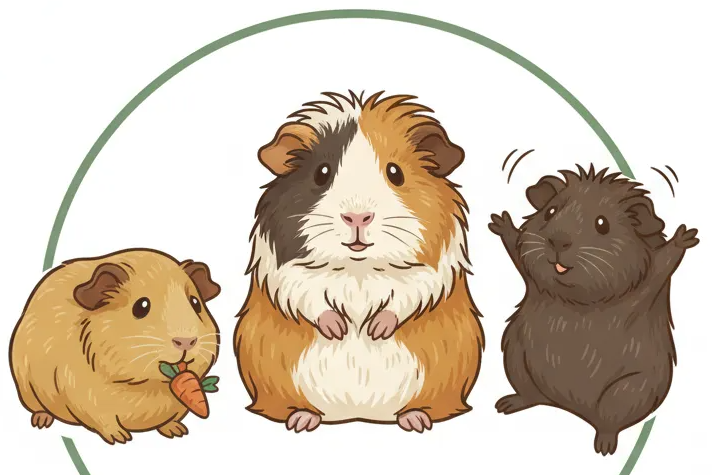
This guide covers daily feeding routines, health check basics, safe handling techniques, bonding activities, and emergency preparedness. I’ve cared for my own guinea pigs-Pepper, Clover, and Biscuit-for years, so I understand exactly what your pets need.
Understanding Guinea Pig Sitting
Guinea pig sitting involves far more than just refilling a food bowl; it’s about managing the daily rhythm and unique social needs of a highly interactive herd animal. Unlike many solitary small pets, guinea pigs thrive on companionship and require a sitter who understands their vocal communication and group dynamics.
Your role is to be a temporary guardian, ensuring their physical health and emotional well-being remain stable in their owner’s absence. Specialized knowledge is non-negotiable for their welfare. For instance, guinea pigs cannot synthesize their own Vitamin C, so a diet lacking in fresh veggies can lead to serious health issues very quickly.
From my time caring for my own trio-Pepper, Clover, and Biscuit-I’ve found the daily time commitment is consistent but manageable.
- Morning and evening feeding sessions with fresh hay, pellets, and vegetables (about 20 minutes each).
- Daily spot-cleaning of soiled bedding areas to maintain hygiene.
- Social interaction and gentle handling to prevent stress and monitor for illness.
- A full cage clean-out is typically needed once or twice a week, depending on the enclosure size.
Essential Daily Care Routine
Consistency is the bedrock of good guinea pig care, providing them with a sense of security. A predictable daily schedule minimizes stress and helps you quickly notice any changes in appetite or behavior that might signal a problem.
Start your morning by offering a fresh salad of leafy greens like romaine lettuce and a slice of bell pepper for Vitamin C. Always remove any uneaten fresh food from the previous evening to prevent spoilage in their living space. Check that their unlimited timothy hay rack is full and refresh their water bottle with cool, clean water.
Handling requires patience. Let them approach your hand first, and always support their entire body when you lift them. A hunched, puffed-up posture often means they are scared or in pain, so it’s best to give them space and try again later. My guinea pig Biscuit prefers to be spoken to softly for a minute before any attempt to pick her up.
Your evening routine should be a quiet wind-down. Offer another small veggie portion and use this time for a quick visual health check.
Daily Care Checklist
Morning
- Refresh water bottle and check for proper flow.
- Provide a fresh portion of fortified guinea pig pellets.
- Offer morning vegetables and remove old food.
- Top up unlimited timothy hay.
- Observe each guinea pig’s activity level and appetite.
Evening
- Spot-clean soiled bedding and wet areas.
- Offer a small evening vegetable snack.
- Ensure the hay rack is still full for overnight munching.
- Spend 10-15 minutes in quiet, calm interaction with the herd.
Feeding and Nutrition Management
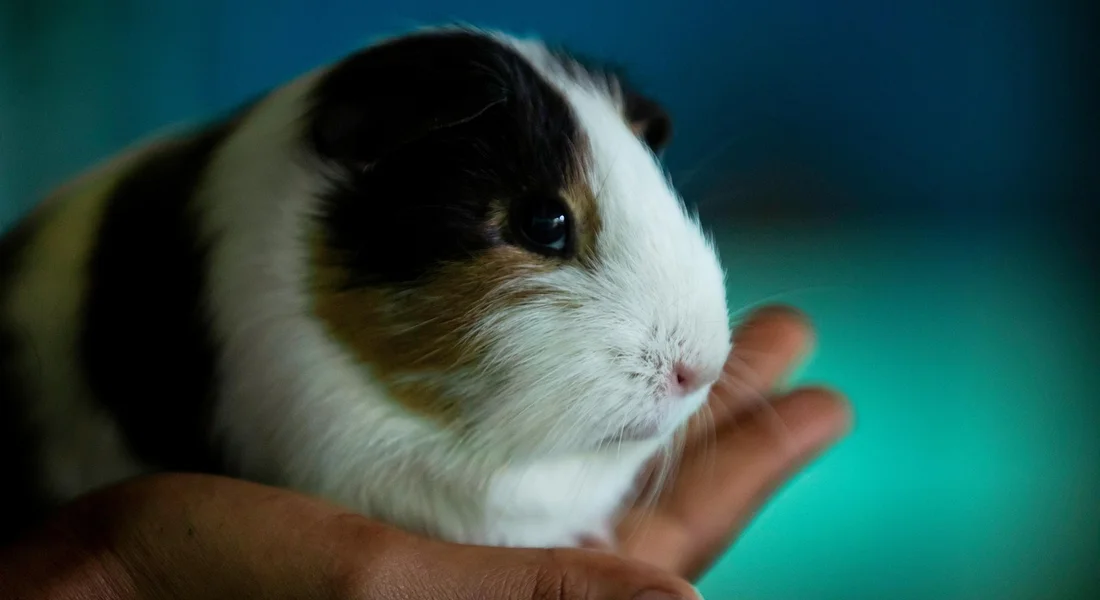
Guinea pigs have sensitive digestive systems that require a consistent and specific diet. I learned this firsthand when my guinea pig Biscuit developed digestive issues from a sudden food change.
Essential Daily Diet Components
- Unlimited Timothy Hay – This should make up 80% of their diet for proper digestion and dental health
- Fresh Vegetables – About 1 cup daily per guinea pig including: romaine lettuce, bell peppers, cilantro, and cucumber
- Quality Pellets – 1/8 cup per pig daily, specifically formulated with Vitamin C
- Vitamin C Sources – Since guinea pigs can’t produce their own, include small pieces of orange or kiwi twice weekly
Foods to Strictly Avoid
- Iceberg lettuce (too watery, lacks nutrients)
- Potatoes and onions (toxic to guinea pigs)
- Dairy products and meat (they’re strict herbivores)
- Seeds and nuts (choking hazards)
Daily Feeding Schedule
Guinea pigs thrive on routine. My three pigs start wheeking loudly if I’m even 15 minutes late with their morning vegetables. Understanding their daily patterns reveals when they’re most active. They tend to be most alert at dawn and dusk, which helps you plan playtime.
- Morning (7-8 AM): Refresh hay, provide fresh vegetables
- Midday: Check water levels, remove any uneaten fresh foods
- Evening (5-6 PM): Provide pellets, refresh hay again
Monitoring Eating Habits
Watch for these important signs of healthy eating:
- Consistent hay consumption throughout the day
- Normal droppings (firm, oval shapes)
- Active foraging behavior
- Regular water bottle usage
Meal Preparation Steps
- Wash all vegetables thoroughly with cold water
- Chop into bite-sized pieces to prevent choking
- Mix different vegetables for variety
- Remove any uneaten fresh food after 2-3 hours
Water Management
Always keep fresh water available in a clean bottle. I check water bottles twice daily because a clogged bottle can quickly become dangerous. Clean bottles with a bottle brush every other day to prevent bacterial growth.
Health and Safety Monitoring
Guinea pigs hide illness well, so careful observation is crucial. My guinea pig Clover once sat in her own urine for hours before I realized she was seriously ill.
Critical Warning Signs
- Lethargy or lack of movement
- Hunched posture with ruffled fur
- Sitting in urine or feces
- Loss of appetite or reduced water intake
- Wheezing, coughing, or labored breathing
- Crusty eyes or nose discharge
Emergency Response Protocol
If you notice any concerning symptoms:
- Immediately contact the owner and their designated veterinarian
- Keep the guinea pig warm and comfortable in a separate, quiet area
- Have the vet’s phone number and address readily accessible
- Prepare the travel carrier with soft bedding
Medication Administration
If medications are needed:
- Follow dosage instructions exactly as written
- Use the provided syringe or dropper
- Administer slowly to prevent choking
- Reward with a small piece of favorite vegetable afterward
Environmental Safety
Maintain optimal living conditions to prevent health issues:
- Temperature: Keep between 65-75°F (18-24°C)
- Humidity: Maintain 40-60% humidity levels
- Draft-free location: Avoid direct sunlight and air vents
- Clean bedding: Change soiled areas daily, full clean every 3-4 days
Regular temperature checks help prevent heat stroke in summer and respiratory issues in winter. I use a simple digital thermometer placed near their enclosure to monitor conditions constantly.
Enclosure Setup and Maintenance
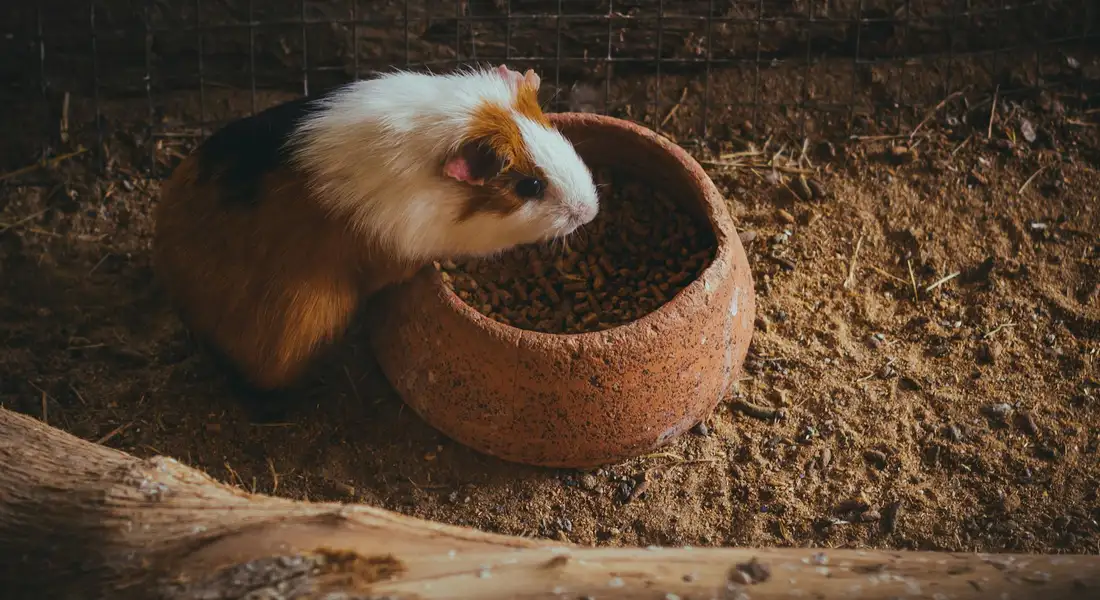
Your guinea pigs’ home is their entire world while you’re away. Providing a spacious, clean, and safe habitat is the single most important thing you can do for their health and happiness. I learned this the hard way when I first started caring for guinea pigs; a cramped cage led to bickering and a sad, messy environment. To build a set-up that truly works, plan a spacious, well-ventilated cage with easy cleaning and safe accessories. This approach paves the way for a perfect guinea pig cage.
Creating a Safe and Comfortable Habitat
Guinea pigs need room to run, popcorn, and explore. Aim for a minimum of 7.5 square feet for one pig, but 10.5 square feet or more for two is vastly better. This is part of a complete space requirements guide for guinea pig cages. It explains the exact square footage you should aim for based on how many pigs you keep and how they use their space. My trio, Pepper, Clover, and Biscuit, thrive in a large C&C cage that gives them separate areas for eating, sleeping, and playing.
- Bedding is Key: Avoid cedar or pine shavings, as the phenols can harm their sensitive respiratory systems. I exclusively use a combination of fleece liners over absorbent pads and paper-based bedding in their kitchen area.
- Hideys are a Must: Each pig needs at least one hidey house to feel secure. Provide multiple options-a wooden hut, a fleece forest, a simple cardboard box-to prevent squabbles over the best spot.
- Keep it on the Level: Ensure the enclosure is on a stable surface, away from direct sunlight, drafts, and loud noises.
Your Step-by-Step Cleaning Routine
A clean cage prevents illness and keeps your home smelling fresh. Stick to this simple routine to keep everything tidy and stress-free for the pigs.
- Daily (Twice a Day): Scoop out soiled bedding and visible droppings. Remove any uneaten fresh veggies to prevent rot. Refill the hay rack-it should never be empty!
- Every Other Day: Empty, wash, and refill water bottles. Scrub food bowls with hot water.
- Weekly (Full Clean): Remove all pigs and place them in a secure playpen. Take out all bedding and wash the entire cage base with a vinegar-and-water solution. Wash and dry all fleece liners, hideys, and toys before putting everything back.
Supplies to Refill and General Cleanliness
Running out of supplies is a pet sitter’s nightmare. Check these items daily and note when they are getting low.
- Timothy Hay or Orchard Grass (Their main food source)
- High-Quality Guinea Pig Pellets
- Paper-based or Fleece Bedding
- Fresh Vegetables (e.g., romaine lettuce, bell peppers, cilantro)
Always wash your hands before and after handling the guinea pigs or their habitat. This protects both you and them from passing germs.
Bonding and Enrichment for Well-Being
Guinea pigs have distinct personalities and need mental stimulation just like we do. Boredom can lead to unhealthy behaviors, like sitting listlessly in their hay bowl instead of eating it. I’ve seen my thoughtful Clover do this when she needs more engagement. If you’re looking for ideas, there are boredom busters — 20 safe, engaging enrichment ideas for guinea pigs — to try.
Activities for Exercise and Mental Stimulation
Supervised floor time is the best exercise. Create a secure, pig-proofed area where they can run freely for at least 30-60 minutes daily.
- Tunnel Time: Paper bags, cardboard tubes, and commercial tunnels encourage natural burrowing instincts.
- Foraging Fun: Hide small piles of their favorite veggies or herbs around their play area to make them “hunt” for their food.
- Chew Toys: Applewood sticks and hay-based chews keep their constantly growing teeth trim and provide entertainment.
How to Bond Through Gentle Interaction
Building trust takes patience. Never chase or forcefully grab a guinea pig; you will undo weeks of trust-building in an instant.
- Quiet Observation: Start by just sitting near the cage, talking to them softly. Let them get used to your presence and voice.
- Treat Offering: Hold out a small piece of bell pepper or cilantro. Let them come to you and take it from your fingers.
- Confident Handling: When they seem comfortable, scoop them up with two hands, supporting their entire body. Hold them on your lap on a soft towel.
My gentle Pepper loves a good chin scratch, while Biscuit prefers to just sit quietly and observe the room. Learn their individual preferences.
Enrichment to Prevent Boredom
A stimulated pig is a happy pig. Rotate their toys and rearrange their cage furniture weekly to create a “new” environment.
- Stuff a toilet paper tube with hay for a fun puzzle.
- Drape a fleece blanket over part of the cage to create a cozy, dimly lit “cave.”
- Offer different, safe herbs like mint or basil for sensory variety.
Watching them explore these simple changes is one of the most rewarding parts of caring for them. It keeps their minds active and their behaviors positive.
Sitter Preparation and Checklists
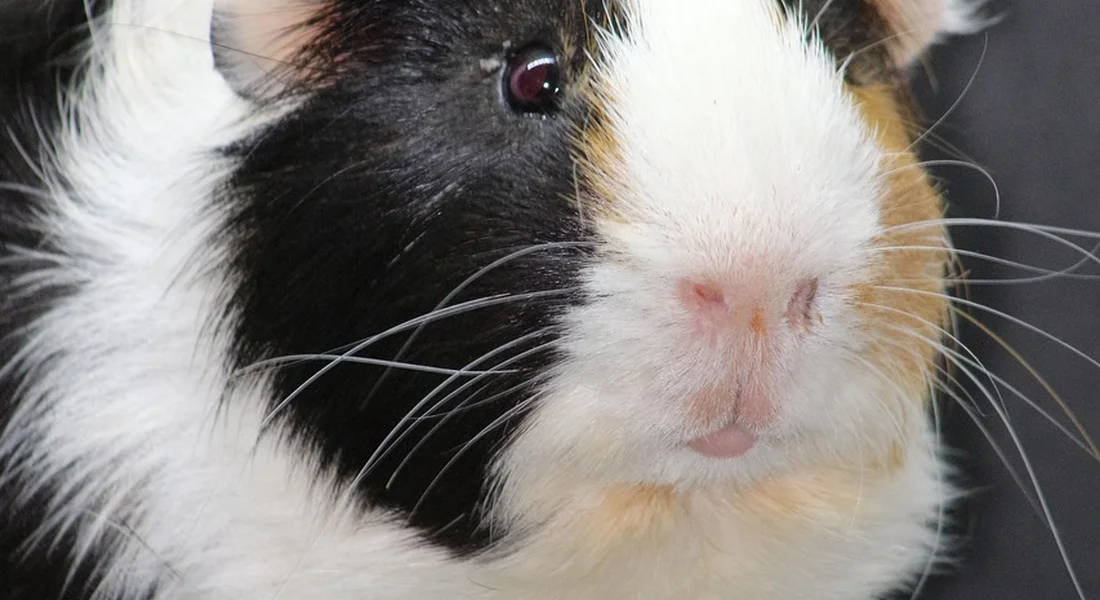
Getting organized before you start is the best way to ensure a smooth experience for everyone. A little prep work upfront prevents a lot of stress later on.
Your Essential Printable Checklists
I never start a sitting job without my checklists. They keep me on track and give the owner peace of mind.
Daily Task Checklist
- Refill fresh, clean water in bottles and bowls.
- Provide a generous portion of fresh timothy hay.
- Serve measured pellets (usually 1/8 cup per pig per day).
- Offer a handful of fresh, safe veggies (e.g., bell pepper, romaine lettuce).
- Spot clean the cage, removing soiled bedding and droppings.
- Spend at least 30 minutes on supervised floor time or gentle handling.
- Perform a quick health check: clear eyes, clean nose, normal breathing.
Emergency Contact & Information Sheet
- Owner’s Full Name & Phone Number
- Backup Emergency Contact
- Preferred Exotic Veterinarian: Clinic Name, Address, Phone
- Nearest 24/7 Emergency Vet Clinic
- Guinea Pig’s Full Name, Age, and any known health conditions
Supply Inventory List
- Timothy Hay (check supply level)
- Pelleted Food (check supply level)
- Bedding (paper, fleece, etc.)
- Fresh Vegetables & Fruits
- Cleaning Supplies (pet-safe spray, paper towels, trash bags)
- Extra Water Bottles & Food Bowls
- Carrier for transport, if needed
Crafting a Clear Sitter-Owner Agreement
A simple agreement sets clear expectations for both you and the pet owner. Putting the details in writing protects you and the pets in your care.
Key elements to include are the specific services you will provide. This covers feeding schedules, cleaning routines, and any exercise or playtime. Be very clear about the number of visits per day and the duration of each visit.
For pricing, consider your experience, the number of pets, and the required tasks. A single guinea pig with straightforward care differs from a trio needing extensive cage cleaning. I always discuss payment terms upfront, including the total fee and when payment is due. For more details on budgeting for guinea pig care, check out this realistic monthly and annual breakdown.
Your agreement should also outline emergency protocols. State that you will make every effort to contact the owner first, but you have permission to seek veterinary care if they are unreachable. Specify who is responsible for associated costs.
Top Questions for First-Time Sitters
If you’re new to guinea pig sitting, don’t be shy about asking questions. Asking thoughtful questions shows the owner you are serious about their pet’s well-being. When you’re choosing a guinea pig veterinarian, have a few questions ready about their experience, dental care approach, and emergency plans. These questions help you find a vet you can trust.
- What is your guinea pig’s exact daily routine for feeding and cleaning?
- Are there any specific health concerns or behaviors I should watch for?
- How does your guinea pig prefer to be handled? Are they skittish or calm?
- Where are their favorite hiding spots, and should I ever try to retrieve them?
- What are the absolute favorite veggies and treats?
- Is there anything in the home I should know about (e.g., other pets, alarm codes)?
- What is the best way and time to reach you for daily updates?
FAQs
What is the typical price for guinea pig sitting services?
Guinea pig sitting prices vary based on location, number of pets, and services required. Expect to pay between $15 to $30 per visit for basic care like feeding and cleaning.
How can I find a reliable guinea pig sitter near me?
Start by asking for recommendations from local veterinarians or guinea pig rescue groups. You can also use pet sitting websites that allow you to filter for small animal specialists in your area. For guinea pigs, specifically look for an exotic veterinarian near you who has proven experience with this species. If possible, call ahead to verify they treat guinea pigs and offer emergency care.
Why is my guinea pig sitting upright, and is it normal?
Guinea pigs may sit upright to get a better view of their surroundings, which is usually normal behavior. However, if it is accompanied by labored breathing or lethargy, it could indicate a health issue and should be checked. Also, if your guinea pig becomes unusually still, cold to the touch, or unresponsive—behaviors that might look like hibernation—these could be critical signs of a life-threatening condition. In such cases, seek urgent veterinary care immediately.
What does it mean if a guinea pig is sitting in its hay bowl?
Sitting in the hay bowl can indicate boredom or a lack of mental stimulation in their environment. It might also suggest illness if the guinea pig is not eating and appears listless.
Can I use a guinea pig rescue to find a sitter?
Yes, many guinea pig rescues have networks of experienced fosters and sitters who understand their specific care needs. These networks can help you properly rehome a foster guinea pig by finding a suitable permanent home and ensuring a smooth transition. You can also learn about adoption steps and post-adoption support. Contact local rescues to inquire about recommended sitters or temporary boarding options.
Your Guinea Pig-Sitting Journey
From my time with Pepper, Clover, and Biscuit, I’ve found that sticking to their feeding schedule and providing a safe, clean habitat prevents most issues. Gentle daily handling builds trust and helps you spot any health changes early on.
Being a dedicated owner means always learning more about guinea pig behavior and eco-friendly care options. Choose sustainable bedding and toys to protect both your pets and the environment for years to come. The distinction between must-have vs nice-to-have guinea pig supplies helps you budget wisely and keep your setup focused on your pig’s essential needs. Start with core items, then add thoughtfully as you observe your guinea pig’s preferences.
Further Reading & Sources
- Pigsitting – Guinea Pig Care Guide – for a pet sitter – Guinea Pig Cages
- How to Find a Guinea Pig Sitter Near Me | TrustedHousesitters.com
- Pig-Sitting – PGPR
- Guinea Pig Sitting Services | Keep Your Piggy Safe While …
Kate is a passionate guinea pig owner and advocate for small pet welfare. With over a decade of experience caring for guinea pigs, she has become a trusted voice in the small pet community.
Uncategorized