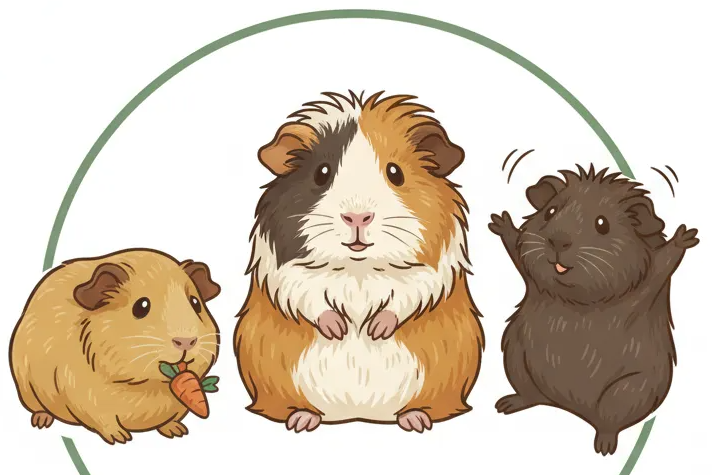
Guinea Pigs and Asthma: What Every Pet Owner Should Know
Published on: March 29, 2026 | Last Updated: March 29, 2026
Written By: Kate M. Callahan
Hello CavyFam! As someone who’s shared my home with guinea pigs for years, I understand the worry about asthma triggers. If you’re concerned about allergies, know that many pet owners face similar questions.
We’ll cover common causes, key symptoms, effective prevention, and safe management strategies. My experience with guinea pigs like Pepper and Clover gives me firsthand insight into keeping both pets and people healthy.
Understanding Asthma and Pet Allergies
Asthma makes your airways swell and narrow, leading to coughing or trouble breathing. Pet allergies happen when your immune system reacts to proteins in animal dander, saliva, or urine. From living with my guinea pigs Pepper, Clover, and Biscuit, I’ve seen how even gentle pets can stir up symptoms in sensitive individuals. Their cozy cages and playful antics bring joy, but tiny particles in the air might trigger wheezing or itchy eyes if you’re prone to allergies.
Allergens from pets latch onto dust and float around your home. Regular cleaning and good ventilation can make a big difference in keeping your space comfortable. I always air out the room where my guinea pigs live to reduce any buildup. If you notice more sniffles after cuddle time, it might be worth checking in with a doctor. Simple steps like washing your hands after handling your pets help too.
- Watch for symptoms like sneezing, chest tightness, or shortness of breath after interacting with your guinea pig.
- Keep a diary of when symptoms occur to spot patterns linked to pet exposure.
- Consult an allergist for testing if reactions persist, so you can manage risks without giving up your furry friends.
Common Allergens from Guinea Pigs
Guinea pigs produce several allergens that can affect people with asthma. Dander, those tiny flakes of skin, is a top culprit because it’s lightweight and spreads easily. With Biscuit’s long Peruvian fur, I’ve learned that grooming sessions release more dander into the air. Urine and saliva also contain proteins that stick to surfaces and can cause reactions. Clover’s graceful movements don’t stop her from leaving traces that might irritate sensitive lungs.
Bedding materials like hay or wood shavings can trap allergens and make them airborne when disturbed. Choosing low-dust bedding and cleaning cages weekly cuts down on allergen levels significantly. I opt for paper-based bedding for Pepper’s enclosure to minimize dust. Always wear a mask during cage cleanings to protect yourself from inhaling particles. This small habit has kept my breathing clear while caring for my pets.
- Dander from skin shedding: Brush your guinea pig outdoors to reduce indoor spread.
- Proteins in urine: Use absorbent, washable liners and change them frequently.
- Saliva on fur or toys: Wipe down surfaces and toys with a damp cloth regularly.
Animal welfare means keeping your guinea pigs healthy to reduce allergen production. A balanced diet and stress-free environment help maintain their skin and coat, lowering dander output. My trio thrives on fresh veggies and hay, which supports their overall well-being. By prioritizing their care, you create a safer home for everyone. Remember, happy guinea pigs mean fewer allergens and more joyful moments together.
Recognizing Guinea Pig Allergy and Asthma Symptoms
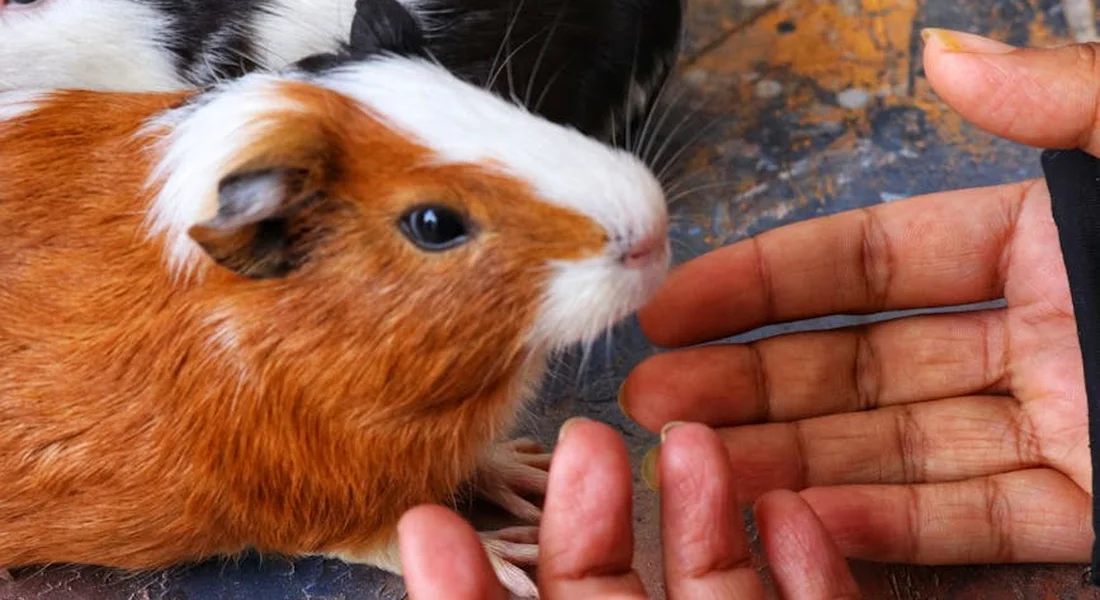
If you start sneezing or wheezing around your guinea pig, it might be more than just a coincidence. I learned this firsthand when my gentle guinea pig Pepper triggered mild sniffles in a visiting friend, reminding me how sensitive some people can be to pet dander. Allergies often show up as itchy eyes, runny nose, or skin rashes after handling your pet or cleaning their cage. If you notice your guinea pig scratching or itching, it could indicate their own skin problems or parasites. Environmental irritants or dry skin can also be culprits.
Asthma symptoms can be more intense, like chest tightness or difficulty breathing. In my experience, Clover’s graceful presence once caused a family member to cough persistently, which was our cue to act fast for their comfort and health. Pay close attention to how your body feels during and after guinea pig interactions.
Common Signs to Watch For
- Sneezing or nasal congestion that starts near the cage
- Watery, red eyes or skin itchiness after touch
- Wheezing or shortness of breath in enclosed spaces
- Coughing fits that ease when you leave the room
Keep a simple log of symptoms to spot patterns over time. Tracking reactions helped me realize that Biscuit’s reserved nature didn’t reduce his dander, so we adjusted our routine to include more handwashing and airing out the room. Early detection makes it easier to manage symptoms without rehoming your furry friend.
Managing Your Home Environment with a Guinea Pig
Creating a safe space for both you and your guinea pig starts with smart home habits. I always place my guinea pigs’ cages in well-ventilated areas, like near a window, to cut down on airborne irritants that could affect breathing. Good airflow reduces dander buildup and keeps the air fresh for everyone. It’s also important to set up the cage properly to provide a comfortable and secure environment.
Regular cleaning is your best defense against allergens. After years of caring for Pepper, Clover, and Biscuit, I stick to a weekly deep-clean schedule using eco-friendly vinegar solutions to wipe down surfaces and wash bedding. This routine minimizes dust and keeps your home smelling clean without harsh chemicals.
Steps for an Allergen-Reduced Home
- Vacuum floors and upholstery with a HEPA filter vacuum twice a week
- Use hypoallergenic bedding, like paper-based options, changed weekly
- Wash your hands thoroughly after handling your guinea pig or their supplies
- Consider an air purifier in rooms where your pet spends most of their time
Choose cage locations away from bedrooms or common sitting areas to limit exposure. Moving Biscuit’s cage to a dedicated pet zone made a huge difference in reducing allergy triggers for my household, while still giving him a cozy spot to thrive. Simple adjustments like this support both human health and guinea pig welfare.
Incorporate natural solutions, like baking soda for odor control, to maintain a balanced environment. I’ve found that a small bowl of baking soda near the cage absorbs smells effectively, making the space more comfortable without risking my pets’ well-being. Air quality matters—household scents and chemicals can irritate a guinea pig’s lungs. Opt for fragrance-free products and ensure good ventilation to keep the air safe. Always test new methods in small steps to ensure they’re safe for your guinea pig’s sensitive respiratory system.
Proactive Health Steps for Potential Owners
Before bringing a guinea pig home, taking a few simple health precautions can make all the difference. I strongly recommend scheduling an allergy test with your doctor if you or a family member has a known history of asthma or allergies. This straightforward step provides clarity and peace of mind before you commit to creating an allergy-friendly space for both humans and guinea pigs.
Spending time with guinea pigs beforehand is an invaluable test. Visit a friend who has them or volunteer at a local rescue. Pay close attention to how your body feels during and after the visit. Do your eyes itch? Does your chest feel tight? My own experience with Pepper taught me that even gentle, low-dander pets can trigger a reaction in sensitive individuals, especially when they’re spooked or stressed.
- Consult your physician about potential pet-related allergens.
- Arrange a hands-on visit with guinea pigs before adoption.
- Monitor for symptoms like wheezing, sneezing, or skin rashes.
- Invest in a high-quality HEPA air purifier for the room where the cage will live.
- Designate a specific, well-ventilated area for cage cleaning and hay storage.
When Guinea Pig Ownership Isn’t Advisable

As much as I adore my trio of piggies, their welfare and your health must come first. If you or a member of your household has severe, uncontrolled asthma, bringing a guinea pig home is an unwise risk. The constant exposure to dander and hay dust can turn a joyful experience into a dangerous one.
I’ve seen situations where the love for an animal conflicts with medical necessity. It’s a heartbreaking decision, but the kindest choice is sometimes to admire them from afar. This is especially true for young children whose respiratory systems are still developing and who may not be able to communicate their symptoms clearly.
- Individuals diagnosed with a severe allergy to guinea pigs or their hay.
- Households with infants or very young children who have reactive airways.
- People whose asthma is not well-managed by medication.
- Those living in a very small, poorly ventilated space where allergens concentrate.
My graceful Clover and reserved Biscuit bring me immense happiness, but their needs and my ability to care for them safely will always be my top priority. Choosing not to own a guinea pig under these circumstances is a responsible act of love for both you and the animal.
Caring for Your Guinea Pig if You Have Allergies
Living with allergies doesn’t mean you can’t enjoy the wonderful companionship of a guinea pig. With a proactive management plan, you can significantly reduce your exposure to allergens and live comfortably with your pets. I’ve managed my own sensitivities while caring for Pepper, Clover, and Biscuit, and it’s entirely possible with a few adjustments. These are common guinea pig allergy symptoms in humans, such as sneezing, nasal congestion, and itchy, watery eyes. Some people may also experience skin irritation or asthma-like symptoms after handling a guinea pig.
Smart Cage Placement and Cleaning
Where you place the cage and how you clean it are your first lines of defense. Keeping the main living area allergen-free is your primary goal for easier breathing.
- Choose a room you don’t sleep in or spend excessive time in, like a spare room or a well-ventilated corner of the living area.
- Use a high-efficiency particulate air (HEPA) purifier near the cage. I run mine constantly, and the difference in air quality is noticeable.
- Opt for low-dust bedding paper or aspen shavings over cedar or pine, which can be irritating.
- Spot-clean the cage every single day. Removing soiled bedding and uneaten veggies promptly prevents allergen buildup.
- Perform a full cage clean with a mild, pet-safe disinfectant once a week. I always wear a simple dust mask and gloves during this deep clean.
Safe and Strategic Handling
How you interact with your guinea pigs can make a big difference. Changing your handling routine can drastically cut down on the allergens that reach you.
- Wash your hands thoroughly with soap and water both before and after you handle your pets.
- Consider wearing a long-sleeved shirt that you can remove after cuddle time. This keeps dander and saliva off your skin and clothes.
- Pet and hold them over their open cage or a playpen. This catches any loose hair before it lands on your furniture or lap.
- Never hold them directly against your face or neck, as this is a direct route for allergens.
Grooming and Diet for Allergen Control
A healthy guinea pig is less likely to shed excessively. A proper diet and grooming routine supports your pet’s skin and coat health, which in turn produces fewer allergens. Understanding guinea pig shedding patterns helps you spot changes early. It also guides you toward practical shedding-management solutions.
- Provide a high-quality diet rich in Vitamin C from fresh bell peppers and leafy greens. A healthy gut means a healthier coat.
- Brush your shorthaired guinea pigs, like my Pepper, once a week. For long-haired breeds like Biscuit, I gently brush him every other day to prevent mats and catch loose hair.
- Bathing guinea pigs is rarely necessary and can dry out their skin, potentially increasing dander. Only bathe them if specifically advised by a vet for a medical reason.
These steps have allowed me to enjoy my three wonderful pigs without constant sniffles. Creating a consistent routine is the most powerful tool you have for managing allergies and ensuring a happy home for everyone.
Common Questions
What are the primary causes of a guinea pig asthma flare-up?
The main triggers are proteins found in guinea pig urine and saliva, which become airborne. These allergens can stick to dust particles and bedding, making them easy to inhale.
What are the medical treatment options for guinea pig allergies?
An allergist may recommend treatments like antihistamines or nasal corticosteroids to manage symptoms. For long-term relief, allergy shots (immunotherapy) can help your body build tolerance to the allergens.
How can I tell if my respiratory symptoms are from my guinea pig?
Symptoms that consistently appear or worsen after handling your pet or cleaning its cage are a strong indicator. A key sign is that your symptoms, such as wheezing or congestion, improve when you are away from the guinea pig’s environment. This underscores the importance of a complete guinea pig hygiene cleaning routine to minimize allergens in the cage and living area. Regular, thorough cleaning—changing bedding, washing surfaces, and maintaining good ventilation—can help reduce symptom triggers.
Living Happily with Guinea Pigs
You can successfully share your home with guinea pigs even with asthma by focusing on excellent cage hygiene and improving your home’s air quality. Simple steps like using low-dust bedding and maintaining good ventilation make a tremendous difference for everyone’s comfort. Properly caring for guinea pigs also means regular cage cleaning, providing fresh hay, water, and enrichment to keep them healthy and happy.
Responsible pet ownership means committing to lifelong learning about your pets’ needs and environmental impact. Choosing sustainable products and supporting animal welfare ensures a healthier life for your guinea pigs and our planet.
Further Reading & Sources
- Using guinea pigs in studies relevant to asthma and COPD – PMC
- Back to the future: re-establishing guinea pig in vivo asthma models | Clinical Science | Portland Press
- The guinea pig as an animal model for asthma – PubMed
- Guinea pigs can get asthma, too
Kate is a passionate guinea pig owner and advocate for small pet welfare. With over a decade of experience caring for guinea pigs, she has become a trusted voice in the small pet community.
Uncategorized