How Often Do Guinea Pigs Poop and Pee? (Normal Frequency Guide)
Published on: February 10, 2026 | Last Updated: February 10, 2026
Written By: Kate M. Callahan
Hello CavyFam! If you’re staring at your guinea pig’s cage, wondering about the sheer volume of droppings, you’re not alone. It’s completely normal to worry if all that poop and pee means something is wrong.
In this guide, I’ll cover normal poop and pee frequency, what healthy droppings look like, signs of digestive trouble, and how to manage cage cleaning. I’ve learned all this firsthand from caring for my three guinea pigs: gentle Pepper, graceful Clover, and intelligent Biscuit.
What Is a Normal Poop Frequency for Guinea Pigs?
My guinea pigs, Pepper and Clover, produce between 100 to 200 poops each day. This steady output is a clear sign their digestive systems are working efficiently.
Healthy droppings are firm, oval pellets with a smooth, dark brown surface. They should roll easily and not stick together or crumble when touched.
You might also notice softer, glossy pellets called cecotropes. Guinea pigs normally eat these directly from their bottom to absorb essential nutrients a second time.
- Consistent poop means food moves properly through their gut, preventing dangerous blockages.
- Regular droppings show they are eating enough hay, which is vital for wearing down their ever-growing teeth.
- A steady output indicates good hydration and helps maintain a stable population of healthy gut bacteria.
How Much Urine Do Guinea Pigs Produce Daily?
Most guinea pigs urinate a small amount many times throughout the day. In total, they typically produce between 50 to 100 milliliters of urine daily.
Healthy urine is clear to a cloudy, pale yellow or creamy white color. The creamy appearance is normal and comes from excess calcium being excreted.
If their urine looks dark yellow or orange, it often signals they need to drink more water. Proper hydration keeps their urine dilute and helps prevent painful bladder stones from forming.
Their water intake directly affects output. On hot days when my guinea pigs drink more, I notice significantly more wet spots in their habitat. I always provide a heavy ceramic water bowl in addition to a bottle, as I’ve found Biscuit prefers drinking from it, which encourages him to hydrate more. This ties into the definitive pros and cons of water bottle vs water bowl for guinea pig hydration. Knowing them can help you choose the setup that keeps your pets best hydrated with minimal mess.
Key Factors That Influence Poop and Urine Frequency
Diet and Hydration Effects
-
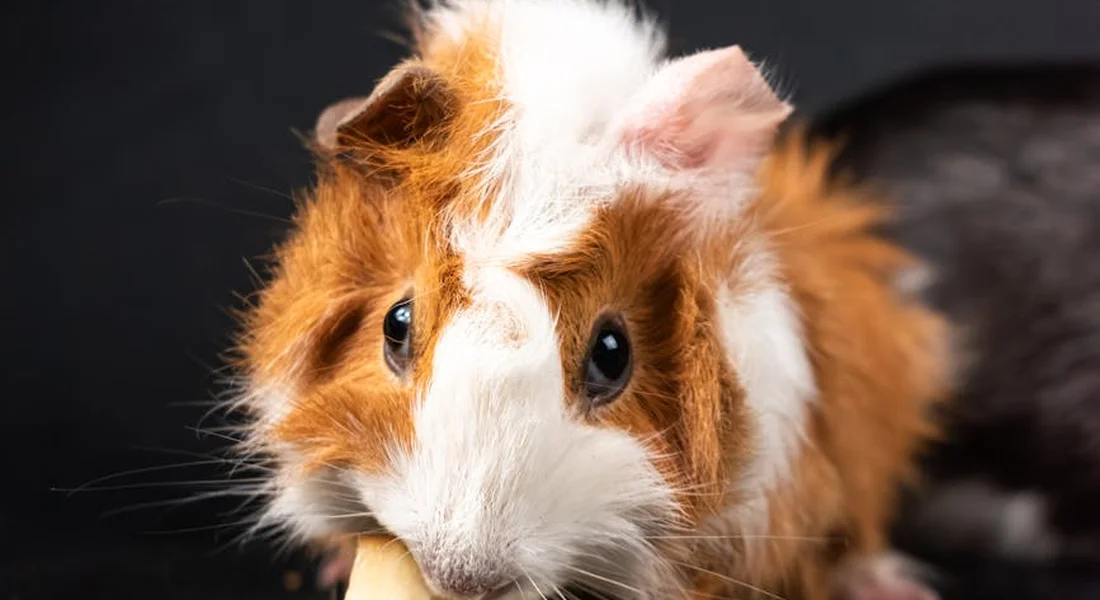
Hay types like Timothy or alfalfa directly affect how often your guinea pig poops. Timothy hay is packed with fiber, promoting steady bowel movements and preventing digestive slowdowns. Alfalfa, richer in protein and calcium, suits young or nursing pigs but can cause excessive pooping in adults if overused.
-
Fresh vegetables and water play a huge role in maintaining normal elimination. Vegetables like bell peppers and leafy greens add moisture and nutrients, while fresh water keeps your guinea pig hydrated and supports healthy urine output. I always provide a mix to my pigs, like Clover, to keep things flowing smoothly.
-
Balancing their diet helps avoid common issues like constipation or diarrhea. I rotate hay and veggies for my guinea pigs, such as Pepper, to ensure they get enough fiber without overloading on watery foods. This approach aligns with the idea of an ideal overall diet for a healthy guinea pig. A steady mix of hay, leafy greens, and limited fruits supports digestion and energy. Too many cucumbers, for instance, can lead to loose stools, so I stick to measured portions.
Age and Health Considerations
-
Young guinea pigs poop and pee more frequently than adults due to faster metabolisms. Babies might eliminate every few minutes, while adults like my Biscuit settle into a more predictable pattern. This difference is normal and tied to growth and energy needs.
-
Illnesses or stress can quickly alter elimination habits, signaling something is wrong. If your guinea pig is unwell or anxious, you might see less poop, changes in urine color, or irregular frequency. I’ve noticed this with my pigs during vet visits or environmental changes. Knowing what’s normal for guinea pig urine and poop color can help you spot when a change deserves attention. Small, persistent color changes or unusual stool can indicate health issues and warrant a vet visit.
-
Seeking vet guidance is essential for managing age-related changes in poop and pee. Veterinarians can offer personalized advice to keep your guinea pig comfortable through different life stages. Regular check-ups help me catch issues early for pets like Clover and Pepper.
How to Monitor Your Guinea Pig’s Poop and Pee Habits
-
Set up a daily observation routine during feeding or playtime to watch for changes. I spend a few minutes each morning with my guinea pigs, noting their behavior and any eliminations while they eat or explore. This makes it easy to spot deviations from their normal routine. By keeping track, you can map their daily activity patterns and learn when they’re most active. Guinea pigs are typically most active in the morning and late afternoon, so planning interaction around those times can help you engage them best.
-
Keep a simple log to track variations in stool or urine amount over time. Jot down notes on frequency and appearance in a notebook or digital app to identify patterns or concerns. I use this method to monitor Biscuit’s health and share details with my vet if needed.
-
Use quick checks for consistency and color during routine cage cleaning. While cleaning, I glance at poop shape and urine spots to ensure everything looks healthy and consistent. This habit helps me maintain a safe, comfortable environment for all my guinea pigs.
Signs of Abnormal Bowel Movements and Urination
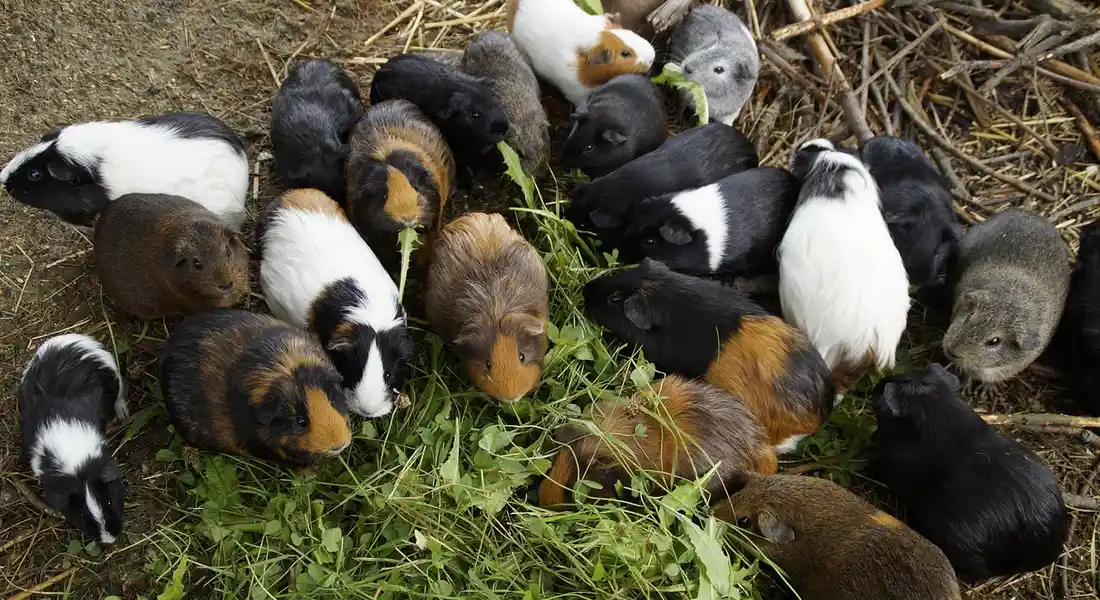
Healthy guinea pig poop should be firm, oval-shaped, and uniform in size. Any deviation can signal a problem needing attention.
- Constipation: Look for very small, hard, or dry pellets. Your guinea pig may strain without producing much. A hunched posture or lack of appetite often accompanies this.
- Diarrhea: Soft, mushy, or unformed stools are a major red flag. You might also see stool stuck to their back end or a messy, smelly cage.
- Urinary Problems: Blood in the urine (which can look pink, red, or rusty) is an emergency. Other signs include crying out while peeing, straining, or passing only tiny drops frequently.
Any sudden change in frequency or consistency means it’s time to call your vet. A single odd poop might not be alarming, but a pattern lasting more than a few hours requires professional insight. I learned this the hard way with Biscuit. After introducing a new vegetable, his normally consistent droppings became soft. Catching it early and adjusting his diet prevented a more serious digestive upset.
The Impact of Stress on Elimination Patterns
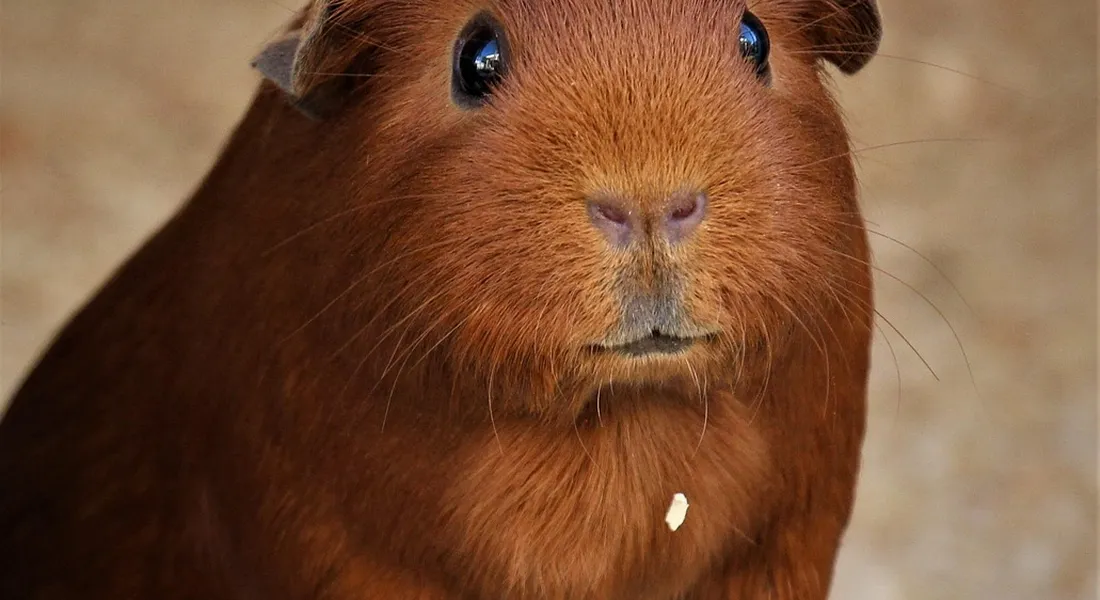
Guinea pigs are sensitive creatures, and stress directly impacts their digestive system. A sudden change in their environment or routine can slow things down or speed them up unexpectedly. To tell if your guinea pig is stressed or anxious, look for signs of guinea pig stress such as hiding more than usual, a change in appetite, or tense body language. Early detection can help you adjust their surroundings to help calm them.
- Moving to a new home, rearranging their cage, or introducing new pets can cause temporary changes in poop and pee frequency.
- Rough handling or excessive noise may cause a guinea pig to hold their waste or, conversely, release it suddenly out of fear.
Creating a calm, predictable environment is the best way to support consistent habits. Provide plenty of hiding spots, maintain a regular feeding schedule, and handle them gently. When I first adopted Clover, she was very skittish. I noticed she would barely eat or poop for hours after any loud noise. By giving her a covered hut and speaking softly around her cage, she gradually relaxed and her habits became much more regular. Pepper, on the other hand, adjusted quickly but still appreciates a calm approach.
When to Seek Veterinary Care for Changes
-
Watch for red flags like a sudden drop in poop output or bloody urine, as these can signal serious issues like blockages or infections. In my years with guinea pigs like Pepper and Clover, I’ve learned that any abrupt change in their bathroom habits demands immediate attention. If your guinea pig seems sick, a complete home troubleshooting checklist can help you act quickly and calmly. It walks you through basics like hydration, warmth, cage cleanliness, and ensuring access to fresh food. Other warning signs include straining to pee, diarrhea, or poop that’s unusually soft, hard, or discolored. If your guinea pig shows lethargy or refuses food alongside these symptoms, it’s a clear signal something’s wrong.
-
Act fast based on symptom severity-if your guinea pig hasn’t pooped in over 12 hours or has bloody urine, contact a vet right away. For milder changes, like a slight dip in frequency without other issues, monitor closely for a few hours but don’t wait longer than a day to seek help. I recall when Biscuit, my Peruvian, once slowed his pooping; waiting even a few extra hours could have worsened his condition. Always err on the side of caution to prevent complications.
-
Rely on professional guidance because guinea pigs hide illness well, and vets can spot problems we might miss. Even with my experience, I’ve seen how timely vet visits saved my pets from urinary tract infections or digestive troubles. That’s why many owners adopt a regular vet visit schedule as part of a complete care plan for guinea pigs. A routine cadence—annual or semiannual exams, dental checks, weight and diet reviews—helps catch issues early and keeps their care consistent. Small animals like guinea pigs need specialized care, so avoid home remedies without expert input to keep them safe and comfortable.
FAQs
How often do guinea pigs poop?
Guinea pigs poop very frequently, often eliminating waste every few minutes during active periods. This high frequency is normal and indicates a healthy, functioning digestive system. Gas is a normal byproduct of their digestion and may show up as occasional farting or burping, which is related to Guinea pig digestion and gas. Vomiting is not typical in healthy guinea pigs, so any vomiting or other digestive changes should prompt a vet visit.
Does diet affect how often a guinea pig poops?
Yes, diet plays a key role in poop frequency, with high-fiber foods like hay encouraging more regular bowel movements. Sudden changes in diet can lead to variations in how often they poop.
What factors influence guinea pig poop frequency?
Factors such as diet, hydration, age, and overall health can influence how often a guinea pig poops. Stress or illness may also cause temporary changes in their elimination patterns.
How can I monitor my guinea pig’s poop frequency?
Monitor poop frequency by observing your guinea pig during daily routines, such as feeding or playtime, to note any deviations. Keeping a simple log of their habits can help you spot trends or concerns early.
When should I worry if my guinea pig’s poop frequency changes?
Worry if there is a sudden, significant decrease or increase in poop frequency, especially if it lasts more than a few hours. Seek veterinary care if changes are accompanied by signs like lethargy or loss of appetite.
Wrapping Up Your Guinea Pig Care Journey
From my years with Pepper, Clover, and Biscuit, I’ve learned that guinea pigs poop and pee frequently, so keeping an eye on their habits helps you spot health changes early. Stick to a consistent routine for feeding and cage cleaning to maintain their well-being and catch any issues before they escalate.
As a guinea pig owner, I encourage you to keep learning about their needs and explore eco-friendly choices like biodegradable bedding. For a practical, ultimate guide to safe bedding options for guinea pigs, check out the comprehensive resource. It offers quick comparisons of materials, safety considerations, and eco-friendly choices. Your commitment to gentle care and sustainability makes a real difference in your pet’s happiness and our planet’s health.
Further Reading & Sources
- The Complete Guide to Guinea Pig Poop
- Why Do Guinea Pigs Poop So Much? – Lafeber Co. – Small Mammals
- Guinea Pig Poop: Everything You’ve Ever Wanted to Know – A-Z Animals
- 2025 Guinea Pig Poop Guide: Health Signs & Chart | GuineaDad
Kate is a passionate guinea pig owner and advocate for small pet welfare. With over a decade of experience caring for guinea pigs, she has become a trusted voice in the small pet community.
Uncategorized