How to Introduce Your New Guinea Pig to Other Pets Safely
Hello CavyFam! Are you feeling a mix of excitement and nerves about bringing your new guinea pig home to meet your other furry friends? It’s completely natural to worry about their first interactions and ensuring everyone stays safe and happy.
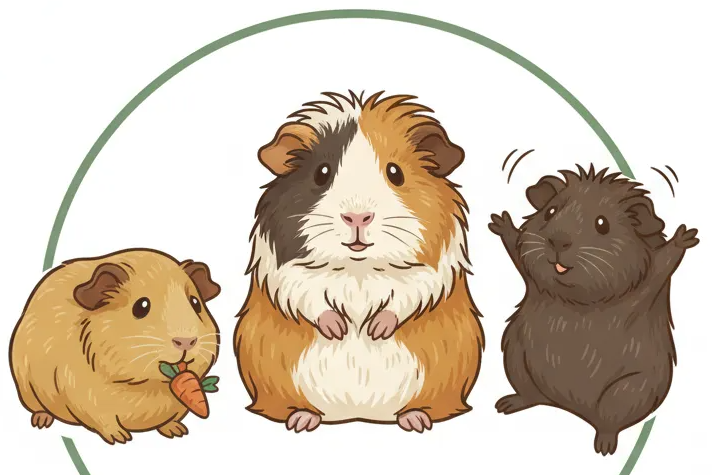
In this article, I’ll guide you through assessing pet personalities, setting up a safe space, gradual introduction steps, and reading stress signals. Having introduced my guinea pigs-like gentle Pepper, graceful Clover, and reserved Biscuit-to other pets over the years, I’ve learned what works through firsthand experience.
Preparing Your Home and Pets for a Smooth Introduction
-
Creating a calm, quiet environment reduces stress for your guinea pig during introductions. Sudden noises or bustling activity can trigger fear, making it harder for pets to feel secure around each other. I recall when I first introduced Biscuit to my home; her reserved nature meant that even a loud TV sent her hiding, so I always dim lights and minimize distractions now.
-
Pet-proofing your space eliminates hazards that could lead to injuries or escapes. Start by removing small items they might chew on and securing loose wires or toxic plants out of reach. Here are steps I follow based on my experience with Pepper and Clover:
- Block off narrow gaps under furniture where pets could get trapped.
- Use non-toxic, eco-friendly cleaners to avoid harmful residues.
- Check for sharp edges or unstable objects in the interaction area.
-
Separate housing initially gives your new guinea pig time to adjust without pressure from other pets. This solo period helps them build confidence in their own safe space before facing new companions. When I brought home Clover, I kept her in a separate cage for over a week, and her thoughtful personality blossomed without the stress of immediate introductions.
-
Assessing the temperament of existing pets like dogs, cats, or rabbits prevents potential conflicts. Look for cues like a dog’s relaxed posture or a cat’s curious but non-aggressive stance to gauge their readiness. For example, I once evaluated a friend’s rabbit by observing if it approached calmly rather than charging, which told me it was open to gradual meetings. The same idea applies to guinea pigs: knowing their personality helps plan gentle introductions and reduce stress. Guinea pigs can be bold or cautious, and recognizing their temperament makes handling and socialization safer and more comfortable.
Step-by-Step Guide to Slow and Safe Introductions
-
Start with scent swapping between pets to build familiarity without direct contact. Rub a soft cloth on one animal and place it near the other’s living area to let them acclimate to each other’s smell. I did this with Pepper and a neighbor’s cat, and within days, both seemed less anxious during feedings.
-
Use barriers or enclosed spaces for initial visual contact to minimize risks. A sturdy pen or clear divider allows pets to see each other while keeping them safely apart. When introducing Biscuit to a dog, I used a mesh gate, and her intelligent curiosity helped her observe without feeling threatened.
-
Gradually allow closer interactions under constant supervision to monitor behavior. Short, controlled sessions prevent overwhelm and let you step in if tensions rise. With Clover, I slowly reduced the distance over several days, always staying within arm’s reach to ensure her graceful movements weren’t misinterpreted.
-
Incorporate positive reinforcement with treats for calm behavior to encourage peaceful associations. Reward both pets with small, healthy snacks when they remain relaxed near each other. I give Pepper bits of fresh veggies and praise other pets simultaneously, reinforcing that gentle actions lead to good things.
-
Monitor for signs of stress or aggression and adjust the pace based on their reactions. Watch for hiding, teeth chattering, or raised fur, and slow down if you see any warning signals. Every pet is unique; Biscuit needed extra time compared to Pepper’s steady demeanor, so I tailored introductions to their individual comfort levels.
Recognizing Guinea Pig Introduction Noises and Body Language
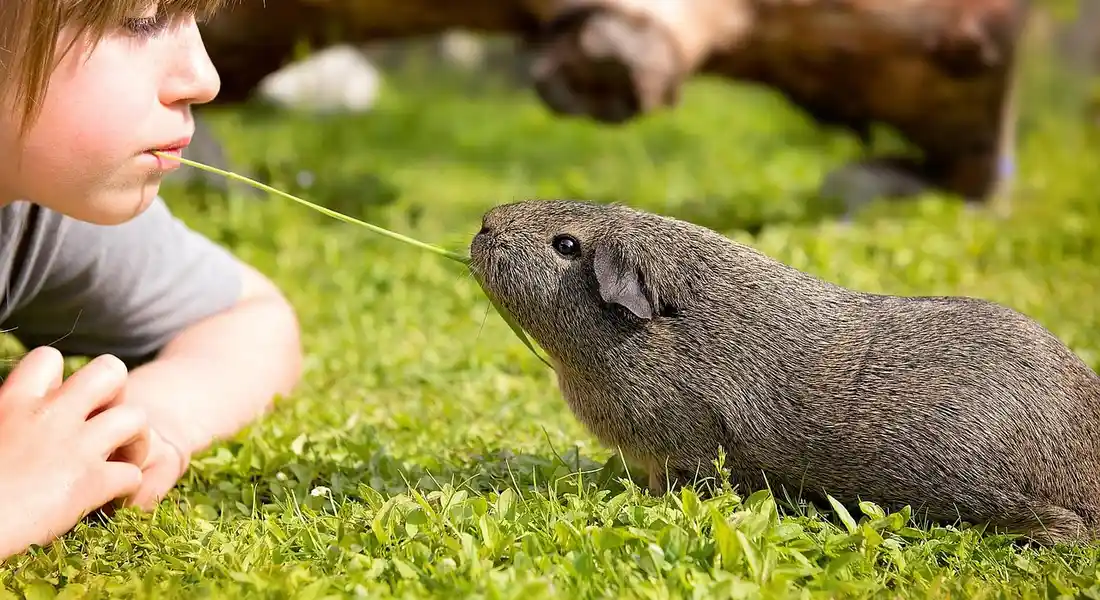
When you bring your new guinea pig face-to-face with other pets, their sounds and movements speak volumes. Paying close attention to these signals helps you step in before things get stressful for your furry friends. Learning to interpret common guinea pig behaviors and body language helps you read their cues quickly. That way you can intervene early if fear or aggression arises.
-
Guinea pigs communicate through distinct noises like chirping, which often means curiosity, or rumbling, signaling dominance or unease. This is part of a complete guide to guinea pig vocalizations and what they mean. I’ve noticed Pepper’s gentle rumbles during introductions; they tell me he’s setting boundaries without aggression, much like his steady personality. Understanding these signals can help you respond appropriately as you learn Pepper’s language.
-
Body language clues include freezing-a sign of fear as they try to stay unnoticed-or puffing up their fur to appear larger and more intimidating. Clover’s graceful nature means she freezes when uncertain, so I always give her space to feel secure again.
-
Spot stress by watching for rapid breathing, hiding, or high-pitched squeals, while positive engagement shows in relaxed postures, slow movements, or soft purring. Biscuit’s reserved but intelligent demeanor means he’ll cautiously explore when comfortable, a clear green light for me to continue.
-
Interpret other pets’ behaviors too; dogs might stiffen or wag tails slowly out of curiosity, and cats may crouch or twitch tails due to predatory instincts. Rewarding calm actions in dogs, like sitting quietly, reinforces safe interactions and builds trust over time.
Tailoring Introductions for Different Types of Pets
Introducing to Dogs
-
Keep your dog on a leash in a controlled, quiet space to manage the size difference and prevent sudden movements. This setup lets you intervene quickly, ensuring your guinea pig feels protected during those first meetings. It’s crucial to make your new guinea pig feel safe during these introductions.
-
Reward your dog with treats for calm behaviors, such as lying down or ignoring the guinea pig entirely. Positive reinforcement helps dogs link the guinea pig with good experiences, reducing any urge to chase or bark. Similarly, calming and reducing stress in guinea pigs is essential for their wellbeing.
Introducing to Cats
-
Set up high perches for your cat to observe from above and provide secure hideouts for your guinea pig to retreat to if needed. This arrangement minimizes the cat’s natural hunting instincts and gives your guinea pig a safe haven to relax. To help protect your guinea pig cage from other pets, place the cage on a sturdy stand and keep it in a room where access is limited for dogs and cats. Use a secure latch and consider additional barriers to prevent curious noses from reaching in.
-
Supervise all interactions closely to catch any signs of predatory behavior before they escalate. From my experience, even a calm cat can switch to hunter mode in a flash, so never leave them alone together initially.
Introducing to Rabbits or Birds
-
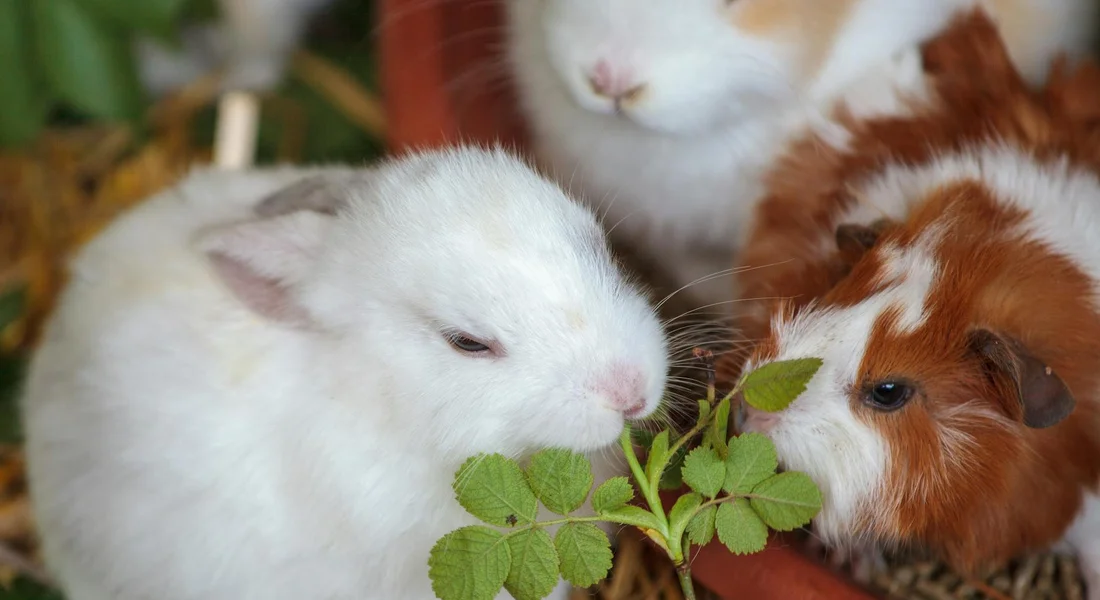
Address compatibility by understanding that rabbits may view guinea pigs as rivals, so ensure plenty of separate space to avoid fights. Guinea pigs and rabbits have different social needs, which can lead to tension if their territories overlap too much. This topic is part of the guinea pigs live with other pets guide on interspecies compatibility.
-
Use gradual exposure with short, supervised sessions, slowly increasing time as they grow accustomed to each other. This step-by-step approach prevents territorial disputes and encourages peaceful cohabitation through patience.
Monitoring and Adjusting After the Initial Introduction
-
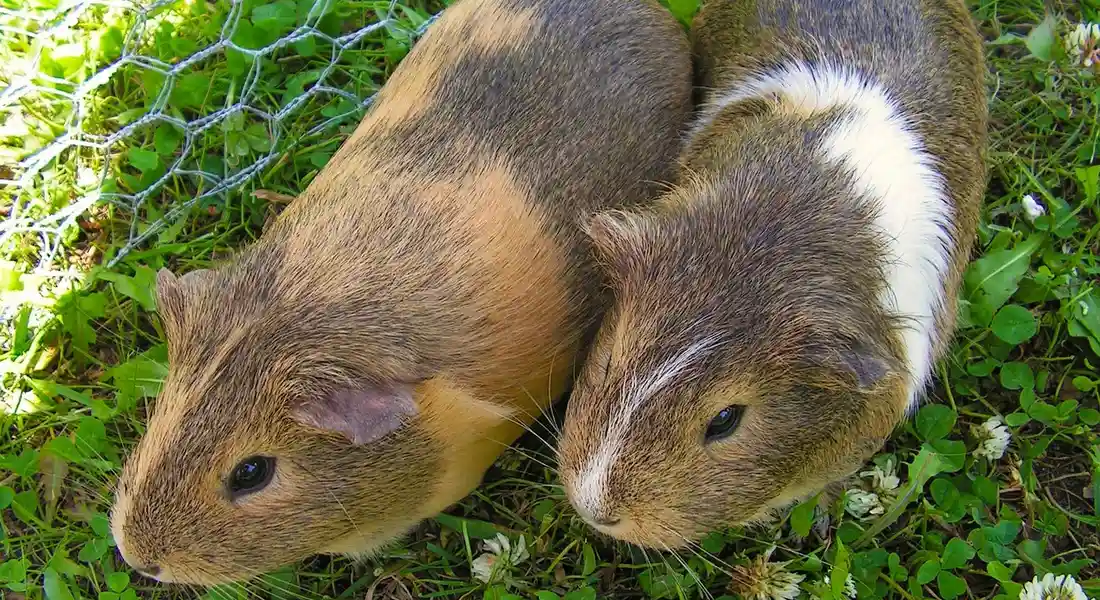
Watch for subtle cues to gauge long-term harmony or hostility among your pets. Harmony often shows through relaxed body language, like guinea pigs popcorning or dogs wagging their tails during interactions. I’ve seen this with Pepper and Clover; they’ll share a hideout without fuss, a sign they feel safe together. Hostility might involve constant chasing, loud vocalizations, or one pet always hiding. Keep a daily log to spot patterns over weeks.
-
Enrichment activities are key to reducing tension and keeping everyone engaged. Rotate toys weekly to prevent boredom-try tunnels, chew sticks, or puzzle feeders filled with veggies. From my own setup, I scatter hay for Biscuit to forage, which mimics natural behavior and distracts her from potential conflicts. For other pets, use interactive toys that encourage calm play, not competition.
-
Separate living arrangements become necessary if aggression escalates or stress signs persist. If bites, injuries, or constant fear responses occur, it’s safer to house pets apart permanently. I had to do this temporarily with Biscuit when she seemed overwhelmed; a divided cage gave her space to thrive. Always prioritize their well-being over forcing a bond.
-
Patience and a consistent routine help pets feel secure over time. Stick to regular feeding, play, and quiet hours to build trust gradually. In my home, morning veggie time with all pets nearby has taught them to associate each other with positive experiences. Avoid sudden changes that could reignite tension.
When to Seek Help from a Veterinarian or Expert
-
Clear signs of ongoing stress or bite risk demand professional advice. Watch for weight loss, excessive hiding, or wounds that don’t heal-these can indicate serious issues. With Pepper, I once noticed she stopped eating after a rough intro; a vet visit revealed a minor injury needing care. Don’t wait if you see repeated aggression or fear.
-
Aggression that doesn’t improve with time warrants expert intervention. If after a month, pets still hiss, growl, or fight during supervised meetings, consult a behaviorist. I learned this when Clover’s graceful nature turned skittish around a new cat; an expert helped us adjust the introduction pace. Persistent hostility can harm all animals involved.
-
Health checks post-introduction are vital to rule out underlying problems. Schedule a vet visit to ensure no illnesses are causing behavior changes, like infections or pain. After introducing Biscuit, a check-up confirmed she was healthy, which eased my mind about her reserved personality. Regular exams support long-term harmony and animal welfare.
FAQs
What do different guinea pig sounds mean during introductions?
Guinea pigs use noises like high-pitched squeals to express fear or distress, while soft purring often signals contentment. Recognizing these sounds helps you intervene early to keep interactions positive and reduce stress for all pets. In a new owner’s guide to interpreting common guinea pig sounds, you’ll learn what each noise means and how to respond. This knowledge helps you support your pet’s well-being from day one.
How long should the guinea pig introduction process take?
The timeline varies based on individual pet personalities, but it can take from a few days to several weeks for safe acclimation. Always proceed at a pace that minimizes stress, watching for calm behaviors before moving to the next step.
What are signs that a guinea pig introduction is going well?
Positive indicators include relaxed body postures, gentle exploration, and shared quiet moments without aggression. If pets show curiosity rather than fear, like sniffing calmly, it suggests they are building a comfortable relationship.
Why might my guinea pig chatter its teeth when meeting another pet?
Teeth chattering is a common warning sign of irritation or a desire to establish dominance during introductions. It often precedes aggression, so separate the pets briefly and slow down the process to prevent conflicts.
How can I help my guinea pig feel less scared during initial meetings?
Provide plenty of hiding spots and use scent swapping beforehand to build familiarity in a low-pressure way. Keeping sessions short and rewarding calm behavior with treats can gradually boost their confidence around other animals.
Your Journey to Peaceful Pet Friendships
From my time with Pepper, Clover, and Biscuit, I’ve seen that slow, supervised introductions in a neutral area prevent most conflicts. Always keep initial interactions brief and positive to build trust between your pets.
Staying curious about guinea pig care helps you provide a safer, happier home while reducing waste with eco-friendly choices. Learning how to properly care for guinea pigs—housing, diet, and enrichment—helps you meet their needs. This knowledge makes daily care easier and keeps your pets thriving. Your commitment to learning and gentle practices makes a world of difference for your furry friends and our environment.
Further Reading & Sources
- How to introduce guinea pigs – PDSA
- Introducing Guinea Pigs To Other Pets | Making Introductions | Guinea Pigs
- How to introduce guinea pigs to your other pets – GuineaDad
- Guinea Pig Companionship | Bonding with your guinea pigs | Guinea PIg Awareness Week
Kate is a passionate guinea pig owner and advocate for small pet welfare. With over a decade of experience caring for guinea pigs, she has become a trusted voice in the small pet community.
Uncategorized