What Are the Common Causes of Guinea Pig Death and How to Prevent Them?
Hello CavyFam, losing a guinea pig can feel overwhelming, and you might be worrying about unseen health risks. It is natural to seek ways to safeguard your pet’s well-being and avoid common pitfalls.
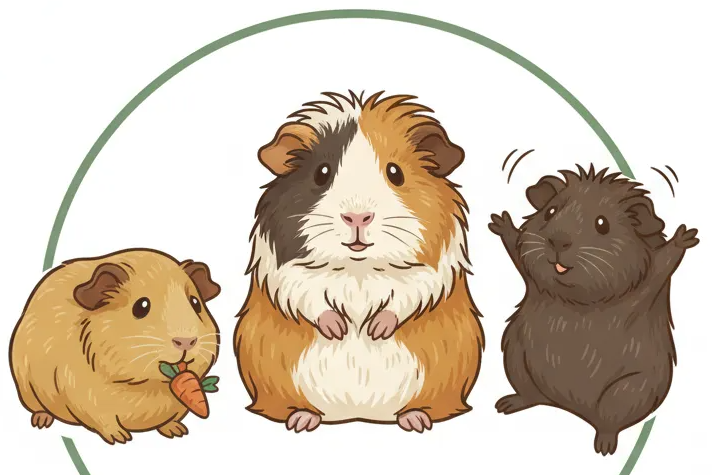
This guide will address respiratory illnesses, dietary mistakes, environmental hazards, and stress-related issues, offering clear prevention steps. My years of caring for guinea pigs like Pepper, Clover, and Biscuit have taught me how to spot and stop these dangers early.
Understanding Guinea Pig Death Causes
Guinea pigs, like my gentle Pepper and thoughtful Clover, often hide their discomfort until it’s too late. Recognizing early signs of illness can save your pet’s life, as I’ve learned through caring for my trio over the years. Many deaths stem from preventable health issues, so staying observant is key.
Their small size makes them vulnerable to sudden changes. I always check on Biscuit daily to catch any odd behaviors, like reduced activity or appetite loss. This habit has helped me address problems before they escalate.
Health Conditions That Lead to Guinea Pig Death
Health problems are a major culprit in guinea pig fatalities. From respiratory infections to dental woes, these conditions can sneak up if you’re not vigilant. Let’s break down the common ones and how to tackle them. When you perform a health check, learn how to safely handle your guinea pig gently and securely to prevent slipping. Supporting the chest and hindquarters helps you inspect eyes, teeth, and fur without stressing them.
Nutritional Deficiencies and Digestive Issues
Guinea pigs can’t produce vitamin C, leading to scurvy if their diet lacks fresh veggies. I make sure Pepper gets bell peppers daily, as his golden-brown coat thrives on this routine. A poor diet causes weight loss and digestive blockages.
Watch for symptoms like diarrhea or bloating. Offering hay and limiting sugary treats keeps their gut healthy, something I prioritize for all my pigs. Here’s a quick prevention list:
- Provide unlimited timothy hay for digestion
- Include vitamin C-rich foods like kale or oranges
- Avoid sudden diet changes to prevent stress
Respiratory and Organ Diseases
Respiratory infections are common in damp or dirty cages. Clover’s graceful nature means she’s sensitive to drafts, so I keep her enclosure clean and warm. These illnesses can quickly turn fatal without treatment.
Look for signs like sneezing or labored breathing. Regular vet check-ups catch issues early, which saved Biscuit from a serious infection once. Prevention steps include:
- Clean the cage weekly to reduce bacteria
- Ensure good ventilation without cold drafts
- Monitor for lethargy or discharge from eyes
Dental Problems and Growth Issues
Overgrown teeth are a silent killer, as guinea pigs’ teeth never stop growing. Biscuit’s reserved personality meant I had to watch closely for drooling, a sign of dental pain. Without proper chewing, they can starve. Regular dental health care for guinea pigs is essential, including a hay-rich diet and routine veterinary checks. Early signs like drooling or trouble chewing should prompt a vet visit.
Provide chew toys and a balanced diet to wear teeth down. I give my pigs wooden blocks, which they gnaw on happily, preventing costly vet trips. Key tips to follow:
- Offer hard foods like carrots to naturally file teeth
- Check for weight loss or difficulty eating
- Schedule annual dental exams with a vet
Environmental and Care-Related Guinea Pig Death Causes
Temperature Extremes and Unsafe Housing
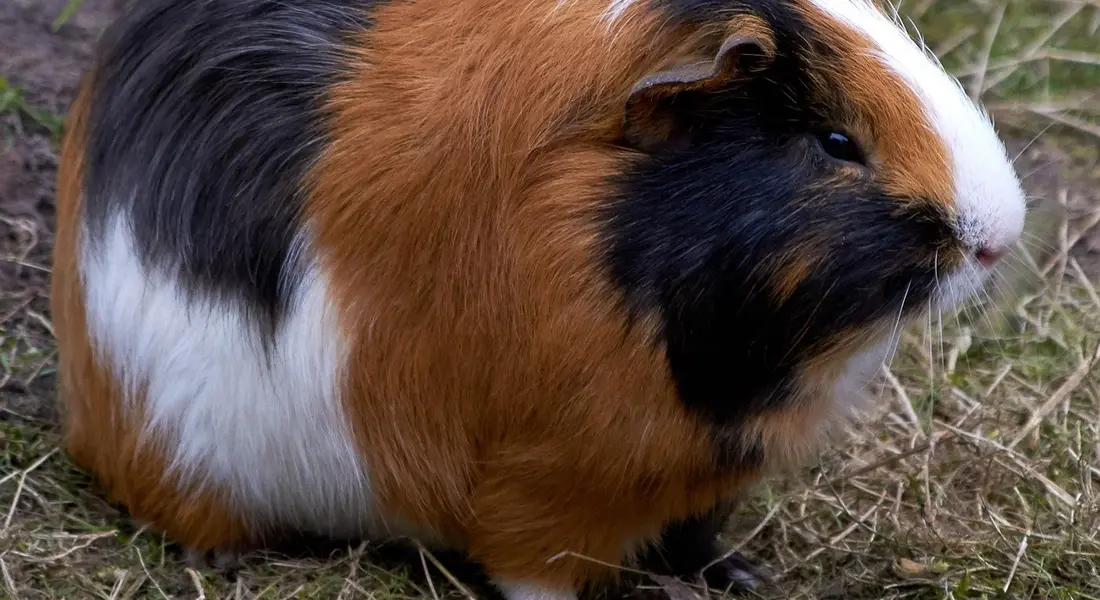
Guinea pigs cannot handle sudden temperature changes, and I’ve seen how quickly things can go wrong. Their ideal range stays between 65°F and 75°F to avoid heatstroke or hypothermia. Maintaining that ideal temperature range is essential for their comfort and health. Monitoring room temperature helps prevent emergencies. One summer, I nearly lost Pepper when his cage sat in direct sunlight; he became lethargic and panted heavily until I moved him to a cooler spot. Always place cages away from windows, heaters, or drafts to keep them safe.
Unsafe housing includes small cages, wire floors, or poor ventilation. A spacious, solid-floor cage with good airflow prevents injuries and respiratory issues. For my trio, I use a large enclosure with fleece bedding, which I found reduces foot sores and keeps them comfortable. Check for sharp edges and ensure the space allows for natural behaviors like running and hiding.
- Monitor room temperature with a thermometer daily.
- Provide shade and fresh water to combat heat.
- Avoid plastic huts that trap heat; opt for ceramic or wood hideouts.
Stress and Psychological Factors
Stress weakens their immune system, making them prone to illness. Loud noises, rough handling, or loneliness can trigger severe anxiety in guinea pigs. I noticed Biscuit, who’s reserved, would hide for days after a noisy party, so I now keep their area quiet and calm. Gentle interactions and a predictable routine help ease their fears.
Guinea pigs are social animals and thrive with companionship. Isolation can lead to depression and even premature death, so pair them with a compatible friend. When I introduced Clover to Pepper, their bond reduced stress-related behaviors like over-grooming. Watch for signs of stress, such as teeth chattering or lack of appetite, and address them promptly.
- Handle your guinea pig gently and briefly to build trust.
- Provide hiding spots and toys to encourage mental stimulation.
- Keep their environment consistent to minimize surprises.
Preventing Common Guinea Pig Death Causes
Daily Care and Monitoring
Consistent daily checks catch problems early, and I’ve saved my guinea pigs from serious issues this way. Spend at least 10 minutes each day observing their behavior, eating habits, and droppings for changes. With Clover, I once spotted abnormal droppings that signaled a digestive issue, and quick action prevented it from worsening. This habit helps you bond and spot red flags fast.
Fresh food, water, and clean bedding are non-negotiable. Replace water daily and offer a balanced diet of hay, veggies, and pellets to support their health. I make sure Pepper, who’s steady and gentle, always has access to timothy hay, as it aids digestion and prevents blockages. A simple daily routine can prevent many common ailments.
- Weigh your guinea pig weekly to track weight loss or gain.
- Check for discharge from eyes or nose, which could indicate infection.
- Ensure their cage is cleaned regularly to avoid bacterial buildup.
Regular Health Check-ups and Veterinary Care
Even healthy-looking guinea pigs need vet visits, as they hide illness well. Schedule check-ups every 6 to 12 months to catch hidden issues like dental problems or parasites. Guinea pigs benefit from regular vet visits as part of a complete care schedule. A routine plan includes dental checks, weight monitoring, nail trims, and parasite prevention. I take Biscuit for annual exams, and the vet once found early signs of mites that I’d missed. Proactive care extends their life and reduces emergency risks.
Find a vet experienced with guinea pigs, as they have unique needs. Discuss diet, behavior, and any concerns during visits to tailor care to your pet. For my group, I keep a health journal to share with the vet, noting things like Clover’s graceful movements or Pepper’s steady appetite. If you have a new guinea pig, plan their first veterinary check-up as a baseline health assessment. It helps set starting points for ongoing care. This advocacy ensures they receive the best treatment possible.
- Vaccinate and deworm as recommended by your vet.
- Ask about spaying or neutering to prevent reproductive cancers.
- Keep emergency vet contacts handy for sudden health crises.
Coping with Guinea Pig Loss
Losing a guinea pig is a profound and painful experience. Your grief is completely valid, and it’s okay to feel a deep sense of loss for your small friend. If you’re navigating this as a family or with children, our grieving loss guinea pig guide offers gentle guidance to support owners and families through the process. I still miss the quiet, gentle presence of my first guinea pig, Pepper; his passing left a quiet space in our home that was hard to ignore.
Allow Yourself to Grieve
Small pets leave big paw prints on our hearts. Don’t let anyone minimize your sadness. Give yourself permission to cry, reminisce, and feel the full weight of your emotions. It is a natural and necessary part of healing.
Practical Steps After a Passing
Handling the practicalities can feel overwhelming when you’re grieving. Here is a simple list to guide you.
- Handle with Care: Wrap your guinea pig in a soft, clean cloth or a small blanket. This feels more respectful than a plastic bag.
- Choose a Final Resting Place: You have several options. A backyard burial is common, but ensure it’s deep enough to deter other animals. Pet cemeteries offer dedicated services, and cremation is another thoughtful choice, sometimes allowing you to keep the ashes.
- Comfort a Surviving Cagemate: Guinea pigs are social and grieve too. Let the surviving pig see and smell their passed companion’s body. This helps them understand the loss and can prevent them from endlessly searching.
Supporting a Lonely Guinea Pig
Your remaining guinea pig will need extra love and attention. Spend more time talking to them, hand-feeding their favorite veggies, and providing plenty of gentle interaction. Monitor their eating and drinking closely, as depression can cause them to stop. Look for signs your guinea pig is bored, such as restlessness or ignoring enrichment. If you see this, try adding new toys, a tunnel, or a changed routine to fix it.
In my experience, after Clover passed, Biscuit became very withdrawn. We made a point to sit with him during our evening TV time, letting him snuggle in a blanket on our laps, which seemed to bring him great comfort.
Creating a Memorial
Honoring your pet’s memory can be a beautiful part of the healing process.
- Plant a flower or a small bush in their favorite spot.
- Create a photo collage or a small shadow box with their favorite toy.
- Write down your favorite memories of them in a journal.
These acts aren’t about forgetting; they are about celebrating the joy they brought into your life. Creating a small memorial helps transform your grief into a lasting tribute of love.
FAQs
What is the guinea pig death process like?
Guinea pigs often experience a gradual decline, with increased lethargy and withdrawal in their final days. Providing a calm, comfortable environment can help ease their passing and reduce stress. Proper guinea pig care includes clean housing and a balanced diet. Gentle handling and regular wellness checks are essential to properly caring for guinea pigs.
What are some overlooked symptoms that could indicate a guinea pig is critically ill?
Subtle signs like changes in vocalization or excessive hiding may point to serious issues that are easily missed. Prompt veterinary attention is crucial if you notice these behaviors to prevent worsening conditions.
How long do guinea pigs typically grieve after the death of a cage mate?
Grieving can last from a few days to several weeks, often shown through reduced activity or appetite. Offering extra companionship and enrichment can support their emotional recovery during this time.
Your Guinea Pig’s Health is in Your Hands
By focusing on a balanced diet, a clean habitat, and attentive daily observation, you create a strong foundation for your guinea pig’s long-term health. An ideal overall diet for a healthy guinea pig includes unlimited hay, fresh vegetables, a small portion of fortified pellets, and fresh water daily. This balance supports dental health, digestion, and essential vitamin C needs. Preventing common causes of death truly comes down to these consistent, loving actions you take every single day.
Being a responsible pet owner means committing to a journey of continuous learning, always seeking new ways to improve your pet’s life and your caregiving methods. Let your love for these wonderful animals inspire you to learn more, choose sustainable options, and provide the compassionate home they deserve.
Further Reading & Sources
- Guinea Pigs Can Suddenly Die – the Reasons behind this – PETBOOK
- 12 Potential Causes of Sudden Death in Guinea Pigs – HubPages
- Disorders and Diseases of Guinea Pigs – All Other Pets – Merck Veterinary Manual
- Demography, commonly diagnosed disorders and mortality of guinea pigs under primary veterinary care in the UK in 2019-A VetCompass study – PMC
Kate is a passionate guinea pig owner and advocate for small pet welfare. With over a decade of experience caring for guinea pigs, she has become a trusted voice in the small pet community.
Uncategorized