What Are the First Signs of Stress in New Guinea Pigs? (And How to Help)
Hello CavyFam! Welcoming a new guinea pig into your home is exciting, but it’s completely normal to feel a bit anxious about their adjustment. Spotting stress early can make all the difference in helping your pet feel safe and loved from day one.
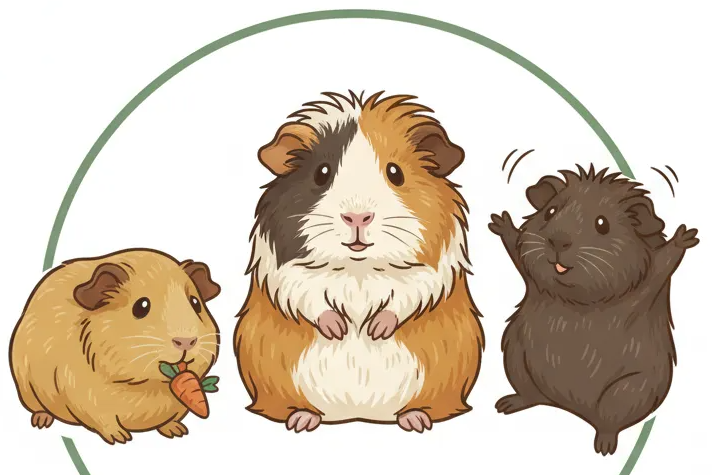
We’ll dive into identifying subtle stress cues, uncovering common triggers, and sharing actionable tips to ease their worries. I’ve raised guinea pigs like Pepper, Clover, and Biscuit for years, so you’re learning from real-life experience.
Early Signs of Stress in Guinea Pigs
Spotting stress early helps you act fast to comfort your pet. I’ve learned that guinea pigs show stress through subtle shifts in their daily habits.
- Behavior changes: Your guinea pig might avoid play or seem unusually skittish.
- Lethargy: They may sleep more or move slowly, lacking their usual energy.
- Reduced appetite: Watch for less interest in favorite veggies or hay.
- Hiding: Spending extra time in hideouts can signal they feel unsafe.
- Crouching: A low, tense body position often means they’re on edge.
- Hunched posture: This makes them look smaller and can indicate pain or fear.
Physical clues are easy to miss but vital to catch. Regular checks for weight and coat condition saved me from bigger health scares with Pepper.
- Weight loss: A sudden drop, even a few grams, needs attention.
- Hair loss: Patches of missing fur, especially if they’re over-grooming.
- Rough coat: Instead of smooth fur, it might feel coarse or look dull.
Their sounds tell a story of how they’re feeling inside. Listening closely to vocal changes helped me understand Biscuit’s quiet distress during a move.
- Teeth grinding: A soft, grinding noise can mean discomfort or anxiety.
- Chattering: Quick teeth clicks often show irritation or warning.
- Squeaking: Unusual high-pitched sounds might signal fear or pain.
- Changes in sounds: If they’re suddenly silent or too vocal, it’s a clue.
Why Your Guinea Pig Might Feel Stressed
Understanding the causes lets you create a calmer home. From my experience, small changes in their world can trigger big stress reactions.
Environmental factors play a huge role in their comfort. Loud noises like vacuums or shouting made Clover freeze in fear until I moved her cage to a quieter spot.
- Loud noises: Sudden sounds from TVs, appliances, or people can startle them.
- Poor enclosure setup: A small cage, lack of hiding spots, or dirty bedding adds stress.
Social needs are core to their happiness. Guinea pigs thrive in pairs or groups, so isolation can leave them lonely and anxious. Loneliness can cause chronic stress and health problems that may shorten their lifespan. You can learn more about this [here](https://thehayhutch.com/can-guinea-pigs-die-from-loneliness). Providing a companion helps prevent this and supports their overall well-being.
- Isolation: Keeping them alone without a companion often leads to depression.
- Improper introductions: Rushing new guinea pig meetings can cause fights or fear.
Routine and care shifts disrupt their sense of security. Even a change in feeding time once stressed Pepper, reminding me how sensitive they are to consistency.
- Routine disruptions: Altered meal times, new people, or moved furniture unsettle them.
- Grooming changes: If they stop cleaning themselves or others, it might signal underlying stress.
How to Calm a Stressed Guinea Pig Right Away
-
Step 1: Remove stressors and ensure a quiet, safe space. I immediately move my guinea pigs’ cage away from loud noises like TVs or barking dogs. A calm corner works wonders for their nerves. Closing the door to the room can create a peaceful sanctuary where they feel secure.
-
Step 2: Use calm handling and gentle interactions. Speak to them in a soft, soothing voice and avoid sudden movements. I let Pepper sniff my hand before any petting, which builds trust. Gentle strokes along their back, not over the head, help them relax without feeling threatened.
-
Step 3: Offer enrichment like hideaways and familiar items. Providing cozy hideouts gives them a place to retreat. I often place a small fleece blanket that smells like me inside their hideaway. Adding familiar chew toys or a handful of hay can distract and comfort them quickly.
-
Step 4: Monitor for improvements in behavior and appetite. Watch for signs they are starting to explore or nibble on food again. I keep a mental note of when Biscuit begins to popcorn or Clover starts her soft purring. These small victories show they are feeling safer and less stressed.
Creating a Low-Stress Home for Your Guinea Pig
-
Emphasize proper nutrition and a clean enclosure. Fresh hay, clean water, and daily veggies keep their diet balanced and their minds at ease. I spot-clean my pigs’ cage every day to remove waste and replace soiled bedding. A clean space prevents illness and reduces anxiety from unpleasant smells.
-
Suggest enrichment ideas to reduce boredom and anxiety. Rotate toys like tunnels, balls with bells, and cardboard castles to keep things interesting. I hide small pieces of veg around their pen for foraging fun. Simple DIY items like empty toilet paper rolls stuffed with hay provide hours of engagement.
-
Highlight the importance of routine and calm environments. Guinea pigs thrive on predictability, so feed and interact with them at similar times each day. I maintain a quiet household during their most active hours, early morning and dusk. Consistent care helps them feel secure and minimizes unexpected stress. Such consistency helps calm anxious guinea pigs and reduce stress. Keep handling gentle and the environment quiet to reinforce that calm.
When to Seek Help for a Stressed Guinea Pig
While some nervousness is normal in new guinea pigs, certain behaviors signal a deeper problem. You should contact your veterinarian immediately if your guinea pig shows persistent lethargy, stops eating entirely, or experiences severe weight loss. I learned this the hard way when my guinea pig, Biscuit, became unusually quiet and stopped approaching his food bowl—a stark contrast to his normally reserved but curious self. Understanding normal feeding behavior is crucial to recognizing when something is wrong.
Identify Danger Signs
Watch for these specific red flags that demand professional attention. Persistent lethargy means your pet isn’t just resting but appears weak, unresponsive, or struggles to move. A healthy guinea pig like my energetic Pepper should show interest in their surroundings, even if they’re shy.
- No eating or drinking for more than 12 hours
- Visible, rapid weight loss-you can feel their spine and ribs easily
- Sunken eyes or a hunched posture
- Labored breathing or wheezing sounds
- Diarrhea or unusually soft droppings
Advise on Vet Check Timing and What to Report
Don’t wait to see if symptoms improve on their own. Call your exotic animal vet as soon as you notice any danger sign, as guinea pigs can deteriorate quickly. When my Clover stopped eating, I scheduled a same-day appointment and brought a list of observations that helped the vet tremendously.
- Note when symptoms first appeared and how they’ve changed
- Record their food and water intake for the past 24 hours
- Describe their environment, including recent changes
- Mention their normal behavior versus current behavior
- Bring a fresh stool sample if possible
Note How Stress Can Lead to Serious Health Issues
Chronic stress weakens your guinea pig’s immune system and can trigger life-threatening conditions. Prolonged stress often leads to gastrointestinal stasis, where their digestive system slows or stops completely. This requires immediate medical intervention, as guinea pigs cannot vomit and need constant food movement through their system. By understanding these causes of guinea pig death, you can take steps to prevent them and keep your pet healthier. Early prevention and regular vet checks are key to reducing the risk of fatal complications.
Other complications from untreated stress include:
- Respiratory infections from suppressed immunity
- Dental problems from not eating enough hay
- Urinary tract issues and bladder stones
- Behavioral changes like increased aggression or excessive hiding
- Poor coat condition and skin problems
Early veterinary care can prevent these secondary health issues and get your guinea pig back to their happy, wheeking self. Remember that you know your pet best—trust your instincts when something seems wrong. If you’re bringing home a new guinea pig, schedule their first veterinary check-up soon to establish a health baseline and guidance for ongoing care. This first check-up can set you up with a care plan for your new pet.
| Symptom | Action Required | Timeframe |
|---|---|---|
| Not eating | Call vet immediately | Within 12 hours |
| Lethargy lasting all day | Schedule same-day appointment | Within 24 hours |
| Weight loss | Schedule check-up | Within 2-3 days |
| Labored breathing | Emergency vet visit | Immediately |
FAQs
Can stress be fatal for guinea pigs?
Yes, chronic stress can lead to severe health decline and potentially fatal conditions if left unaddressed. Seeking veterinary help early is key to preventing life-threatening outcomes.
What are specific stress signs in guinea pigs during nighttime?
At night, stressed guinea pigs may refuse to leave their hideouts or show restlessness by pacing frequently. You might also notice them being unusually alert or avoiding their usual sleeping spots. To tell if your guinea pig is stressed or anxious, observe patterns over several days and note any new behaviors. Common signs include hiding more than usual, changes in appetite or grooming, and louder or more frequent vocalizations.
What noises do stressed guinea pigs make at night?
Stressed guinea pigs can produce heightened teeth chattering or repetitive squeaking sounds during the night. These vocalizations often occur when they feel threatened or unable to settle in the dark. You can learn more about guinea pig noises and behaviors at night.
How quickly can stress symptoms appear in new guinea pigs?
Stress symptoms can emerge within the first few hours after bringing a guinea pig home, such as hiding or not eating. Rapid changes in behavior are common as they react to their new environment. This raises the question of whether fear and stress also impact their health and daily patterns. Understanding this link can help caretakers monitor health-related behaviors like appetite, grooming, and activity as part of assessing stress levels.
Is it possible for guinea pigs to overcome stress without intervention?
Minor stress from short-lived triggers may lessen on its own, but persistent stress typically needs owner support to resolve. Creating a calm, consistent routine helps them regain their sense of security.
Your Gentle Journey Begins Now
By watching for subtle shifts in behavior and appetite, you can quickly identify and soothe your new guinea pig’s stress. Creating a quiet, predictable environment with plenty of hiding spots is the most powerful first step you can take to build their trust. As you continue, gentle handling and a consistent routine will help your guinea pig feel safe and acclimated to their new home.
Owning a guinea pig is a rewarding commitment that deepens with your continued care and learning. Choosing sustainable bedding and toys not only helps our planet but also creates a healthier, happier home for your new friend. Understanding guinea pig nesting behavior helps you tailor that bedding to their needs, keeping the nest warm and dry. It also guides when to refresh bedding and add cozy nesting spots.
Further Reading & Sources
- Know Your Guinea Pig Is Happy | RSPCA – RSPCA – rspca.org.uk
- Guinea Pig Stress Signs | Chewy
- Stressed Guinea Pig? How to Spot the Signs | 9 Ways to Calm Your Cavy – Home & Roost
- How stress presents itself in guinea pigs, hamsters and other small furries – Molesey Vets
Kate is a passionate guinea pig owner and advocate for small pet welfare. With over a decade of experience caring for guinea pigs, she has become a trusted voice in the small pet community.
Uncategorized