Do Guinea Pigs Blink and How Do Their Eyelids Work?
Published on: March 22, 2026 | Last Updated: March 22, 2026
Written By: Kate M. Callahan
Hello CavyFam! Have you ever noticed your guinea pig’s eyes staying wide open and questioned if they ever blink like we do? It’s a common worry for pet parents who want to catch any early signs of eye trouble or simply understand their furry friend’s habits better.
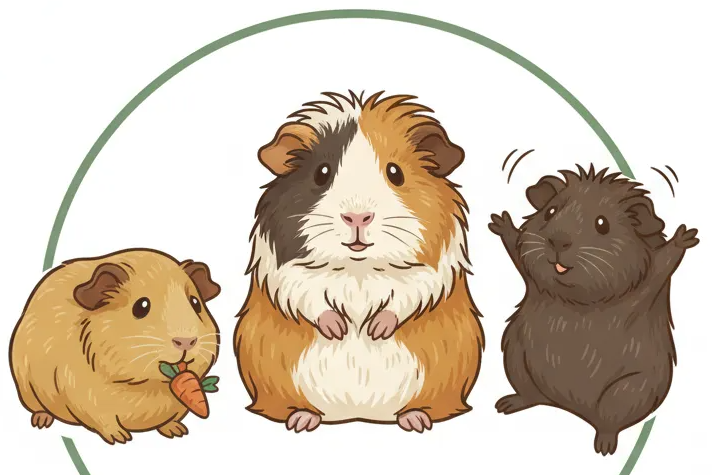
I’ll break down blinking frequency, eyelid anatomy, common eye concerns, and simple care tips you can use today. My insights come from years of hands-on experience with my own guinea pigs-Pepper, Clover, and Biscuit-so you’re getting advice tested in real life.
The Simple Answer: Do Guinea Pigs Blink?
Yes, guinea pigs do blink, but you might not notice it often. Their blinks are quick and subtle, so paying close attention helps you spot this gentle action. I’ve spent countless hours watching my guinea pigs, like gentle Pepper and graceful Clover, and I can tell you their blinks are infrequent compared to ours.
Guinea pigs blink to moisten their eyes and clear away dust. Since they are prey animals, they rely on keen vision to stay alert, which means blinking less frequently than humans do. When Biscuit, my reserved Peruvian, feels safe and cozy, I’ve seen her blink slowly, almost like a contented sigh. It’s one of the ways to tell if your guinea pigs are happy.
A Closer Look at Guinea Pig Eyelid Anatomy
Guinea pigs have upper and lower eyelids that work together to protect their eyes. These eyelids are thin and delicate, designed to shield their vision without obstructing it. Because their eyes sit on the sides of their heads, guinea pigs have a broad field of view that helps them spot movement quickly. This broad vision works hand in hand with their eyelids, letting them forage with good awareness of their surroundings. Over the years, I’ve learned that their eye structure is efficient for their active, foraging lifestyle.
Here’s a quick breakdown of how their eyelids function:
- Upper eyelid: Moves downward to cover the eye during a blink.
- Lower eyelid: Provides support and helps spread tears evenly.
- Together, they keep the eye clean and hydrated.
Blinking in guinea pigs is a rapid reflex. If you see your guinea pig blinking more than usual, it could signal irritation, so check for dust or debris in their habitat. Blink rate can also change when your guinea pig is stressed or anxious, so keep an eye on their overall behavior. If you notice signs like restlessness, hiding, or changes in appetite, your pet may be stressed. I always make sure my pets’ living areas are tidy to prevent eye issues.
The Hidden Protector: The Third Eyelid
The third eyelid, or nictitating membrane, is a transparent layer that sweeps across the eye from the inner corner. This membrane acts like a built-in windshield wiper, cleaning and protecting the eye without a full blink. I first noticed this on Clover when she was exploring new hay, and it reminded me how nature equips them for survival.
This eyelid serves several key roles:
- It moistens the eye by spreading tears.
- It removes small particles to prevent infections.
- It allows guinea pigs to see clearly while keeping their eyes safe.
In my care, I’ve seen how a healthy third eyelid helps guinea pigs like Biscuit stay comfortable. If this membrane is visible often, it might indicate stress or illness, so monitor your pet closely. Regular vet check-ups ensure their eyelids function properly, supporting overall well-being.
How Guinea Pig Eyes Stay Healthy Without Constant Blinking
The Role of Tears and Eye Moisture
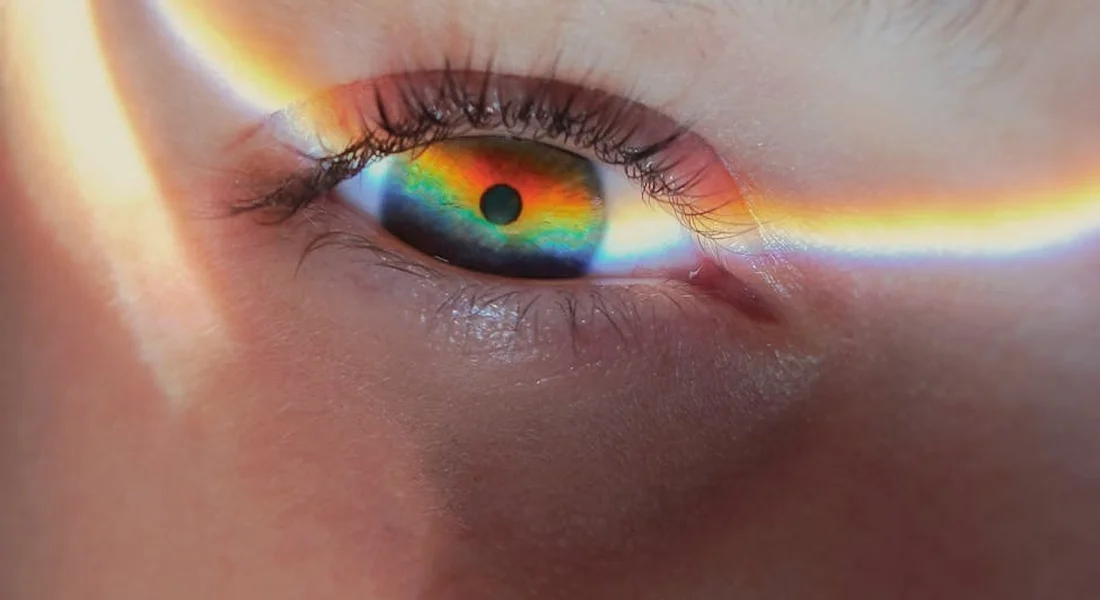
Guinea pigs do not blink often, but their eyes stay moist thanks to a steady flow of tears. Their tear glands work continuously to spread a protective film over the eye surface. I have noticed with Pepper that her eyes always look bright and clear, even during long naps. Unlike us, guinea pigs don’t see a wide range of colors, but their vision is well-adapted for detecting movement and assessing their environment.
A special third eyelid, called the nictitating membrane, helps sweep debris away and keeps moisture even. This membrane acts like a built-in windshield wiper for their delicate eyes. From caring for Clover, I see how this natural design prevents dryness without frequent blinking.
- Tears provide constant lubrication to avoid irritation.
- The third eyelid moves horizontally to distribute moisture.
- Healthy diets rich in vitamin C support good tear production.
Keeping their habitat clean and dust-free is crucial for eye health. I always check for any signs of crust or discharge during daily interactions with Biscuit. This simple habit helps catch issues early and keeps their vision sharp.
What Your Guinea Pig’s Blinking Behavior Really Means
When Blinking Signals a Problem
Occasional blinking is normal, but frequent or forceful blinking can point to trouble. If your guinea pig blinks more than usual, it might feel discomfort from an irritant. I recall Biscuit blinking rapidly once due to a tiny piece of bedding in his eye.
Watch for other signs like redness, swelling, or pawing at the face. These behaviors often mean it is time for a vet visit to rule out infections. With Clover, I learned that swift action prevents minor issues from worsening.
- Check for foreign objects like dust or hay snippets.
- Ensure cage bedding is soft and non-abrasive.
- Consult a vet if blinking persists beyond a few hours.
Guinea pigs hide pain well, so blinking changes are a key clue. Regular gentle inspections help you spot problems before they affect their quality of life. My experience with Pepper taught me that attentive care makes all the difference.
Creating a Safe Habitat for Sensitive Guinea Pig Eyes
Guinea pigs rely heavily on their vision to navigate and feel secure, so a clean, low-dust environment is key to preventing eye irritation. I always check for sharp edges or loose fibers in their cage that could accidentally poke or scratch their delicate eyes. Properly caring for guinea pigs means more than eye safety. Consistent cage maintenance and a healthy diet are essential. From my time with Clover, her graceful nature means she avoids messy areas, so I keep her space tidy to reduce stress on her eyes.
Choosing the Right Bedding and Accessories
Select bedding that minimizes dust and allergens to protect those sensitive peepers. Paper-based or fleece liners work wonders because they are soft and don’t release particles into the air. Avoid cedar or pine shavings, as the oils can irritate eyes and respiratory systems. Here’s a quick list of safe options I’ve used for Biscuit, who’s reserved but curious:
- Recycled paper bedding: Absorbent and nearly dust-free.
- Fleece blankets: Washable and gentle on paws and eyes.
- Aspen wood shavings: A safer wood alternative if kept dry.
For accessories, opt for smooth, rounded hideouts and toys without small parts. I’ve found that placing items in consistent spots helps guinea pigs like Pepper, who’s steady and methodical, move around without bumping into things. Regularly clean all surfaces to prevent mold or bacteria buildup that could lead to eye infections.
Supporting a Guinea Pig with Vision Challenges
If your guinea pig shows signs of poor vision, such as bumping into objects or hesitating to move, it’s time to adjust their care routine. Early detection through gentle observation can make a huge difference in their quality of life. In my experience, older pigs like Clover may develop cataracts, so I schedule vet check-ups to monitor changes. Eye health is a common concern in guinea pigs, and they can develop issues that affect vision, such as cataracts or conjunctivitis. While not all cases lead to blindness, regular eye checks help catch problems early.
Adapting Your Care for a Visually Impaired Friend
Caring for a visually impaired guinea pig requires patience and small changes to keep them safe and happy. Start by keeping their habitat layout the same so they can memorize paths using smell and sound. I do this with Biscuit, using her intelligence to learn her surroundings. Guinea pigs are smart and observant, often learning through routine and exploration. You can learn more about their intelligence [here](https://thehayhutch.com/how-smart-and-intelligent-are-guinea-pigs). Recognizing their intellect helps us tailor care that supports their memory and problem-solving. Follow these steps to ease their daily life:
- Place food and water in fixed, easy-to-find locations.
- Use soft vocal cues or gentle taps to guide them without startling.
- Add textured mats or rugs to help them feel their way around.
Spend extra time bonding through touch and voice to build trust. Guinea pigs with vision issues often rely on familiar sounds and scents to feel secure, so consistency is your best tool. Over time, this steady approach helps timid guinea pigs overcome shyness and build step-by-step confidence. Each small, positive interaction reinforces trust and encourages them to explore. Always handle them gently and avoid sudden movements to prevent stress or injury.
FAQs
Can I use a human blanket in my guinea pig’s cage?
No, human blankets often have loose fibers or dyes that can be harmful if ingested. Opt for pet-safe fleece or paper-based bedding to protect your guinea pig’s health.
What should I do if my guinea pig is blind in one eye?
Keep their cage layout consistent and remove any hazards to prevent accidents. Schedule a vet visit to check for underlying causes and get tailored care advice.
How can I care for a blind guinea pig?
Maintain a stable environment and use sound or scent cues to help them navigate. Handle them gently and provide reassurance to reduce stress and build trust.
Why do guinea pig siblings run around their cage?
This energetic behavior, known as popcorning, indicates happiness and playfulness. It’s a natural way for them to bond and express well-being in a safe space.
Are blankets safe for guinea pig bedding?
Yes, but choose fleece blankets designed for pets to avoid irritation from materials or chemicals. Regularly wash and secure them to prevent chewing or entanglement risks.
Caring for Your Guinea Pig’s Eyes
Guinea pigs do blink, but not as often as humans, so keep an eye out for any unusual discharge or redness that could signal a problem. From my experience with Pepper, Clover, and Biscuit, I always check their eyes during daily handling to ensure they’re clear and healthy. During gentle petting, watch for signs they enjoy it—like leaning into your touch or closing their eyes in contentment. If they back away, tense up, or vocalize stress, stop and try again later. Maintain a clean, low-dust environment in their cage to prevent irritation and support their unique eyelid function.
As a pet owner, commit to learning more about guinea pig care through reliable sources and vet consultations. Choosing eco-friendly options, like biodegradable bedding, not only protects your pet but also supports a healthier planet for all animals. Our ultimate guide on bedding options for guinea pigs walks you through the best materials, suitable depths, and maintenance tips. It helps you make safer, cleaner, and more comfortable choices for your pets. Stay curious and proactive in your journey to provide the best life for your furry friends.
Further Reading & Sources
- Blinking | The Guinea Pig Forum
- Can Guinea Pigs Blink? Everything You Need to Know!
- Blinking and associated eye movements in humans, guinea pigs, and rabbits – PubMed
- Do Guinea Pigs Blink? Behavior, Anatomy & FAQ | Hepper Pet Resources
Kate is a passionate guinea pig owner and advocate for small pet welfare. With over a decade of experience caring for guinea pigs, she has become a trusted voice in the small pet community.
Uncategorized