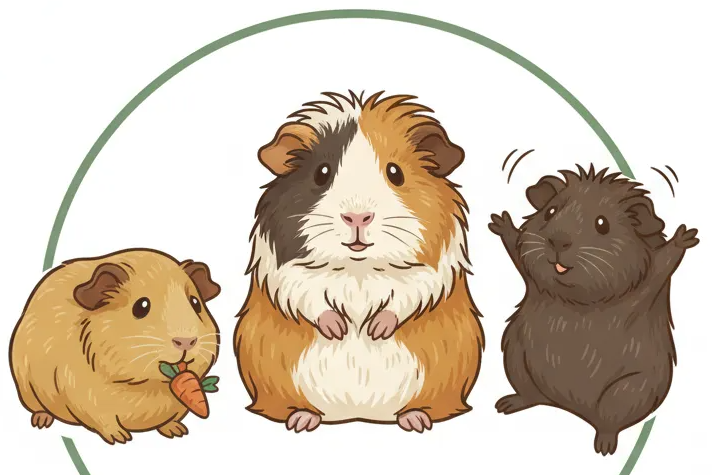
Helping Your Surviving Guinea Pig Cope After Loss
Published on: March 25, 2026 | Last Updated: March 25, 2026
Written By: Kate M. Callahan
Hello CavyFam, losing a guinea pig companion is heart-wrenching, and you might feel unsure how to support your grieving pet. You’re likely concerned about loneliness or changes in their eating and behavior.
I’ll guide you through recognizing grief signs, daily comfort methods, and thoughtful steps for new introductions. With years of experience caring for guinea pigs like gentle Pepper, graceful Clover, and reserved Biscuit, I’ve personally helped them through similar tough times.
Understanding Guinea Pig Grief and Bereavement
When my sweet Clover passed away last year, I watched her cagemate, Pepper, completely transform. Guinea pigs feel loss deeply, and their grief is a quiet, profound process that reshapes their daily existence.
From my experience, their mourning isn’t dramatic, but a subtle shift in their entire being. You might notice the loud “wheeking” for veggies turns into silence, or the happy popcorning stops completely.
- Reduced vocalizations, especially the excited squeaks when you approach.
- Less exploratory behavior and a noticeable drop in playfulness.
- Seeking out and sleeping in the spot their friend favored.
Guinea pigs are intensely social creatures wired for constant companionship. Losing a cagemate leaves a void in their world that directly impacts their sense of safety and routine. They no longer have their grooming partner, their nap buddy, or their quiet conversationalist. Are these signals just routine interactions, or do they indicate a real bond? Understanding these common bonding behaviors helps you interpret what they mean for your guinea pigs.
Recognizing Signs of Grief in Your Surviving Guinea Pig
After Biscuit lost his friend, he spent days just sitting in his hidey, facing the wall. Behavioral changes are your biggest clue that your piggy is processing a significant loss.
Keep a close watch on their daily patterns. A grieving guinea pig might start refusing their favorite bell pepper or take only a few sips of water throughout the day. For a weekly guinea pig care routine, these observations belong on the ultimate checklist to track changes over the week. Keep notes to spot trends and adjust care as needed.
- Hiding more than usual and avoiding interaction, even with you.
- A clear decline in appetite or disinterest in treats they once loved.
- Drinking less water, which requires immediate attention to prevent dehydration.
Listen closely to the sounds they make. You might hear low, mournful rumbles or long, sad-sounding whistles instead of their normal chatter.
Lethargy is another major red flag. A piggy that once zoomed around their cage may now move slowly or seem generally “down,” lacking their usual spark. This isn’t just sadness; it’s a physical manifestation of their emotional state.
Immediate Steps to Take After a Cagemate Passes
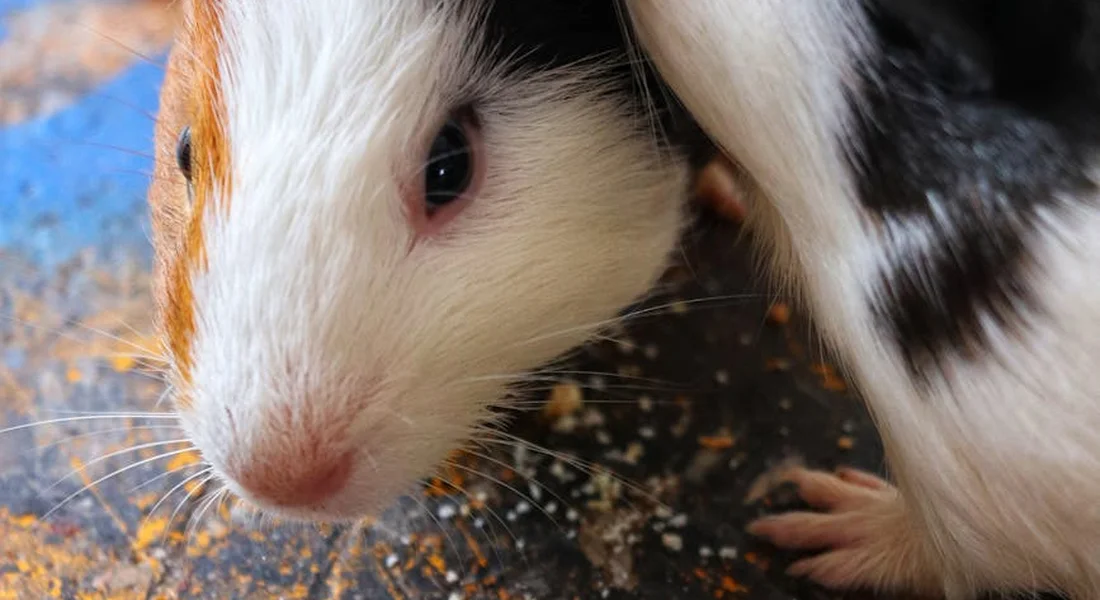
When a guinea pig loses a buddy, their little world feels empty. Your quick, caring actions can ease their heartache and guide them through this tough time. If you’re considering keeping a single guinea pig, they often benefit from a friend. We’ll share safe, gradual introduction tips.
- Allow the survivor to see the passed cagemate for closure
- Clean the cage to reduce stress from scents
- Provide extra comfort through gentle handling and familiar items
Let me walk you through each step with tips from my own guinea pig family.
First, let the surviving guinea pig see their passed friend. This visual goodbye helps them understand the loss and stops them from endlessly calling out. I did this with Clover when another pig passed; her graceful nature made her accept it quietly, reducing her anxiety.
Next, clean the cage thoroughly to remove lingering scents. A fresh environment lowers stress by eliminating reminders that can trigger sadness. Use vinegar and water for a safe clean-it works wonders without harsh chemicals.
Lastly, offer extra comfort through gentle touches and favorite items. Holding your guinea pig close or keeping their well-loved hideout nearby provides a sense of security. With Biscuit, who’s reserved, I found that his cream-patterned blanket calmed him instantly. These comforts are part of proper guinea pig care. Pair them with a clean cage, fresh hay, and regular gentle handling to support their well-being.
Comforting Your Grieving Guinea Pig Through Daily Care
Daily routines become anchors for a grieving guinea pig. Sticking to familiar habits reassures them that life goes on, even when it hurts.
- Maintain a consistent routine for feeding and play
- Use gentle handling and soft talking to offer reassurance
- Introduce enrichment toys to distract and engage
Here’s how to weave these into your care, based on what helped my pigs heal.
Keep feeding and playtimes on a regular schedule. Predictability gives them stability when everything else feels uncertain. Pepper, with his steady personality, perked up when meals arrived at the same time each day.
Handle your guinea pig gently and speak in soft tones. Your calm voice and touch can be a powerful comfort during their lonely moments. I often chat softly with Clover while stroking her light brown fur—it seems to ease her thoughtful mind. You can tell if she enjoys being petted when she leans into your hand, closes her eyes, or purrs softly. If she tenses or tries to move away, give her a break.
Add new toys or rotate old ones to keep them engaged. Enrichment activities shift their focus from grief to curiosity and fun. Simple items like cardboard tunnels or hay balls worked for Biscuit, sparking his intelligent side.
When to Consider a New Companion for Your Guinea Pig
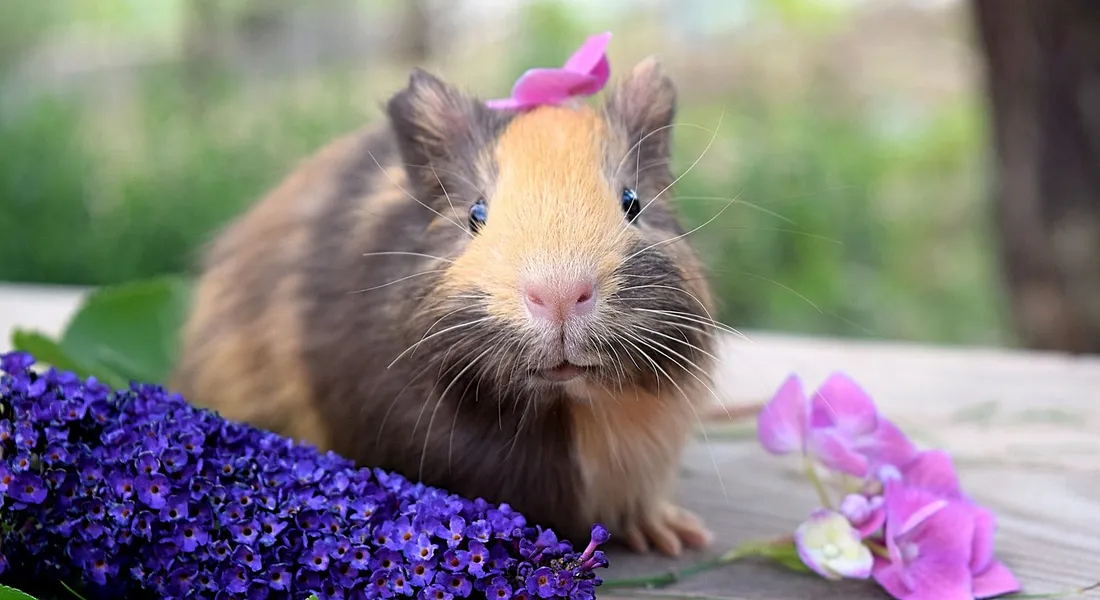
Guinea pigs are profoundly social animals, and their grief is real and observable. Watch for a consistent decline in eating habits or a lack of interest in favorite vegetables, as this is a major red flag for depression. I’ve seen my own guinea pig, Biscuit, go through this; she became much quieter and stopped “wheeking” for her meals after her friend passed. You can learn more about recognizing depression in guinea pigs to better understand their emotions.
- Observe for signs of lasting loneliness or improved mood. A grieving guinea pig may hide constantly, vocalize less, and move slowly. An improved mood looks like renewed curiosity, active exploration, and a healthy appetite returning.
- Evaluate if your guinea pig shows interest in socialization. Does he perk up when hearing other guinea pigs on videos? Does he seem to look for his lost friend around the cage? This searching behavior often signals a readiness for new company.
- Discuss adoption options with rescues for a good match. Rescue staff can help pair your guinea pig with a compatible friend based on personality, not just looks, which dramatically increases the success of the new bond. I found Clover’s gentle nature was a perfect balance for Pepper’s more energetic personality.
How to Introduce a New Guinea Pig Companion Safely
Rushing an introduction can cause stress and fights, undoing all your good intentions. The goal is to build a positive association from the very first sniff, not to force an instant friendship. Patience here is your most valuable tool.
- Prepare a neutral space for initial meetings. Use a clean playpen or a bathtub lined with towels-any area where neither pig has established territory. This prevents immediate territorial disputes over a familiar home cage.
- Monitor interactions for positive or aggressive behavior. Happy signs include gentle nose-touching, curious following, and soft rumbling. Watch for raised hackles, teeth chattering, lunging, or persistent chasing, and be ready to gently separate them if needed.
- Gradually increase shared time while providing separate hideaways. Always have at least two hideouts, two food bowls, and two water sources so neither pig feels cornered or resource-guarded. This allows them to share space while having a safe retreat.
Monitoring Health and Knowing When to Seek Vet Help
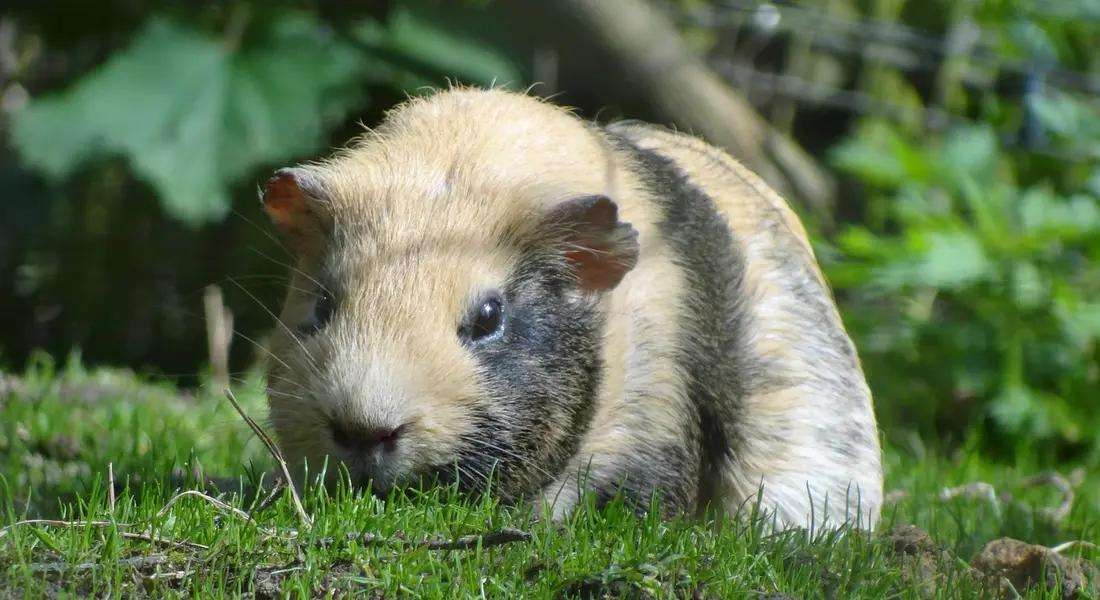
- Watch closely for pain indicators such as teeth grinding or a hunched posture. Guinea pigs often mask discomfort, so noticing these subtle changes early can prevent bigger health issues. From my time with Pepper, his gentle nature meant he rarely showed distress, but a slight hunch once alerted me to a minor ailment we quickly addressed.
- Schedule a veterinary visit if your guinea pig’s appetite doesn’t return within a day. Persistent refusal to eat can signal underlying problems that need professional care. When Biscuit skipped meals, we learned that prompt vet checks are vital for catching issues like dental pain or stress-related illnesses.
- Track weight weekly and monitor hydration by checking water bottle levels and skin elasticity. Regular weighing helps you spot gradual changes that might otherwise go unnoticed. I keep a simple chart for Clover, and this habit once revealed a slight weight drop that led to an early treatment for dehydration.
Enrichment and Environmental Support for Coping

- Add new toys or rearrange cage items to stimulate curiosity and reduce boredom. Small changes in the environment can reignite your pet’s interest and ease feelings of loss. After rearranging Pepper’s space, he started exploring more, which lifted his spirits during a tough time.
- Use safe, engaging items like cardboard tunnels or DIY forage puzzles filled with hay. These activities mimic natural behaviors and provide mental stimulation. Biscuit adores his puzzle feeder; the crinkly sound and effort to get treats keep him occupied and less anxious.
- Ensure the cage feels secure with soft, cozy bedding and multiple hideouts. A comfortable setup helps your guinea pig feel protected and less stressed. We use fleece liners and small huts for Clover, and she often retreats there when she needs quiet, which supports her graceful, thoughtful personality.
FAQs
How long does a guinea pig grieve?
Grieving periods vary but typically last from a few days to several weeks depending on the individual guinea pig. Providing consistent care and comfort can help shorten this time and support their emotional recovery. For owners and families grieving a guinea pig, guidance and compassionate support matter. This part of a guinea pig grief guide offers practical steps to cope with loss and honor their cherished companion.
What foods should I offer a grieving guinea pig?
Offer their favorite high-fiber treats like fresh hay and small pieces of bell pepper or cilantro to entice eating. Ensure they have constant access to fresh water and monitor their intake to prevent dehydration.
Can guinea pigs grieve after losing a companion?
Yes, guinea pigs are social animals and can experience grief, often showing changes in behavior and mood. Do guinea pigs grieve or mourn their cagemates? They may become withdrawn or display distress when a companion is lost. Recognizing this helps you provide the empathy and support they need during this difficult time.
Is it normal for guinea pigs to hide after losing a friend?
Yes, hiding is a normal response as they seek security and process their loss. Ensure they have multiple safe hideouts and approach them gently to avoid increasing their stress.
When should I seek vet help for grieving a guinea pig?
Seek veterinary assistance if your guinea pig refuses food or water for over 24 hours or shows signs of illness like lethargy or rapid weight loss. Early intervention can address underlying health issues exacerbated by grief. Be aware that sudden, hibernation-like stillness can be a sign of a life-threatening crisis. If you notice such critical signs, seek urgent veterinary care immediately.
A Compassionate Path Forward
From my time with Pepper, Clover, and Biscuit, I’ve seen that providing consistent comfort and monitoring their daily habits helps ease their transition. Introducing a new cagemate slowly and ensuring a safe, familiar environment can significantly reduce stress and loneliness.
As guinea pig owners, we must commit to lifelong learning and making eco-conscious choices for their care. In this ultimate guide to safe bedding options for guinea pigs, we explore practical, pet-safe choices. Choosing sustainable options like biodegradable bedding not only supports animal welfare but also protects our shared environment. This guide also helps you compare safety, dust levels, and maintenance for a healthy, happy cavy home.
Further Reading & Sources
- shropshireguineapiggery – Bereavement
- Looking After A Bereaved Guinea Pig | The Guinea Pig Forum
- What to do when your Guinea Pig Dies – I C Cinnamon
- What to do when a guinea pig passes away – GuineaDad
Kate is a passionate guinea pig owner and advocate for small pet welfare. With over a decade of experience caring for guinea pigs, she has become a trusted voice in the small pet community.
Uncategorized