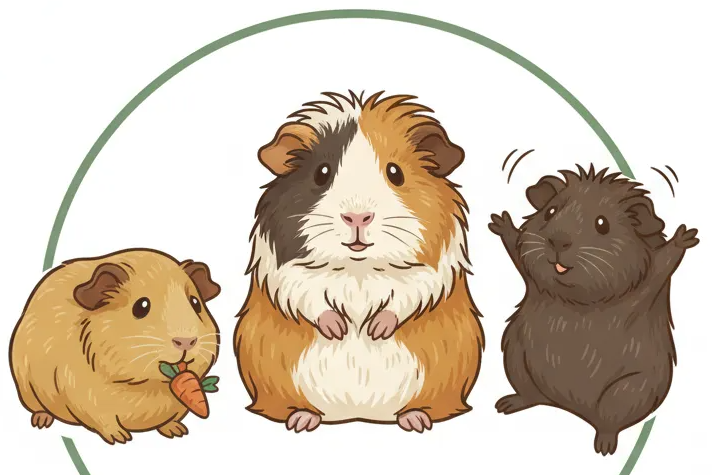
Grieving the Loss of a Guinea Pig: A Compassionate Guide for Owners and Families
Published on: March 26, 2026 | Last Updated: March 26, 2026
Written By: Kate M. Callahan
Hello CavyFam, losing a guinea pig can leave you feeling heartbroken and full of questions. You might worry if your grief is normal or how to help your family through this tough time.
In this guide, I will walk you through key areas to support your healing journey, including:
- Recognizing and validating your feelings of loss
- Creating meaningful memorials for your pet
- Helping children understand and cope with grief
- Practical self-care tips for moving forward
- Knowing when it might feel right to consider a new companion
Having cared for guinea pigs like gentle Pepper and thoughtful Clover, I share this advice from my own experiences with pet loss.
Understanding Your Grief After Losing a Guinea Pig
-
You might feel a heavy sadness that lingers after your guinea pig passes. This deep sorrow is a natural response to losing a beloved companion who shared your daily life. Guilt can creep in, making you question if you did enough, while shock might leave you feeling numb or disbelieving at first. I remember when my gentle guinea pig Pepper died; the sudden quiet in his corner of the room amplified my sense of loss. Because guinea pigs are social, they may grieve the loss of a companion and show changes in behavior. Noticing these reactions can help you support your remaining pig through the adjustment.
-
Personal stories from other owners highlight how unique each bond is. After Clover, my graceful Abyssinian, passed, I found comfort in recalling her thoughtful nudges during feeding time. Another owner shared how their reserved Peruvian, much like my Biscuit, left a void that made mornings feel emptier without their familiar wheeks.
-
Normal grief reactions include crying spells, trouble sleeping, or avoiding the cage area. These feelings often peak in the first few weeks but can ebb and flow for months. It is common to experience moments of relief followed by waves of sadness, and this variability does not mean you are grieving incorrectly.
Practical Coping Strategies for Your Grief Journey
-
Start by carving out a quiet space where you can reflect without distractions. Establishing gentle routines, like a short daily walk or sipping tea in a favorite spot, helps ground your emotions. I found that spending time in the garden where my guinea pigs used to play brought a sense of peace.
-
Journaling about your memories can release pent-up feelings. Talking with friends who understand pet loss validates your experience and reduces isolation. You might write a letter to your guinea pig or share stories aloud to honor their personality.
-
For eco-friendly comfort, repurpose an old blanket into a small memorial pouch for keepsakes. Planting a native flower in a pot with biodegradable materials creates a living tribute that supports local wildlife. Using natural elements like stones or dried flowers from your yard adds a personal, earth-friendly touch.
Helping Children Through Guinea Pig Bereavement
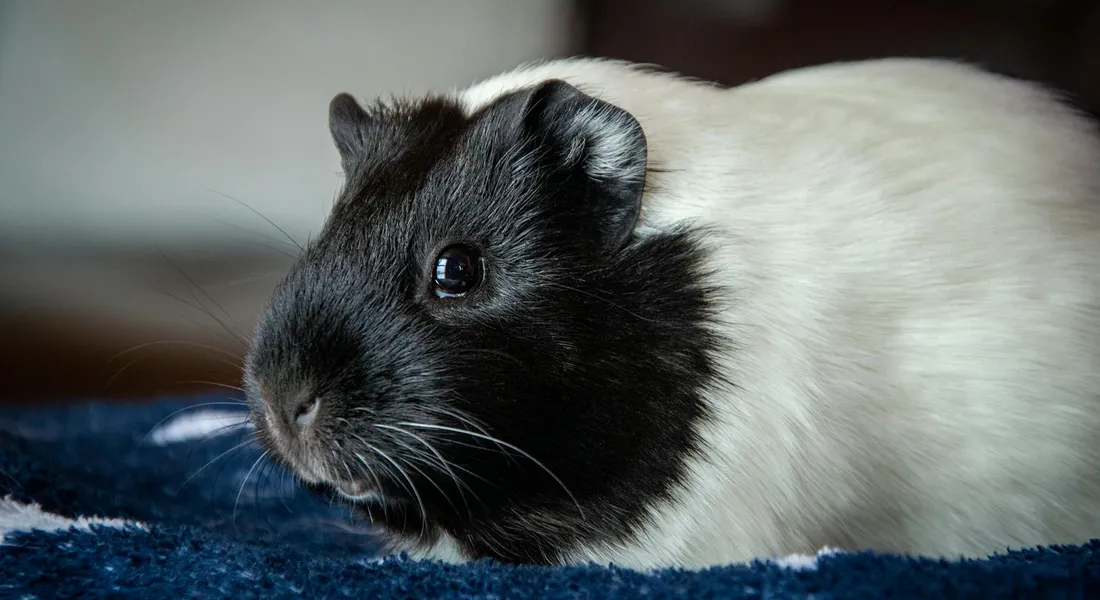
When my gentle guinea pig Pepper passed away, I saw how deeply it affected the children in our family. Explaining pet loss in simple, honest terms helps kids process their feelings without confusion or fear. Tailor your words to their age-toddlers grasp concrete ideas like “Pepper’s body stopped working,” while school-aged children understand cycles of life and can ask more questions.
- For ages 2-4, use short phrases: “Clover isn’t with us anymore, but we remember her happy squeaks.”
- Ages 5-8 benefit from gentle metaphors, like comparing a pet’s life to a favorite story that has an end.
- Older kids, 9-12, often appreciate factual discussions about illness or old age, paired with reassurance.
Involve children in mourning rituals to give them a sense of closure. Creating a memory box with drawings or a small ceremony lets kids honor their pet actively and feel included in the grieving process. Start by asking what they’d like to do-maybe bury a token or share stories about Biscuit’s quirky habits.
- Hold a brief farewell: Light a candle or plant a flower together.
- Encourage art or writing: Draw pictures of happy moments with the guinea pig.
- Share memories aloud: Take turns recalling fun times, which reinforces positive connections.
Watch for grief emotions in children, such as quiet withdrawal or sudden outbursts. Offering hugs and open conversations shows them it’s okay to feel sad or angry, and that you’re there to listen. From my own experience, kids might act out or cling more-respond with patience and extra cuddle time to help them heal.
Caring for Surviving Guinea Pig Companions
After Pepper died, I noticed Clover and Biscuit acting differently-they ate less and stayed quiet for days. Guinea pigs often show grief through subtle shifts, like reduced appetite or hiding more than usual, signaling they miss their companion. Look for signs like changes in vocalization, lethargy, or altered social interactions in your remaining pets.
- Eating habits: They might leave favorite veggies untouched or drink less water.
- Behavior: Increased hiding, less popcorn jumping, or unusual aggression can indicate stress.
- Vocal cues: Quieter wheeking or more frequent, distressed sounds.
Comfort surviving guinea pigs with gentle, consistent care. Spending extra time near their cage, talking softly, and offering familiar treats can ease their anxiety and help them feel secure again. I found that placing a soft item with their lost friend’s scent, like a fleece blanket, provided comfort to Clover and Biscuit during the adjustment. If you’re unsure whether your guinea pigs are stressed, look for signs like restlessness, a hunched posture, reduced appetite, or hiding more than usual. Early recognition of these cues lets you adapt care to help them feel safe again.
- Monitor closely: Check food and water intake daily to catch any health issues early.
- Provide enrichment: Introduce new toys or tunnels to distract them and reduce loneliness.
- Offer physical comfort: Hand-feed veggies or sit nearby to rebuild trust slowly.
Maintaining routines is vital for animal welfare and emotional stability. Stick to regular feeding, cleaning, and playtimes to create a predictable environment that reduces stress for your grieving pets. In my home, keeping the same schedule helped Biscuit gradually return to her curious, reserved self, reminding me that consistency supports healing in small animals too. For detailed guidance on care routines, check out this ultimate checklist for guinea pig owners.
Immediate Aftercare When Your Guinea Pig Dies
-
Handle your guinea pig’s body with gentle care and respect to honor their life.
Wrap them in a soft, clean cloth or their favorite fleece blanket to keep them comfortable.
Place them in a cool, quiet spot away from other pets to prevent disturbance.
Taking these slow, deliberate steps allows you to say a proper goodbye and eases the initial shock of loss.
-
Consider burial or cremation options that prioritize safety and environmental friendliness.
For burial, pick a deep spot in your yard, at least two feet down, to protect from scavengers.
Use a biodegradable container like a cardboard box or woven basket to reduce waste.
Cremation through a vet offers ashes you can keep in a simple wooden urn or scatter in a meaningful place.
Eco-friendly choices, like planting a native flower over a burial site, help the earth while honoring your pet.
-
Drawing from my own experience, I found that making aftercare decisions brought a sense of closure.
When my guinea pig Clover passed, I buried her near a sunny patch she loved, wrapped in a small towel she often snuggled in.
It felt peaceful to know she was resting in a spot full of happy memories.
Personalizing these moments can transform grief into a gentle tribute to your bond.
Creating Meaningful Memorials and Remembrance Rituals
-
Plant a small garden or tree in your guinea pig’s memory, choosing herbs or flowers they enjoyed.
Craft a memory box with their favorite toys, photos, and a lock of fur for a tangible keepsake.
Create a simple scrapbook with drawings and notes from family members to celebrate their quirks.
These hands-on projects channel emotions into something beautiful and lasting.
-
Involve the whole family by sharing stories or holding a brief ceremony in your guinea pig’s honor.
Encourage kids to draw pictures or write letters to express their feelings openly.
Light a candle together while reminiscing about funny moments, like how Biscuit would popcorn for treats.
Family rituals build connection and help everyone heal at their own pace.
-
I recall setting up a little “shrine” for Pepper with his favorite veggies, which sparked laughter amid tears.
It reminded us how his gentle nudges for carrots brightened our days.
Simple, heartfelt gestures often bring the most comfort during tough times.
When to Seek Professional Support for Pet Loss Grief
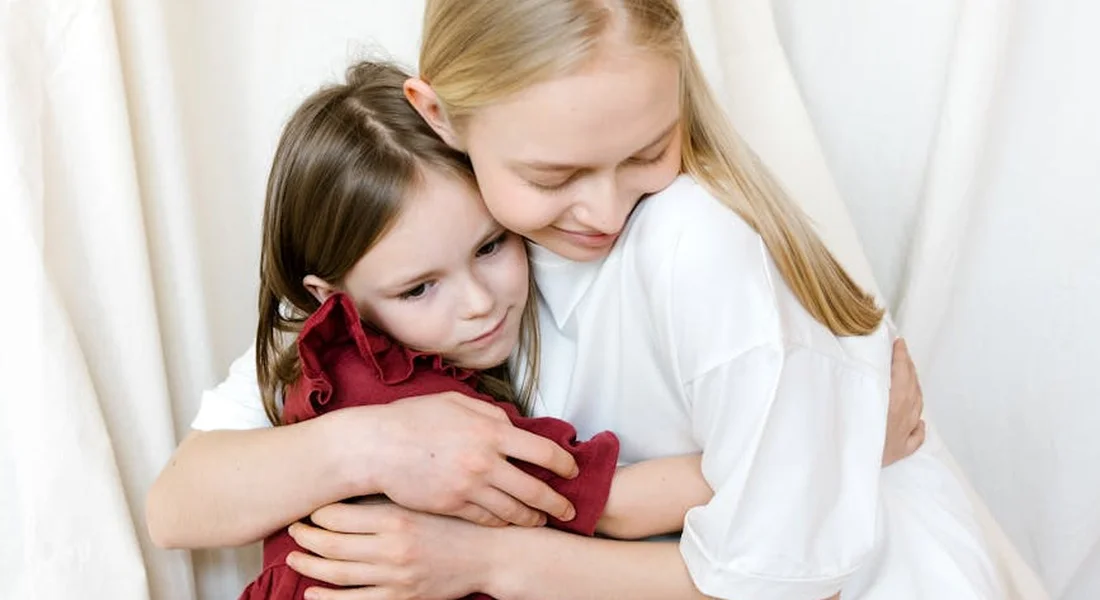
Grief is a natural response to losing a beloved pet, but sometimes it becomes too heavy to carry alone. When your sadness feels constant and overwhelming for more than a few weeks, it might be time to seek extra support. I remember after my first guinea pig passed, I felt stuck in a fog for a month before realizing I needed help. During guinea pig end-of-life care, you might notice signs like reduced activity, changes in appetite, or withdrawal from usual interactions. Reaching out to a vet or animal hospice can help you support your pet’s comfort while also tending to your grief.
-
Your daily life is significantly disrupted. This includes losing interest in activities you usually enjoy, struggling to get out of bed, or finding it hard to complete basic tasks like cooking or cleaning.
-
Your eating or sleeping habits change drastically. You might experience a complete loss of appetite or find yourself sleeping all the time just to escape the pain.
-
You feel intense anger, guilt, or hopelessness that doesn’t ease. It’s one thing to feel these emotions initially, but if they persist and dominate your thoughts, professional guidance can help you process them.
-
You’re isolating yourself from friends, family, or your other pets. Withdrawing from your support system can make the grief feel even more isolating and intense.
Helpful Resources for Pet Loss Grief
You don’t have to navigate this difficult path by yourself. There are specific resources designed to help people like us who are mourning a small animal companion. Reaching out is a brave and proactive step toward healing.
- Pet Loss Hotlines: Many veterinary colleges offer free, confidential hotlines staffed by trained volunteers. The Cornell University Pet Loss Support Hotline is a wonderful, compassionate resource.
- Grief Counselors or Therapists: Look for a mental health professional who specializes in grief or, even better, pet loss. They can provide you with coping strategies tailored to your experience.
- Online Support Communities: Forums and social media groups dedicated to pet loss can connect you with others who truly understand your pain. Sharing stories about my guinea pig, Pepper, in such a group was incredibly validating.
- Your Veterinarian: Your vet’s office can often provide local referrals to pet loss support groups or counselors. They understand this unique bond better than anyone.
Reassurance About Asking for Help
Seeking support is a sign of strength, not weakness. Your love for your guinea pig was real and profound, and the grief you feel is a testament to that beautiful bond. It is entirely valid and deserves compassionate care. Talking to a professional doesn’t mean you are “broken”; it means you are giving yourself the same gentle care you once gave your pet. The emotional commitment of guinea pig ownership often means navigating these real and heartfelt feelings.
FAQs
Do guinea pigs experience grief?
Yes, guinea pigs can grieve the loss of a companion, showing signs like reduced activity or changes in social behavior. It’s important to monitor them closely and provide extra comfort during this time, especially when their cagemate passes away.
How can I help my guinea pig make new friends after a loss?
Introduce a new companion gradually in a neutral area to reduce stress. Ensure both animals are healthy and supervised to foster a positive bond. For detailed tips, introduce and bond new guinea pigs properly.
Can I feed my guinea pig fried food as a treat?
No, fried food is harmful and can lead to obesity or digestive problems in guinea pigs. Always offer safe, fresh options like leafy greens or bell peppers instead. In their daily diet, focus on guinea pig-safe vegetables and greens to keep them healthy. Rotate varieties to ensure a balanced intake.
Honoring Your Guinea Pig’s Memory
Allow yourself to feel the full weight of your grief, as your feelings are a testament to the beautiful bond you shared. Creating a small memorial and talking about your pet can provide a powerful path toward healing for your entire family.
Channel your love into becoming an even more knowledgeable and compassionate pet owner for any future furry friends. Continuous learning about guinea pig welfare and eco-friendly care practices is one of the most meaningful ways to honor the life of the pet you loved so much. Learning proper guinea pig care for any future pets is a lasting tribute.
Further Reading & Sources
- shropshireguineapiggery – Bereavement
- Looking After A Bereaved Guinea Pig | The Guinea Pig Forum
- Can Guinea Pigs Live Alone If One Dies | What To Do – Woodgreen Pets Charity
- Grieving the Loss of Your Pet
Kate is a passionate guinea pig owner and advocate for small pet welfare. With over a decade of experience caring for guinea pigs, she has become a trusted voice in the small pet community.
Uncategorized