The Ultimate Pre-Adoption Checklist: Are You Truly Ready for a Guinea Pig?
Published on: April 23, 2026 | Last Updated: April 23, 2026
Written By: Kate M. Callahan
Hello CavyFam! Thinking about welcoming a guinea pig into your life but feeling a bit unsure where to start?
Many potential owners worry about hidden costs, daily time commitments, and whether their home is truly set up for a small pet’s needs.
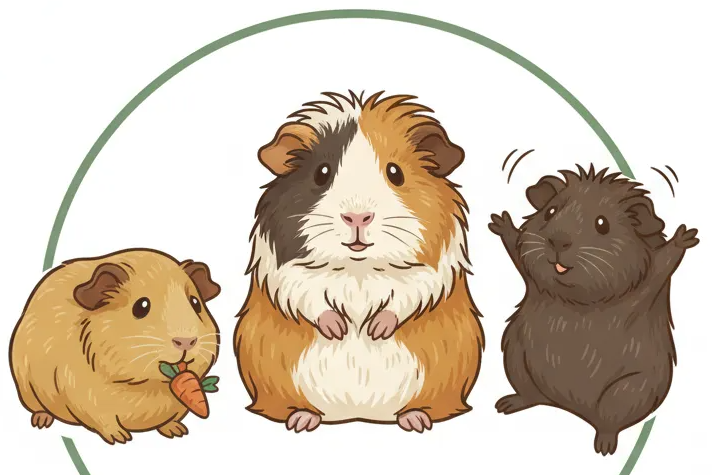
In this article, I’ll guide you through essential pre-adoption considerations, including budget planning, ideal habitat setup, proper nutrition, daily interaction routines, and health care basics. With over five years of hands-on experience caring for guinea pigs like gentle Pepper, graceful Clover, and reserved Biscuit, I’ve gathered practical tips to help you feel confident and prepared.
Assess Your Guinea Pig Adoption Readiness
Guinea pigs thrive on predictable routines and can live 5-7 years, so honestly evaluating your daily life is the first step toward being a great owner. I learned this after adopting Pepper, whose gentle nature still required adjusting my morning schedule for feeding and cage checks. Knowing when they’re most active helps you plan feeding and play. Many guinea pigs are most active in the early morning and late afternoon.
Evaluate Your Lifestyle Compatibility with Guinea Pig Needs
- Guinea pigs are crepuscular, most active at dawn and dusk, which fits well if you work standard hours
- They startle easily at loud noises, making quiet households or separate rooms ideal
- Weekly deep cleaning takes 30-60 minutes, plus daily spot cleaning
- Their sensitive respiratory systems mean no smoking or strong aerosol sprays near their space
Consider Family Dynamics and Living Situation
Children under 8 often struggle with proper handling, while adults must be the primary caregivers regardless of promises. My three pigs each reacted differently to visitors – Clover would hide while Biscuit curiously approached new faces.
- Households with cats/dogs need secure lids and supervised interactions
- Apartment dwellers should check pet policies and noise considerations
- Allergy sufferers should spend time with guinea pigs before committing
- Students moving frequently face transportation stress for their pets
Reflect on Time Commitment and Daily Interaction Requirements
Beyond basic care, guinea pigs need consistent social interaction to remain happy and healthy. I spend at least an hour daily with my herd – 20 minutes for feeding/cleaning and 40 minutes for floor time and handling. In terms of how much exercise floor time guinea pigs need, many caretakers aim for about 1–2 hours daily, split into short sessions. Regular, supervised floor time helps prevent boredom and supports overall health.
- Daily requirements: Fresh food/water, spot cleaning, health checks
- Weekly needs: Full cage cleaning, nail trimming if needed
- Monthly tasks: Weight monitoring, habitat refresh
- Lifelong commitment: Annual vet checks, ongoing companionship
Assess Your Readiness for Responsible Pet Ownership
True readiness means planning for both everyday care and potential emergencies. When Biscuit needed emergency dental work, having a savings fund specifically for vet costs prevented stressful decisions.
- Financial preparation: $40-80 monthly for food/supplies plus $200+ emergency fund
- Holiday planning: Reliable pet sitters who understand guinea pig care
- Learning commitment: Understanding guinea pig behavior and health signals
- Emotional readiness: Handling the eventual loss of a pet that may live 5-7 years
Create the Perfect Guinea Pig Housing Setup
Choosing the Right Cage Size and Enclosure
Bigger is always better when it comes to guinea pig habitats, as cramped spaces lead to stress and health issues. After upgrading to a larger enclosure, I noticed my pigs became more active and developed distinct personality traits.
Minimum Space Requirements for Single and Multiple Guinea Pigs
- Single guinea pig: Absolute minimum 7.5 square feet (30″x36″)
- Two guinea pigs: Minimum 10.5 square feet (30″x50″)
- Three guinea pigs: Minimum 13 square feet (30″x62″)
- Ideal space: 16+ square feet allows for proper zoomies and separate areas
Cage Size Recommendations Based on Guinea Pig Count
- Midwest Habitat: Good for 1-2 pigs but benefits from expansion
- C&C cages: Customizable grids allow perfect sizing for your space
- Commercial cages: Often too small – measure carefully before purchasing
- DIY solutions: Bookcases converted to enclosures work well for larger groups
Proper Enclosure Safety Features and Materials
Safe materials prevent injuries and ensure your guinea pigs can’t escape or get stuck. I learned this when Clover nearly squeezed through bar spacing that seemed adequately narrow.
- Bar spacing: Maximum 1-1.5 inches for adults, tighter for babies
- Solid flooring: Wire bottoms cause serious foot injuries
- Secure latches: Guinea pigs can nudge open simple closures
- Non-toxic materials: Avoid painted metals that might contain lead
Location Considerations Within Your Home
- Family room areas provide social interaction but avoid high traffic paths
- Keep away from direct sunlight, drafts, and heating/cooling vents
- Elevated surfaces prevent draft exposure but ensure safety from falls
- Quiet corners work well for nervous pigs like my Biscuit was initially
Setting Up Safe Bedding and Environment
Bedding Options and Safety Considerations
The right bedding manages moisture, controls odor, and provides comfort while being safe for delicate respiratory systems. After trying several options, I found fleece bedding worked best for my crew, though it requires more frequent washing.
- Paper bedding: Highly absorbent but can be dusty – shake well before use
- Fleece liners: Reusable and soft but need daily spot cleaning
- Aspen shavings: Avoid pine and cedar which contain harmful phenols
- Hay bedding: Provides both bedding and snack material in one
Temperature and Humidity Control
- Ideal temperature: 65-75°F (18-24°C) year-round
- Danger zones: Below 60°F or above 80°F requires intervention
- Humidity range: 40-60% prevents respiratory issues
- Monitoring: Digital thermometer/hygrometer provides accurate readings
Enclosure Safety Hazard Prevention
Regular safety checks prevent accidents and ensure your guinea pigs’ environment remains secure. I do a weekly “hazard hunt” looking for chewed cords, unstable furniture, or potential escape routes. These checks work well for multi-level cages: secure ramps, guard rails, and tight gaps between levels. Regular checks on each level help prevent falls and escapes.
- Electrical cords: Use cord covers or keep entirely out of reach
- Toxic plants: Remove any houseplants within nibbling distance
- Small objects: Ensure nothing can be swallowed during floor time
- Other pets: Always supervise interactions and provide secure hiding spots
Essential Enrichment Items and Placement
- Multiple hideys: At least one per pig plus extras to prevent squabbles
- Hay feeders: Position away from sleeping areas to keep bedding clean
- Water sources: Both bottles and bowls in different locations
- Tunnels and bridges: Create interesting pathways that encourage exploration
- Chew toys: Wooden blocks and hay-based toys maintain dental health
Plan Your Guinea Pig’s Daily Care Routine
Essential Diet and Nutrition
-
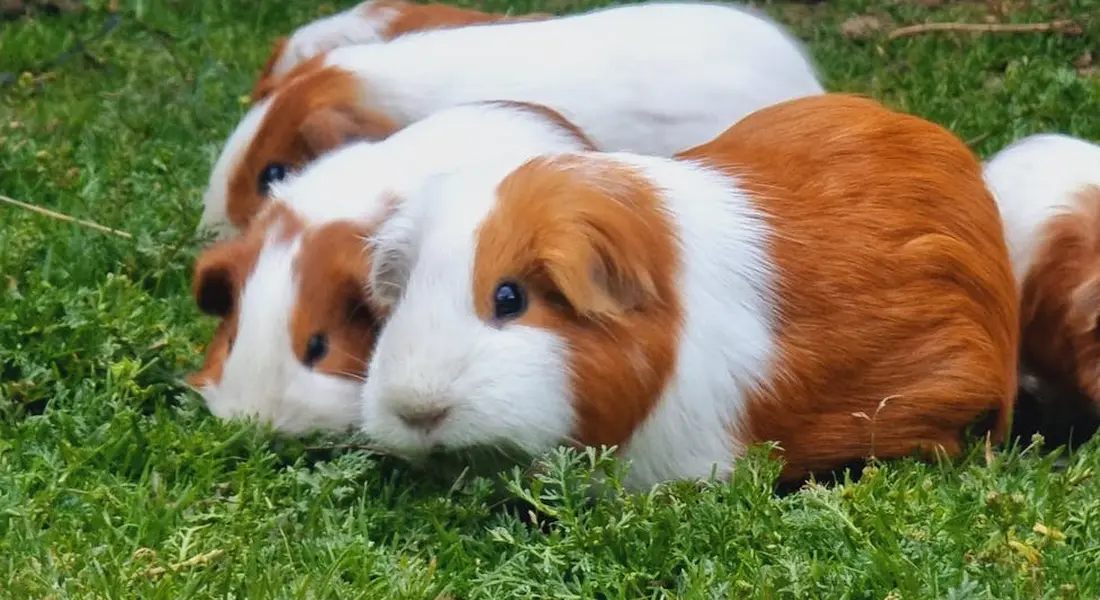
Hay should make up about 80% of your guinea pig’s diet, and I always keep Timothy hay available 24/7 for Pepper, Clover, and Biscuit. Unlimited hay supports healthy digestion and wears down their constantly growing teeth. That’s why hay is the foundation of a healthy guinea pig diet. Its fiber keeps the gut on track and supports proper dental wear. You can mix in orchard grass or oat hay for variety, but avoid alfalfa hay for adult pigs-it’s too high in calcium.
-
Choose plain, high-fiber pellets without colorful bits or seeds to prevent obesity and digestive issues. Feed only 1/8 cup per pig daily to avoid overfeeding, as I’ve seen with Biscuit who gained weight quickly on excess pellets. Always check the label for stabilized vitamin C, since guinea pigs can’t produce it themselves.
-
Offer fresh veggies like bell peppers, kale, and cilantro daily for essential vitamin C-a deficiency can lead to scurvy. I rotate greens for my trio to keep meals exciting and nutritious, avoiding high-oxalate veggies like spinach to prevent bladder stones. Introduce new foods slowly to watch for any tummy upsets.
-
Use a heavy ceramic bowl or a water bottle to provide fresh, clean water, changing it daily to prevent bacteria buildup. Check bottles for clogs regularly, as I learned when Clover stopped drinking and showed signs of dehydration. Clean all containers weekly with vinegar to ensure your pig stays hydrated and healthy.
Social Needs and Companionship
-
Guinea pigs thrive in pairs or small groups, mimicking their wild herd instincts. Observing Pepper and Clover’s gentle hierarchy taught me that solitary living can cause stress and depression in these social animals. Always adopt at least two to meet their emotional needs.
-
Bond with your pigs through daily handling and quiet talking, spending at least 30 minutes of focused time together. I sit near Biscuit’s cage with treats to build trust, as sudden movements can scare them. Consistency helps them feel secure and strengthens your connection over weeks.
-
Look for signs like soft “wheeking” sounds, relaxed popcorning (joyful jumps), and mutual grooming. Healthy interactions mean no biting or chasing, which I monitor closely during playtime with my group. If one pig hides constantly, it might signal social issues needing attention.
-
Manage dynamics by providing multiple hideouts and food bowls to reduce competition. With three pigs, I ensure each has space to retreat, preventing conflicts over resources. Introduce new pigs slowly in neutral areas to foster peaceful cohabitation.
Grooming and Health Maintenance
-
Grooming varies by breed: short-haired pigs like Pepper need weekly brushing, while long-haired ones like Biscuit require daily care to prevent mats. Regular brushing reduces shedding and helps you spot skin issues early, something I do for all my pigs to keep coats shiny. Use a soft brush to avoid irritating their sensitive skin.
-
Trim nails every 3-4 weeks using small clippers, and have styptic powder handy in case of nicks. I gently hold Clover’s paw and clip just the tip to avoid the quick, making it a calm routine she now tolerates well. Overgrown nails can cause pain and mobility problems, so stay consistent.
-
Monitor for symptoms like lethargy, weight loss, or labored breathing, which could indicate illness. Check eyes, nose, and fur daily for discharge or bald patches, as early detection saved Pepper from a respiratory infection. Keep a log of eating and bathroom habits to catch changes fast.
-
Establish a preventive care routine with clean bedding changes weekly and cage disinfecting monthly. I use vinegar-based cleaners for eco-friendliness and check teeth length during handling to prevent overgrowth. Regular weigh-ins help track health and adjust diet as needed.
Prepare for Veterinary Care and Health Monitoring
-
Find an exotic animal vet before adoption, as not all clinics handle guinea pigs. I called local practices to confirm experience with pigs, ensuring prompt care for emergencies like digestive blockages. When possible, look for an exotic veterinarian near guinea pigs to ensure timely, specialized care in your area. You can also ask whether they regularly treat guinea pigs and what their emergency protocols include. Build a relationship so your vet knows your pet’s history from the start.
-
Schedule an initial health check within the first week to assess weight, teeth, and overall condition. Look for clear eyes, dry nose, and smooth fur-red flags include crustiness or lumps, which I spotted early on Biscuit. Discuss spaying/neutering if housing mixed genders to prevent unintended litters.
-
Common issues like urinary tract infections or mites can be prevented with clean habitats and balanced diets. I avoid sugary treats and use fleece liners to reduce dampness, lowering UTI risks in my herd. Watch for scratching or hair loss, and treat promptly with vet guidance.
-
Prepare an emergency kit with critical care food, a carrier, and vet contact info for sudden illnesses. Keep funds aside for unexpected costs, as I’ve faced urgent visits that stressed the importance of financial planning. Know basic first aid, like how to handle choking, to act quickly in crises.
Understand the Long-Term Commitment
Time and Attention Requirements
Caring for guinea pigs means dedicating consistent time each day to meet their needs. From my experience with Pepper, Clover, and Biscuit, I’ve found that a predictable routine keeps them calm and content.
- Daily care time investment: Plan for at least 30-60 minutes daily for feeding, fresh water, and quick health checks. My gentle Pepper eagerly waits for his morning veggies, and I always set aside time to ensure he and the others are eating well.
- Social interaction needs: Guinea pigs thrive on companionship, so interact with them daily through talking, gentle handling, or supervised floor time. Clover, with her thoughtful nature, loves when I sit nearby-she’ll popcorn with joy, showing how vital this bond is.
- Cleaning and maintenance schedules: Perform spot cleans daily and a full cage clean weekly to prevent odors and illness. I do a deep clean every weekend, and the fresh, earthy smell of clean bedding makes my pigs, like reserved Biscuit, more active and happy.
- Long-term care planning: Since guinea pigs can live 5-7 years, arrange for pet sitters during trips and consider their aging needs. I have a backup plan with a friend who knows each pig’s quirks, ensuring they’re never neglected.
Financial Planning for Ongoing Costs
Budgeting for a guinea pig involves both upfront and ongoing expenses to keep them healthy. Over the years, I’ve learned that setting aside funds early prevents stress and ensures my pigs, like playful Clover, get the best care. You can even create a guinea pig emergency fund for those unexpected vet visits.
- Initial setup expenses: Expect to spend $100-$300 on a spacious cage, hideouts, water bottles, and bedding. When I brought home Biscuit, investing in a large enclosure made him feel secure from day one.
- Monthly recurring costs breakdown: Allocate around $30-$50 monthly for high-quality hay, pellets, fresh vegetables, and bedding replacements. I buy in bulk to save money, and Pepper’s steady appetite reminds me how crucial fresh food is.
- Unexpected veterinary expenses: Save an emergency fund of $200-$500 for illnesses or injuries, as vet visits can arise suddenly. My graceful Clover once needed treatment for a minor infection, and having savings spared us both worry.
- Long-term financial commitment assessment: Total costs over a guinea pig’s lifetime can reach $1,000 or more, so evaluate your budget honestly. I track expenses in a simple spreadsheet, which helps me provide for all three without financial strain.
Finalize Your Pre-Adoption Preparation
Getting your home and supplies ready ensures a smooth transition for your new guinea pig. Based on my setup for Pepper, Clover, and Biscuit, proper preparation reduces stress and lets you focus on bonding from the start.
- Safety proofing your home environment: Remove electrical cords, toxic plants, and small gaps where pigs could hide. I guinea pig-proofed my living room by covering outlets and using baby gates, making it a safe space for exploration.
- Transportation planning for adoption day: Use a secure carrier with soft bedding and avoid extreme temperatures. When I brought home Biscuit, I lined his carrier with a cozy towel, and his quiet curiosity made the ride peaceful.
- Essential supplies shopping list: Gather a cage, hay, pellets, water bottle, hideouts, and toys before adoption. My list always includes extra hay-Pepper’s gentle nibbling tells me he appreciates having plenty on hand.
- Emergency contact and resource gathering: Keep numbers for a vet experienced with guinea pigs and local rescue groups handy. I have a list on my fridge, and it’s reassured me during minor scares with Clover’s delicate health.
FAQs
What age should a guinea pig be before handling?
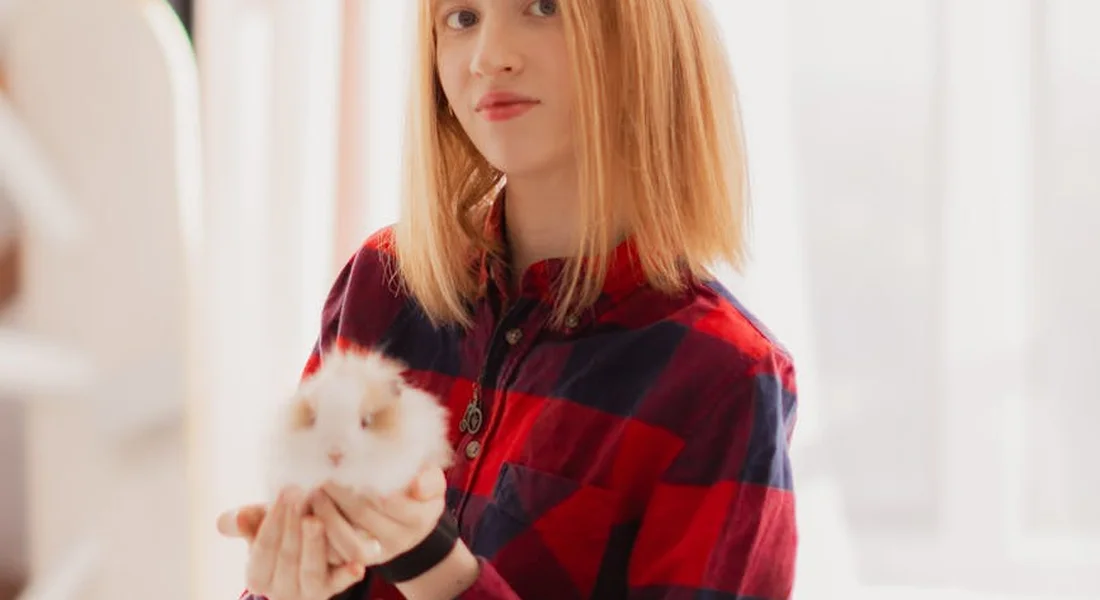
Guinea pigs can be handled gently as early as a few weeks old, but ensure they are weaned and healthy first. Start with short, calm sessions to build trust and avoid stressing the young animal. When you hold them, cradle them securely with one hand under their chest and the other supporting their hindquarters, keeping them close to your body. Avoid grabbing or squeezing, and never pick them up by the scruff.
Are guinea pigs ready for car rides or transport?
Guinea pigs can be transported in secure, well-ventilated carriers with soft bedding to minimize stress. Keep trips short and avoid extreme temperatures to ensure their safety and comfort during travel.
How long can a guinea pig go without human interaction?
Guinea pigs should not be left without daily human interaction for more than 24 hours, as they thrive on social engagement. Regular handling and companionship prevent loneliness and promote their overall well-being. If you must be away, arrange for a trusted caregiver. This guide offers practical leave alone duration care tips to keep them safe and content while you’re gone.
What signs indicate a guinea pig is stressed and not ready for handling?
Signs of stress include hiding, teeth chattering, or attempting to flee when approached. If you observe these behaviors, delay handling and provide a quiet environment to help the guinea pig feel secure. To tell if your guinea pig is stressed or anxious, watch for persistent signs and changes in behavior. Other clues include a hunched posture, reduced activity, or a drop in appetite.
How can you prepare the home for a newborn guinea pig?
Set up a safe, enclosed space with appropriate bedding, hideouts, and no accessible hazards like electrical cords. Maintain a consistent temperature and limit noise to create a calm, welcoming environment for the newborn.
Your Guinea Pig Journey Begins Now
From my years caring for Pepper, Clover, and Biscuit, I’ve seen that a solid pre-adoption plan with the right habitat and diet sets you up for success. Double-checking your setup and commitment ensures your new friend feels safe and loved from the start.
Keep growing as a pet owner by staying informed and making eco-conscious choices, like opting for reusable bedding or natural toys. Responsible care means always learning and adapting to give your guinea pig the best life possible while protecting our planet.
Further Reading & Sources
- Adopt a Rescued Guinea Pig | Petfinder
- Adoptions | guineapigsanctuary
- How to Adopt a Guinea Pig – Oxbow Animal Health
- Guinea Pig Adoption & Care | Petfinder
Kate is a passionate guinea pig owner and advocate for small pet welfare. With over a decade of experience caring for guinea pigs, she has become a trusted voice in the small pet community.
Uncategorized