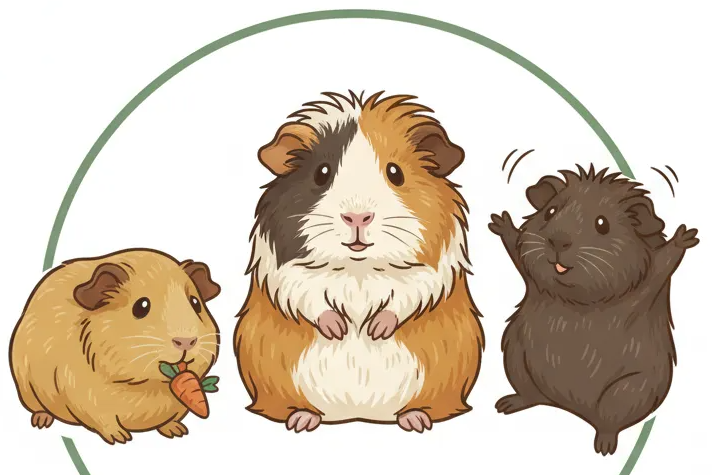
Homemade vs. Commercial Guinea Pig Pellets
Published on: April 30, 2026 | Last Updated: April 30, 2026
Written By: Kate M. Callahan
Hello CavyFam! Choosing the right food for your guinea pigs can feel overwhelming. You want to provide the best nutrition but aren’t sure which path is safest or most effective.
We’ll explore the pros and cons of each option, covering cost, nutritional control, ingredient quality, convenience, and food safety. I’ve spent years testing different diets with my own herd to find what truly keeps them thriving.
Understanding Guinea Pig Nutritional Needs
Guinea pigs thrive on a diet rich in fiber, vitamin C, and balanced calcium. Fiber keeps their digestive systems moving smoothly, while vitamin C is essential since they cannot produce it themselves, and calcium supports strong bones and teeth.
- Fiber: Promotes gut health and prevents issues like bloating.
- Vitamin C: Prevents scurvy and boosts immunity.
- Calcium: Vital for skeletal strength, but excess can cause urinary problems.
Unlimited hay is the foundation of their diet, making up about 80% of what they eat. Hay wears down their constantly growing teeth and ensures proper digestion, which I’ve seen firsthand with my guinea pigs like Pepper, who munches on timothy hay all day. Hay is so crucial for guinea pigs.
Pellets act as a nutritional supplement, not the main meal. They fill in gaps by providing concentrated vitamins and minerals that hay alone might miss, helping maintain a balanced diet for active pigs like Clover. Choosing between timothy hay and alfalfa pellets depends on age and calcium needs. Timothy hay is usually the base for adult guinea pigs, while alfalfa pellets provide more calcium and can be useful for growing kits or underweight pigs.
The Pros and Cons of Commercial Guinea Pig Pellets
What to Look For in a Quality Commercial Pellet
- Check for stabilized vitamin C to ensure it doesn’t break down quickly in storage.
- Evaluate fiber content-aim for at least 18%-and a calcium to phosphorus ratio close to 1.5:1 for bone health.
- Avoid pellets with artificial colors, flavors, or high sugar, which can lead to obesity and digestive upset.
Benefits and Drawbacks of Commercial Options
- Pros: Nutritionally balanced for consistent health, convenient to store and serve, and formulated to meet standard dietary needs.
- Cons: Some brands include fillers like corn that offer little nutrition, processing may reduce vitamin potency, and costs add up over months of use.
I’ve found that commercial pellets save time, but I always read labels to avoid cheap ingredients that could harm my pets. For guinea pigs, beware common harmful additives—artificial colors, added sugars, and high-starch fillers can upset digestion. I look for pellets that are high in fiber, based on hay, and have minimal additives.
Choosing Pellets for Different Life Stages
- Young guinea pigs need pellets higher in protein and calcium for growth, like alfalfa-based options.
- Adults do best with timothy-based pellets to maintain weight and avoid excess calories.
- Senior pigs benefit from lower-calcium formulas to reduce urinary stone risks, which I monitor closely with Biscuit as she ages.
Monitoring calcium intake is key for urinary health, as imbalances can lead to painful conditions requiring vet care.
The Pros and Cons of Homemade Guinea Pig Pellets
Benefits and Challenges of a DIY Approach
Choosing to make your own pellets gives you a powerful level of oversight over what your pets eat every single day. You know exactly what goes into the mix, from the quality of the hay to the source of the vitamin C.
- Pros:
- Ingredient control: You eliminate fillers, artificial colors, and preservatives you don’t trust.
- Freshness: You can make small, frequent batches with ingredients at their peak.
- Potential cost savings: Buying base ingredients in bulk can be cheaper than premium commercial bags over time.
- Cons:
- Risk of nutritional imbalance: Getting the calcium-to-phosphorus ratio or vitamin C levels wrong is dangerously easy.
- Time-consuming: Sourcing, grinding, mixing, and forming pellets is a significant weekly commitment.
- Requires precise formulation: This isn’t casual cooking; it demands careful measurement and often consultation with an exotic vet nutritionist.
Essential Ingredients and Safety Considerations
Your guinea pig’s health hinges on a balanced diet, and homemade food makes you solely responsible for that balance. I learned the hard way with my guinea pig, Biscuit, that even a small miscalculation can lead to digestive upset. That’s why it helps to know the top 10 guinea pig diet mistakes that lead to serious health issues. Being aware of these pitfalls can help you keep Biscuit—and any new pets—healthy.
- Safe, Nutrient-Rich Ingredients to Include:
- Timothy hay pellets or finely ground timothy hay as the fiber base.
- Dehydrated vegetables like bell peppers and dandelion greens for vitamins.
- A precise, vet-approved vitamin C supplement, as it degrades quickly.
- Small amounts of rolled oats or barley for binding and energy.
- Harmful Ingredients to Strictly Avoid:
- Seeds and nuts, which are choking hazards and too high in fat.
- Grains like corn or wheat in large quantities.
- Any form of animal protein or dairy products.
- Onions, garlic, potatoes, or anything from the allium family.
Vitamin C and high fiber are non-negotiable pillars of a guinea pig’s diet, as they cannot synthesize their own vitamin C and need constant fiber for gut motility.
A Step-by-Step Guide to Making Homemade Pellets
This process requires patience and a clean, dedicated workspace. My trio, Pepper, Clover, and Biscuit, are my official taste-testers for every new batch I make.
- Source and prepare your ingredients. Purchase human-grade, organic components where possible. Wash and thoroughly dehydrate any fresh vegetables until they are crisp to prevent mold.
- Grind and mix components thoroughly. Use a powerful grinder or food processor to create a uniform, fine powder. This step is critical for even nutrient distribution so one bite isn’t all oats and the next all hay.
- Form the pellets and ensure proper drying. Add a small amount of water to create a dough, then use a specialized pellet press or syringe to form uniform shapes. Dry them completely in a food dehydrator at a low temperature to maximize shelf life and safety.
Cost and Convenience Comparison
Let’s break down the real-world investment for both feeding paths. The right choice often comes down to whether you have more time or more money to dedicate to your pet’s nutrition.
- Cost Breakdown:
- Homemade: High initial cost for a grinder, dehydrator, and scale. Ongoing costs are for bulk ingredients, which can be 30-50% cheaper than high-end commercial pellets.
- Commercial: Low initial cost. Ongoing cost is the price of the bag, with premium brands costing significantly more than generic store brands.
- Time and Effort:
- Homemade: Requires several hours per month for preparation. It is a hands-on project that demands your full attention.
- Commercial: The ultimate in convenience; you simply open a bag and pour. Effort is virtually zero.
- Shelf Life and Storage:
- Homemade: Shorter shelf life, typically 2-4 weeks. Must be stored in an airtight container in a cool, dark place to preserve nutrients and prevent spoilage.
- Commercial: Longer shelf life, often several months. Stays freshest in its original bag inside a sealed bin, protected from heat and light.
How to Safely Transition Your Guinea Pig’s Diet
Switching pellets can be tricky, but taking it slow keeps your guinea pig comfortable and healthy. I always use a 10-day plan with my trio—Pepper, Clover, and Biscuit—to prevent any digestive surprises. If you’re transitioning to a new pellet brand, here’s a simple step-by-step guide to make the switch smoother for your trio. Begin by mixing a small amount of the new pellet with the old, gradually increasing the new brand over 7–10 days.
- Introduce new pellets gradually over 7-10 days. Begin with just a tiny portion to let their systems adjust without shock.
- Mix increasing amounts of new pellets with the old. Try 25% new and 75% old for the first few days, then slowly shift to half and half.
- Closely monitor your guinea pig’s appetite and digestive health. Watch for steady eating and firm, well-formed droppings as good signs.
Pay attention to how they react during meals. If Clover turns away from her food or shows loose stools, I pause the change and check with my vet right away.
Monitoring Your Guinea Pig’s Health and Diet
Keeping an eye on your pet’s well-being helps you spot issues early and adjust their diet as needed. Regular observations of their energy and coat condition tell me a lot about their nutritional status.
- Signs of positive health linked to good nutrition include a shiny, smooth coat, bright and alert eyes, consistent weight, and playful behavior like popcorning.
- Warning signs of potential nutritional deficiencies or imbalances are lethargy, sudden weight loss, rough or patchy fur, diarrhea, or a drop in appetite.
- Stress the importance of regular veterinary check-ups for dietary planning to ensure balanced nutrition and catch any hidden health problems.
Weighing your guinea pig weekly is a simple habit I swear by. It helped me notice when Biscuit’s weight dipped, allowing me to tweak his diet before any major issues arose.
FAQs
How do different brands compare in calcium to phosphorus ratio for guinea pig health?
Brands can vary significantly, with some offering ratios as low as 1:1 or as high as 2:1, which may not be ideal. Always select pellets with a calcium to phosphorus ratio close to 1.5:1 to support bone health and minimize urinary risks.
Are fortified pellets beneficial or unnecessary for guinea pigs?
Fortified pellets are beneficial as they provide essential nutrients like stabilized vitamin C that guinea pigs cannot produce themselves. However, over-fortification with excessive vitamins or minerals can be harmful, so choose pellets with balanced, necessary additions. In this guide, we review and compare the best guinea pig pellet brands to help you choose wisely. We highlight which brands offer balanced nutrition and clear ingredient lists, so you can make an informed purchase for your pet.
How does protein content vary among common guinea pig pellet brands?
Protein levels typically range from 14% to 18%, with alfalfa-based pellets often higher for young pigs and timothy-based lower for adults. Monitoring protein helps prevent obesity in less active guinea pigs while supporting growth in juveniles. Unlike alfalfa hay, which is mainly used for its protein content in younger rodents, timothy-based pellets are preferred for maintenance diets.
What are common red flags when evaluating guinea pig pellets on a label?
Watch for artificial colors, flavors, or high sugar content, as these can cause digestive issues and weight gain. Also, avoid pellets with seeds, nuts, or vague ingredient lists like “animal by-products” that offer poor nutrition. Guinea pigs don’t need nuts or shells in their diet. Peanut shells and pine nuts can be fatty, hard to digest, and pose choking hazards.
Do organic or non-GMO pellets offer benefits for guinea pigs?
Organic pellets reduce exposure to pesticides and synthetic additives, potentially lowering allergy risks and supporting overall wellness. However, they must still meet nutritional standards, so prioritize balanced nutrients over certification alone.
Your Guinea Pig’s Next Steps
Balancing homemade and commercial pellets lets you customize meals while ensuring essential nutrients for your guinea pig. I’ve found that mixing both approaches keeps my own pigs, like Pepper and Clover, thriving without guesswork, especially when you know what to look for in high-quality pellets.
Stay curious about eco-friendly choices, such as sourcing local ingredients or recyclable packaging, to make a positive impact. Learning and adapting your care routine shows true commitment to your pet’s well-being and our shared environment.
Further Reading & Sources
- Make Your Own Pellets | Hearth.com Forums Home
- Best Way to Make Wood Pellets from Wood Chips for Home and Buisness by Steps
- Homemade Fish Food Pellets – Mother Earth News
- Make Your Own Wood Pellets with GEMCO Small Pellet Mill and Large Pellet Mill from Logs / Sawdust / Wood Shaving / Industry Waste
Kate is a passionate guinea pig owner and advocate for small pet welfare. With over a decade of experience caring for guinea pigs, she has become a trusted voice in the small pet community.
Uncategorized