Can Guinea Pigs Eat Cilantro? Safety, Benefits & Feeding Tips
Hello CavyFam! You’re probably wondering if cilantro is a safe treat for your guinea pig. I know that feeling-it’s natural to worry about giving your pet something new.
In this guide, we’ll cover safety, health benefits, proper serving tips, and healthy alternatives.
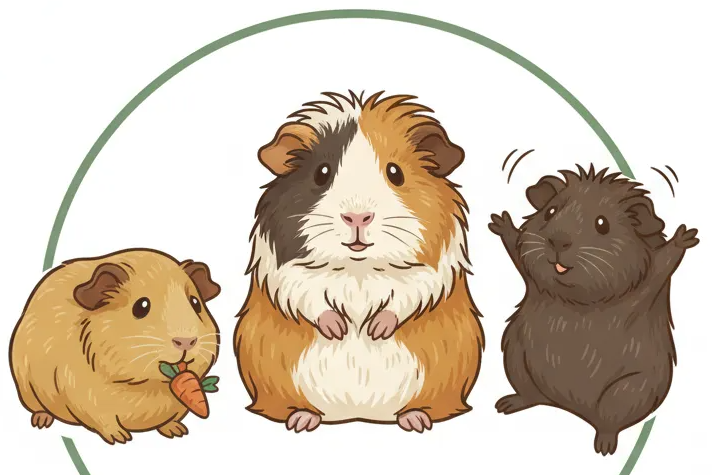
With years of experience caring for my own guinea pigs-Pepper, Clover, and Biscuit-I’m here to share practical, firsthand advice.
Understanding Cilantro and Guinea Pig Diets
Cilantro is the fresh, leafy part of the coriander plant, often called coriander leaves in many regions. This herb has a distinct, citrusy aroma and flavor that can add variety to your guinea pig’s meals, much like it does in human dishes.
Fresh greens are a cornerstone of a healthy guinea pig diet because they supply vital nutrients like vitamin C and fiber. Guinea pigs cannot produce their own vitamin C, so leafy vegetables help prevent deficiencies that lead to scurvy and other issues. Yet, balance is key – too many greens can upset their sensitive digestive systems or cause weight gain. Choosing safe greens matters, and focusing on guinea pig-safe vegetables helps keep their diet balanced. A varied, moderate offering of greens supports vitamin C intake and fiber without overloading their digestion.
- Offer a mix of greens such as romaine lettuce, bell peppers, and cilantro to ensure a broad nutrient profile and prevent boredom.
- Stick to small portions; a few sprigs of cilantro a couple of times a week fits well into a varied diet without overloading them.
I learned this firsthand with my own guinea pigs. When I introduced cilantro to Pepper, his steady nature made him approach it slowly, while Clover’s thoughtful curiosity had her munching eagerly from the start. Watching their different reactions reinforced how individual each pet’s tastes can be, so I always recommend starting with tiny amounts to see what they enjoy.
Is Cilantro Safe for Guinea Pigs to Eat?
Cilantro is non-toxic and safe for guinea pigs in moderation, but it does contain oxalates and moderate calcium levels. Oxalates can bind with calcium in the body, potentially leading to bladder stones if fed excessively, so keeping portions small helps avoid this risk. Unlike some toxic fruits and vegetables that should never be fed to guinea pigs, cilantro is safe when given in small amounts.
Pay close attention to how your guinea pig responds to cilantro to spot any problems early. Normal, safe eating includes active nibbling, steady energy, and consistent droppings, while issues might show as loose stools, lack of interest in food, or unusual sluggishness.
- Signs of safe consumption: Your guinea pig eats cilantro without hesitation, maintains regular behavior, and shows no digestive upset.
- Potential warning signs: Diarrhea, bloating, or reduced activity could mean the herb isn’t agreeing with them or they’ve had too much.
As a pet owner who prioritizes animal welfare, I urge you to introduce cilantro gradually. Begin with a small leaf or two and watch for changes over a day or two, just as I did with Biscuit, whose reserved nature meant he needed extra time to adjust. This cautious method protects their health and lets you tailor their diet to what suits them best.
Nutritional Benefits of Cilantro for Guinea Pigs
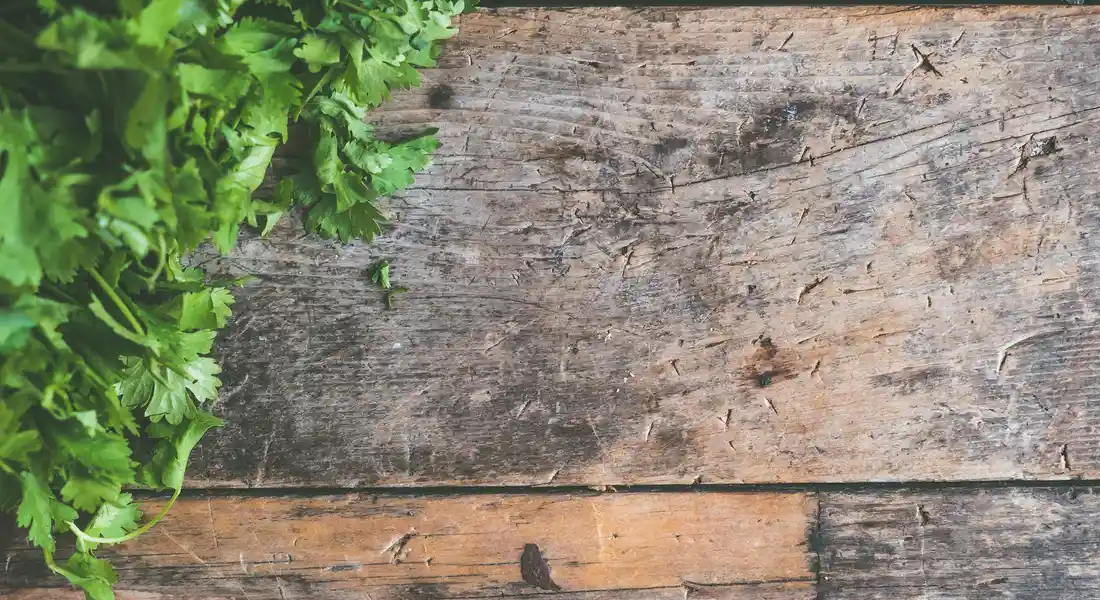
Cilantro offers a powerhouse of nutrients that directly support your guinea pig’s well-being. Fresh cilantro provides a significant dose of vitamin C, a nutrient guinea pigs cannot produce on their own and is vital for a strong immune system and healthy skin. This is something I always keep in mind for my own pigs, Pepper and Clover. Guinea pigs have a range of safe greens and vegetables to choose from. Cilantro is one tasty example of the vitamin-C rich foods they can have alongside other greens.
- Vitamin C: Crucial for preventing scurvy and supporting overall immune health.
- Dietary Fiber: Promotes healthy digestion and helps prevent gastrointestinal stasis.
- Vitamin K: Aids in proper blood clotting and bone metabolism.
- Antioxidants: Help combat cellular damage from free radicals.
Compared to other safe greens like romaine lettuce or green leaf lettuce, cilantro often has a higher concentration of vitamin C. Its vibrant, citrusy aroma and deep green, lacy leaves are incredibly appealing to most guinea pigs, making it a flavorful way to boost their nutrient intake. While romaine is a great hydration source, cilantro packs a more potent nutritional punch in a smaller serving.
How Much Cilantro Can Guinea Pigs Eat?
Moderation is the golden rule with any treat, and cilantro is no exception. Overfeeding, even healthy foods, can lead to digestive upset like gas or soft stools. I learned this the careful way with my pig, Biscuit, who has a more sensitive stomach.
- Start with a small portion, about one to two sprigs per guinea pig.
- Offer cilantro as part of a varied diet, only 2 to 3 times per week.
- Always rotate cilantro with other safe greens like bell peppers or dandelion greens to ensure nutritional diversity.
Watch your pet closely after introducing any new food. Monitoring their appetite and ensuring they are still eating their primary hay is essential for weight management and overall health. A sudden drop in hay consumption is a red flag. A balanced diet keeps them at a healthy weight and their digestive system running smoothly.
Preparing and Serving Cilantro to Your Guinea Pig

I always rinse cilantro under cool running water for at least a minute, gently rubbing the leaves to dislodge any hidden dirt or pesticide residue. Organic cilantro offers a great alternative if you’re concerned about chemical exposure, though a thorough wash works well for conventional bunches too.
Every part of the cilantro plant is safe for your guinea pig to enjoy. You can confidently offer the fragrant leaves, the tender stems, and even the delicate white flowers if your plant has bloomed. Just ensure any flowers are pesticide-free flowers for guinea pigs, as these are less commonly washed before sale. There are other safe flowering options for guinea pigs as well, as long as they are pesticide-free. Always verify that any flower is non-toxic to guinea pigs before feeding.
My three guinea pigs have different preferences, so I prepare cilantro in a couple of ways. For Pepper, my gentle American, I often serve a whole sprig-he enjoys nibbling the leaves off the stem methodically. Clover, the graceful Abyssinian, prefers her cilantro chopped into smaller, bite-sized pieces mixed into her salad. For Biscuit, my reserved Peruvian, I sometimes hand-feed individual leaves to build trust.
Potential Risks and Side Effects of Feeding Cilantro
While cilantro is a wonderful treat, it does contain oxalates. In large amounts, oxalates can contribute to bloating or minor changes in your guinea pig’s digestive health. This is why moderation is your best tool for keeping meals safe and comfortable.
Stay observant after introducing any new food. Watch for subtle signs of distress like a reduced interest in food, unusual lethargy, or small, dry droppings. My Clover once had a slightly softer stool after overindulging, which was a clear signal to scale back.
You can easily manage these risks with a balanced diet. Rotate cilantro with other low-oxalate greens like romaine lettuce and bell peppers to provide nutritional variety without overloading on any one vegetable. This approach has kept my trio healthy and eager for mealtime.
Alternatives to Cilantro for a Varied Diet

While cilantro is a favorite in my herd, I always mix in other safe greens to keep meals exciting and nutritious. Kale varieties for guinea pigs can be a tasty and nutrient-dense option when offered in moderation. I rotate different kale varieties along with other greens to keep nutrition balanced. Variety isn’t just about preventing boredom-it ensures your guinea pig gets a broader spectrum of vitamins and minerals.
Romaine lettuce offers crisp hydration with vitamins A and K. Bell peppers, especially the red ones, pack a sweet crunch loaded with vitamin C. Spinach provides iron but should be given sparingly due to oxalates. Dandelion greens are a foraged favorite, rich in calcium and fiber.
Nutritional Comparison of Common Veggies
| Food | Key Nutrients | Feeding Frequency |
|---|---|---|
| Romaine Lettuce | Vitamin A, Vitamin K, Folate | Daily, in moderation |
| Bell Peppers | Vitamin C, Vitamin B6, Antioxidants | 3-4 times weekly |
| Spinach | Iron, Vitamin K, Magnesium | Once weekly |
| Dandelion Greens | Calcium, Vitamin A, Fiber | 2-3 times weekly |
Rotating these foods prevents nutrient imbalances and keeps your pet engaged with their diet. I switch between options daily-Pepper adores romaine, while Biscuit prefers the bright colors of bell peppers.
Special Considerations for Different Guinea Pigs
Feeding Cilantro to Baby Guinea Pigs
Introducing cilantro to young guinea pigs requires patience. Start with a tiny piece, no larger than a thumbnail, once they’re already munching on hay and pellets. When preparing vegetables for guinea pigs, wash cilantro well and cut it into small pieces. This helps them nibble safely and enjoy every leaf.
- Offer a small leaf or stem alongside their usual food.
- Watch for any signs of digestive upset, like soft stools.
- Gradually increase the portion if they tolerate it well over a week.
Youngsters have sensitive digestive systems, so slow introduction helps them adjust without stress.
Feeding Cilantro to Pregnant or Ill Guinea Pigs
Pregnant or sick guinea pigs need extra care with any new food. Always check with your veterinarian before adding cilantro if your pet has health concerns.
- For pregnant sows, cilantro can be a hydrating treat but should not replace critical nutrients like calcium-rich alfalfa hay.
- Ill guinea pigs, especially those with kidney issues, may need limited cilantro due to its moderate calcium content.
When Clover had a mild respiratory infection, her appetite waned. I offered minced cilantro mixed with her critical care formula-the strong scent encouraged her to eat when she otherwise refused. This small trick, vet-approved, helped her recover faster by ensuring she stayed nourished.
FAQs
Can guinea pigs eat cilantro stems and roots?
Cilantro stems are safe and tender for guinea pigs to enjoy. Avoid feeding the roots, as they may harbor more dirt and pesticides. Some herbs are safe and unsafe herbs in moderation, while others can be unsafe for guinea pigs. If you’re unsure, double-check with a veterinarian before adding new herbs.
How should I store fresh cilantro for my guinea pig?
Keep cilantro fresh by storing it in the refrigerator wrapped in a damp paper towel inside a sealed bag. Proper storage helps maintain its nutrients and prevents spoilage.
Is organic cilantro necessary for guinea pigs?
Organic cilantro is optional but can minimize pesticide risks. Always wash any cilantro thoroughly under cool water to ensure it’s safe for your pet.
Your Guinea Pig’s Cilantro Questions Answered
Cilantro is a wonderful, safe herb for your guinea pig when offered in proper moderation. Always introduce it slowly alongside a variety of other fresh greens to ensure a balanced and healthy diet for your pet. For variety, you can also rotate in edible weeds and foraged greens like dandelion greens and plantain, as long as they’re pesticide-free and thoroughly washed.
Being a responsible pet owner means continuously learning about their natural needs and making eco-friendly choices. We can all strive to provide the best care by choosing fresh, natural foods and always putting our pets’ well-being first.
Further Reading & Sources
- GuineaDad Food Blog: Can guinea pigs eat cilantro?
- Beware of Cilantro – Guinea Pig Cages
- Can Guinea Pigs Eat Coriander (Cilantro)?
- Can Guinea Pigs Eat Cilantro? Our Vet Answers | PangoVet
Kate is a passionate guinea pig owner and advocate for small pet welfare. With over a decade of experience caring for guinea pigs, she has become a trusted voice in the small pet community.
Uncategorized