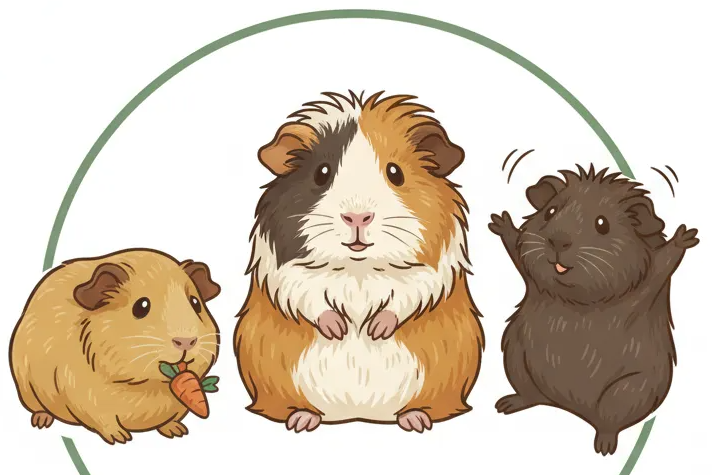
Can Guinea Pigs Eat Seeds? A Friendly Guide for Pet Owners
Hello CavyFam! You might be eyeing those seeds as a potential treat for your guinea pig, but it’s natural to worry about their safety and health impacts.
In this article, I’ll cover safe seed options, common risks to avoid, and step-by-step feeding tips. I’ve gathered this knowledge from caring for my own guinea pigs-Pepper, Clover, and Biscuit-over several years.
Understanding Seed Safety for Guinea Pigs
Many seeds pose serious health risks to guinea pigs due to their small, hard nature. Their digestive systems are not designed to handle hard seeds, which can lead to painful blockages or choking. I always err on the side of caution after a scare with my own piggy, Clover.
- Choking Hazards: Small, round seeds can easily become lodged in a guinea pig’s throat. Their small airway makes this a genuine emergency.
- Digestive Issues: Hard seeds are difficult to digest and can cause impaction, a dangerous condition where the gut becomes blocked.
- High Fat Content: Many seeds are high in fats, which can lead to obesity and liver problems in guinea pigs over time.
I learned this lesson personally when my curious pig, Biscuit, once managed to nibble a fallen birdseed. The resulting digestive upset was a stressful few days that made me hyper-vigilant about what they can access. It’s a risk I don’t recommend anyone take.
Key factors that determine a seed’s safety include its size, hardness, and shell. Always consider if a seed is small enough to swallow whole or hard enough to damage teeth before offering it. Shells are almost always a no-go, as they are indigestible and sharp.
Safe Seeds for Your Guinea Pig
A few select seeds can be offered as a very occasional treat when prepared correctly. These should never be a staple, but rather a tiny, infrequent addition to their primary diet of hay and veggies. Moderation is the golden rule here.
- Pumpkin Seeds: Raw, unsalted, and always shelled.
- Flax Seeds: Best offered ground to aid digestion.
- Chia Seeds: Can be offered whole or soaked to form a gel.
Preparation is everything for safety. I always crush or grind harder seeds and meticulously remove any shells to prevent any internal issues. A single, small seed once a week is more than enough for a nutritional boost.
These seeds offer benefits like healthy fats and fiber. Their high nutrient density means a tiny amount goes a long way in supporting skin and coat health.
Pumpkin Seeds: An Occasional Delight
Raw, shelled pumpkin seeds can be a fun, crunchy treat. They provide a good source of fiber and minerals like zinc, which supports overall health. My guinea pig, Pepper, gets particularly excited by the unique texture.
To serve them safely, follow these simple steps. This process ensures your piggy gets the benefit without the risk.
- Select only raw, unsalted pumpkin seeds.
- Carefully remove the outer white shell completely.
- Offer just one small seed per guinea pig no more than once a week.
I remember the first time I gave Pepper a tiny piece; she nibbled it thoughtfully before doing a happy popcorning jump. Seeing that joyful reaction made the careful preparation feel worthwhile, but I never let it become a regular expectation.
Flax and Chia Seeds: Tiny Nutritional Boosts
Flax and chia seeds are prized for their omega-3 fatty acids. These healthy fats contribute to a glossy coat and can help reduce inflammation. My thoughtful Clove seems to enjoy the subtle nutty flavor.
The safest way to incorporate them is by mixing a tiny pinch into their regular food. This method prevents them from eating too much at once and ensures they consume it with other digestible foods.
- For flax seeds, I grind them in a clean coffee grinder and sprinkle a dusting over their evening vegetables.
- For chia seeds, I sometimes soak them in water to create a gel that I mix with a bit of mashed, safe fruit like banana.
It is vital to practice strict moderation. Despite their benefits, the high fat content means overfeeding can quickly lead to unhealthy weight gain. A small pinch once every week or two is the absolute maximum I would recommend.
Seeds to Avoid for Guinea Pig Health
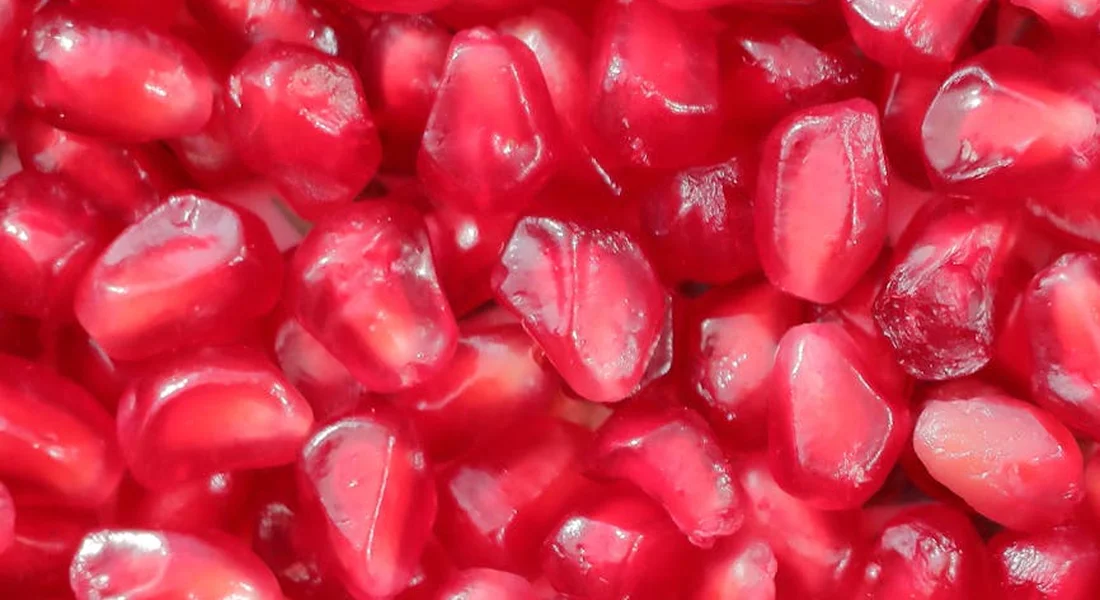
Some seeds are downright dangerous for your cavy. I learned this the hard way when Pepper once snagged a fallen apple seed, and I had to quickly intervene.
- Apple Seeds: These contain amygdalin, which releases cyanide when chewed.
- Bird Seed Mixes: Formulated for birds, these are far too high in fat and protein for guinea pigs.
- Any Salted or Flavored Seeds: Added seasonings can cause serious kidney strain and dehydration.
- Tiny Seeds from Fruits: Like those from citrus fruits or grapes, they pose a significant choking hazard.
Their digestive systems are simply not built to handle high-fat content or toxic compounds. Feeding these can lead to immediate distress or long-term organ damage.
How to Feed Seeds Safely to Guinea Pigs
-
Select only safe, unsalted seeds.
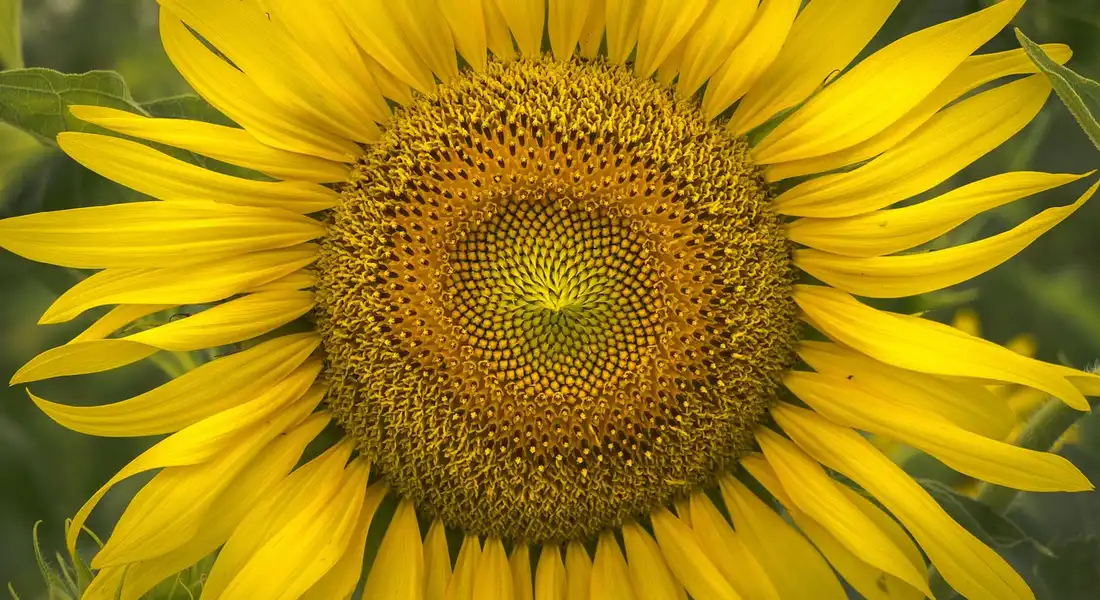
I always check the ingredient list to avoid any added salt, oils, or artificial flavors that could harm my guinea pigs. Sunflower and pumpkin seeds are sometimes okay, but they must be plain and raw. In addition, safe fruits can be included in small amounts as part of a balanced guinea pig diet. Just ensure seeds or pits are removed. -
Prepare by washing and crushing if needed.
Rinsing seeds under cool water removes dust, and lightly crushing larger ones helps prevent choking. My guinea pig Biscuit appreciates when I make treats easier to eat. -
Serve in tiny amounts as occasional treats.
Limit seeds to one or two pieces per week, mixed with their regular veggies to avoid overfeeding. Too many seeds can lead to obesity and digestive issues. -
Monitor your guinea pig for any adverse reactions.
Watch for changes in appetite, droppings, or behavior after offering seeds, and stop immediately if you notice problems. Before you bring one home, take time to understand guinea pig behavior and how they respond to new environments. This helps you choose a good match and prepare for care. My careful observation keeps Pepper and Clover healthy.
Alternative Healthy Treats for Guinea Pigs
-
Suggest fresh vegetables and fruits as better options.
Bell peppers, cucumber slices, and small pieces of apple or strawberry are nutrient-rich choices my guinea pigs love. These provide vitamins without the high fat content of seeds. Safe greens for guinea pigs are a key part of a guinea pig diet. Include leafy options like romaine lettuce, parsley, or dandelion greens in moderation. -
Recommend hay-based treats and pellets for balanced nutrition.
Timothy hay should make up most of their diet, supplemented with high-quality pellets for essential nutrients. This supports dental health and digestion naturally. -
Include ideas for homemade treats without seeds.
Try freezing mashed carrot with water in ice cube trays, or offer fresh herb sprigs like cilantro or parsley. I’ve found these simple recipes keep my pets engaged and nourished.
FAQs
Can guinea pigs eat seeds?
Most seeds are unsafe for guinea pigs due to choking hazards and digestive risks. Only offer safe varieties like pumpkin or flax in tiny, occasional amounts. If you want to add variety, safe flowers like nasturtium or pansy petals can be a tiny treat. Always choose pesticide-free blooms and offer in very small amounts.
Are pumpkin seeds safe for guinea pigs?
Yes, pumpkin seeds can be safe if they are raw, unsalted, and shelled. Feed them sparingly, no more than one seed per week to avoid health issues.
Can guinea pigs eat cucumber seeds?
Cucumber seeds are generally safe as they are soft and digestible when part of the vegetable. There is no need to remove them when feeding cucumber slices to your guinea pig. Guinea pigs can eat cucumbers safely when offered in moderation as part of a balanced diet. Monitor your pet for any signs of digestive upset after trying new vegetables.
What seeds can guinea pigs eat?
Guinea pigs can eat seeds like pumpkin, flax, and chia when prepared properly. Always avoid seeds from apples, bird mixes, or those that are salted or flavored. Know what foods are safe for guinea pigs to consume before introducing any new items to their diet.
How often should I feed seeds to my guinea pig?
Seeds should be given as rare treats, ideally once a week or less. Overfeeding can lead to obesity and digestive problems, so monitor their intake carefully.
Your Guinea Pig’s Health Comes First
Based on my years caring for guinea pigs like gentle Pepper and graceful Clover, I strongly advise against feeding seeds, especially when it comes to peanut shells and pine nuts, due to choking and digestive risks. Stick to a diet rich in hay, fresh veggies, and high-quality pellets to keep your pet thriving and safe.
Always research new foods thoroughly and prioritize eco-friendly bedding or toys to reduce environmental impact. Understanding guinea pig nesting behavior helps you meet their bedding needs for warmth and comfort. Observing how they nest guides you in choosing safe, absorbent materials. Continuous learning about guinea pig care ensures a happier, healthier life for your furry friend and a greener world for all.
Further Reading & Sources
- Can Guinea Pigs Eat Seeds? Vet-Reviewed Toxicity & Safety Guide | Hepper Pet Resources
- r/guineapigs on Reddit: Question about Pepper seeds (or fruit seeds in general)!
- Seeds – The Good, the Bad and the Ugly | The Guinea Pig Forum
- Why guinea pigs cant eat seeds? | The Guinea Pig Forum
Kate is a passionate guinea pig owner and advocate for small pet welfare. With over a decade of experience caring for guinea pigs, she has become a trusted voice in the small pet community.
Uncategorized