Cat Litter for Guinea Pigs: A Safety Guide
Hello CavyFam! You might be eyeing that bag of cat litter and wondering if it can double as bedding for your guinea pig. This is a common question, but using the wrong material can put your pet’s health at serious risk.
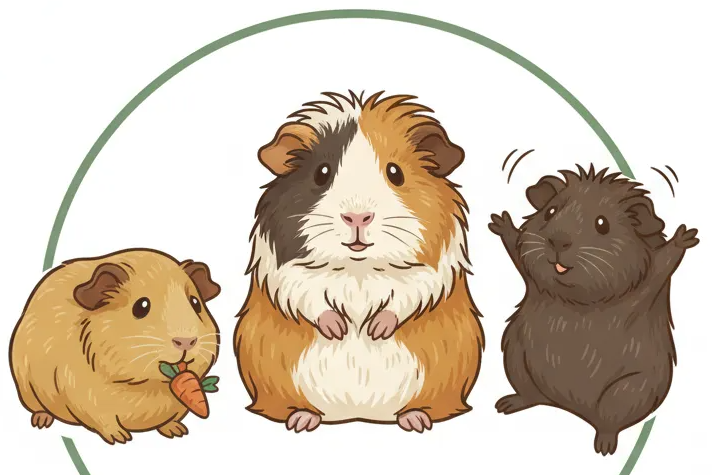
In this guide, I’ll walk you through safety hazards, why cat litter is dangerous, and the best safe alternatives. Having cared for my own guinea pigs for years, I’ve learned what truly keeps them healthy and happy.
Why Cat Litter Poses a Serious Risk to Guinea Pigs
The Hidden Dangers of Silica and Clay Litter
You might assume cat litter works well for any small pet, but silica and clay types can be hazardous for guinea pigs. Silica gel litter contains tiny crystals that absorb moisture but release fine dust into the air, which my guinea pig Biscuit once inhaled, leading to sneezing fits and discomfort. These particles settle in their delicate lungs, causing respiratory distress over time. Clay litter clumps when wet, creating hard lumps that can stick to their fur or be accidentally eaten during grooming. I learned this the hard way when Pepper tried nibbling on some, risking internal blockages. Always check bedding labels to avoid these hidden threats.
- Silica dust irritates airways and may lead to chronic breathing issues.
- Clay can cause digestive obstructions if ingested, as guinea pigs explore with their mouths.
- Both types lack the soft texture needed for comfortable burrowing and resting.
How Fragrances and Chemicals Harm Small Pets
Many cat litters include artificial scents or chemicals to mask odors, but these additives spell trouble for sensitive guinea pigs. Air quality matters because these scents and other household chemicals can linger in the air and be inhaled by small pets. Even low-level exposure can accumulate in their tiny lungs and affect breathing. Fragrances can trigger allergic reactions, like the time Clover developed itchy skin after exposure to a scented product I mistakenly used nearby. Their small size means even low levels of chemicals build up quickly, potentially harming their liver or nervous system. Opt for unscented, natural options to keep your pet safe from unnecessary toxins. Your guinea pig’s well-being depends on a chemical-free environment.
- Artificial perfumes may cause sneezing, watery eyes, or skin rashes.
- Chemical deodorizers can be toxic if licked off fur during self-cleaning.
- Natural, fragrance-free bedding reduces stress and supports overall health.
Understanding Guinea Pig Bedding Needs
The Critical Connection Between Bedding and Respiratory Health
Guinea pigs breathe rapidly and have sensitive respiratory systems, making bedding choice a top priority for their health. Dusty or moldy bedding can lead to infections or pneumonia, something I vigilantly prevent with my trio by using low-dust paper-based materials. Proper ventilation in the cage helps, but starting with safe bedding is key. I’ve noticed Pepper’s breathing stays steady with absorbent, dust-free options, unlike when I tried a cheap alternative that caused wheezing. Regularly inspect bedding for dampness or particles to safeguard their lungs, and avoid common bedding mistakes that can harm your guinea pigs’ health.
- Choose beddings labeled “low-dust” to minimize airborne irritants.
- Replace bedding weekly to prevent mold growth and ammonia buildup.
- Monitor your pet for signs like coughing or lethargy, which signal respiratory issues.
Why Absorbency Matters for Cage Hygiene
Absorbent bedding keeps your guinea pig’s living space dry, which is vital for preventing urine scalds and bacterial growth. High absorbency means less frequent cleanings and a happier, odor-free home, as I’ve found with Clover who stays active and healthy in a well-maintained cage. Wet bedding not only smells bad but can lead to painful foot sores or urinary tract infections. I use bedding that locks in moisture, making spot-cleaning easier and reducing overall maintenance. Your guinea pig will thrive in a dry, cozy environment that supports their natural behaviors. Pairing this setup with a high-quality hay rack keeps hay clean and accessible, reducing waste. Together with effective bedding solutions, it’s a simple way to support your guinea pig’s health and daily behaviors.
- Look for beddings that wick moisture away from the surface to keep paws dry.
- Test absorbency by feeling how quickly it dries after spills-this saves time and effort.
- Combine with a layer of hay for extra comfort and natural foraging benefits.
Safe Bedding Alternatives That Actually Work
Paper-Based Bedding: Soft and Secure
Paper-based bedding offers a gentle and absorbent option that mimics natural burrowing materials. I rely on this for my guinea pigs because it reduces dust and provides a cozy surface for their delicate feet. From my time with Pepper, who’s gentle and steady, I’ve seen how she snuggles into paper bedding without any irritation. It’s made from recycled paper, so it’s eco-friendly and safe if nibbled. You can find it in pet stores or make your own by shredding unscented paper towels. Always avoid any with added fragrances or chemicals to protect their sensitive respiratory systems.
- Highly absorbent and controls odors well
- Low dust levels, which is crucial for preventing breathing issues
- Soft texture that doesn’t cause sores or discomfort
Cardboard and Hay Combinations
Combining shredded cardboard with fresh hay creates a budget-friendly and engaging bedding mix. Untreated, plain cardboard is safe for guinea pigs to chew and explore. It also provides simple play opportunities that support dental health and enrichment. This setup encourages natural behaviors like chewing and nesting, which keeps guinea pigs mentally stimulated. With Clover, who’s graceful and thoughtful, I’ve noticed she loves to rearrange this bedding for her naps. Use plain, ink-free cardboard and mix it with timothy or orchard hay for added nutrition and comfort. It’s biodegradable and easy to replace, making cleanup a breeze while supporting animal welfare by reducing waste.
- Provides enrichment and satisfies chewing instincts safely
- Helps maintain dental health through natural fiber intake
- Cost-effective and can be sourced from household items
Step-by-Step Guide to Choosing Safe Bedding
Testing for Dust and Air Quality Safety
Dust from bedding can lead to respiratory problems in guinea pigs, so it’s vital to check this first. I always perform a simple shake test by taking a handful of bedding and gently shaking it over a dark surface to spot any dust clouds. For Biscuit, who’s reserved but intelligent, I make sure the air stays clear to avoid sneezing or discomfort. If you see visible dust, choose a different product. Also, opt for bedding labeled as low-dust or dust-free, and store it in a dry place to prevent mold growth that could harm air quality.
- Take a small sample of the bedding and shake it vigorously.
- Observe for any fine particles rising into the air.
- Smell the bedding to ensure there are no strong chemical odors.
- Check packaging for certifications like “dust-extracted” or “all-natural.”
Evaluating Bedding for Chew Safety and Digestion Risks
Guinea pigs naturally chew on their bedding, so it must be non-toxic and digestible if ingested. Examine the bedding for small, hard pieces or synthetic materials that could cause blockages or choking hazards. In my experience, I once used a bedding that Pepper tried to eat, and it led to a vet visit—now I stick to options like untreated wood shavings or paper products. Feel the texture to ensure it’s soft and pliable, and avoid anything with dyes or glues. Always supervise your pets when introducing new bedding to watch for any adverse reactions. This is exactly the kind of guidance you’ll find in the ultimate guide to safe bedding options for guinea pigs. It breaks down acceptable materials, dust levels, and how to spot potential hazards so you can keep Pepper safe and comfortable.
- Inspect the bedding for sharp edges or large, indigestible chunks.
- Research ingredients to confirm they are safe for small animals.
- Offer a small amount and monitor your guinea pig’s chewing behavior.
- Consult with a vet if you’re unsure about any bedding’s safety.
Maintaining Optimal Cage Conditions with Proper Bedding
Bedding Depth and Change Frequency for Health
Getting the bedding depth right makes a huge difference in your guinea pig’s comfort and health. I always aim for at least 2 to 3 inches of bedding in the cage to allow for natural burrowing and to absorb moisture effectively. From caring for Pepper, Clover, and Biscuit, I’ve seen how a deeper layer prevents sore hocks and keeps them cozy. For a quick bedding depth guide, 2 to 3 inches is a solid baseline, adjusted for cage size and digging tendencies. If you have a larger cage or a more enthusiastic digger, you can go a bit deeper, but keep it manageable for cleaning. Change the entire bedding every 5 to 7 days to avoid ammonia buildup, which can harm their sensitive respiratory systems.
- Use a ruler to check depth regularly; adjust if it compacts over time.
- For older or less active pigs like Pepper, add extra bedding for cushioning.
- Monitor for damp spots daily; a musty smell means it’s time for a full change sooner.
In my experience, Biscuit’s reserved nature means she hides discomfort, so I stick to a weekly schedule to catch issues early. Proper depth and timely changes reduce stress and keep your pets hopping happily.
Spot Cleaning vs Full Changes: Finding the Balance
Balancing spot cleaning with full bedding swaps keeps the cage fresh without overwhelming you or your pets. I do quick spot cleans every morning, removing wet patches and soiled areas to extend bedding life. For Clover, who’s graceful but messy, this daily routine prevents odors and keeps her space inviting. A full change happens weekly, but if you notice clumping or a strong smell, don’t wait-safety comes first.
- Use a small scoop or gloves to target soiled spots during spot cleaning.
- Replace only the dirty sections with fresh bedding to minimize waste.
- Schedule full changes on a consistent day, like Sundays, for routine.
With my herd, I’ve found that spot cleaning cuts down on bedding use by half, saving money and reducing environmental impact. This balance ensures your guinea pigs enjoy a clean home without the stress of constant disruptions. To tie this into a complete guinea pig hygiene cleaning routine, pair spot-cleaning with regular full cage cleanings. A consistent schedule keeps cages fresh and boosts overall well-being.
FAQs
Can I use biodegradable cat litter for guinea pigs?
No, even biodegradable cat litter often contains dust or chemicals that can harm guinea pigs. Always choose bedding made specifically for small animals to avoid health risks.
What are the signs that my guinea pig is having a reaction to cat litter?
Watch for symptoms like sneezing, coughing, or reduced activity, which may indicate respiratory issues. If you observe these, remove the litter right away and seek veterinary care.
How often should I change guinea pig bedding compared to cat litter?
Guinea pig bedding typically needs weekly full changes to prevent odor and bacteria, while cat litter might be replaced less frequently. This routine helps maintain a clean and safe environment for your pet.
Is clumping cat litter more dangerous than non-clumping for guinea pigs?
Yes, clumping litter can form hard masses that may cause digestive blockages if ingested. Non-clumping varieties still pose risks like dust inhalation, so neither is safe for guinea pigs.
Can guinea pigs use litter boxes like cats?
Guinea pigs can be trained to use litter boxes, but fill them with safe bedding like paper-based products instead of cat litter. This encourages good habits without exposing them to harmful materials. To potty train your guinea pig, place the box in a familiar corner and reward them with quick praise when they use it. With patience and a routine, most guinea pigs learn where to go.
Your Guinea Pig’s Bedding: A Final Word
For your guinea pig’s health and safety, always choose paper-based or aspen wood bedding over cat litter. These materials are soft, absorbent, and won’t create the dangerous dust clouds or cause the respiratory issues that clumping and clay-based litters can. You can learn more about the differences and benefits of various types of bedding in our article paper vs. wood vs. fleece bedding.
Being a great pet owner means always looking for ways to improve your furry friend’s life, from their bedding to their diet. To properly care for guinea pigs, provide a roomy cage, fresh hay daily, vitamin C, and clean water. Stay curious, keep learning about eco-friendly pet care, and your guinea pigs will reward you with their happy, healthy presence for years to come. Regularly clean their bedding and schedule vet checkups to keep them thriving.
Further Reading & Sources
- The Importance Of Bedding For Your Guinea Pig – Small Pet Select U.S.
- How To Train A Guinea Pig To Use A Litter Box | Training Your Guinea Pigs
- Guinea Pig Resources
- Can You Use Cat Litter for Guinea Pigs? Vet-Approved Health Concerns, Tips, & FAQ | PangoVet
Kate is a passionate guinea pig owner and advocate for small pet welfare. With over a decade of experience caring for guinea pigs, she has become a trusted voice in the small pet community.
Uncategorized