How to Build and Set Up the Perfect Guinea Pig Cage
Published on: December 12, 2025 | Last Updated: December 12, 2025
Written By: Kate M. Callahan
Hello CavyFam! Are you feeling a bit lost about where to start with your guinea pig’s new home? You might worry about picking the wrong cage size or missing key safety features that keep your pets secure and content.
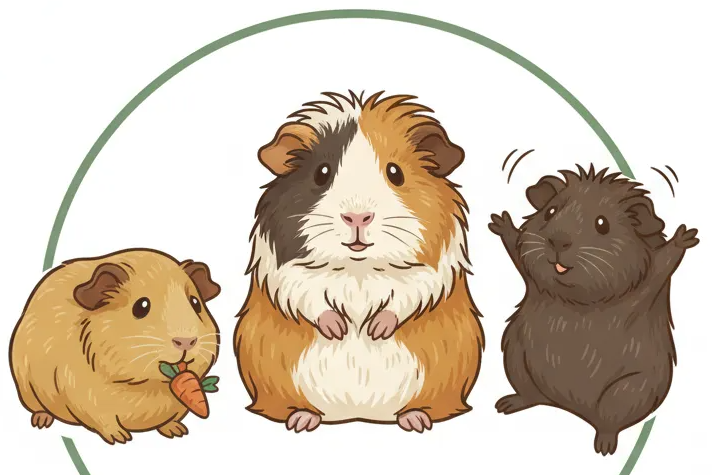
In this article, I’ll guide you through choosing the ideal cage size, selecting safe and comfortable materials, assembling the setup step-by-step, and maintaining a clean, enriching environment. Having raised my own guinea pigs-Pepper, Clover, and Biscuit-for years, I’ve fine-tuned cage setups that prioritize their health and happiness.
Understanding Guinea Pig Cage Dimensions and Space Needs
I learned the hard way that cage size is everything for a guinea pig’s well-being. My first cage for Pepper was far too small, and I noticed he became less active and more withdrawn. A cramped cage directly impacts their physical health, leading to issues like bumblefoot, and their mental health, causing stress and boredom. These are active, social animals that need space to run, explore, and perform their joyful “popcorning” leaps.
Here is a clear guide to the space your furry friends truly need to thrive.
| Number of Guinea Pigs | Minimum Floor Area | Recommended Floor Area |
|---|---|---|
| 1 Guinea Pig | 7.5 square feet | 10.5+ square feet |
| 2 Guinea Pigs | 7.5 square feet | 10.5+ square feet |
| 3 Guinea Pigs | 10.5 square feet | 13+ square feet |
Measuring your available space is your first step. Grab a tape measure and check the length and width of your intended spot. I always prioritize a single-level, wide cage over a multi-level one, as guinea pigs are ground-dwellers who value uninterrupted running space. An L-shaped layout or a long rectangular cage often provides more usable floor area than a tall, narrow design. Think of it like planning a studio apartment for your pets-every square foot counts for their happiness.
Choosing Safe and Non-Toxic Materials for Your DIY Cage
Building a cage yourself is rewarding, but material safety is non-negotiable. Their sensitive respiratory systems can be severely damaged by the wrong choices. I stick to kiln-dried pine for any wooden structures, as the kiln-drying process removes the harmful phenols found in raw softwoods. For the base, coroplast (corrugated plastic) is my go-to. It’s lightweight, waterproof, and easy to cut to your exact specifications.
You must be vigilant about what to avoid. This list is based on painful lessons from other small pet owners.
- Cedar Shavings or Wood: The aromatic oils are highly toxic and can cause liver damage and respiratory failure.
- Treated or Painted Wood: Chemicals from pressure-treating or old paint can leach out if chewed or licked.
- Particleboard or MDF: These materials can off-gas formaldehyde and fall apart when wet.
If you’re using wire grids for the cage walls, spacing is critical. The gaps between wires must be no more than 1.5 inches to prevent a guinea pig from getting its head stuck or attempting a daring escape. For any paints or sealants used on stands or external parts, only use products labeled as non-toxic and safe for children’s toys once fully cured. Their world is the cage, and every material they touch or breathe must be chosen with their delicate biology in mind.
Step-by-Step Guide to Building a Wooden Guinea Pig Cage
Essential Tools and Materials Checklist
Getting your supplies ready makes the building process smooth and fun. I always start by laying out everything I need, which saves time and reduces stress for both me and my guinea pigs like gentle Pepper.
- Detailed items needed:
- Wood panels: Choose kiln-dried pine or aspen, as they are safe and non-toxic for your pets. Avoid cedar, which can harm their respiratory systems.
- Connectors: Use sturdy screws and metal brackets to hold the frame together securely. I prefer corrosion-resistant options for longevity.
- Base liners: Opt for waterproof, easy-to-clean materials like vinyl or pond liner to prevent moisture buildup and keep the cage hygienic.
- Measuring tape: A reliable tape helps you get precise cuts, ensuring a snug fit and minimizing gaps where curious piggies like thoughtful Clover might get stuck.
- Safety gear: Wear gloves and goggles to protect yourself from splinters and dust during construction.
- Options for modular designs or multi-level setups:
- Modular designs: You can create sections that snap together for easy expansion. I built a modular setup for Biscuit, and it lets me rearrange the space as needed.
- Multi-level setups with ramps: Add a second level with gently sloped ramps. Ensure the ramp surface has traction, like carpet strips, so your guinea pigs can climb safely without slipping.
Assembly Instructions for a Sturdy Structure
Follow these steps to build a cage that’s both safe and cozy. This is part of the best cage setup guide for new guinea pig beginners, helping you plan the right enclosure. In this guide, we’ll cover size, materials, and layout. Taking your time with each step ensures a durable home that your guinea pigs will love exploring.
- Cut and prepare materials according to your planned dimensions. Measure twice and cut once to avoid mistakes. I use a saw for clean edges, smoothing them with sandpaper to prevent injuries.
- Assemble the frame, ensuring all joints are secure and corners are reinforced. Screw the wood panels together tightly, and add corner braces for extra stability. This keeps the structure from wobbling, which is vital for active piggies.
- Attach the solid base and add ventilation panels if needed. Secure the base liner with staples or adhesive, and cut small mesh-covered openings for air flow. Good ventilation helps prevent odors and keeps the environment fresh.
- Perform safety checks for stability, sharp edges, and accessibility. Run your hands over all surfaces to feel for rough spots, and test the cage’s sturdiness by gently shaking it. Make sure ramps and doors are easy for your guinea pigs to use without strain.
Setting Up the Cage Interior for Comfort and Function
Choosing the right bedding is your first step toward a healthy, happy habitat. I’ve tested many substrates over the years with my own guinea pigs—Pepper, Clover, and Biscuit—and found that your choice directly impacts their comfort and your cleaning routine. In this ultimate guide to safe bedding options for guinea pigs, you’ll learn how to choose materials that are comfortable and low-dust. We’ll compare fleece liners and disposable paper-based bedding, with quick tips to minimize odors and avoid common hazards.
Selecting the Ideal Bedding Substrate
- Fleece Liners: These are my personal favorite for my herd. A good fleece system consists of an absorbent layer (like u-haul padding or towels) topped with a moisture-wicking fleece blanket. The key is that the top layer stays dry, protecting your pets’ delicate feet from dampness and potential sores. This option is cost-effective long-term and reduces waste, but it requires a weekly wash.
- Paper-Based Bedding: This is a fantastic low-maintenance option, especially for new owners. Look for paper bedding that is dust-free and highly absorbent. It provides excellent odor control and is super soft for them to burrow and nest in, which my shy Biscuit absolutely adores. You’ll need to spot-clean daily and do a full change weekly.
Strategic Placement of Food and Water
How you position essentials can turn simple feeding into enriching, natural behavior. Guinea pigs are natural foragers, so scattering some of their daily pellets or veggies around the cage encourages this instinct and provides mental stimulation.
- Hay Racks: Mount the hay rack at a level your guinea pig can easily reach without straining. I place mine right next to their favorite lounging spot. Guinea pigs need constant access to hay for digestive health, so making it readily available is non-negotiable.
- Water Bottles: Secure the bottle on the side of the cage, ensuring the spout is at head-height when your pig is standing normally. Check it several times a day for leaks or blockages. A silent, drip-free bottle is essential to keep their bedding dry and prevent messy puddles.
- Food Bowls: Use heavy, tip-proof ceramic bowls. Place them away from high-traffic areas and hiding spots to avoid contamination. This simple placement helps keep their fresh food clean and reduces the chance of it being soiled or spilled.
Creating Secure Hiding and Lounging Spots
Guinea pigs are prey animals, and they need places to feel completely safe. My gentle Pepper spends half his day in his hidey, and it’s his clear signal that he feels secure in his environment. A well-furnished cage has multiple options for retreat and rest.
- Hideouts: Provide at least one hideout per pig, plus one extra to prevent squabbles. You can use commercial igloos, wooden houses, or even simple cardboard boxes. Having multiple escape routes in a hideout can make a nervous pig like Clover feel even more secure.
- Tunnels and Tubes: These connect different areas of the cage and provide covered pathways for exploration. Fleece-covered tunnels are a big hit in my cage, as they are soft, warm, and can be tossed in the wash.
- Corner Shelves and Platforms: Adding a low, stable platform creates a multi-level environment. This not only increases their usable floor space but also gives them a designated “lookout” spot, which satisfies their natural curiosity. Just ensure any ramp is gently sloped and easy to climb.
Ensuring Safety, Ventilation, and Easy Maintenance
Creating a healthy home for your guinea pigs goes beyond just providing space and toys. Your daily and weekly routines are the foundation of their long-term health and happiness. I learned this firsthand with my trio, Pepper, Clover, and Biscuit; a consistent schedule prevents odors and keeps everyone thriving. For weekly care, many owners rely on an ultimate guinea pig care routine checklist to stay organized. It helps cover tasks like cage cleaning, fresh vegetables, and nail trims on a regular basis.
Your Essential Cleaning Schedule
A clean cage is a non-negotiable part of guinea pig care. Sticking to a simple routine makes it manageable.
- Daily Spot-Cleaning: Every morning, I do a quick sweep of the cage. I remove any visibly soiled bedding, leftover fresh veggies, and top up their hay rack. This five-minute task drastically reduces ammonia buildup and keeps the environment fresh.
- Weekly Deep Clean: Once a week, it’s time for a full reset. I transfer my pigs to a secure playpen, then follow these steps:
- Remove and dispose of all old bedding.
- Wash the entire base with a 50/50 solution of white vinegar and warm water. I avoid harsh chemicals that could irritate their sensitive respiratory systems.
- Scrub food bowls and water bottles thoroughly.
- Dry the cage completely before adding a fresh, deep layer of new bedding.
A weekly deep clean is your best defense against bacteria and mites.
Proper Ventilation for Healthy Lungs
Guinea pigs have delicate respiratory systems, and stagnant, humid air is a major risk. Good airflow is just as critical as clean bedding for preventing respiratory infections. Proper care means providing a well-ventilated living space and keeping the cage clean. Regular checks of air quality and humidity help prevent problems.
- Choose a cage with wire sides or ample mesh panels to allow air to circulate freely.
- Never place a solid cover, like a blanket or plastic lid, over the top of the cage. This traps humidity and ammonia from urine.
- Ensure the room the cage is in has decent air circulation, but avoid placing the cage directly in the path of a strong draft from a vent or window.
If you walk into the room and notice a damp or heavy smell, that’s a clear sign you need to improve ventilation immediately.
Temperature Control and Safe Placement
Where you put the cage in your home makes a world of difference. Guinea pigs cannot sweat or pant effectively, making them prone to heatstroke. These are among the 8 cage placement mistakes that affect guinea pig health and happiness. Choosing the right spot helps prevent heat stress and supports overall well-being.
- Ideal Placement: Keep the cage in a quiet, climate-controlled room. I found a spot in my living room away from radiators and air conditioning units works perfectly.
- Avoid Direct Sunlight: Never place the cage in front of a sunny window. The glass can magnify heat, turning the cage into an oven in minutes.
- Draft-Free Zone: A constant cold draft can be just as dangerous, leading to chills and illness. Feel around the intended spot for any cool breezes before setting up.
The sweet spot for guinea pig comfort is between 65°F and 75°F (18°C – 24°C). I keep a simple thermometer near their cage to monitor it. If the temperature drifts outside this range, you can help meet their heating needs with a safe, warm hideout or gentle, controlled heating as needed.
Regular Safety Inspections
Make a quick safety check part of your weekly cleaning ritual. Guinea pigs are curious and will chew on anything they can find. This is part of a complete guinea pig hygiene cleaning routine, where you inspect and sanitize the cage, toys, and feeding accessories.
- Run your hands along all cage wires, checking for any sharp points or loose connections that could cause injury.
- Inspect all hideys and wooden toys for splinters.
- Ensure water bottle nozzles are working correctly and not leaking, which can create damp, unsafe bedding.
- Check that the cage door latch is secure. My clever Biscuit once figured out a flimsy latch, leading to a fun but frantic search!
A proactive two-minute inspection can prevent a potential emergency and give you total peace of mind.
Adding Enrichment with DIY Accessories and Play Areas
Your guinea pigs’ cage is their home, and just like us, they crave a stimulating environment. Creating a space that encourages natural behaviors like exploring, hiding, and chewing is vital for their mental well-being. I’ve found that some of the best cage accessories are the ones you can make yourself for just a few cents. These DIY projects are some of the best boredom busters for guinea pigs.
Easy DIY Projects from Household Items
You don’t need a big budget to create a guinea pig paradise. Look around your home; you likely have everything you need.
- Tunnels: Empty oatmeal containers, cardboard paper towel tubes, and sturdy gift boxes with holes cut in both ends make perfect, free tunnels. My trio, especially Biscuit, loves sprinting through a network of these.
- Playpens: For floor time, you can build a fantastic, safe playpen by connecting extra storage cube panels or even by stacking heavy, clean books into a temporary wall.
- Litter Boxes: A shallow, plastic storage container or a sturdy cardboard tray from a food package can be repurposed into a low-cost litter box. Just fill it with a safe, paper-based bedding.
Stimulating Their Minds with Chew Toys and Climbing
Guinea pigs need to chew constantly to keep their ever-growing teeth filed down. They also enjoy a little adventure.
- Chew Toys: Stuff a plain, brown paper lunch bag with hay. You can also tie together untreated apple or willow wood sticks with a piece of natural sisal twine.
- Ramps & Multi-Levels: A sturdy, untreated wooden plank with shallow grooves for grip makes an excellent ramp. You can create a simple second level by placing a flat, stable cardboard box or a small wooden platform in one corner of the cage. Always ensure ramps have a gentle slope and sides to prevent falls. My graceful Clover particularly enjoys surveying her kingdom from a low platform.
Keep Things Fresh with a Rotation Schedule
A static cage can become boring. I learned this with my gentle Pepper, who seemed less active when his environment never changed.
Rotating toys and accessories every week prevents boredom and reduces stress. You don’t need a huge inventory; just swap out a few items at a time.
- One week, feature the cardboard castle and the willow ball.
- The next week, remove the castle and introduce the tunnel maze and a new hay-stuffed paper bag.
- Pay attention to which items your guinea pigs interact with most. This tells you what they truly enjoy.
This simple system keeps their environment engaging without overwhelming them. It’s like getting a newly arranged room every few days!
FAQs
What are some reputable companies that sell guinea pig cages?
Look for brands like Midwest and C&C Cages, which are known for their spacious and safe designs. Always check customer reviews and ensure the cage meets the minimum size requirements for your pets.
Can I find quality guinea pig cages on Amazon?
Yes, Amazon offers a variety of cages, but carefully verify dimensions and materials before purchasing. Read product descriptions and user feedback to avoid cages that are too small or made from unsafe components.
Where can I buy indoor guinea pig cages for sale?
Many pet supply stores and online retailers like Chewy or Petco have indoor cages available for purchase. Ensure the cage is well-ventilated and placed in a draft-free, temperature-controlled area of your home.
Your Guinea Pig’s Perfect Home Awaits
Focus on providing ample space and a safe, enriching environment with plenty of hiding spots, soft bedding, and engaging toys. Your thoughtful setup directly supports their natural behaviors and overall happiness.
Committing to a guinea pig means embracing lifelong learning about their care and making eco-conscious choices, like using paper-based bedding. This dedication ensures you provide a wonderful life for your small, cherished companions. Emotional commitment means showing up daily with patience, gentle handling, and a readiness to learn their cues. That lasting bond is a central part of responsible guinea pig ownership.
Further Reading & Sources
- Guide to Building a DIY C&C Cage for Your Guinea Pig
- 20 Homemade DIY Guinea Pig Cage Ideas
- Build a Guinea Pig Cage With EASY Cleaning! (Projects With Kids) : 4 Steps – Instructables
- Simple DIY housing ideas for your guinea pigs
Kate is a passionate guinea pig owner and advocate for small pet welfare. With over a decade of experience caring for guinea pigs, she has become a trusted voice in the small pet community.
Uncategorized