How to Protect Your Guinea Pig Cage from Other Pets
Hello CavyFam! Do you worry about your other pets getting too curious around your guinea pig’s home? You’re not alone, and creating a safe space is easier than you might think.
I’ll walk you through strategic cage placement, physical barriers, behavior training, and enrichment tactics to keep your small friends secure. With years of experience caring for my own herd, I’ve learned what truly works to maintain a peaceful, multi-pet household.
Understanding Pet Dynamics and Risks
Assessing Individual Pet Personalities
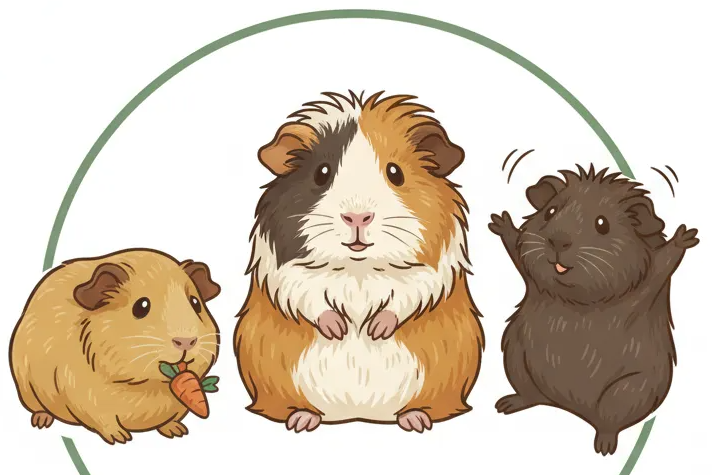
My guinea pigs, Pepper, Clover, and Biscuit, each have distinct personalities that influence how they react to my curious cat. Observing your pets’ baseline behaviors is the first step to predicting potential conflicts. A playful, high-energy dog might see the cage as an exciting toy, while a predatory cat might view it as an enclosure for prey.
I learned that Biscuit, my reserved Peruvian, becomes noticeably anxious when the cat stares for too long. Your other pets’ breed instincts and past experiences will heavily shape their interest level. A terrier bred for hunting small animals requires much more careful management than a lazy, older Labrador.
Signs of Stress in Guinea Pigs
Guinea pigs are prey animals, and their stress signals are often subtle. A stressed guinea pig may freeze in place, trying to become invisible to a perceived threat. I frequently see this with Clover, who will stop mid-chew if she hears the dog’s collar jingle.
- Hiding excessively and refusing to come out for food, even favorite veggies.
- Loud, frantic wheeking that sounds different from their normal “feed me” call.
- Rapid, shallow breathing or a tense, hunched body posture while motionless.
- A sudden lack of appetite or changes in their drinking habits.
- Aggressive behavior towards their cage mates, like chattering teeth or nipping.
Any prolonged change in their normal behavior is a red flag that their environment feels unsafe. I keep a small log of these incidents to track what triggers my pets, which helps me create a better safety plan.
Choosing a Secure and Sturdy Guinea Pig Cage
Essential Cage Features for Multi-Pet Homes
A standard pet store cage often isn’t enough when you have determined larger pets. Look for a cage with a solid, chew-proof bottom; wire floors are a complete no-go for sensitive guinea pig feet and offer no protection. After my dog once nudged a flimsy cage door open, I now only use cages with secure, bolt-style latches.
- Robust Construction: Choose thick, powder-coated metal bars that can withstand a curious bump or paw swipe.
- Secure Latching System: Simple hook-and-eye closures are too easy for clever pets to open. Opt for sliding bolts or even small padlocks.
- Solid Walls or Panels: A cage with solid walls on at least two sides provides a visual barrier, reducing stress for the guinea pigs.
- Sturdy, Elevated Stand: Keeping the cage off the floor adds a crucial layer of security and makes it less accessible.
An adequately sized C&C (Cubes & Coroplast) cage can be an excellent, customizable option because you control the materials and strength. I reinforced the connections on mine with extra zip ties for absolute peace of mind.
DIY Cage Upgrades for Added Safety
Sometimes, you need to add your own security measures to a store-bought cage. A simple hardware cloth overlay on the cage top can prevent a cat from sitting on or reaching through the bars. I used ¼-inch galvanized hardware cloth, secured tightly with heavy-duty cable ties over my cage’s existing grid.
For cages with less secure doors, I installed small, keyless cabinet locks. These are inexpensive, easy to install with just a screwdriver, and completely deter paws from prying doors open. You can also create a “no-pet zone” around the cage using a tall, sturdy exercise pen, giving your guinea pigs an extra buffer of safety.
Regularly inspect all your DIY modifications for signs of wear or weakening to ensure they remain effective. A monthly safety check has become part of my routine, just like changing their bedding.
Implementing Physical Barriers and Environmental Controls
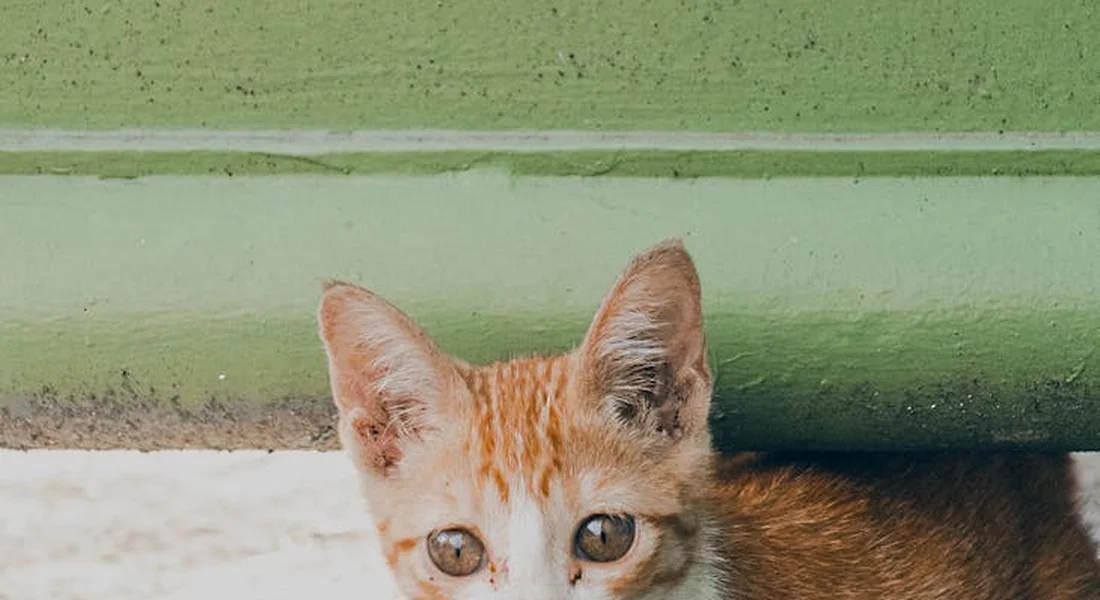
Securing your guinea pig’s home starts with smart physical setups that block other pets from getting too close. I’ve learned through years of caring for Pepper, Clover, and Biscuit that a well-protected cage reduces stress for everyone in the household. Plus, a quick pest and predator protection guide helps you stay ahead of unwanted visitors. It shows simple steps to deter pests and protect your piggies.
Cage Placement Strategies for Maximum Safety
Where you put the cage can make all the difference in keeping curious pets at bay. Elevating the cage on a sturdy shelf or table out of reach prevents dogs or cats from poking their noses in. I always place my guinea pigs’ enclosures in quiet rooms with doors I can shut if needed, especially when choosing a spot within my home.
- Choose high-traffic-free zones away from where other pets play or eat.
- Opt for corners or alcoves that limit approach angles from multiple sides.
- Ensure the surface is stable and won’t tip if bumped-I use anti-slip pads under Biscuit’s cage for extra security.
Using Top Covers and Door Locks
Adding a secure top cover and reliable locks adds another layer of defense against determined pets. Investing in a tight-fitting mesh cover allows airflow while stopping paws from reaching inside. For door locks, simple child-safe clips or sliding bolts work wonders to keep cages closed.
- Select a breathable, chew-resistant material for the cover to maintain ventilation.
- Test locks regularly to ensure they hold under slight pressure-I check Clover’s cage weekly.
- Combine covers with raised placement to double down on safety measures.
Training and Managing Other Pets
Teaching your other animals to respect the guinea pig’s space is key for long-term harmony. With patience and consistency, you can help pets like dogs or cats see the cage as off-limits without fear or aggression. I’ve trained my own pets using positive reinforcement, which supports animal welfare by reducing conflicts. Being alert to signs of cage aggression—bar-banging, nipping at the bars, or sudden lunging—lets you stop it early. Recognizing these cues helps you keep all pets safe while reinforcing boundaries.
Reducing Scent and Visual Triggers
Minimizing smells and sights that attract other pets lowers the risk of unwanted attention. Regular cage cleaning with mild, pet-safe cleaners cuts down on odors that might intrigue curious noses. I spot-clean Pepper’s area daily and do a full scrub weekly to keep scents neutral.
- Store guinea pig food in sealed containers to avoid drawing other animals in.
- Use visual barriers like room dividers or tall plants to block direct lines of sight to the cage.
- Rotate toys and hiding spots inside the enclosure to reduce predictable visual cues.
Creating Calm Zones with Noise Deterrents
Establishing a peaceful environment with gentle sounds can deter other pets from approaching. Soft background noise, like a white noise machine, masks sudden sounds that startle guinea pigs or attract predators. I set up a calm zone around Biscuit’s cage with a low-volume fan, which helps keep my cat from lurking nearby.
- Place noise devices at a distance to avoid overwhelming the guinea pigs’ sensitive ears.
- Use consistent, non-threatening sounds to create a routine that other pets learn to avoid.
- Monitor reactions and adjust volume as needed-I found that Clover prefers subtle nature sounds over loud white noise.
Emergency Preparedness and Injury Response
Recognizing and Treating Common Injuries
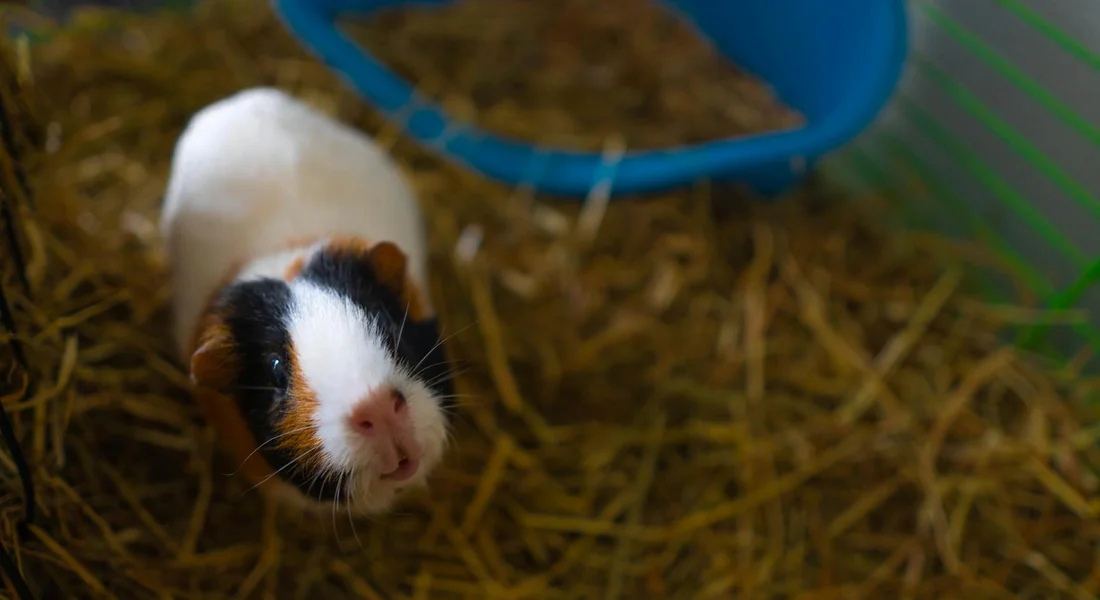
From my years of caring for guinea pigs like gentle Pepper and thoughtful Clover, I know that bites or scratches from other pets are the most frequent injuries. You must act quickly to prevent infection, as guinea pigs have delicate skin that heals slowly. Look for these signs:
- Visible cuts, scratches, or puncture wounds
- Limping or reluctance to move
- Hiding more than usual or flinching when touched
- Loss of appetite or reduced water intake
For minor wounds, I gently clean the area with a saline solution and apply a small amount of styptic powder to stop any bleeding. Never use human antiseptics like hydrogen peroxide, as they can damage guinea pig tissue and delay healing. For anything beyond a superficial scratch, I contact my veterinarian immediately. Guinea pigs are prey animals and often hide their pain until it becomes severe.
Post-Incident Care and Monitoring
After any scare or injury, your guinea pig needs a quiet, secure space to recover. I always move Biscuit’s cage to a calm room away from household traffic for at least 24 hours. Watch their behavior closely for the next 48 hours, as stress can trigger digestive issues or respiratory infections. Offer their favorite veggies to encourage eating and monitor their droppings for any changes in size or consistency. I keep a small notebook by their cage to log their food intake, activity level, and any unusual behaviors. This information is invaluable for your vet if follow-up care is needed.
Long-Term Strategies for Harmonious Living
Building Trust Through Supervised Interactions
Creating a peaceful multi-pet home takes patience and consistent, positive experiences. I never leave my guinea pigs unsupervised with other animals, even our calmest cat. To introduce your guinea pig safely to other pets, begin with brief, supervised sessions. These early steps help set up calm, positive interactions and prevent stress. Start with short, controlled sessions where your other pet is leashed or restrained, rewarding calm behavior with treats and praise. Keep these initial meetings brief—just two to three minutes—to prevent overwhelming your guinea pig. Over time, you can slowly increase the duration if both animals remain relaxed. I’ve found that using a sturdy playpen for these introductions provides a safe barrier while allowing visual and scent familiarity.
Maintaining a Peaceful Home Environment
A predictable routine reduces stress for all your pets. I feed my guinea pigs, Pepper, Clover, and Biscuit, at the same times each day and keep their cage in a low-traffic area. Provide plenty of hiding spots inside the cage, like fleece tunnels or wooden houses, where your guinea pigs can retreat if they feel threatened. Use vertical space for other pets-cat trees or high shelves-to give them their own territory away from the guinea pig’s area. I also use calming pheromone diffusers in rooms where my pets spend the most time. These small adjustments help create a household where every animal feels secure and respected.
FAQs
What is the ideal cage size for a guinea pig?
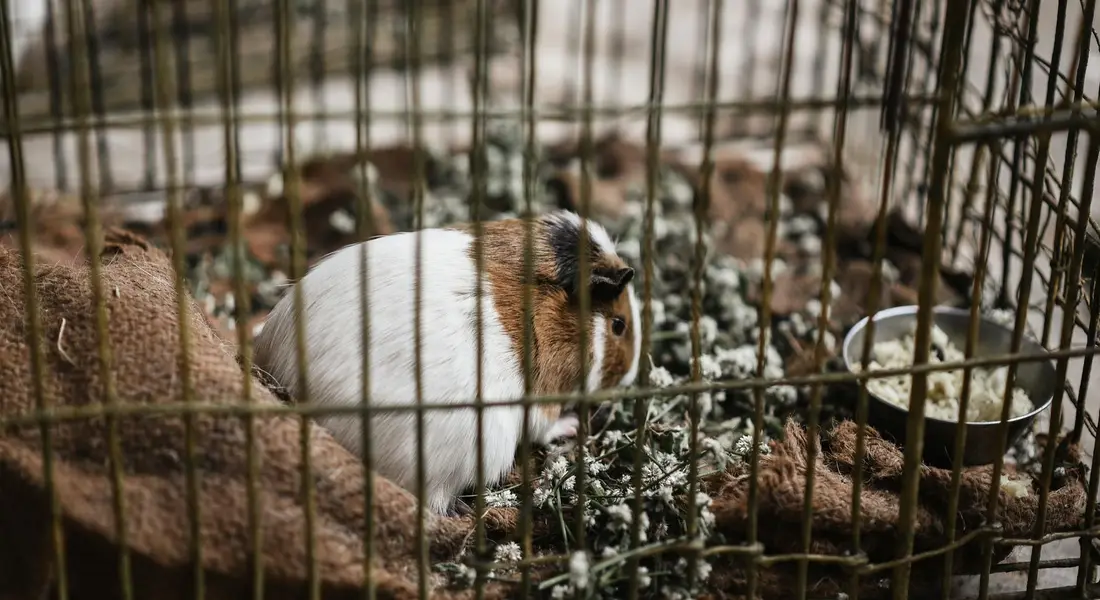
The minimum recommended size for one guinea pig is 7.5 square feet, but larger cages help reduce stress in multi-pet homes. Adequate space allows for hiding spots and movement, making it easier to implement safety barriers. These figures come from our complete space requirements guide on how much room guinea pigs need. It also covers questions like ‘do guinea pigs need size cages’ and how cage size scales with the number of pets.
What cage should I get for two guinea pigs?
For two guinea pigs, choose a cage with at least 10.5 square feet to accommodate their social needs and activity levels. A sturdy design with secure latches and solid walls helps protect against curious pets. For more details on the best cage setup for new guinea pig owners, check out this guide.
Is a specific cage needed for a single guinea pig?
A single guinea pig still requires a cage of at least 7.5 square feet to ensure comfort and well-being. Opt for models with robust construction and chew-proof materials to deter other pets. To set up the perfect guinea pig cage, start by planning for proper ventilation, accessibility, and easy cleaning. A well-designed enclosure supports long-term health and happiness by making daily care a breeze.
Can I purchase reliable guinea pig cages on Amazon?
Yes, Amazon offers a range of guinea pig cages, including customizable C&C options that can be reinforced for security. Always verify product reviews and specifications to select a cage that resists pet interference. Different cage types—such as wire, solid-bottom, and modular C&C setups—each have their own pros and cons. Weigh factors like size, ventilation, ease of cleaning, and cost to decide which type best fits your guinea pig’s needs.
Where can I find guinea pig cages in local stores?
Local pet stores like PetSmart or Petco often stock guinea pig cages, and you can use online tools to check inventory. Inspecting cages in person ensures they meet sturdiness standards for homes with other pets.
Your Peaceful Pet Home Awaits
Always prioritize secure, elevated cages and never leave your guinea pigs unsupervised with other animals. Consistent supervision and proper cage placement are your most effective tools for preventing stressful encounters; however, it’s important to avoid common errors, especially those that can impact their well-being directly. Proper cage placement is crucial for their health and happiness.
Responsible pet ownership means continuously learning about your guinea pigs’ unique needs and finding eco-friendly ways to enrich their lives. Your commitment to their safety and well-being makes you a wonderful, caring guardian for your small companions.
Further Reading & Sources
- Premium Guinea Pig Cages & Accessories | All C&C Cage Sizes – Guinea Pig Cage Company
- Guinea Pig Cages | Omlet
- Guinea pig housing requirements and bedding options | Humane World for Animals
- Guinea Pigs Cage Safety – Cat, Dog, and Kid Proofing
Kate is a passionate guinea pig owner and advocate for small pet welfare. With over a decade of experience caring for guinea pigs, she has become a trusted voice in the small pet community.
Uncategorized